What Does a Water Installation Actually Cost?
Nobody wants to play guesses with pricing. While the final cost depends on your home’s setup, here is an idea what you can generally expect to pay for a fully installed water heater in our area:
-
Standard Electric Tank: Typically $1,200 – $2,500. The most affordable option upfront.
-
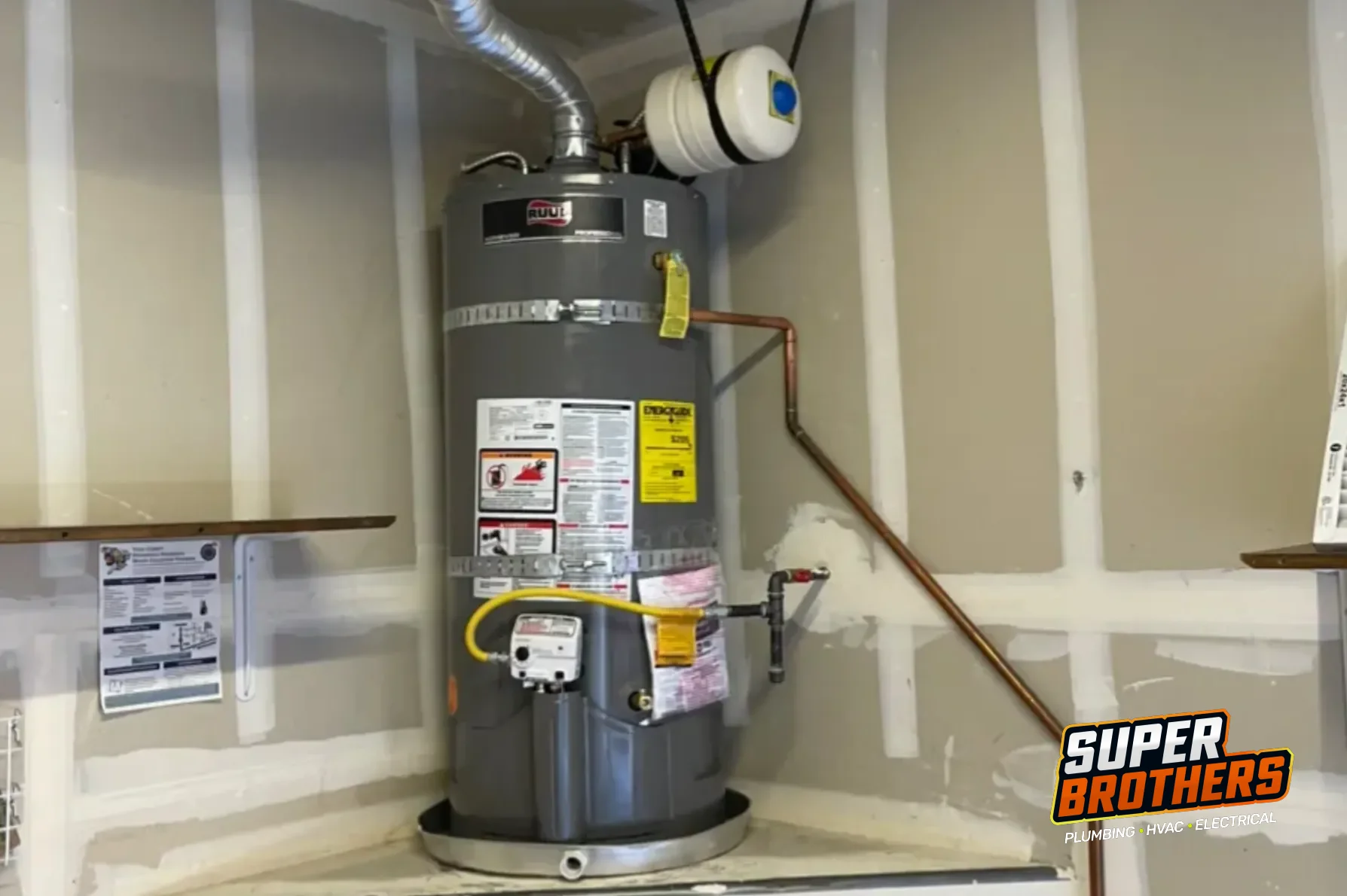
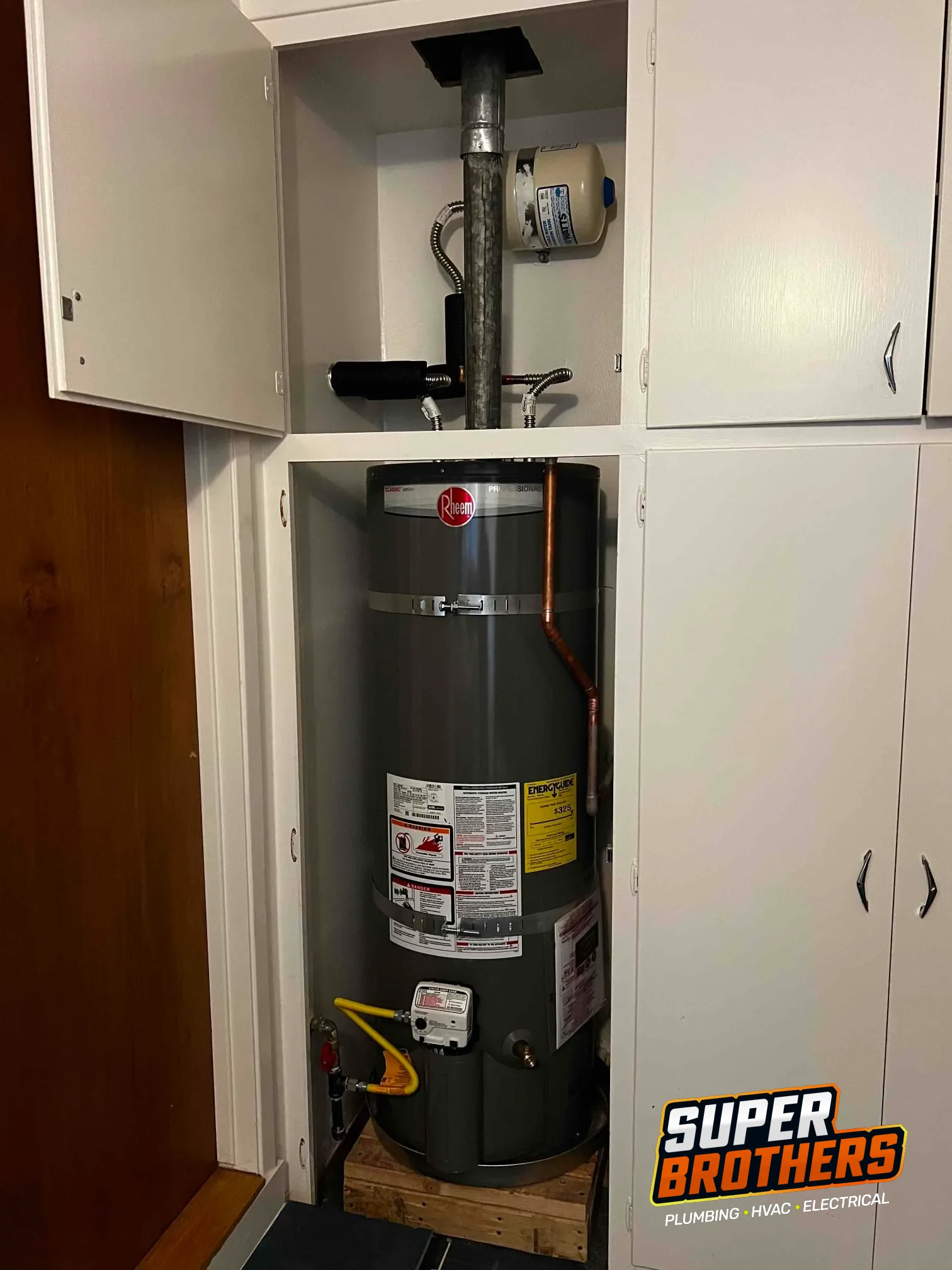
Standard Gas Tank: Typically $2000 – $2,800. Costs a bit more to install than electric, but heats water faster.
-
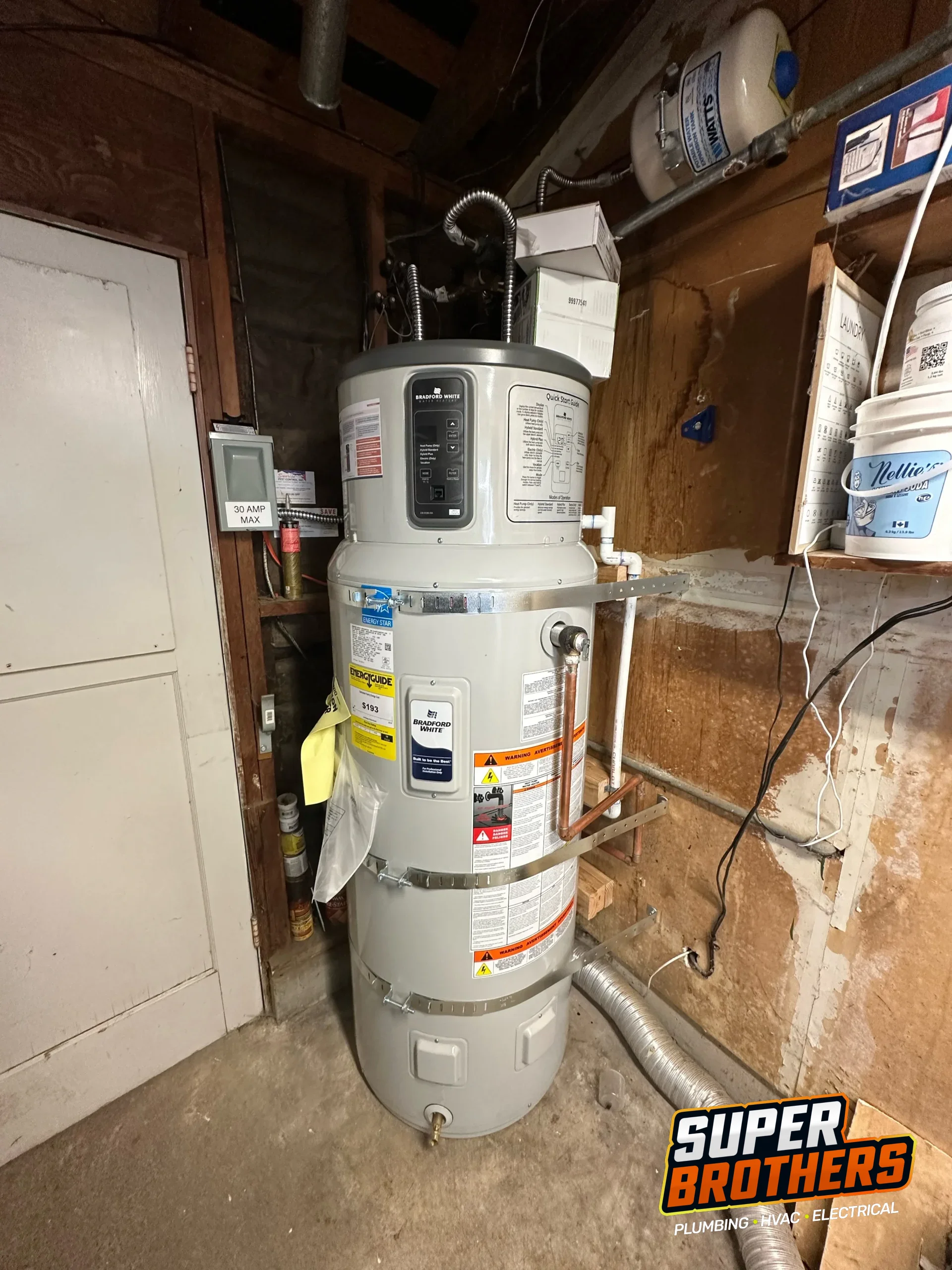
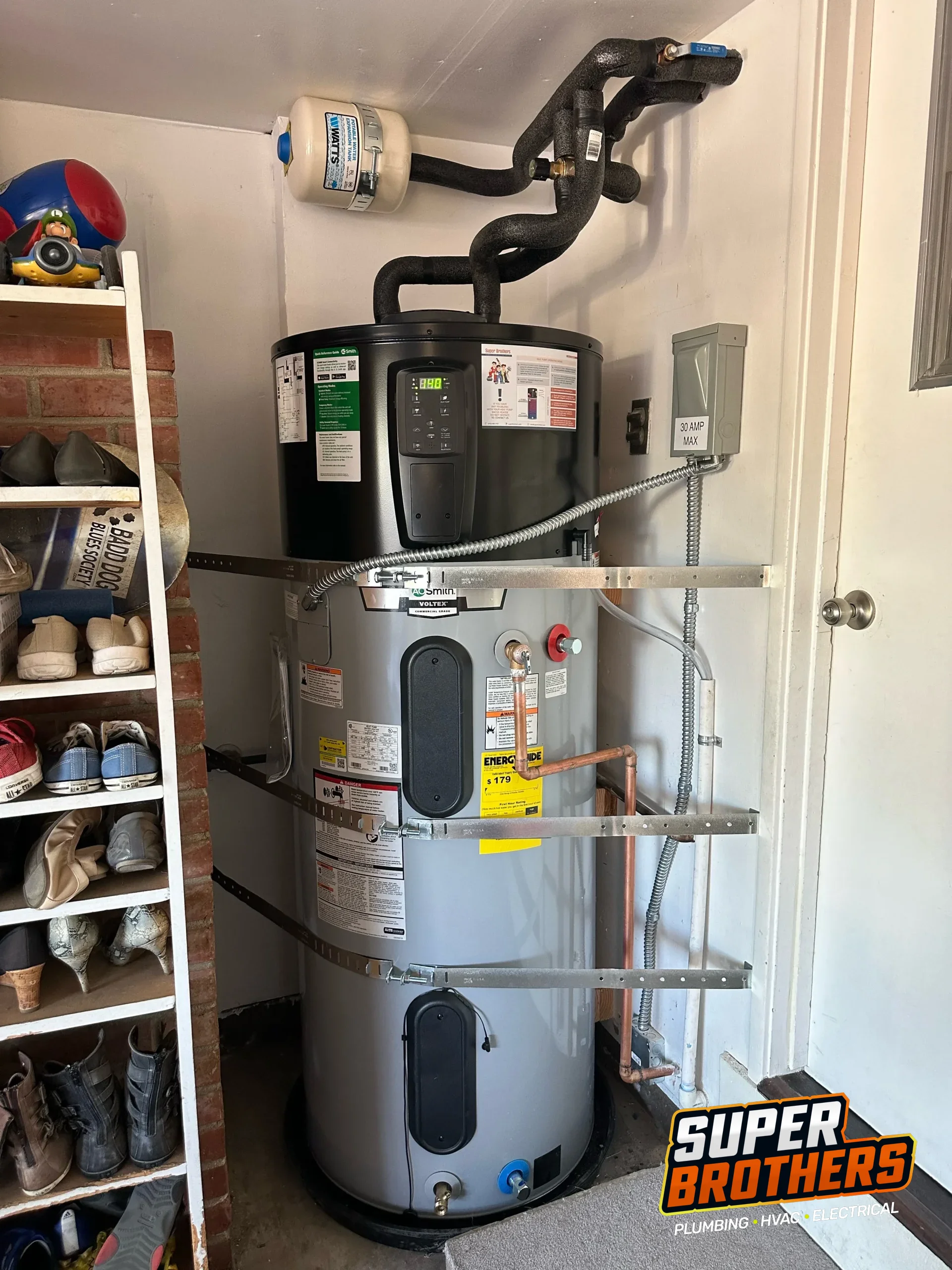
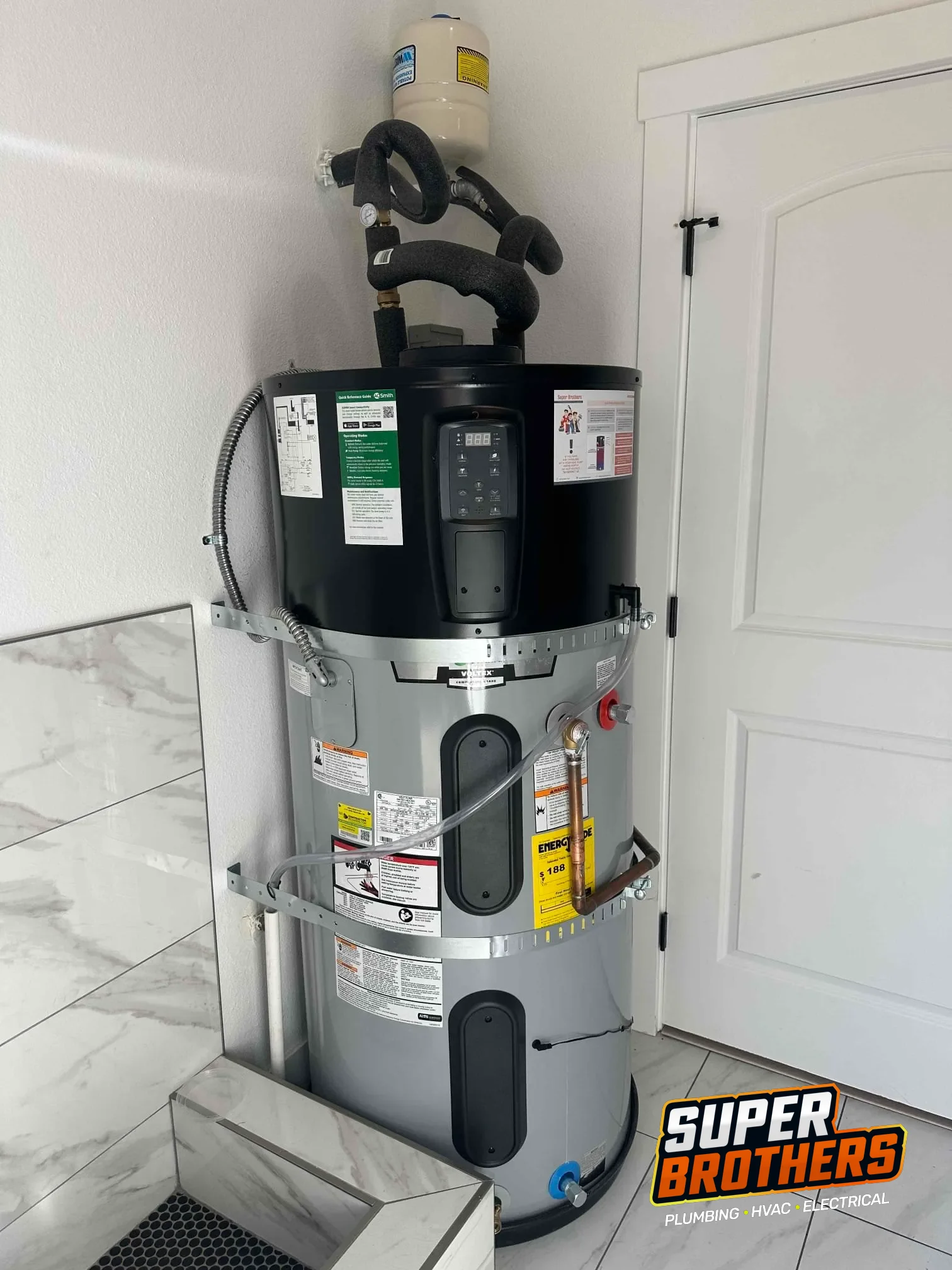
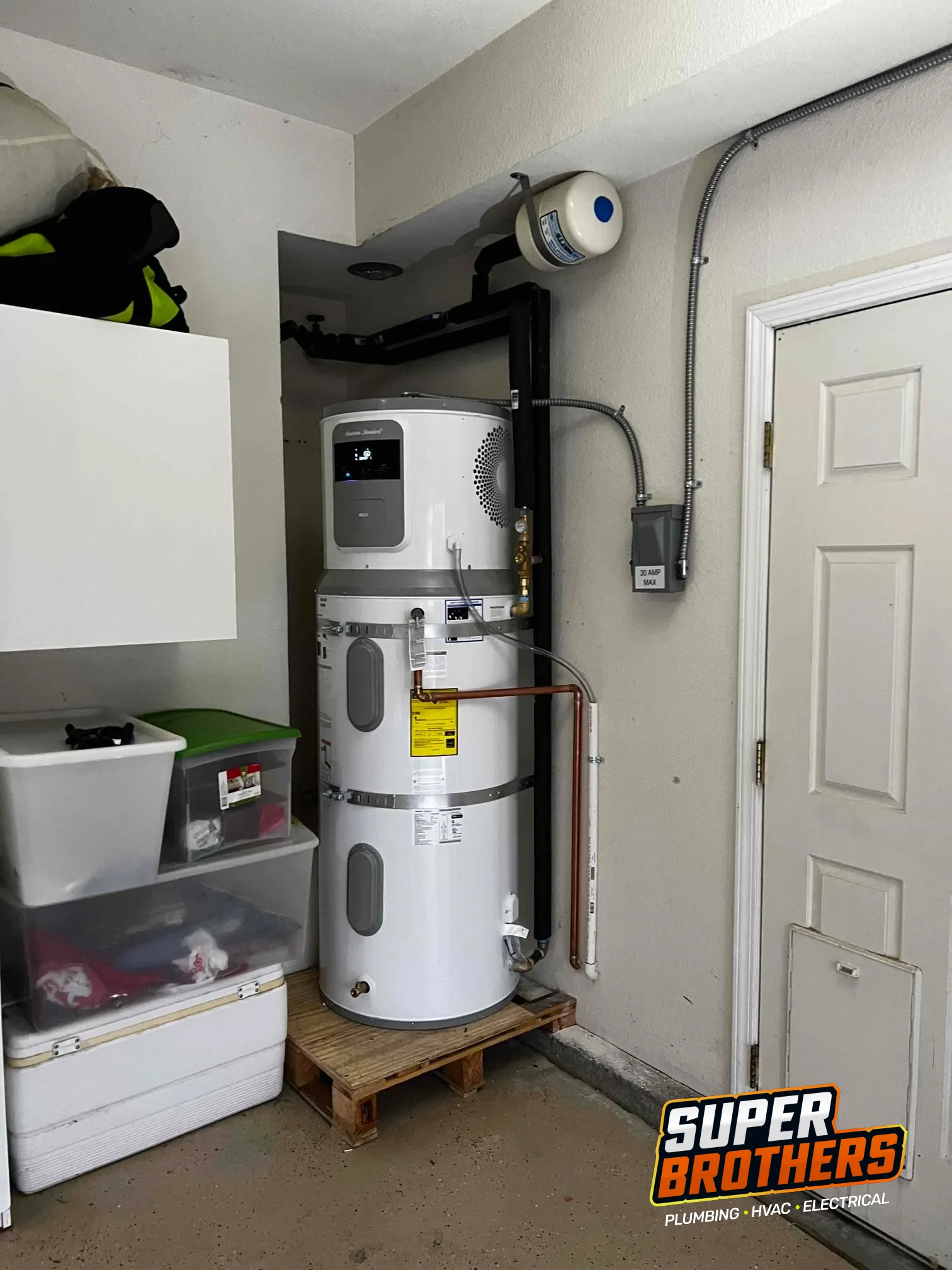
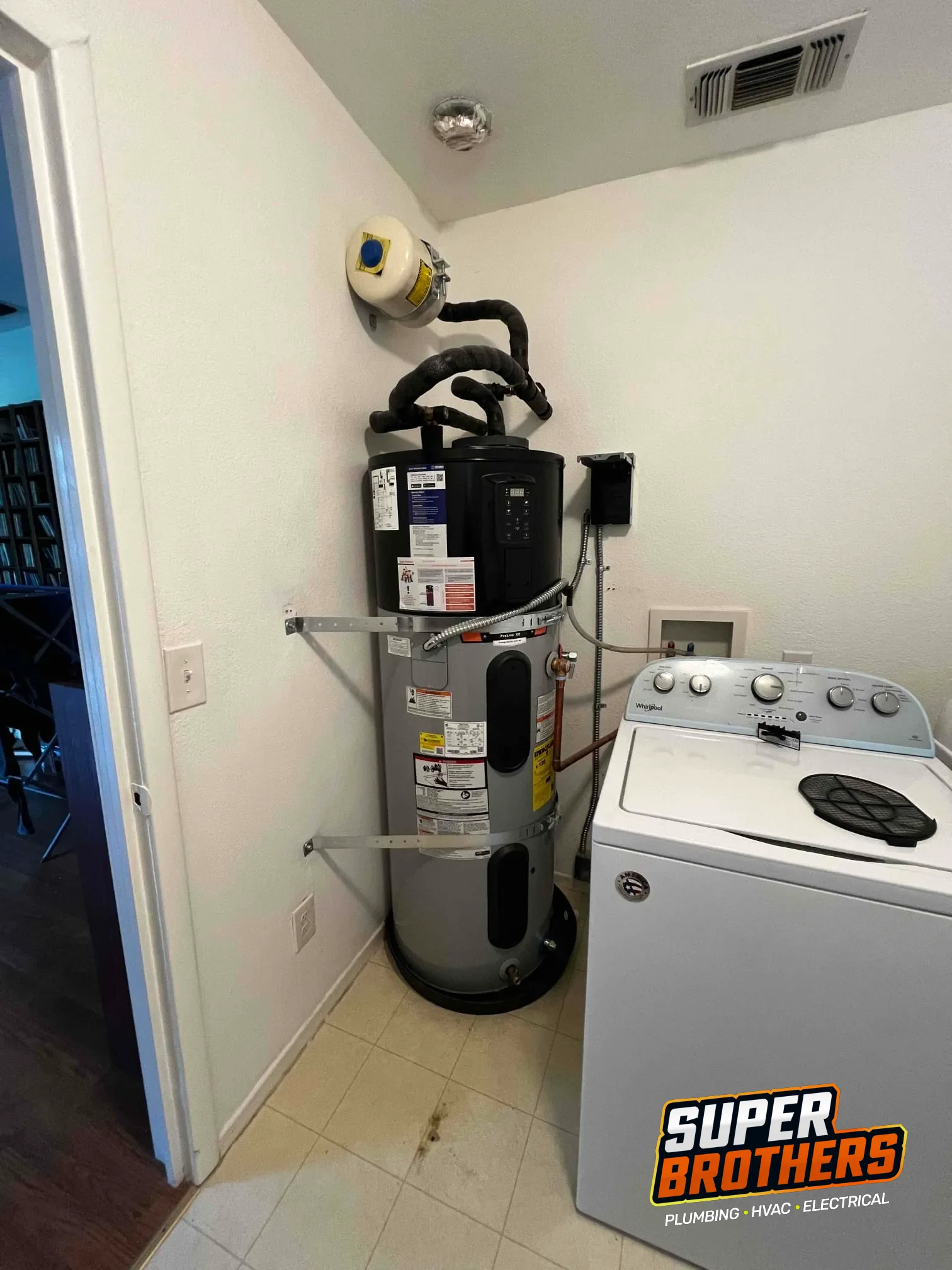
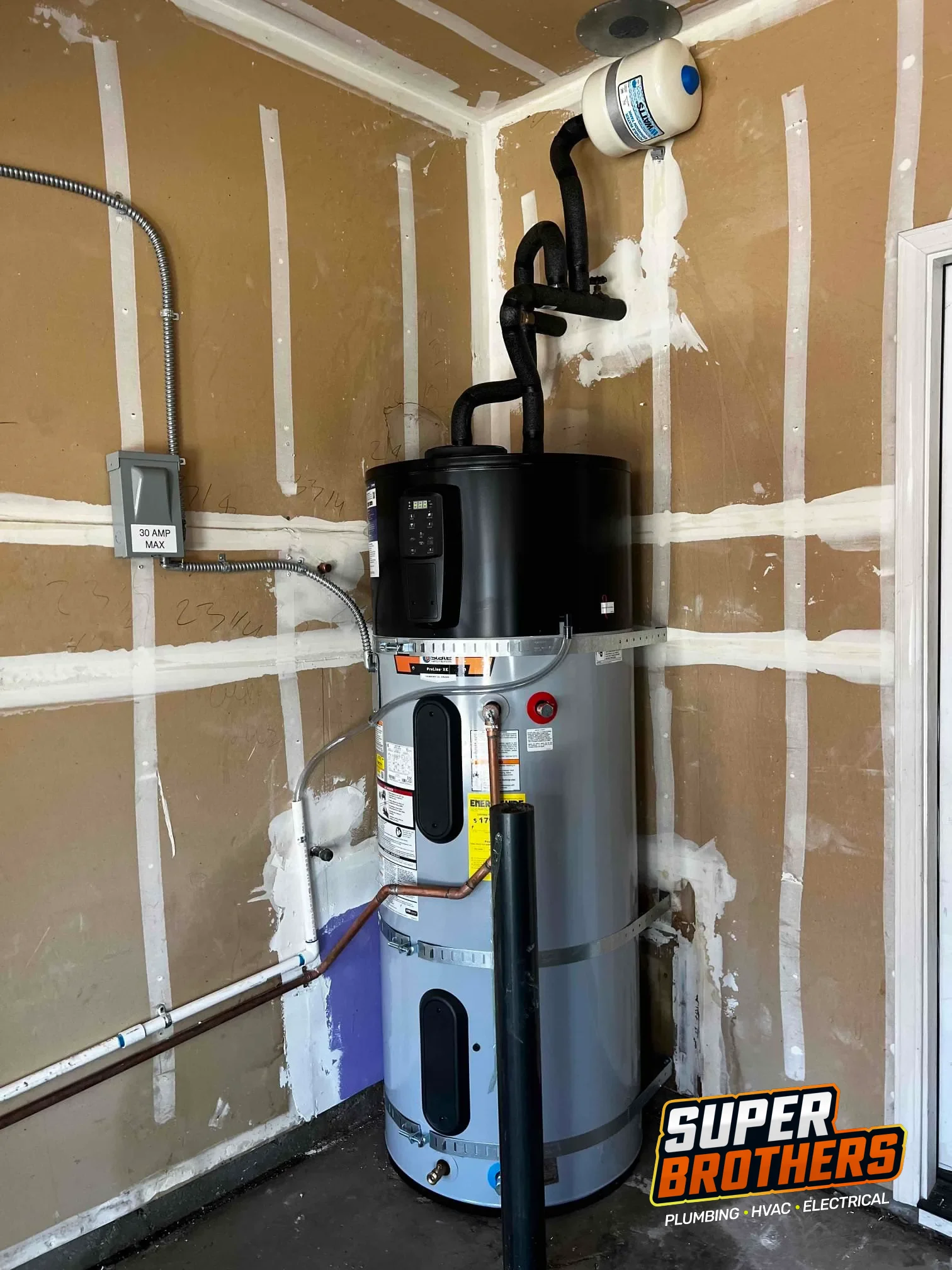
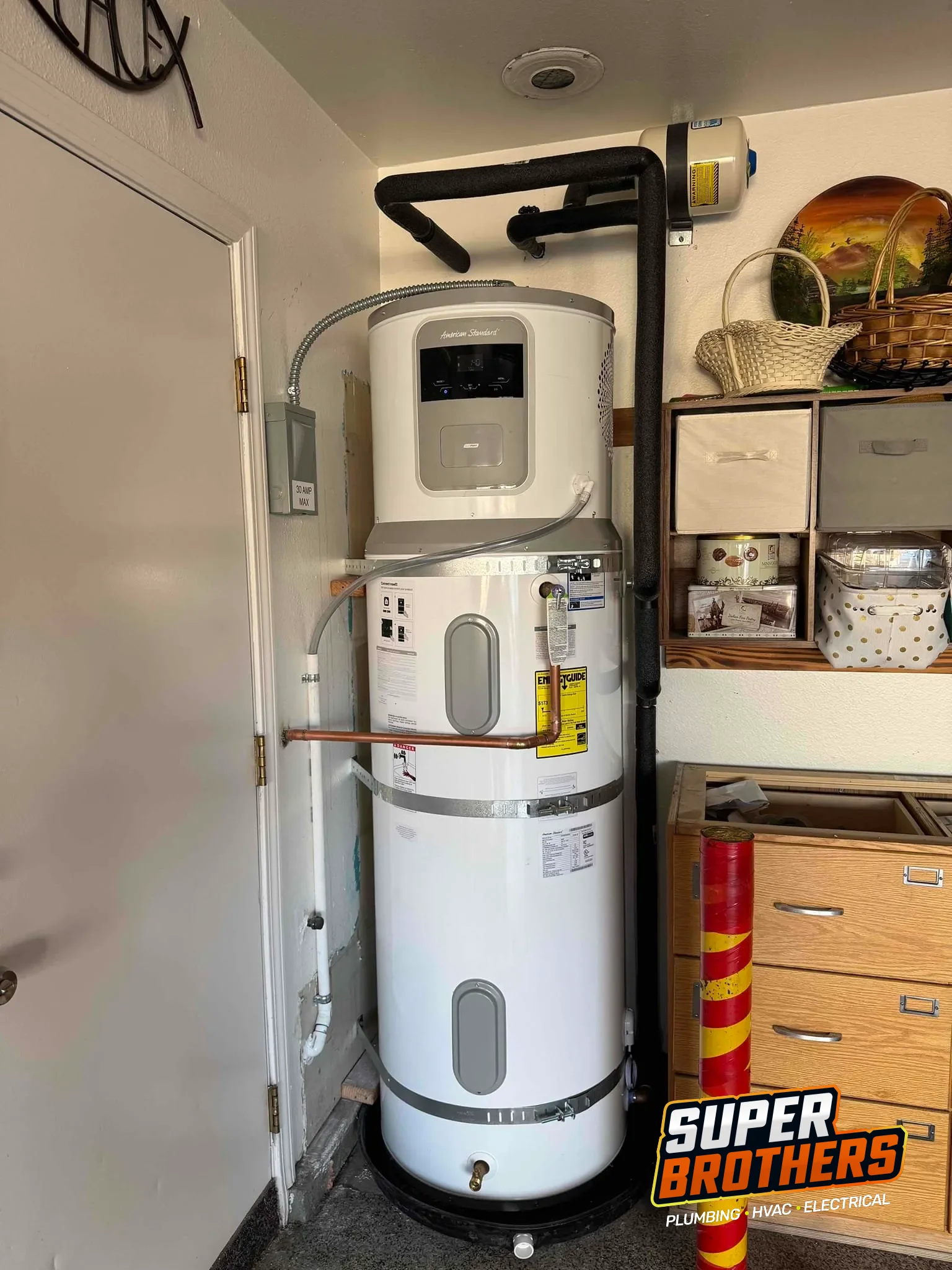
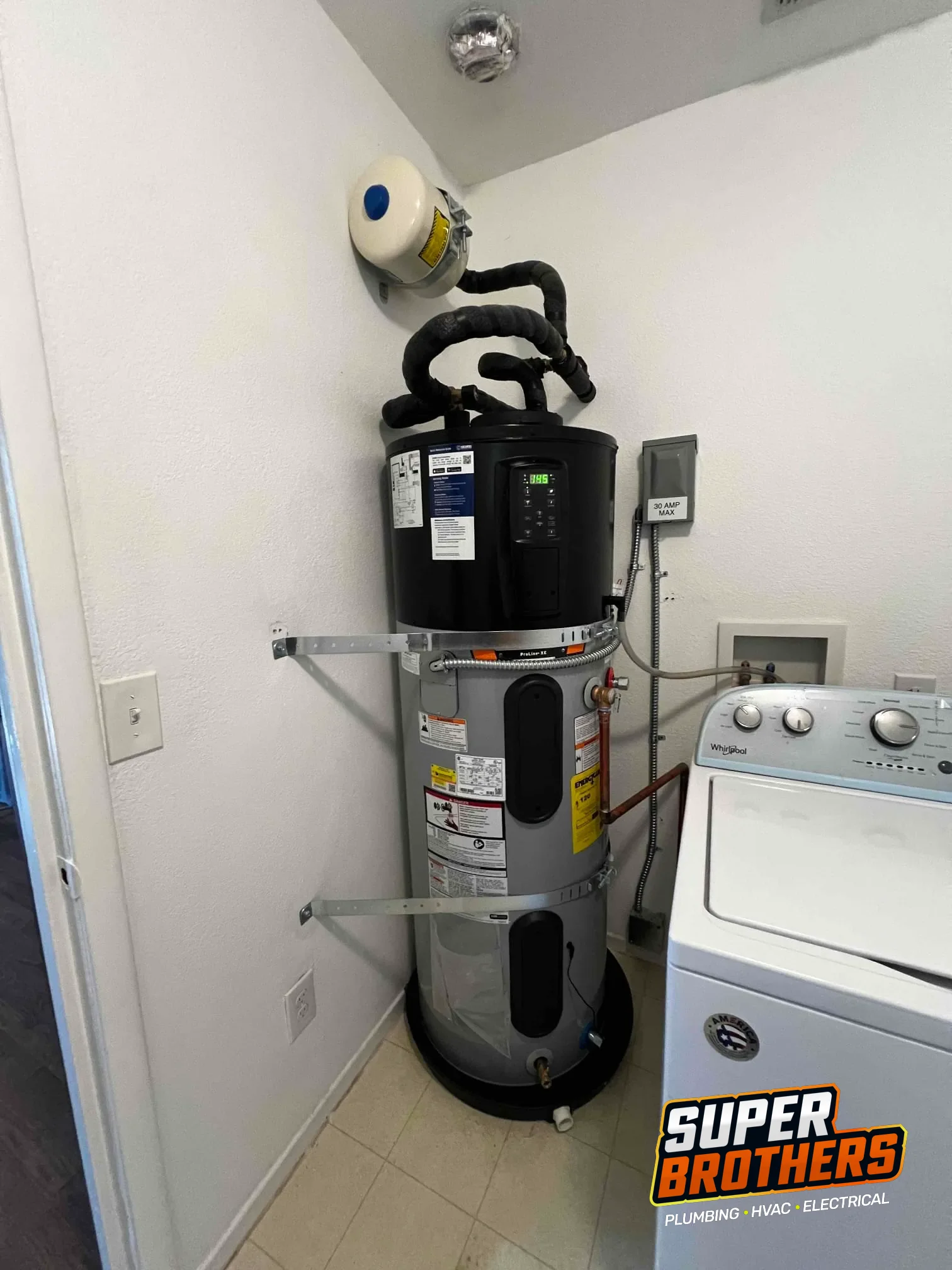
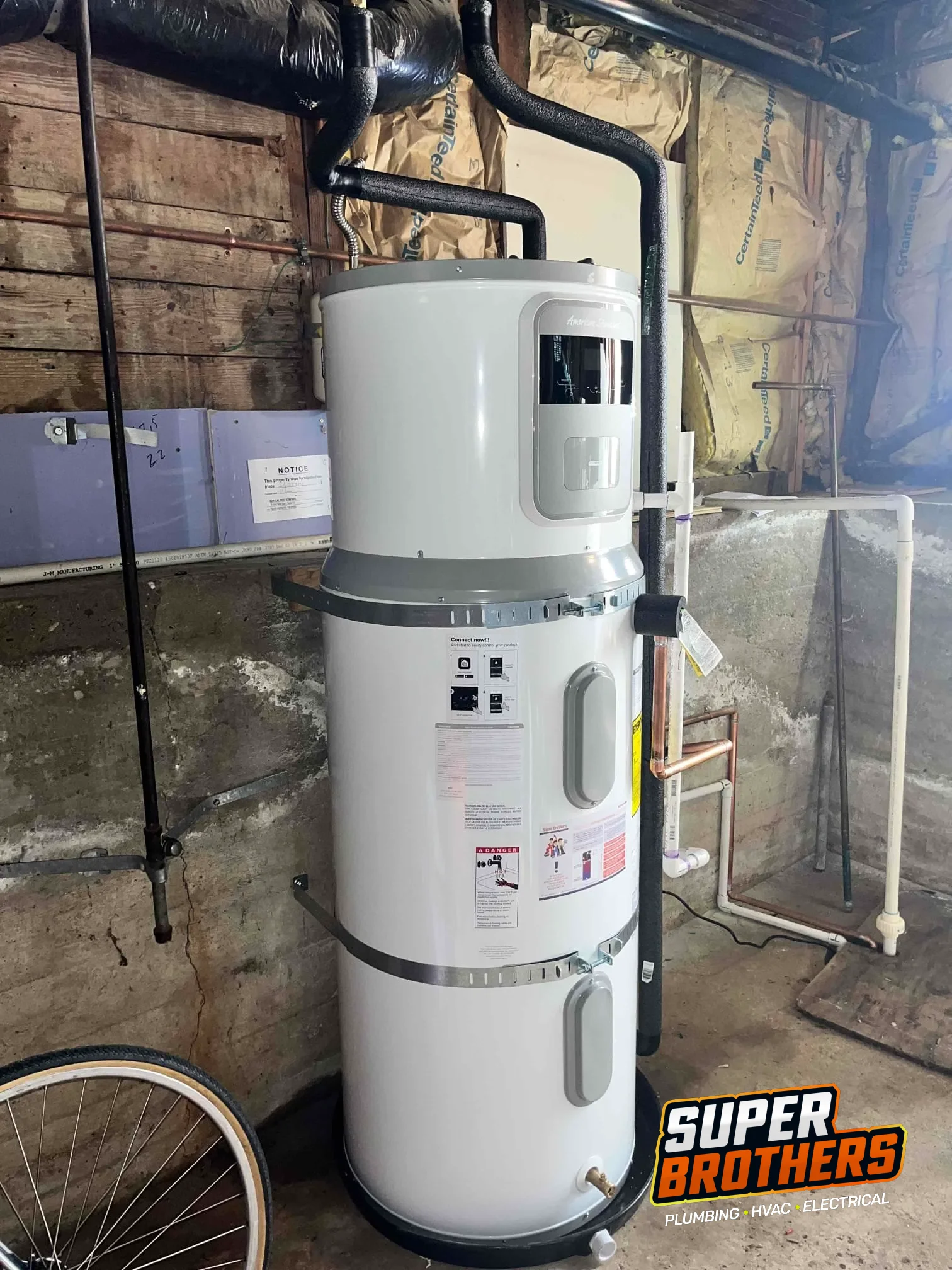
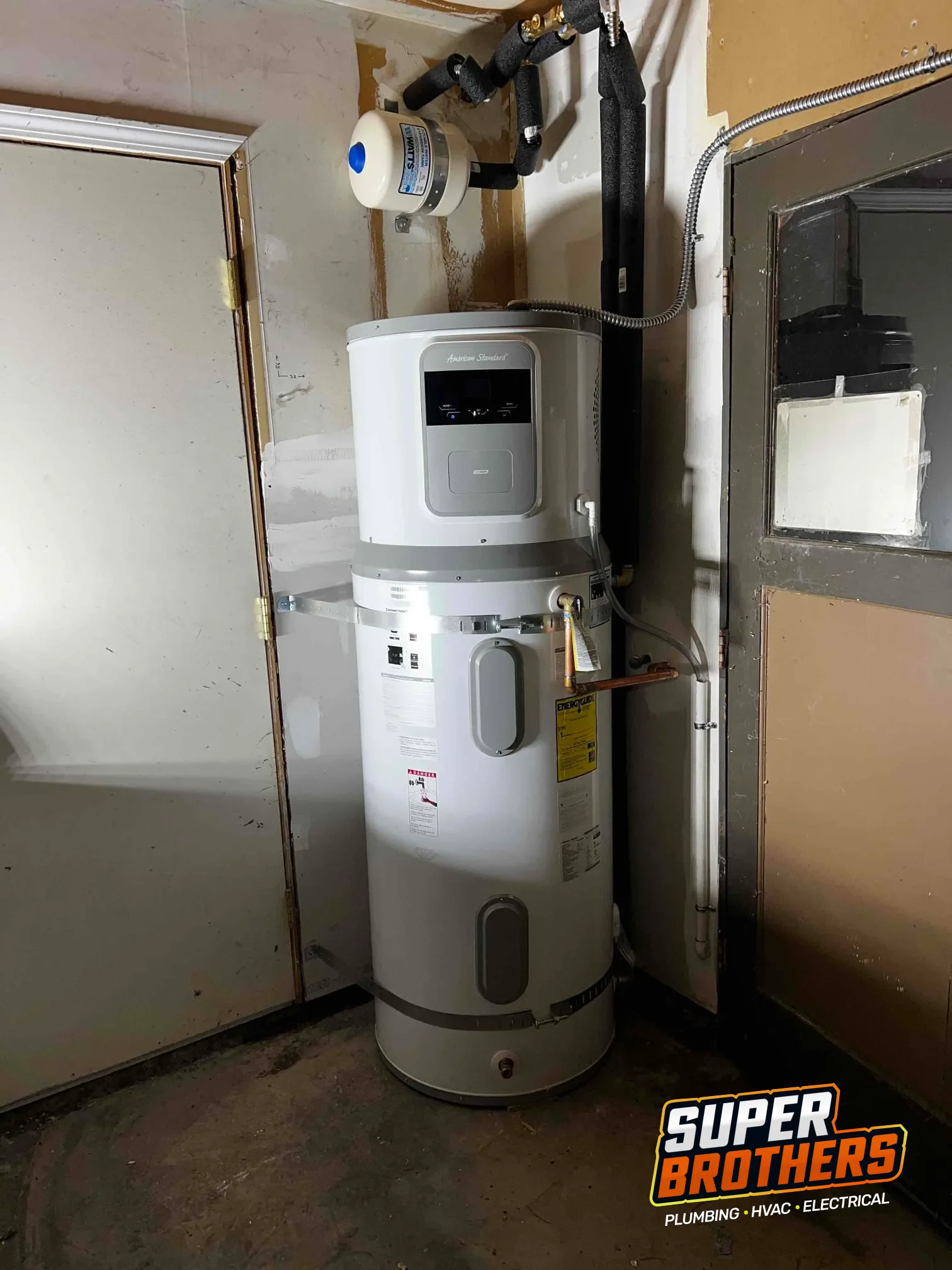
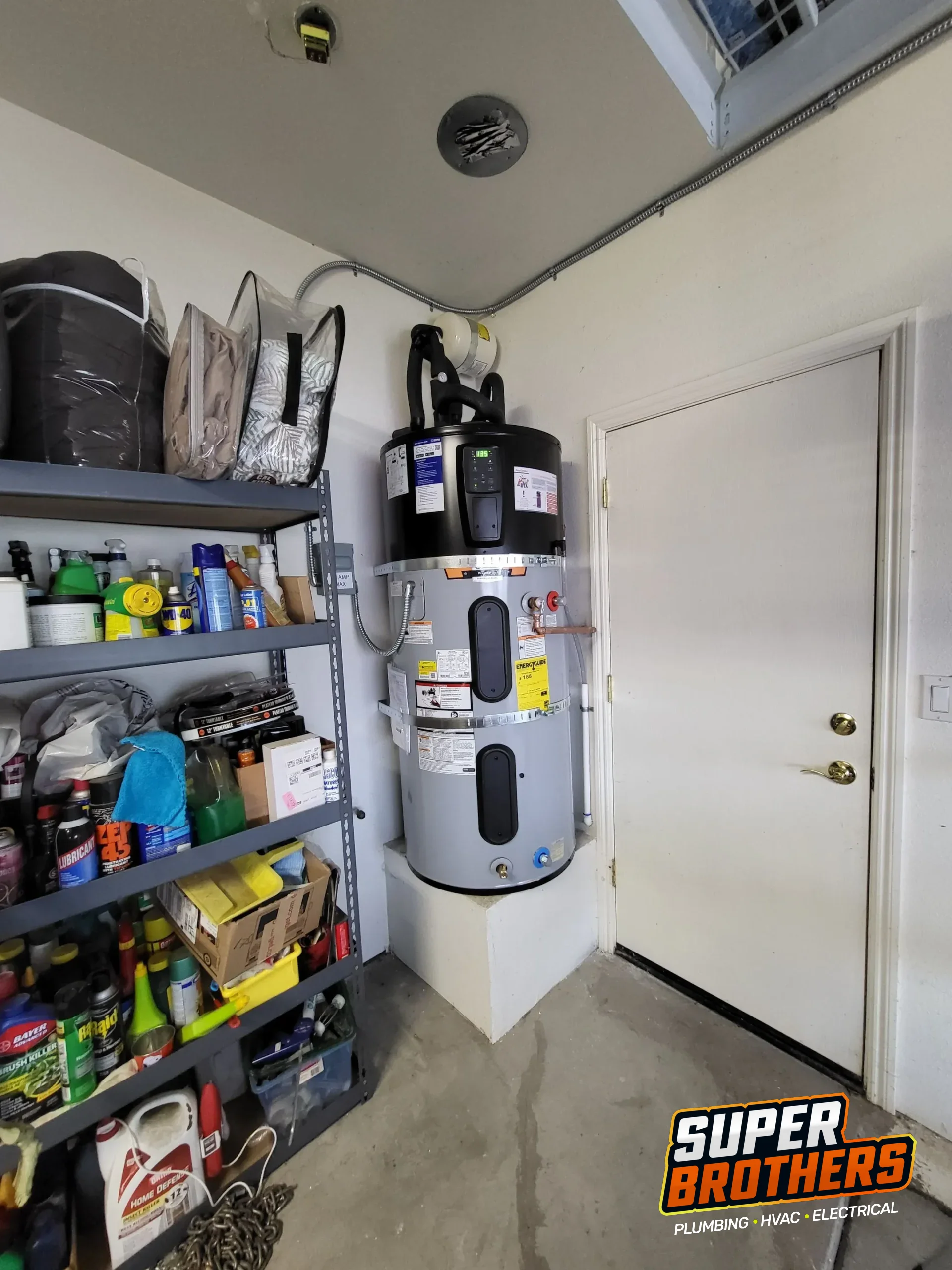
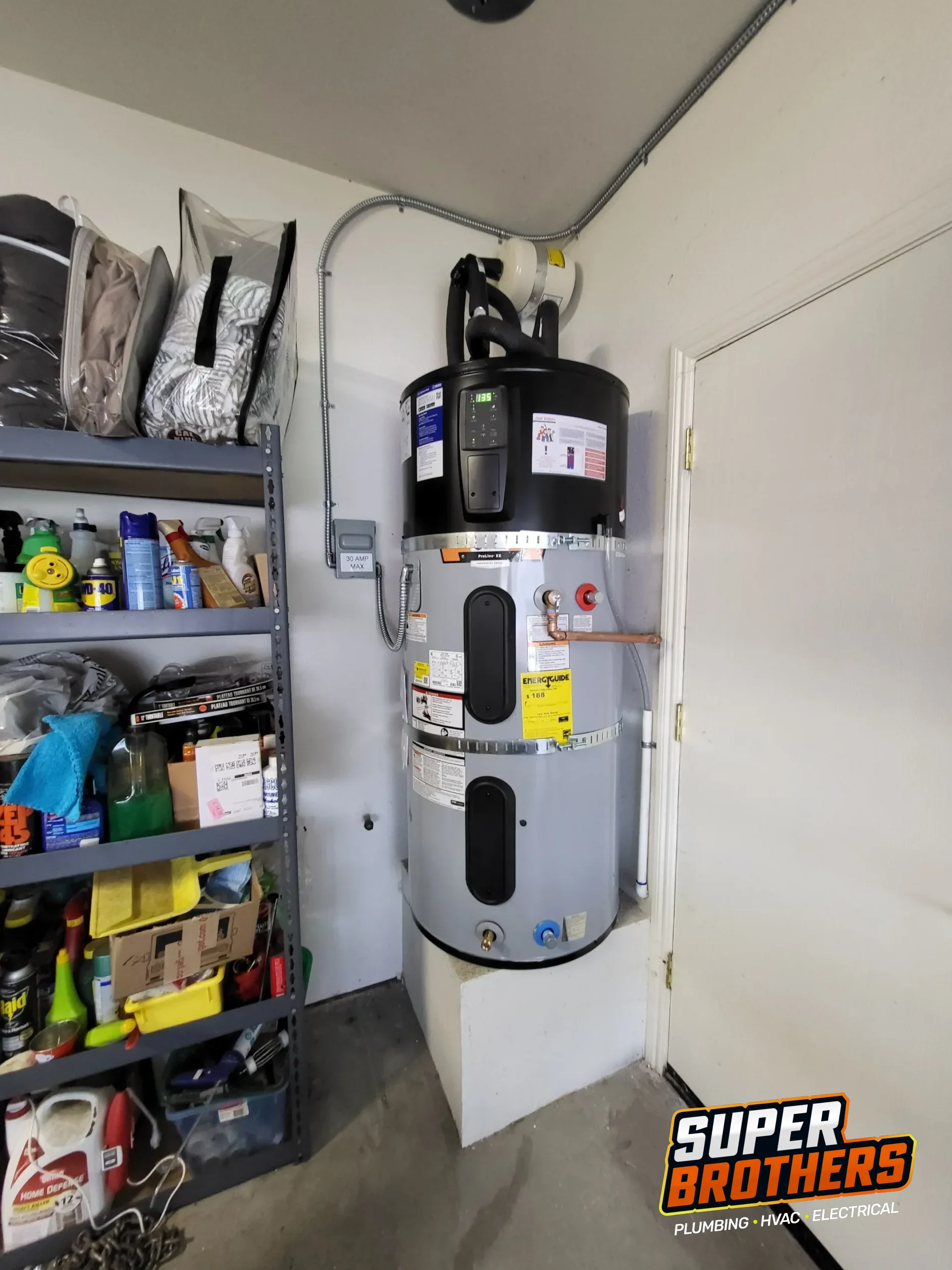
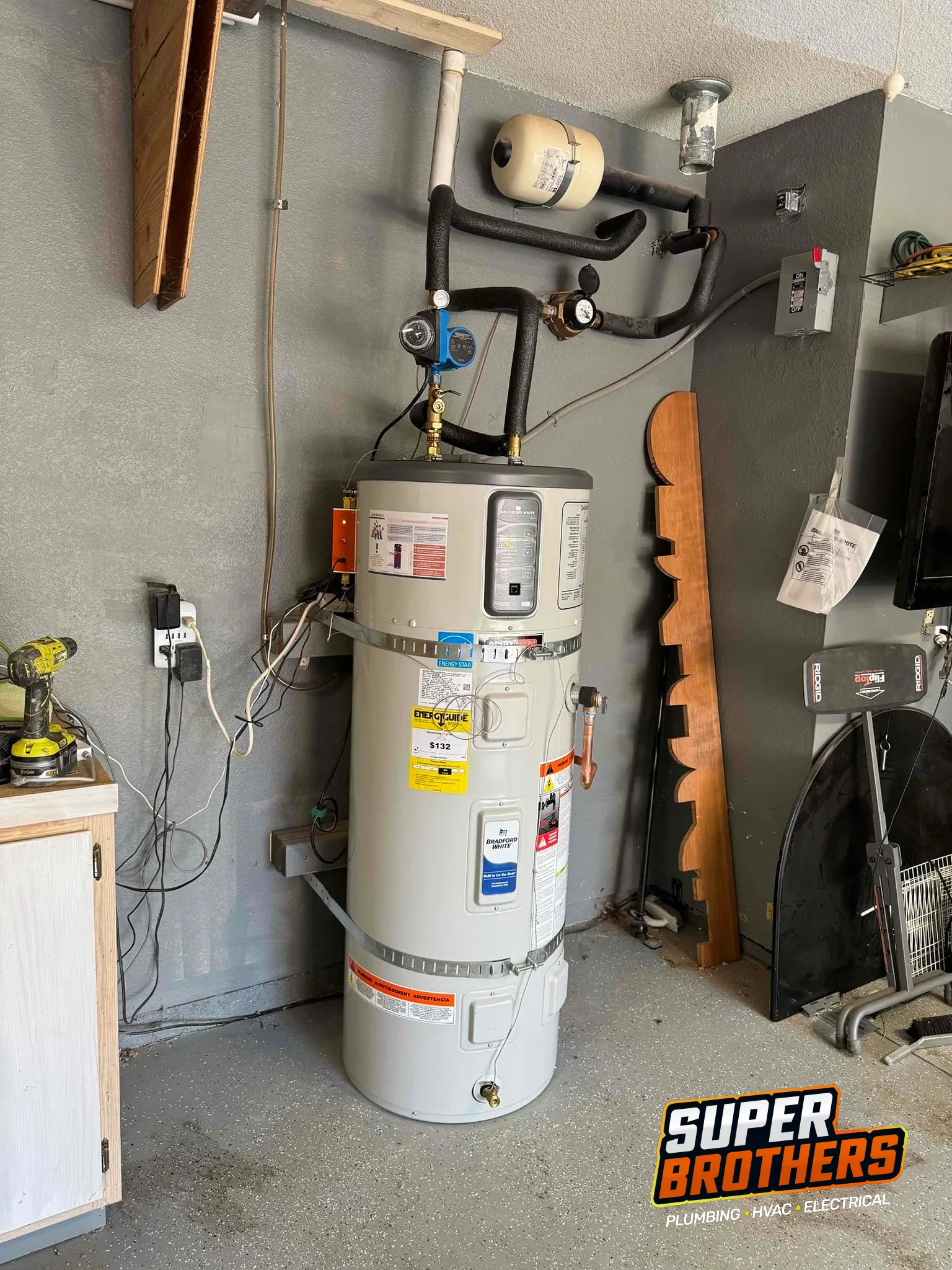
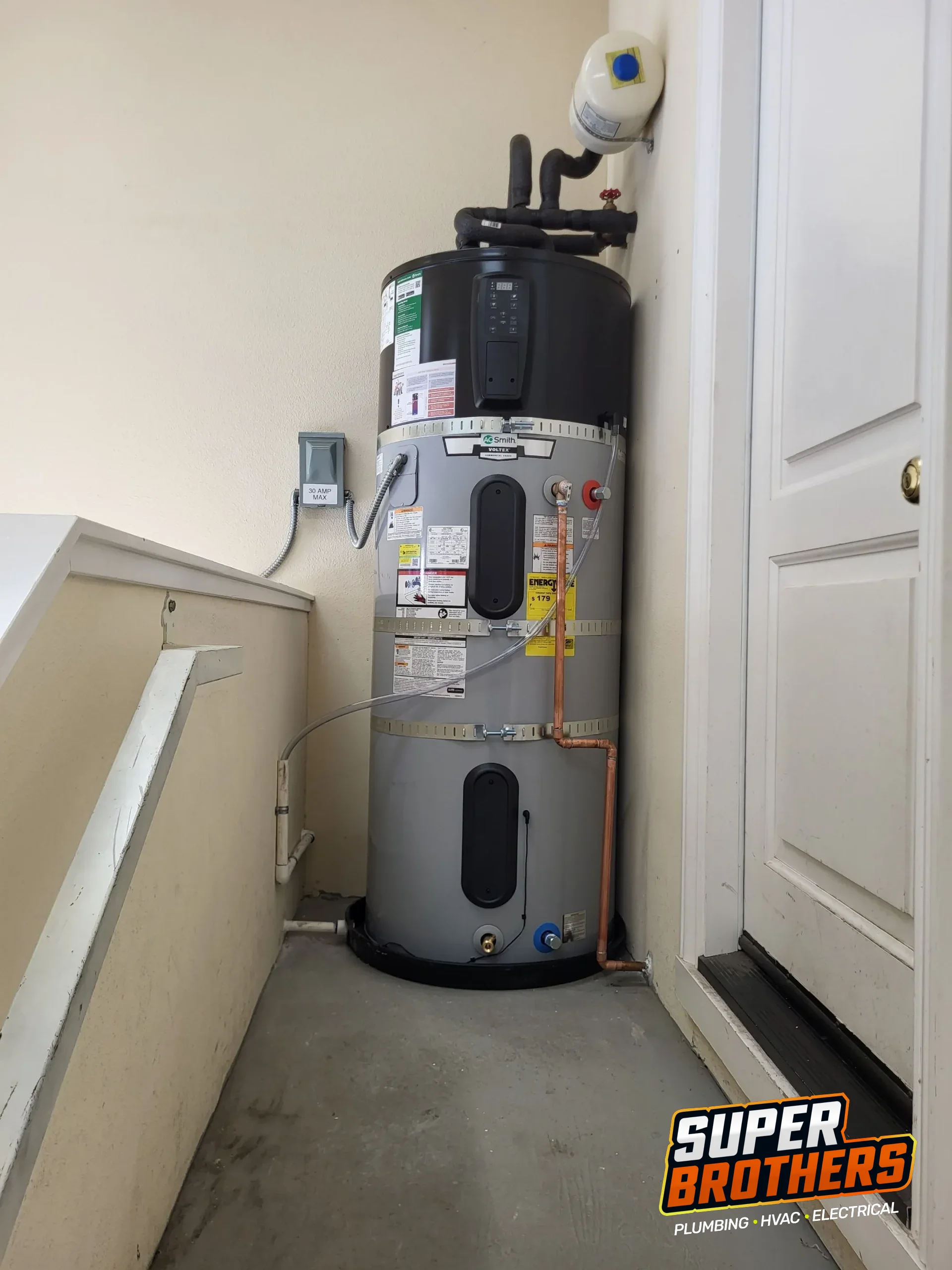
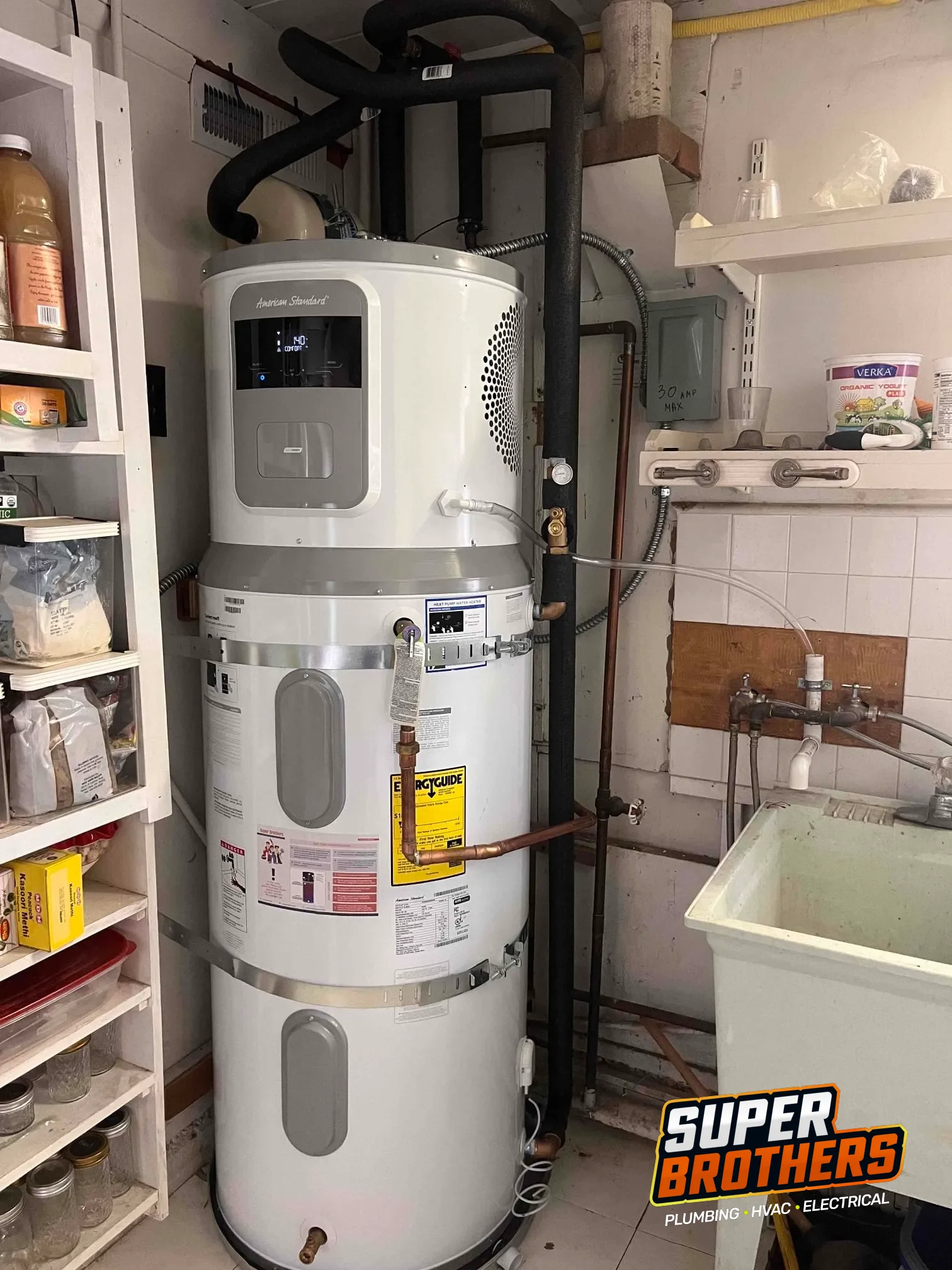
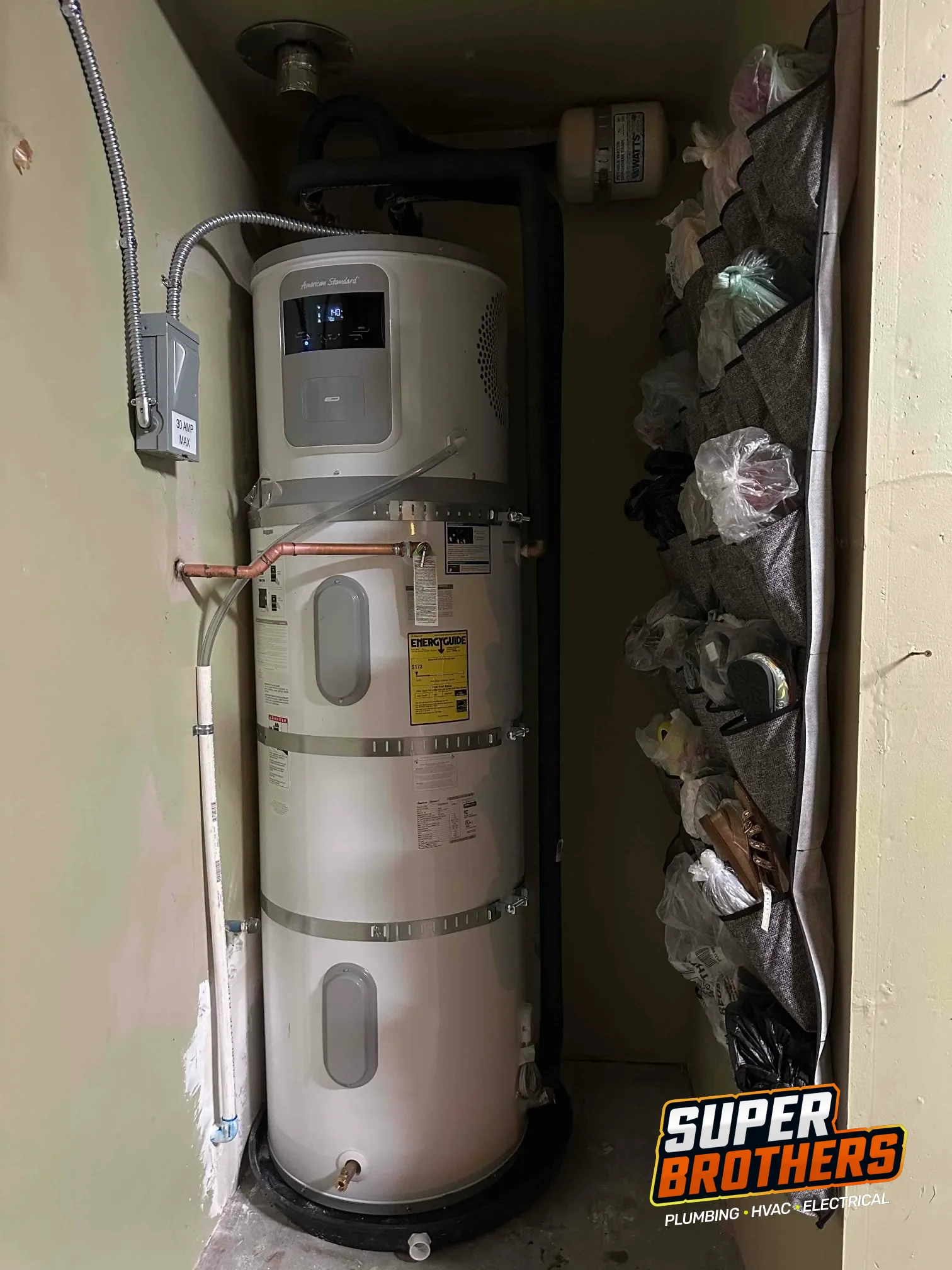
Heat Pump (Hybrid) Upgrades: Typically $3,500 – $6,500. These are incredibly energy-efficient and often qualify for massive tax credits and local rebates, which can bring your actual out-of-pocket cost way down.
-
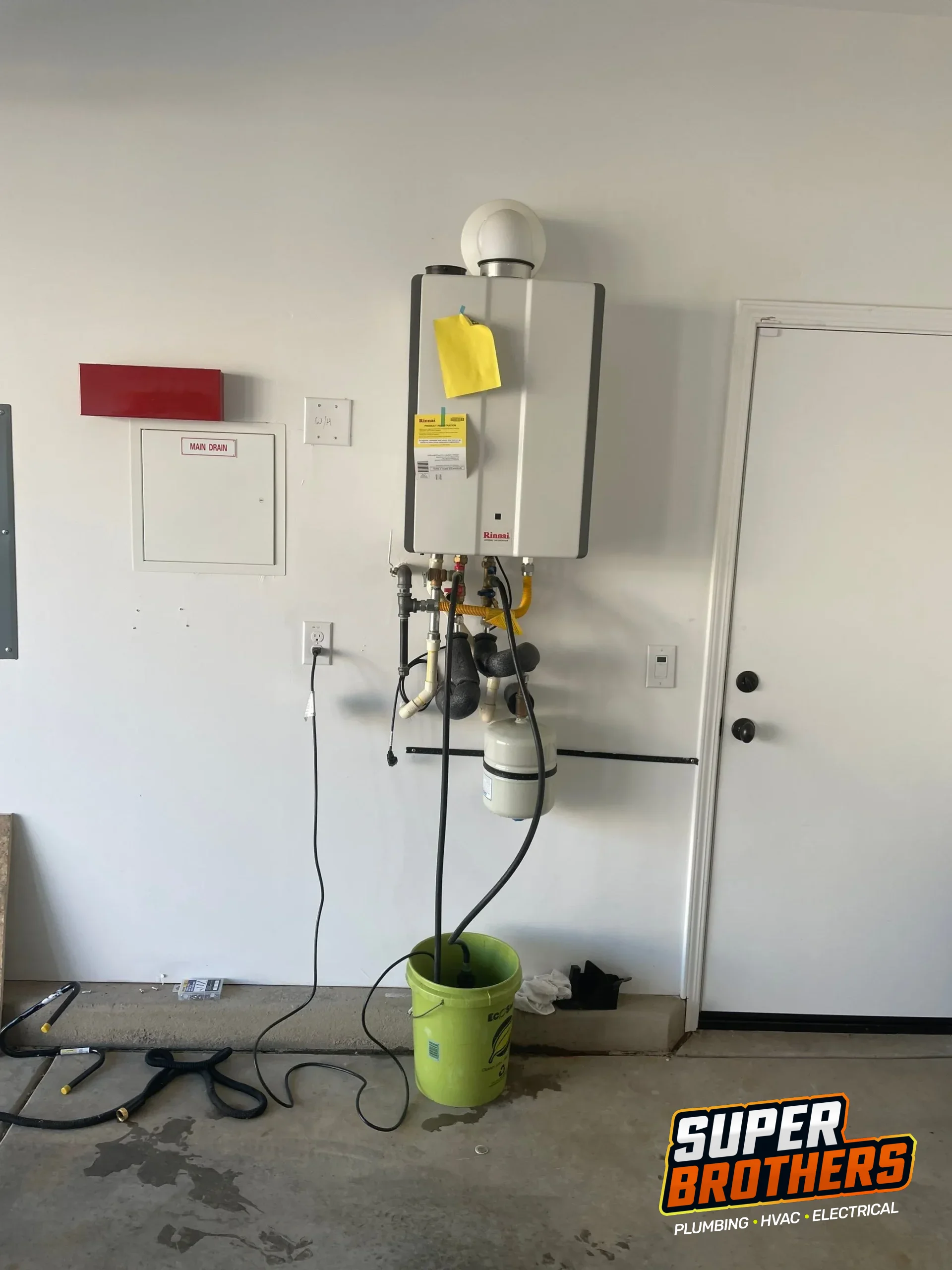
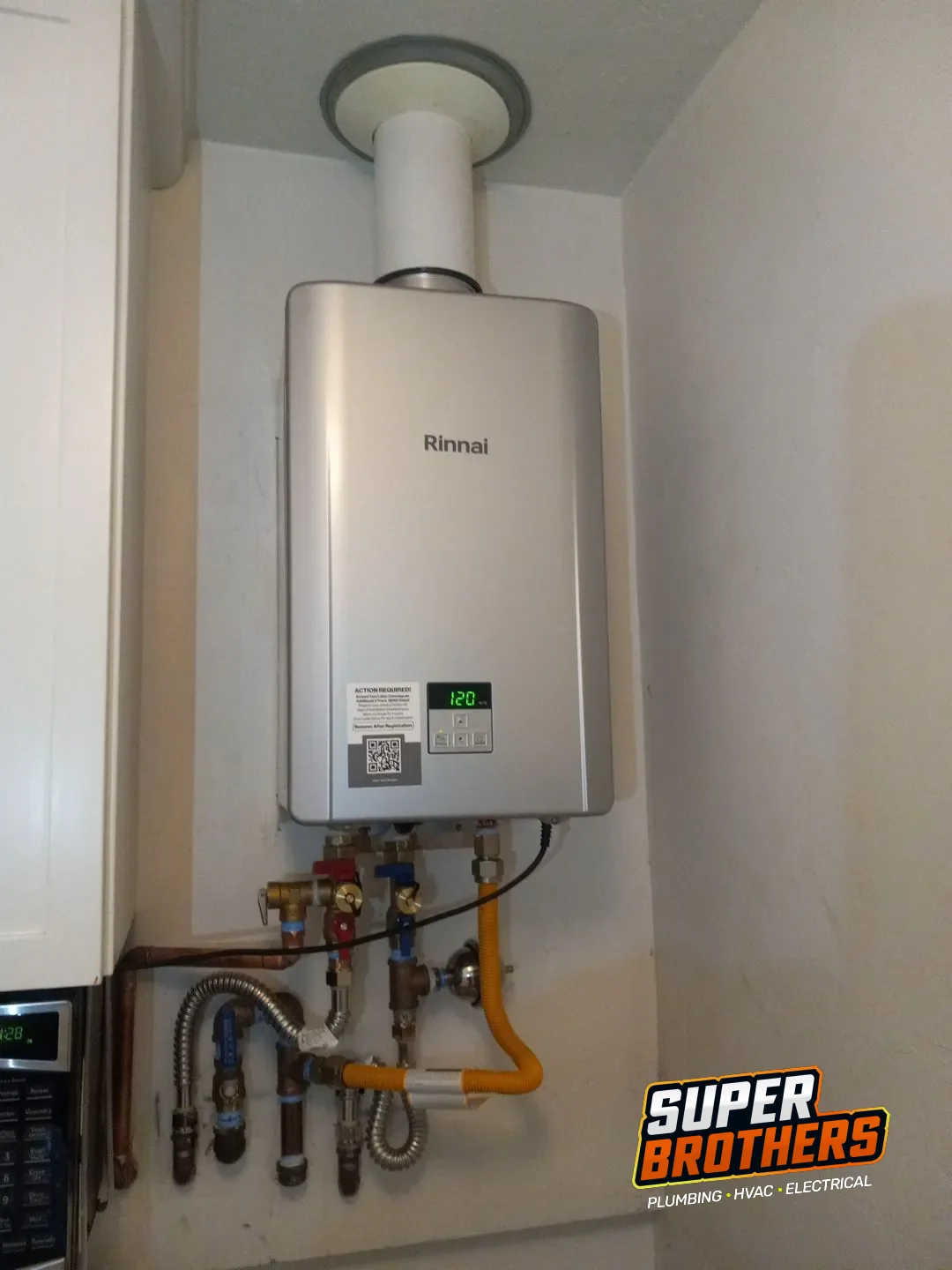
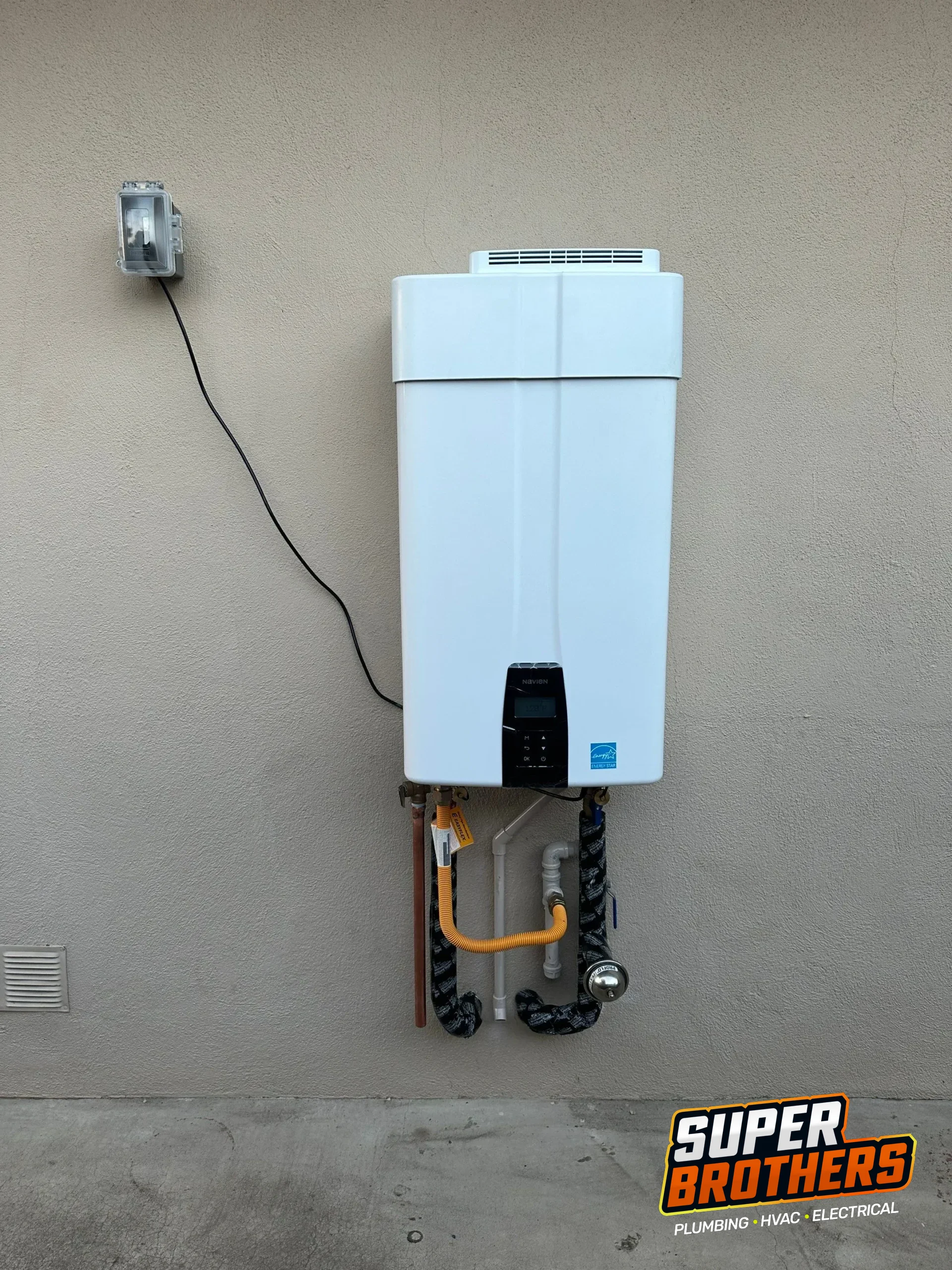
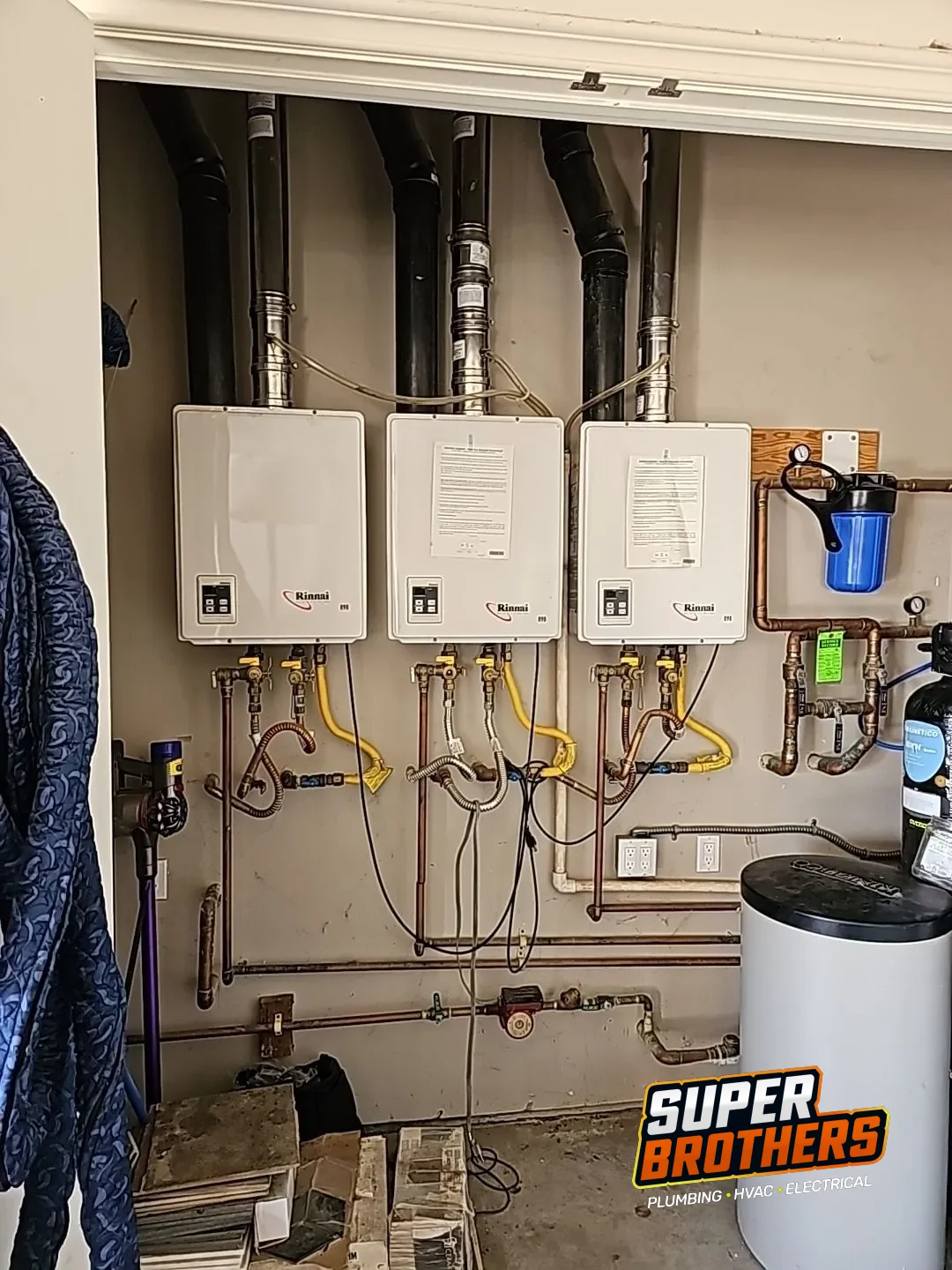
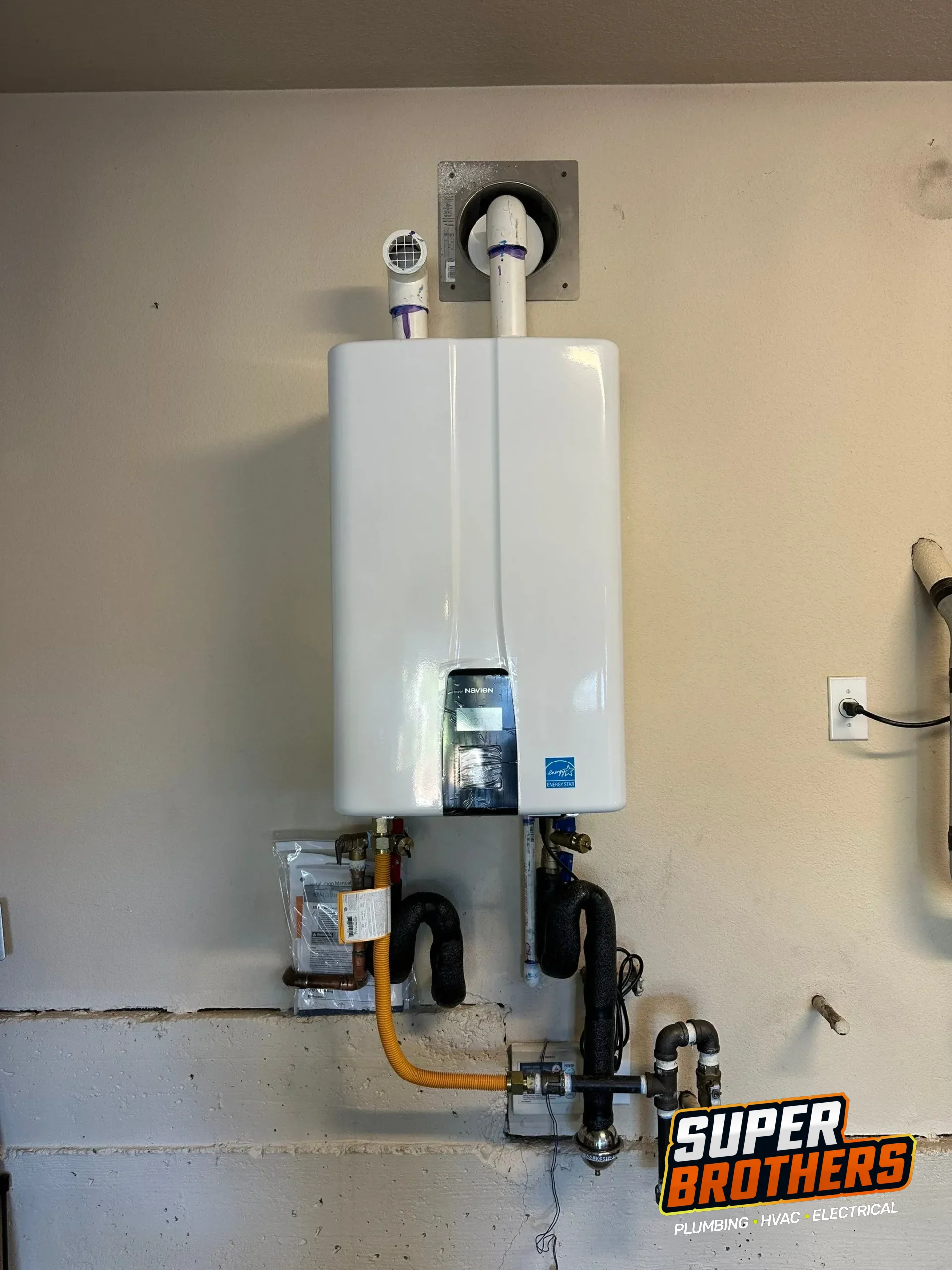
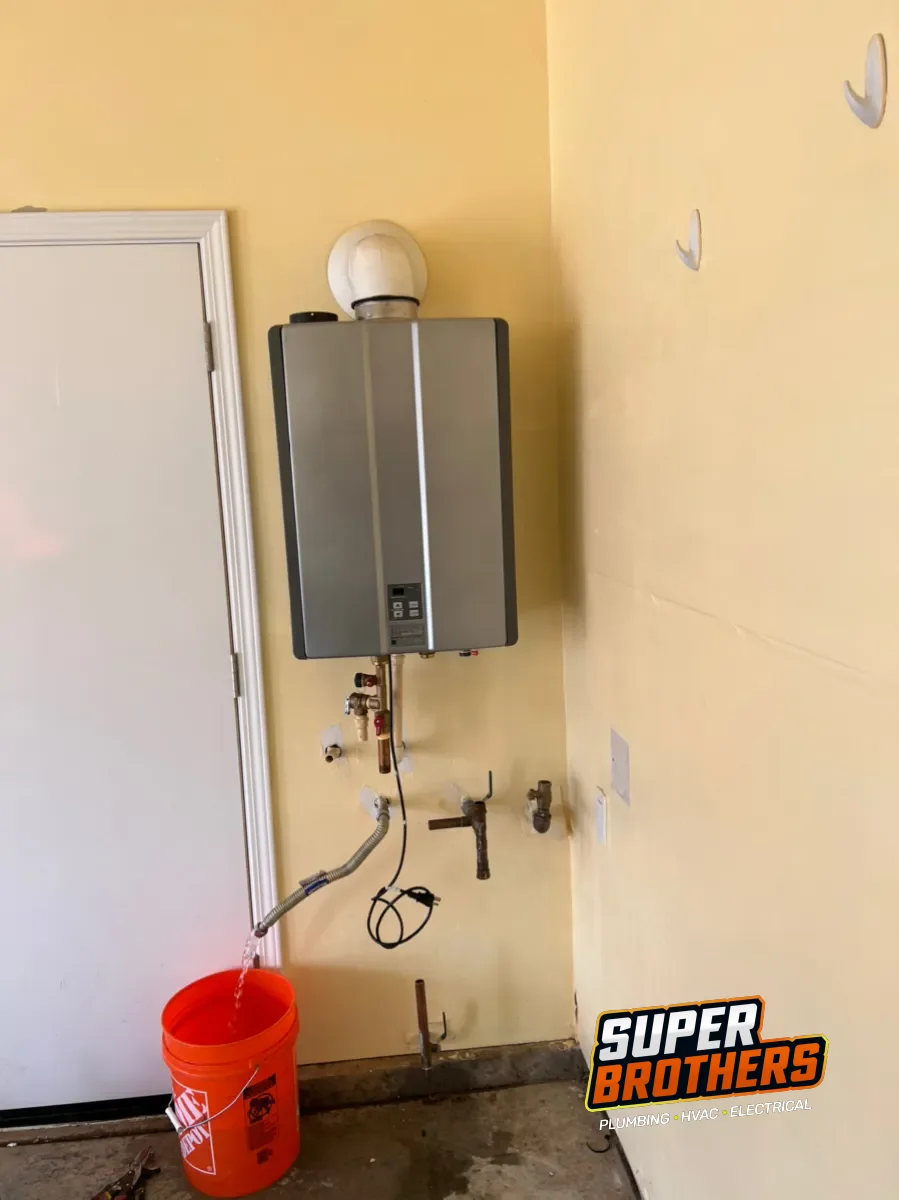
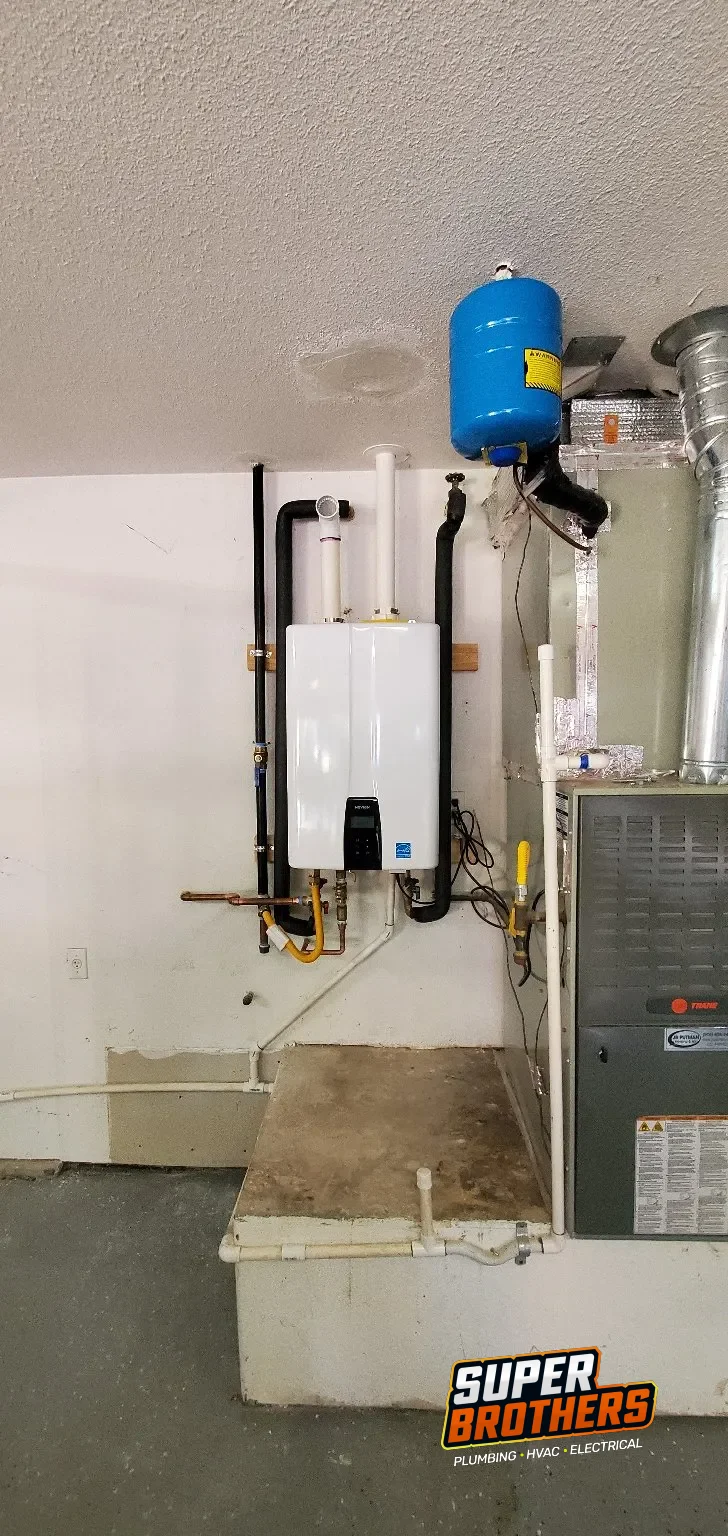
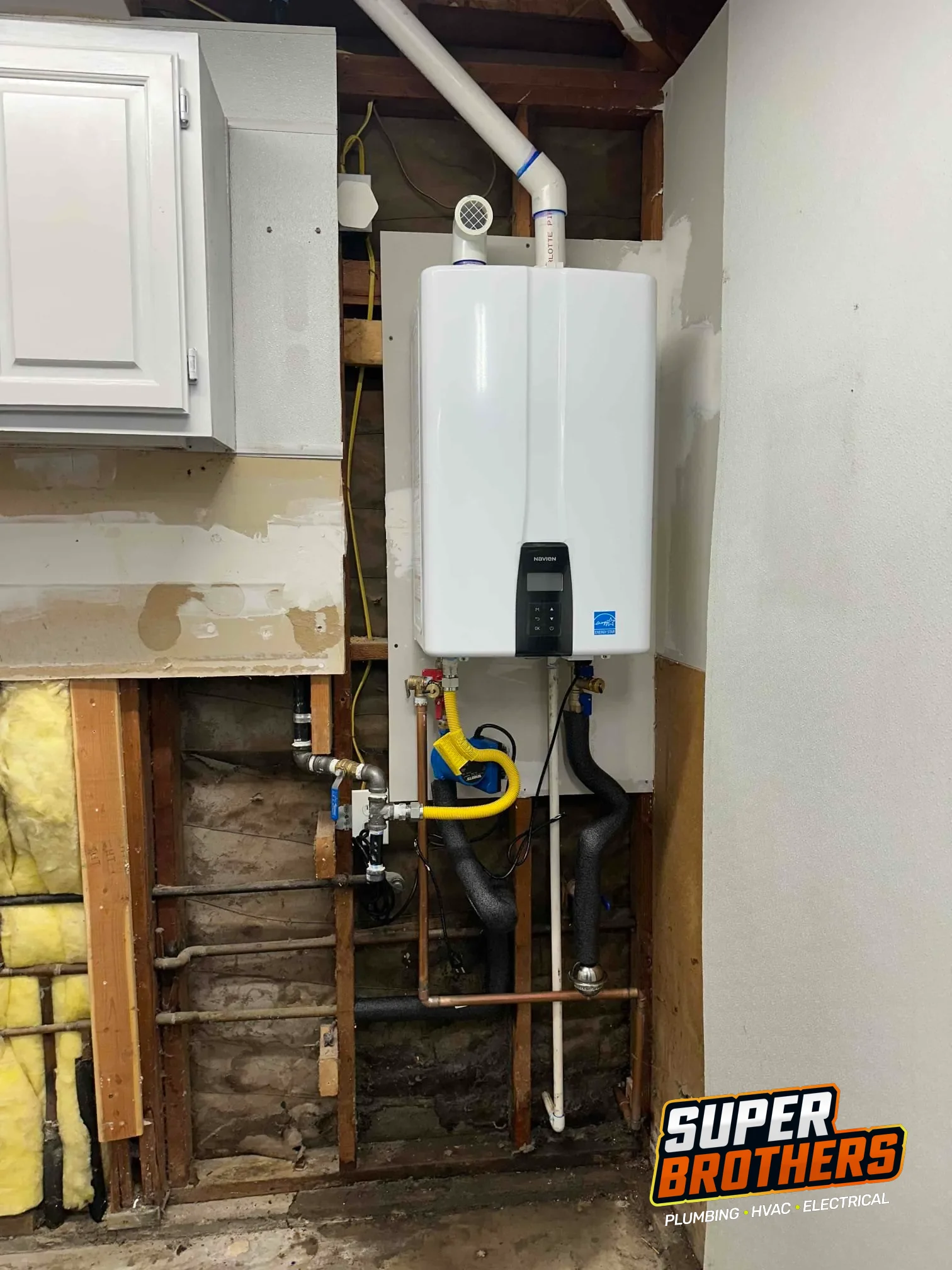
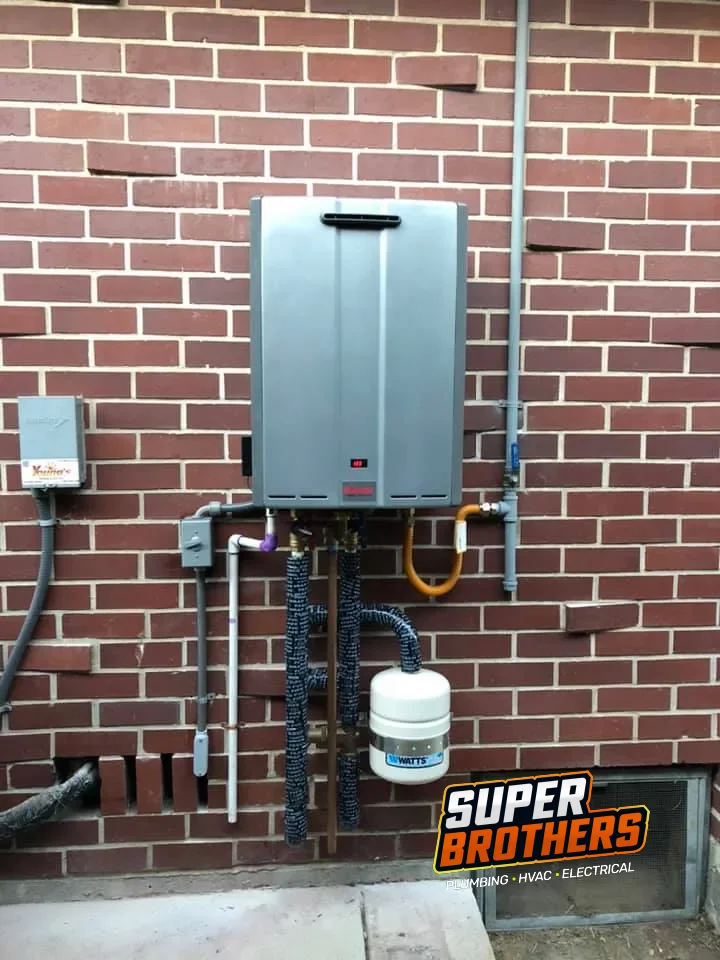
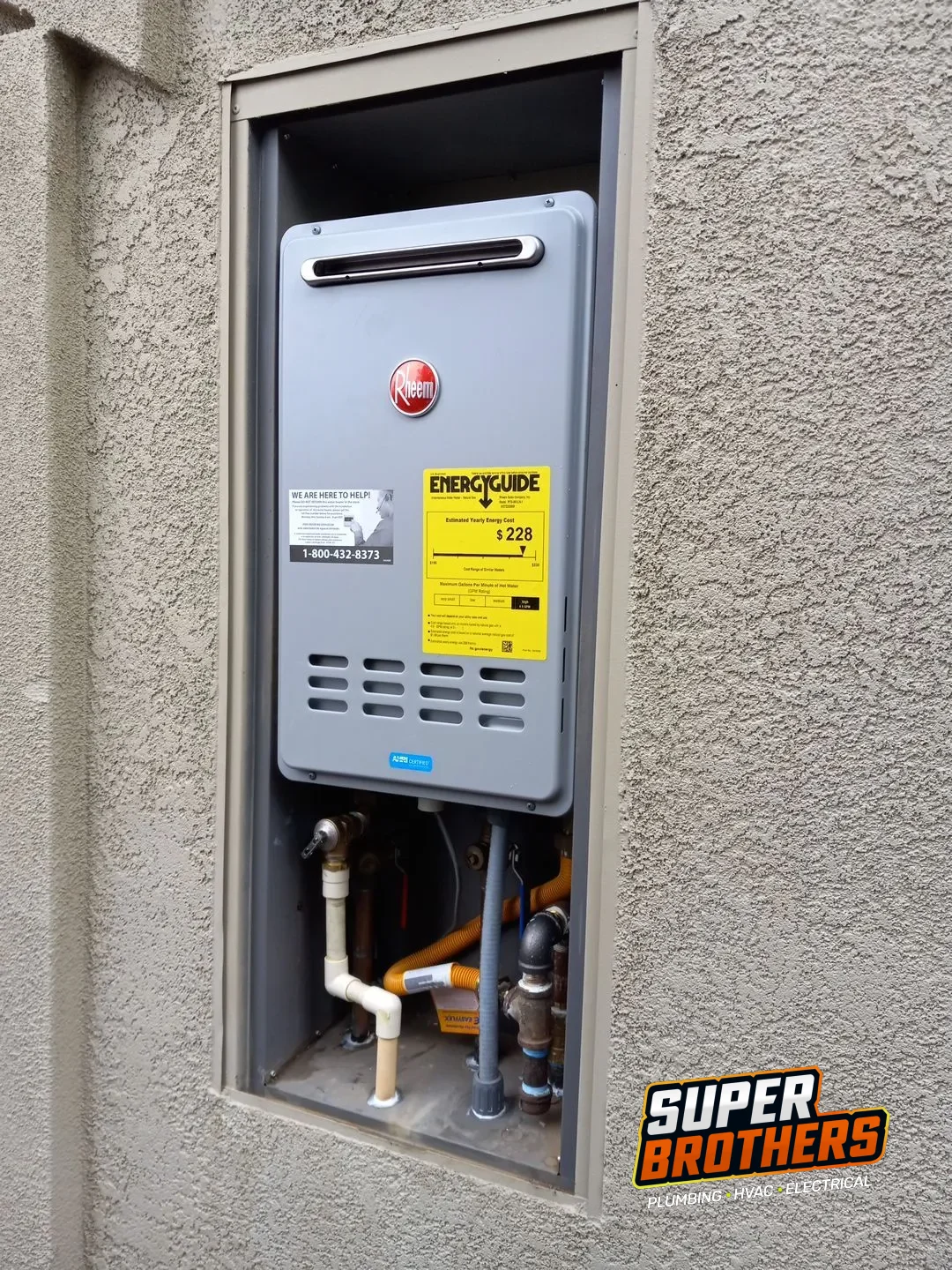
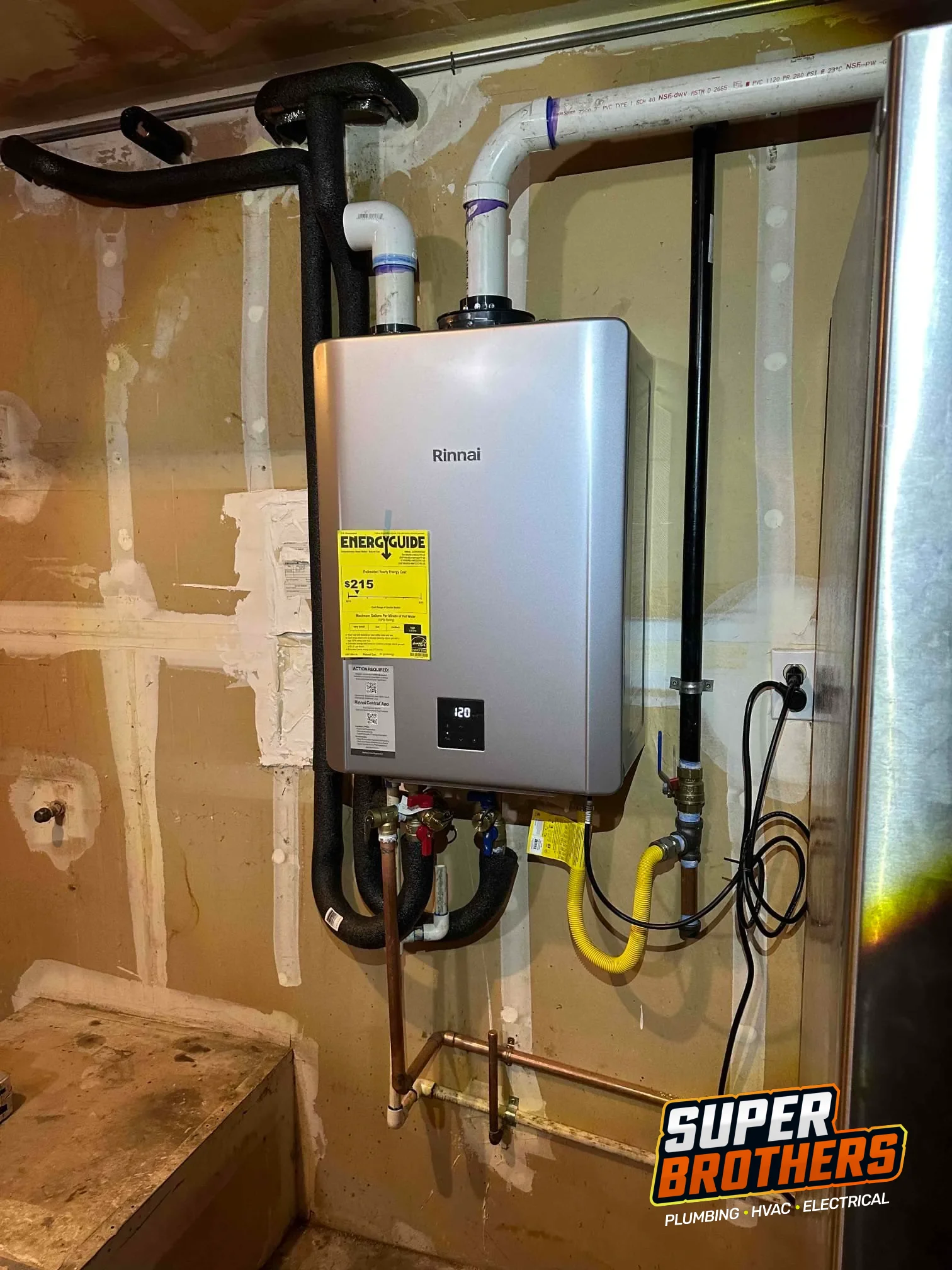
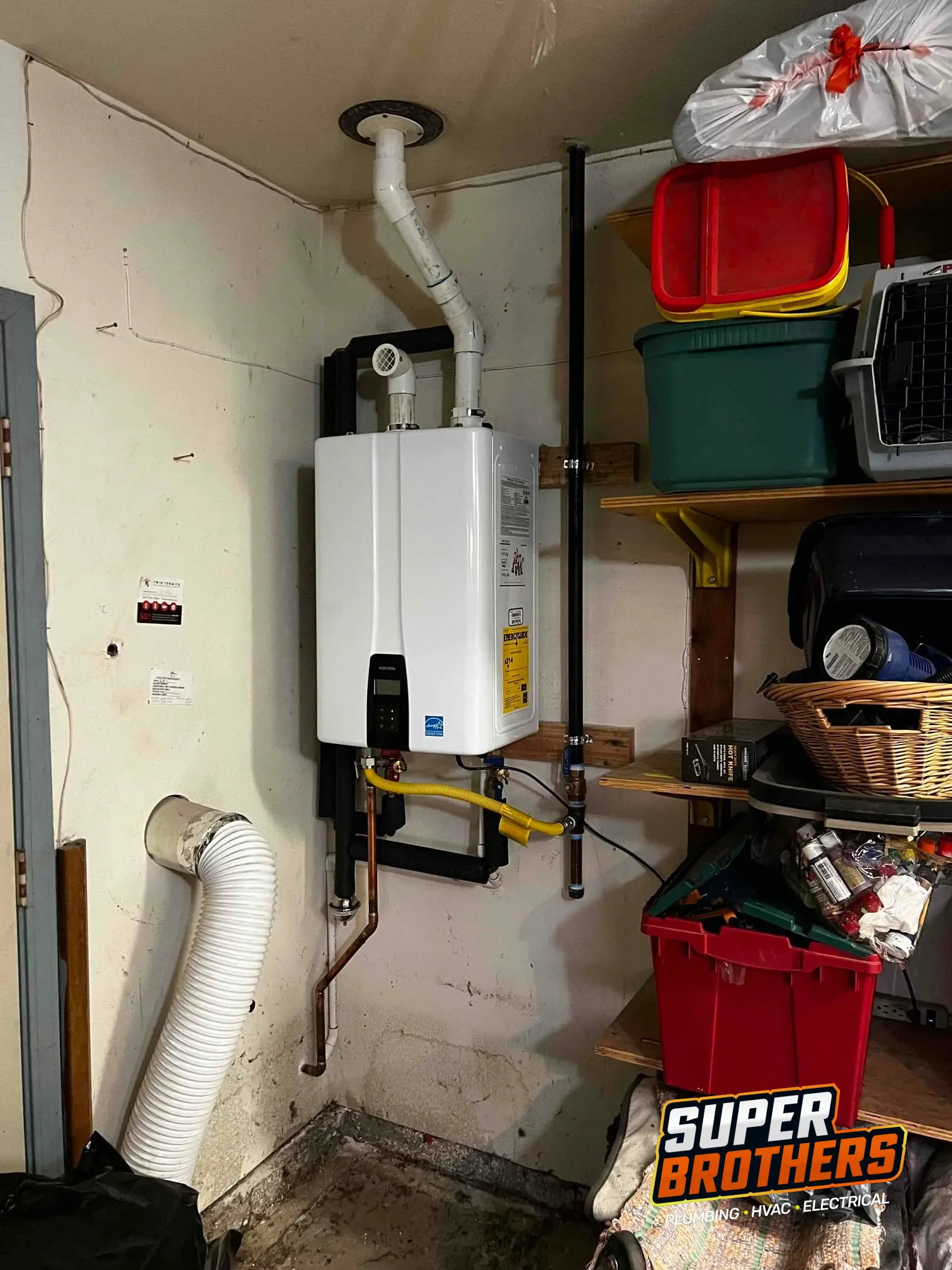
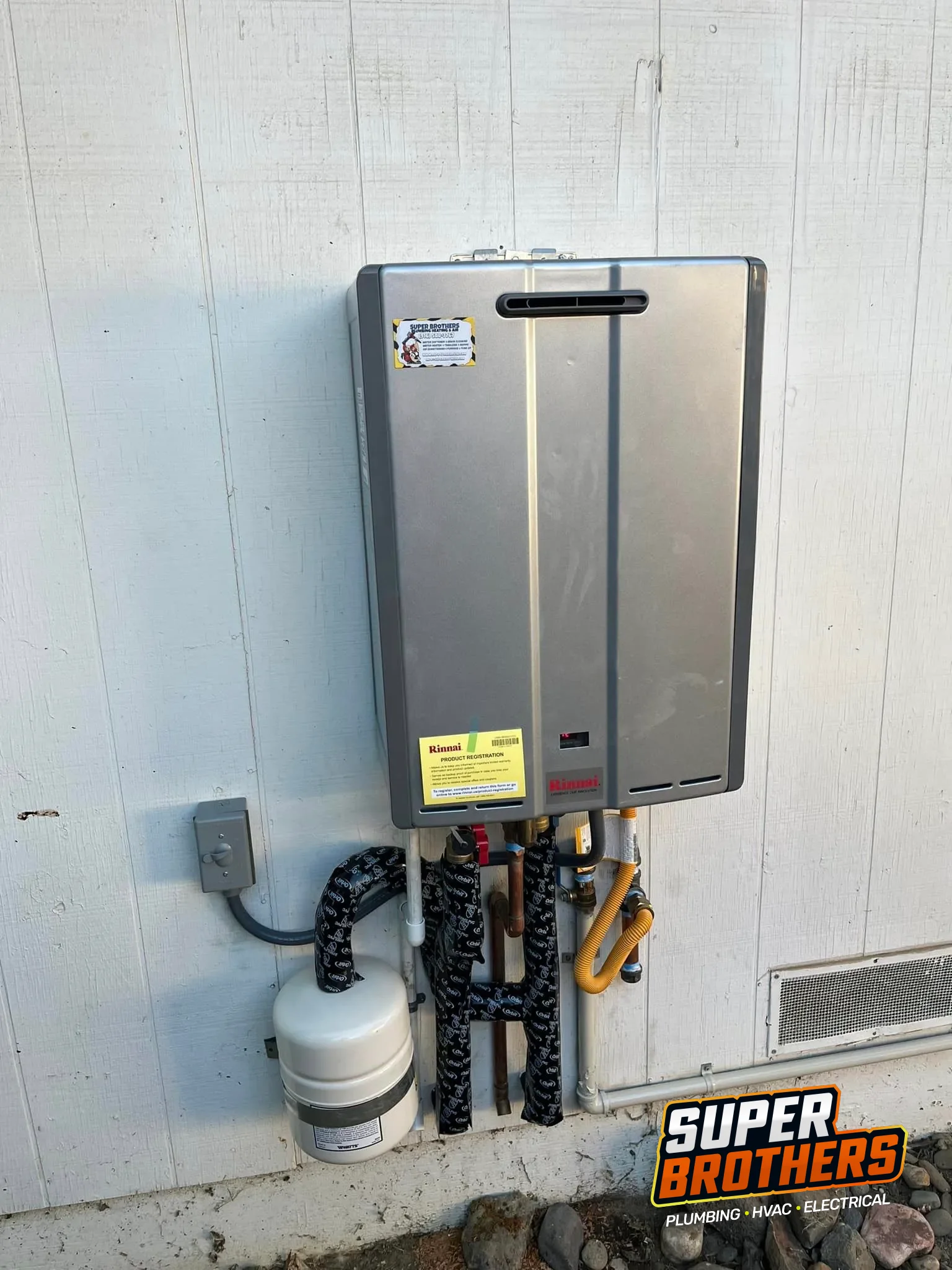
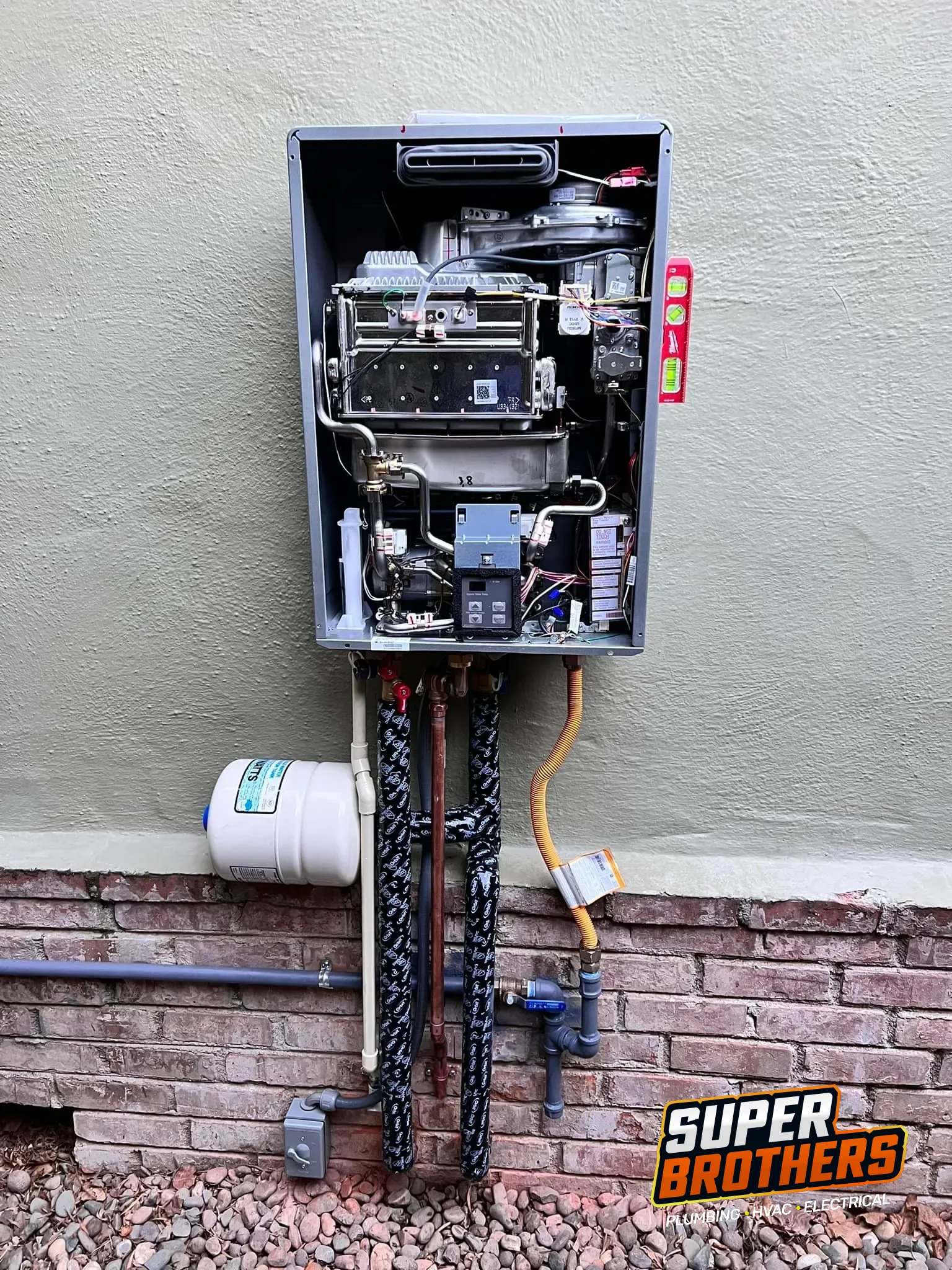
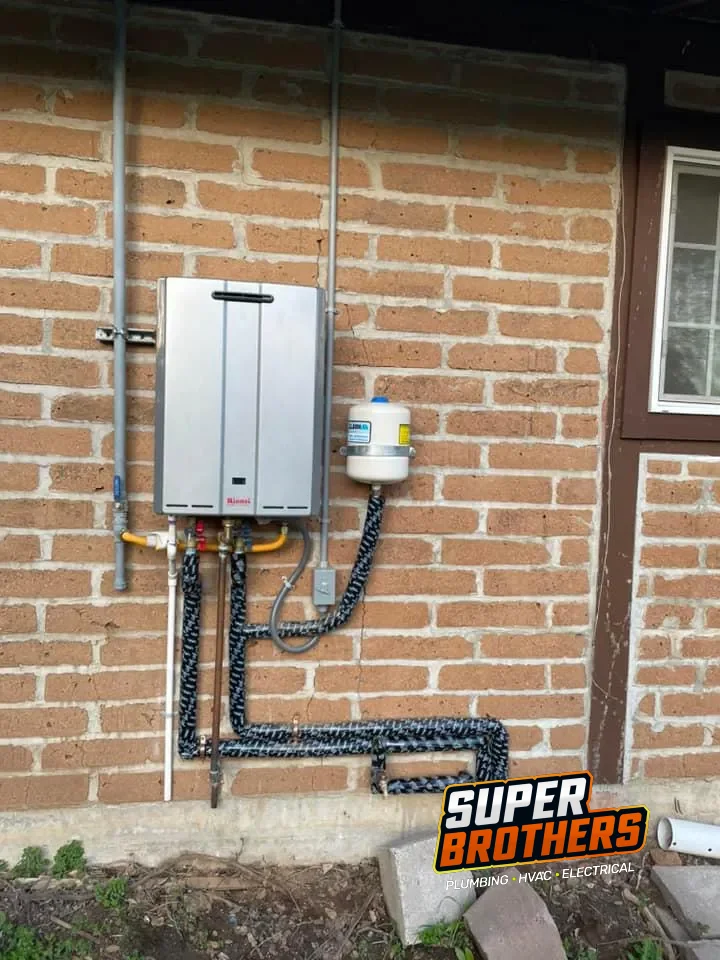
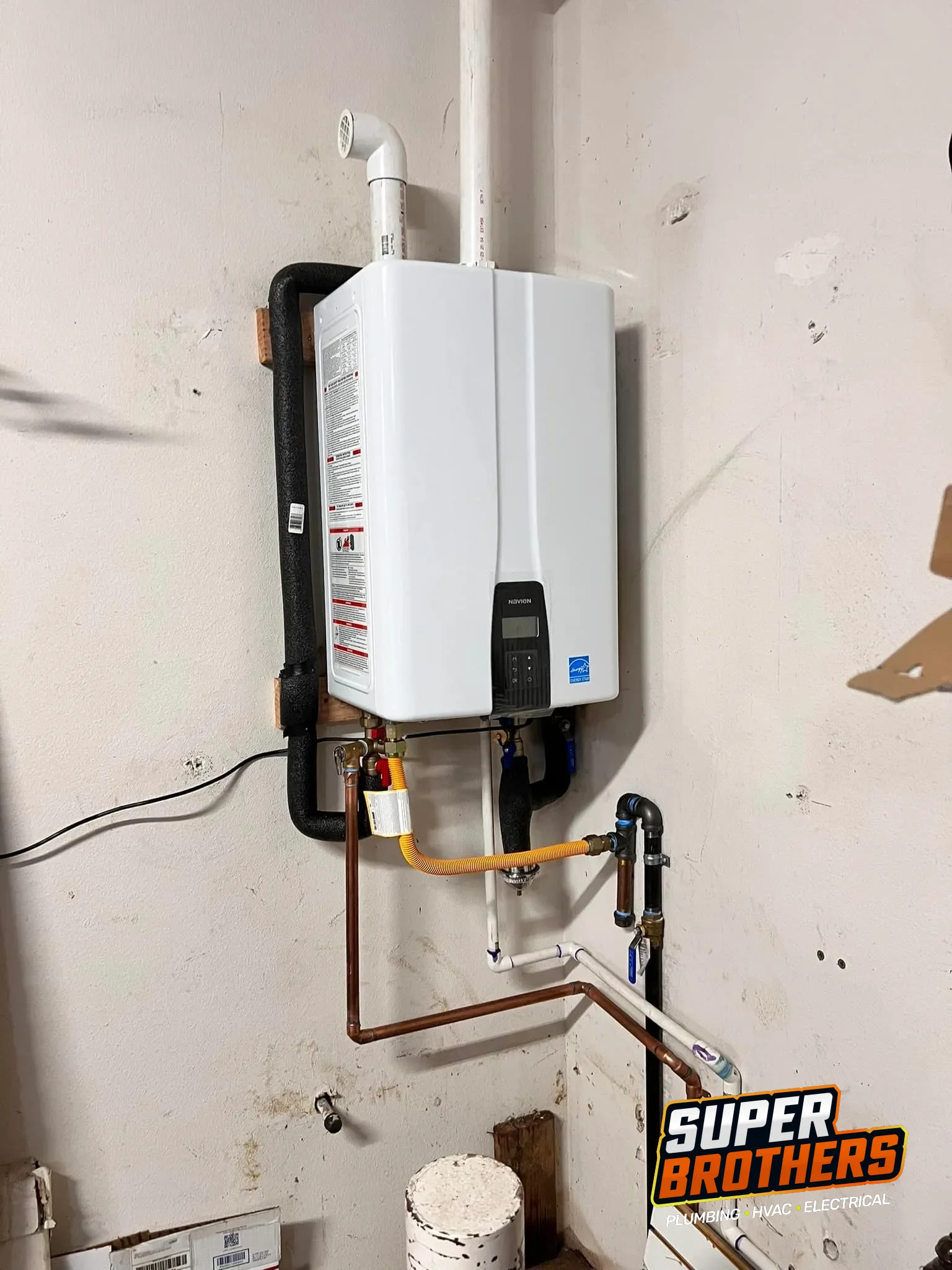
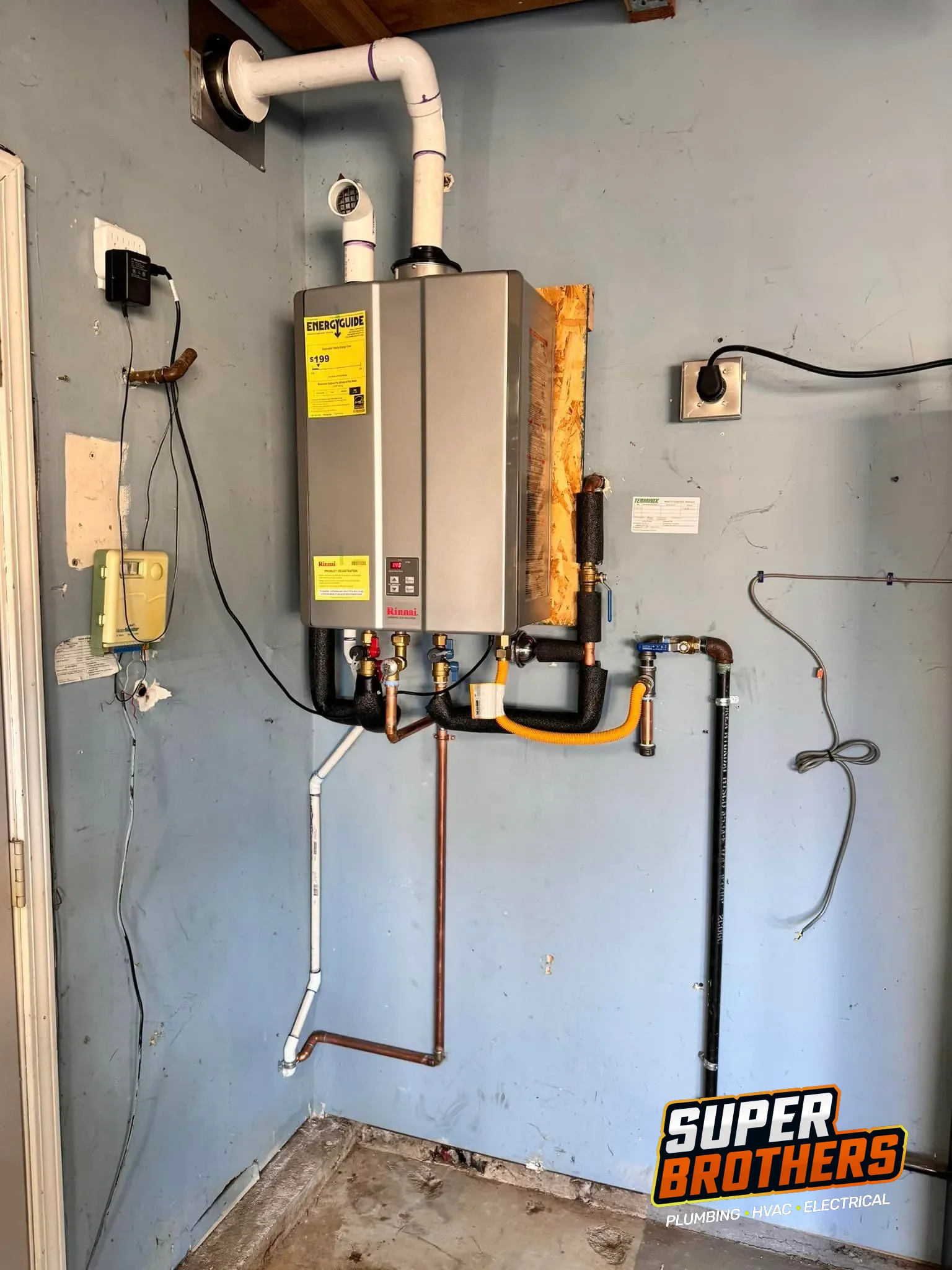
Tankless (On-Demand) Systems: Typically $4,500 – $8,000+. The premium option. They cost the most to install due to necessary gas line and venting upgrades, but you get endless hot water and free up garage space.
Why the range? The final price comes down to three things: the technology you choose, the size of the unit, and whether we need to update your plumbing, electrical, or venting to meet current safety codes. No surprise charges. We don’t do hidden fees. You can get a fast online quote today, and we’ll calculate your rebates and give you a clear, out-the-door (OTD) price before we ever pick up a wrench.
How to Tell if Your Water Heater is on Its Last Legs?
Don’t wait for a flooded garage or an ice-cold shower to tell you it’s time for an upgrade. If you’re noticing any of these warning signs, your water heater is likely ready to retire: It’s over 10 years old: Traditional tank water heaters usually last between 8 to 12 years. If yours is hitting double digits, it’s living on borrowed time. Rusty or discolored water: If the hot water coming from your faucets looks brown or rusty, the inside of your tank is likely corroding. Loud rumbling or banging noises: This means hardened sediment is building up at the bottom of the tank, causing your system to overheat and work much harder than it should. Puddles around the base: A leak in the actual tank cannot be repaired. If you see pooling water, it means an immediate replacement is necessary before it bursts. You’re running out of hot water fast: If your family’s morning showers are turning cold much sooner than they used to, your unit is losing its efficiency and struggling to keep up.
Water heaters rarely just quit overnight; they usually give you warning signs as they age. Here is the typical lifecycle of a failing tank—and the red flags that mean you’re headed for an ice-cold shower.
1
The Slowdown (Years 6–8)
The Warning Sign: You’re running out of hot water faster than you used to.
Your unit is losing its efficiency. Sediment is slowly building up at the bottom of the tank, making it harder for the burner to heat the water. Your morning showers start turning lukewarm a little too early.
2
The Grumbling Phase (Years 8–10)
The Warning Sign: Loud rumbling, popping, or banging noises from the tank.
That loose sediment has now hardened into a thick crust at the bottom. Water gets trapped under this crust, boils, and bubbles up—causing those scary banging noises. Your system is now overheating and working much harder than it should.
3
The Danger Zone (Years 10+)
The Warning Sign: Your unit hits double digits in age.
Traditional tank water heaters are only designed to last 8 to 12 years. Even if it seems okay, an older tank is living on borrowed time. The internal components are heavily worn, and the risk of a sudden breakdown skyrockets.
4
Internal Decay (End of Life)
The Warning Sign: Rusty, brown, or discolored hot water.
The anti-corrosion rod inside your tank has completely failed, and the steel inside your tank is literally rusting away. This is a one-way street, you cannot un-rust a tank.
5
The Final Breach (Immediate Action Required)
The Warning Sign: Moisture, drips, or puddles pooling around the base of the tank.
The rust has eaten all the way through the metal. A leak in the actual tank cannot be repaired. If you see pooling water, it means an immediate replacement is necessary before the tank completely bursts and floods your home.