A water reservoir tank for home use provides a practical way to store water
…for emergencies, irrigation, household chores, and other everyday needs. Depending on the type of tank and how the water is treated, a residential water storage system can also provide a backup supply of potable water. For homeowners who experience drought conditions, unreliable water service, low-producing wells, or seasonal water restrictions, having stored water available can provide an additional level of security. Water tanks are also useful for collecting rainwater and reducing the amount of municipal or well water used for landscaping and other non-drinking purposes. Residential water reservoir tanks are available in many sizes and materials, ranging from relatively small tanks for basic household backup to large storage systems capable of holding thousands of gallons. Choosing the right system depends on how the water will be used, how much storage is required, and where the tank can be safely installed.
What Is a Residential Water Reservoir Tank?
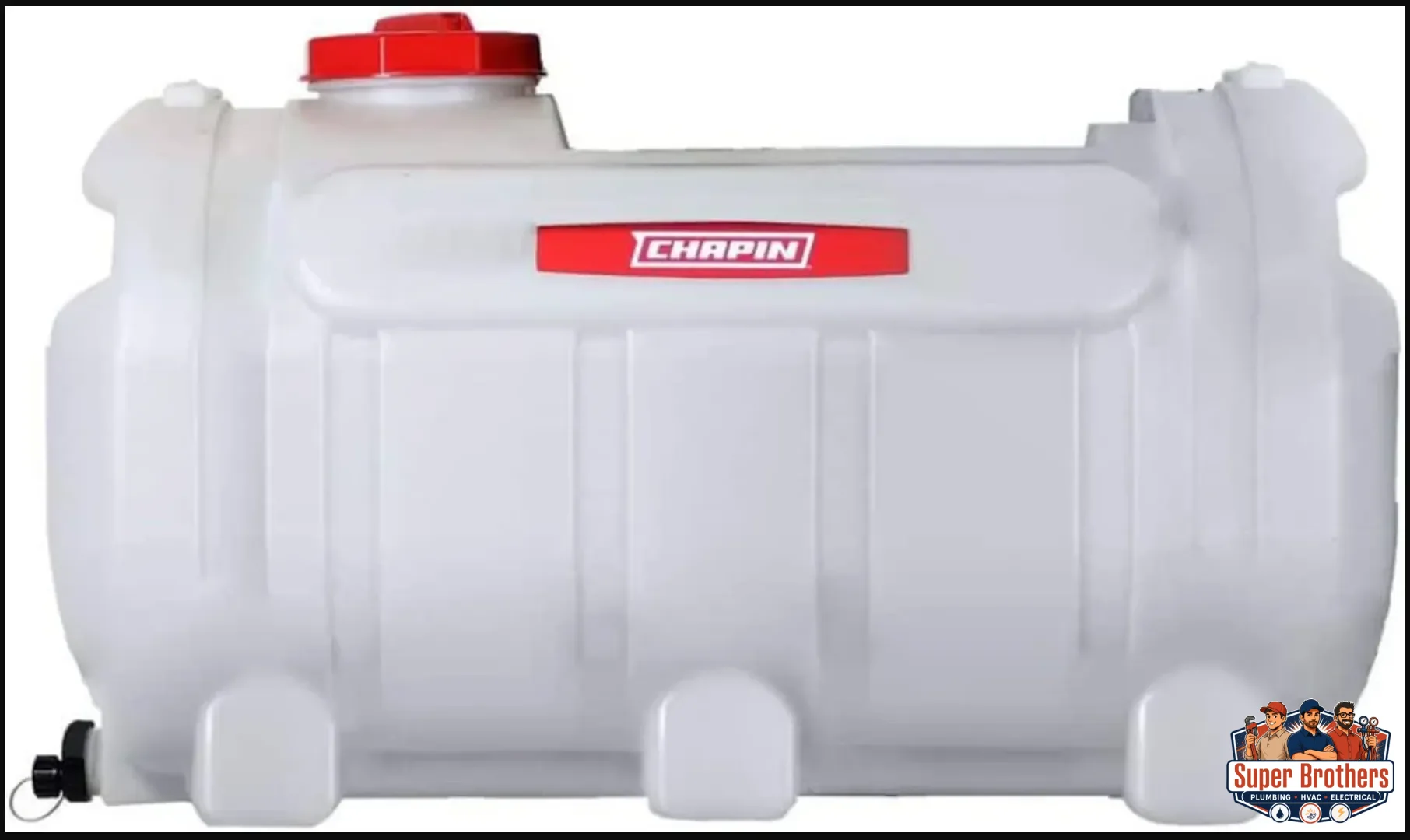
A water reservoir tank is a container designed to store water until it is needed. Residential tanks can be installed above ground, underground, inside certain utility spaces, or outdoors depending on their size, design, and local installation requirements. The stored water may come from a municipal supply, private well, rainwater collection system, or another approved source. Some homeowners use tanks strictly for irrigation and outdoor cleaning, while others install larger systems as part of an emergency water supply or whole-house water system. If the water will be used for drinking, cooking, or food preparation, the tank and plumbing components should be rated for potable water. Proper filtration, disinfection, circulation, and maintenance may also be necessary to keep stored drinking water safe.
Advantages of a Water Reservoir Tank for Home Use
One of the main benefits of a home water storage tank is having water available when the regular supply is interrupted or limited. The exact benefits depend on the type of system installed and how the stored water is intended to be used.
Emergency Water Storage
Droughts, water-main problems, well pump failures, power outages, and other unexpected events can temporarily interfere with a home’s normal water supply. A properly designed water reservoir can provide a backup source for essential needs during these situations. The amount of emergency water available depends on the size of the tank and household usage. Homeowners planning an emergency storage system should consider drinking water separately from water needed for toilets, cleaning, landscaping, or other non-potable uses.
Rainwater Collection and Irrigation
A water reservoir can also be used as part of a rainwater harvesting system. Instead of allowing roof runoff to immediately flow into the yard or storm drainage system, rainwater can be directed through properly designed collection components and stored for later use. Stored rainwater can be particularly useful for watering gardens, landscaping, trees, and agricultural areas. Using collected rainwater for irrigation can reduce demand on a home’s primary water supply, especially during dry periods. Rainwater systems should be designed with appropriate screening, overflow control, and maintenance. Water collected from a roof should not automatically be considered safe to drink without suitable treatment and testing.
Non-Drinking Household Uses
Not all stored water needs to be used for drinking. Depending on the plumbing system and local requirements, stored non-potable water may be useful for watering lawns, washing outdoor surfaces, cleaning equipment, and other tasks that do not require drinking-quality water. Using stored water for these purposes can conserve potable water and reduce the demand placed on a well or municipal water system.
Choosing the Right Size Water Tank
The right tank size depends on the number of people in the home and the intended purpose of the stored water. A tank used only for garden irrigation may have very different requirements from a tank designed to provide backup water to an entire house. Homeowners should consider how much water they normally use, how long they want their backup supply to last, how frequently the tank can be refilled, and how much installation space is available. Larger tanks provide more storage, but they also require more space and a properly prepared foundation. Water is extremely heavy, so the tank must be supported by a surface designed to safely handle the weight when it is completely full.
Right Tank Material
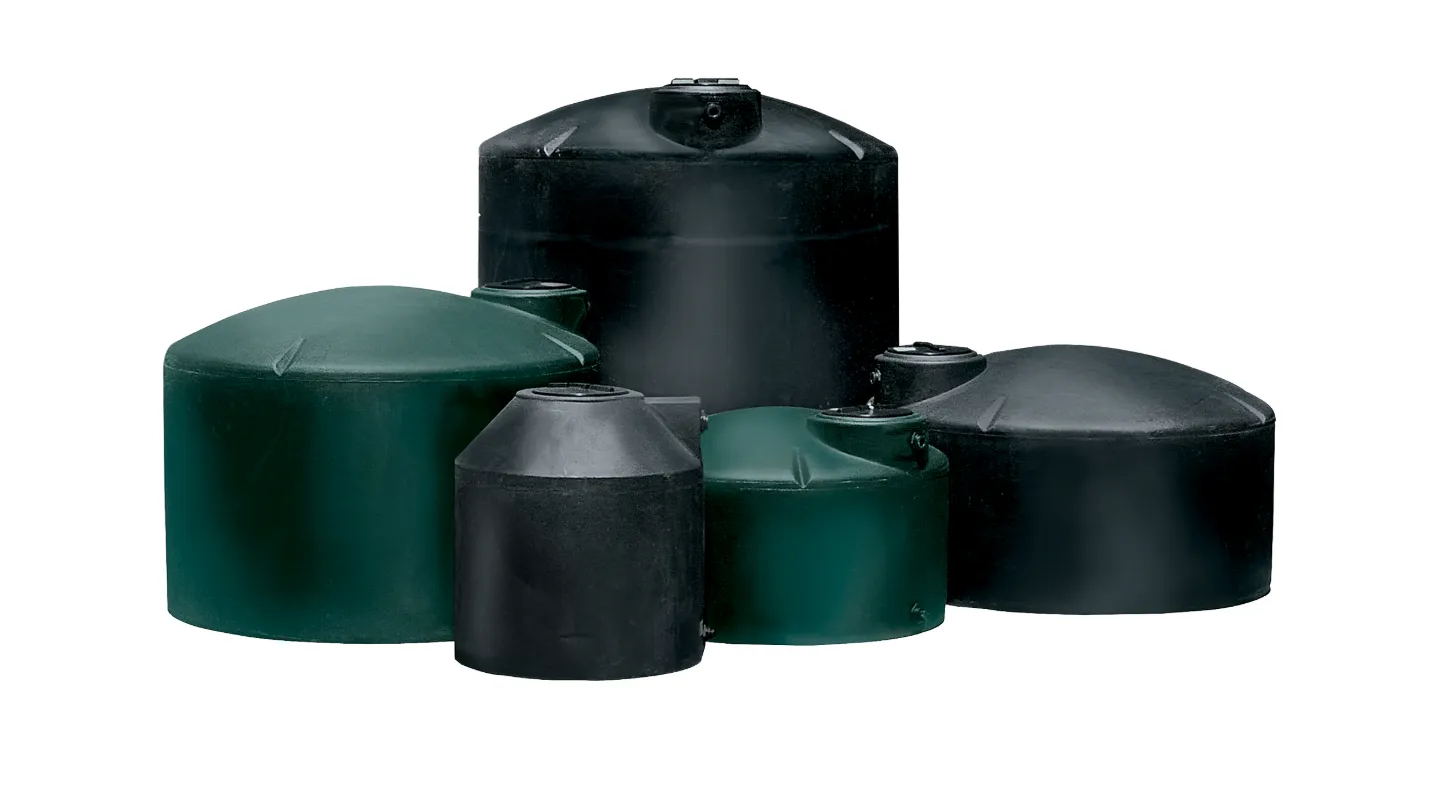
Residential water tanks can be made from polyethylene, fiberglass, concrete, steel, and other materials. Each option has advantages depending on the location, tank capacity, water quality requirements, and budget. For potable water storage, homeowners should choose a tank specifically manufactured and approved for drinking-water applications. Materials that are not intended for potable water can affect water quality and should not be used for drinking-water storage. Outdoor tanks should also be selected with environmental exposure in mind. Sunlight, temperature changes, ground conditions, and physical damage can all affect the lifespan of a water storage system.
Water Tank Installation
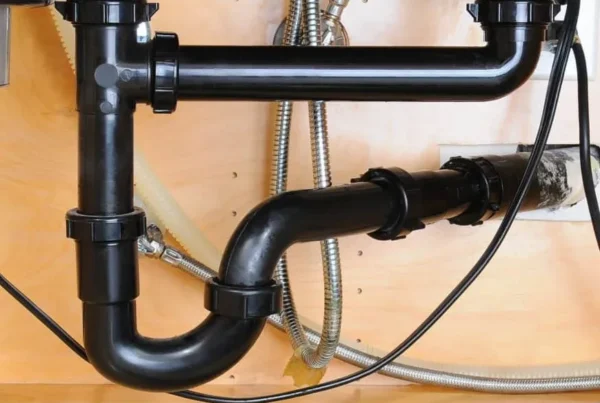
Proper installation is important for both the performance and safety of a residential water reservoir. The tank may require a stable base, shutoff valves, overflow piping, drainage, pumps, pressure controls, backflow protection, and connections to the home’s plumbing system. A tank that supplies water directly to the house may also require a pressure pump so that fixtures receive adequate water pressure. More advanced systems can automatically switch between stored water and the home’s normal supply when needed. Local plumbing and building requirements can vary, particularly when a storage tank is connected to potable household plumbing. A qualified plumbing professional can help determine what equipment and permits are required for the installation.
Maintaining a Home Water Reservoir Tank
A water tank should not be installed and then forgotten. Periodic inspection and maintenance help protect water quality and extend the life of the system. Homeowners should check the tank, fittings, valves, screens, pumps, and overflow components for leaks or damage. Sediment can accumulate over time and may need to be removed depending on the water source and tank design. Potable water storage systems require particular attention to sanitation. Water that remains stagnant for extended periods can experience changes in quality, so drinking-water systems should be maintained according to the tank manufacturer’s instructions and applicable water-quality guidance.
Is a Water Reservoir Tank Worth It for Your Home?
A water reservoir tank can be a valuable addition for homeowners who want emergency water storage, irrigation capacity, rainwater collection, or greater control over their household water supply. The best system depends on what you want the stored water to accomplish. A simple irrigation tank may require relatively little equipment, while a whole-house backup system can involve pumps, controls, potable-water components, and integration with the existing plumbing. Before purchasing a tank, determine how much water you want to store, whether the water will be potable or non-potable, where the tank will be located, and how it will connect to the rest of your plumbing system. Proper planning can help ensure your water reservoir tank is safe, practical, and useful for many years.