
Repipe Your House: What Homeowners Should Know Before the Walls Are Open
A whole-house repipe is one of the larger plumbing jobs a homeowner can face, and it should start with a practical walk-through of the home. The goal is simple: replace failing water lines with cleaner routing and steadier pressure. Older galvanized lines, pinhole leaks in copper, low hot-water volume, and repeated slab leaks are common signs that small repairs may be losing their value. Before anyone cuts drywall, the homeowner should know where the main shutoff sits, which rooms are affected, how long water may be off, and how the contractor plans to keep the house usable during the job.
Start With the Existing Pipe Layout
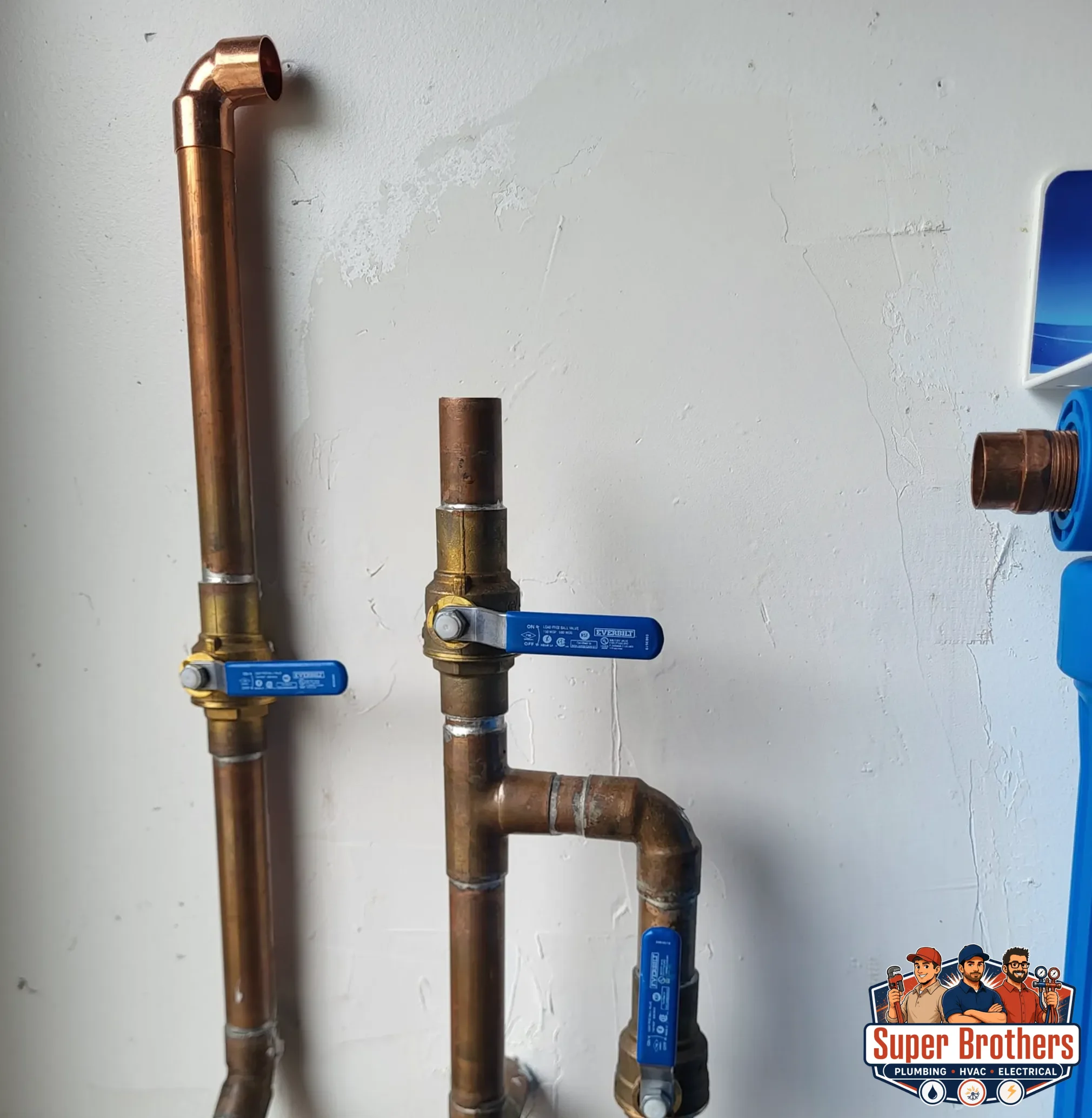
The first step is tracing the current plumbing path as accurately as possible. A good inspection follows the water from the service entry to the water heater, bathrooms, kitchen, laundry area, hose bibbs, and any extra fixtures connected later by a remodel. Photos help because open cabinets and exposed crawlspace runs tell a contractor a lot before work begins. This also helps the homeowner understand which rooms need wall access and which areas can be reached from an attic, garage, crawlspace, or utility space.
Check Permits Before the Schedule Is Set
Permit rules should be handled before the job date is locked in. In Sacramento, residential plumbing minor work can include re-plumbing of supply and drainage piping, and the city lists minor permit information through its minor permits page. Other cities and counties may route the same work through a different permit counter, so the property address matters. Skipping this step can create problems during resale, insurance claims, or inspection after another home project exposes the new piping.
Choose Pipe Material Based on the House
PEX and copper are the two materials many homeowners hear about first, and each one has a real place in residential repiping. PEX bends through tight framing and can reduce the number of fittings hidden inside walls. Copper is rigid and proven, and some homeowners still prefer it for exposed mechanical areas or specific local conditions. The 2025 California Plumbing Code is a useful reference point. The installed system still has to match local code, manufacturer instructions, water conditions, and the actual layout of the home.
Treat Repiping Like a Major Plumbing Project
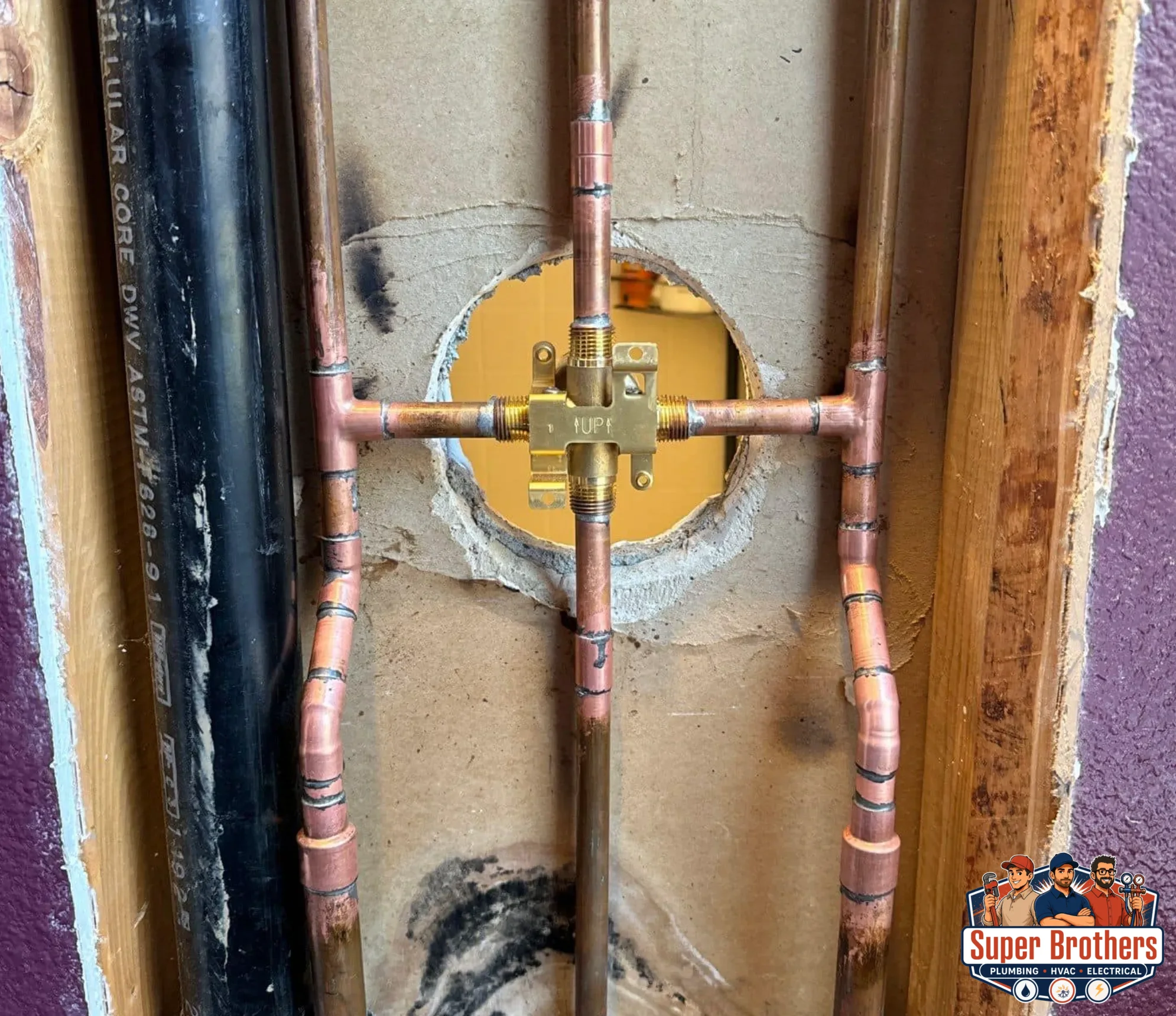
A faucet swap and a whole-house repipe are very different jobs. Repiping touches pressure balance, fixture branches, water heater connections, shutoff valves, hose bibbs, wall access, and final testing after the new lines are connected. A homeowner with plumbing experience may handle small exposed sections, although a full repipe carries higher risk because one bad crimp, solder joint, or support detail can leak after the wall is closed. For most occupied homes, the smarter move is hiring a plumbing contractor who repipes houses regularly and can explain the access plan before work starts.
Verify the Contractor Before You Sign
California homeowners should verify the contractor license before signing a repipe agreement. The CSLB license lookup lets you search by license number, business name, personnel name, or registration information. This check matters because a repipe is buried work, and buried work needs accountability after the crew leaves. The agreement should name the pipe material, permit handling, drywall patching responsibility, warranty terms, and the inspection process tied to the actual installation.
Know Where the Walls May Be Opened
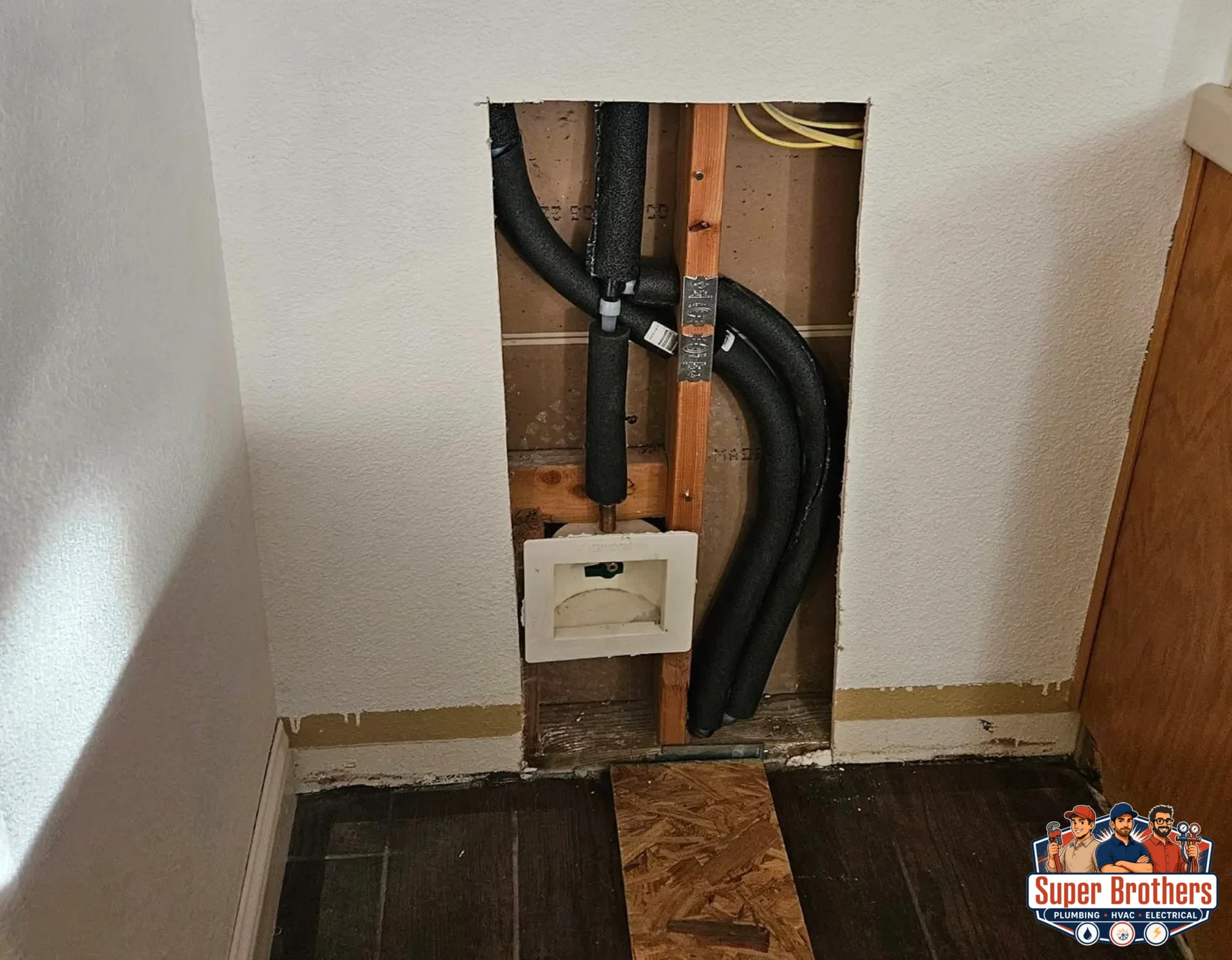
Wall access is usually the part homeowners underestimate. Crews often need openings near bathrooms, the water heater, kitchens, laundry hookups, hallway chases, and places where vertical lines feed a second floor. Good access cuts follow pipe routing, avoid random exploration, and give the crew enough room for proper fastening and connection work. Ask who patches the drywall, who textures the surface, who paints after inspection, and how finish repairs are scheduled after the plumbing passes inspection.
Plan for Water Shutoff and Daily Use
A repipe can leave the home usable during much of the project when the water schedule is discussed clearly. Many crews can stage the work so water is restored at the end of the day, especially on straightforward layouts with accessible routing. Larger homes, slab conditions, older remodels, and tight framing can stretch the schedule because the crew has to open more areas and test more connections. Homeowners should fill containers for basic use, move stored items away from access walls, protect flooring near work zones, and keep pets or children away while the system is open.
Watch for Old Pipe Problems Behind the Surface
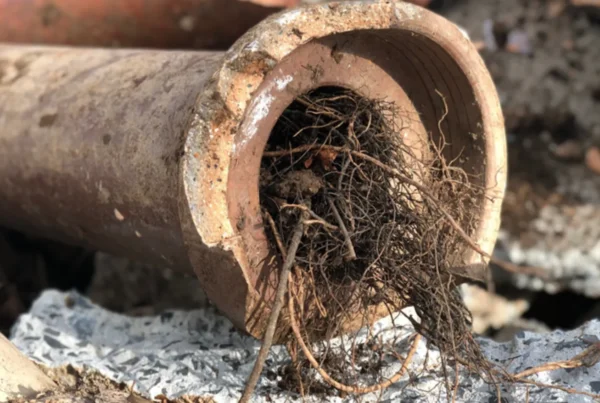
Old plumbing can reveal damage that was invisible before the wall was opened. Corroded galvanized pipe may crumble at threaded connections, copper may show pinholes near fittings, and prior repairs may have mixed materials poorly. Lead service lines are a separate concern in some older areas, and the EPA explains service line identification and replacement through its lead service line resources. A responsible repipe inspection should separate interior distribution piping from the service line feeding the house, because those scopes can involve different ownership, trenching, and utility coordination.
Understand the Real Cost Drivers
Repipe pricing starts with access and pipe material. Fixture count, story count, local permit handling, and finish repair can move the number quickly once the contractor sees the home. Copper generally raises labor and material cost, while PEX can shorten installation time on layouts with workable routing. The estimate should also say what happens if damaged framing, hidden leaks, non-code connections, or old valve failures appear after work begins.
Test the System Before the Walls Close
The final stage is where sloppy work shows up, so pressure testing deserves real attention. Every fixture should be checked for hot and cold flow, every shutoff should be operated, and the water heater connections should be reviewed after the system is filled. The crew should look for leaks under sinks, at shower valves, near hose bibbs, around the main shutoff, and along any accessible runs before patching begins. A clean closeout gives the homeowner a record of the material used, the areas repiped, the permit or inspection status, and the warranty contact for future service.
Make the Repipe Decision With the Full House in Mind
A repipe is worth considering when leaks keep returning, pressure is weak across the home, old pipe material is failing, or a remodel will already open large sections of the house. It is also a practical time to improve shutoff valve placement, clean up awkward routing, correct old work, and make future service easier. The best projects are planned around access, code, daily use, and finish repair before the first cut is made. When those details are handled early, the job feels less chaotic and the finished plumbing is easier to trust because the process was controlled from the start.