Sediment build-up in your water heater
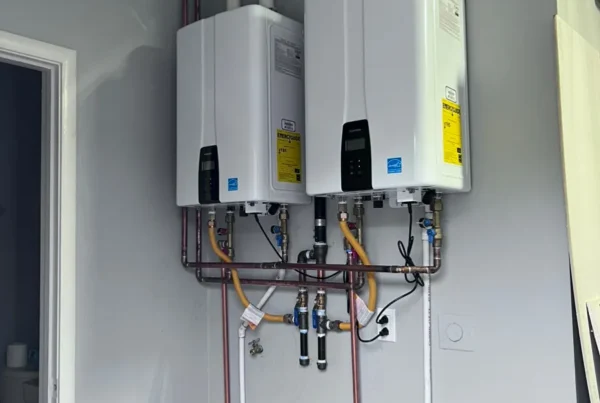
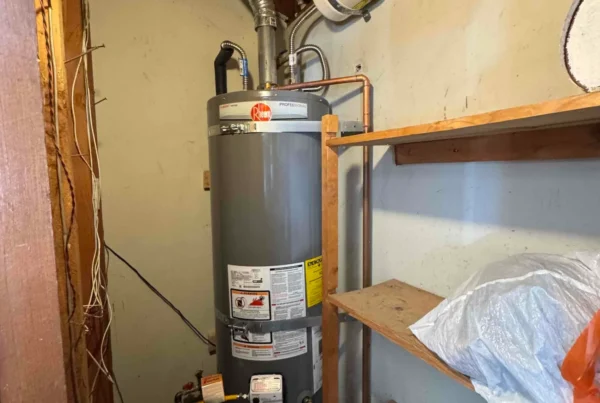
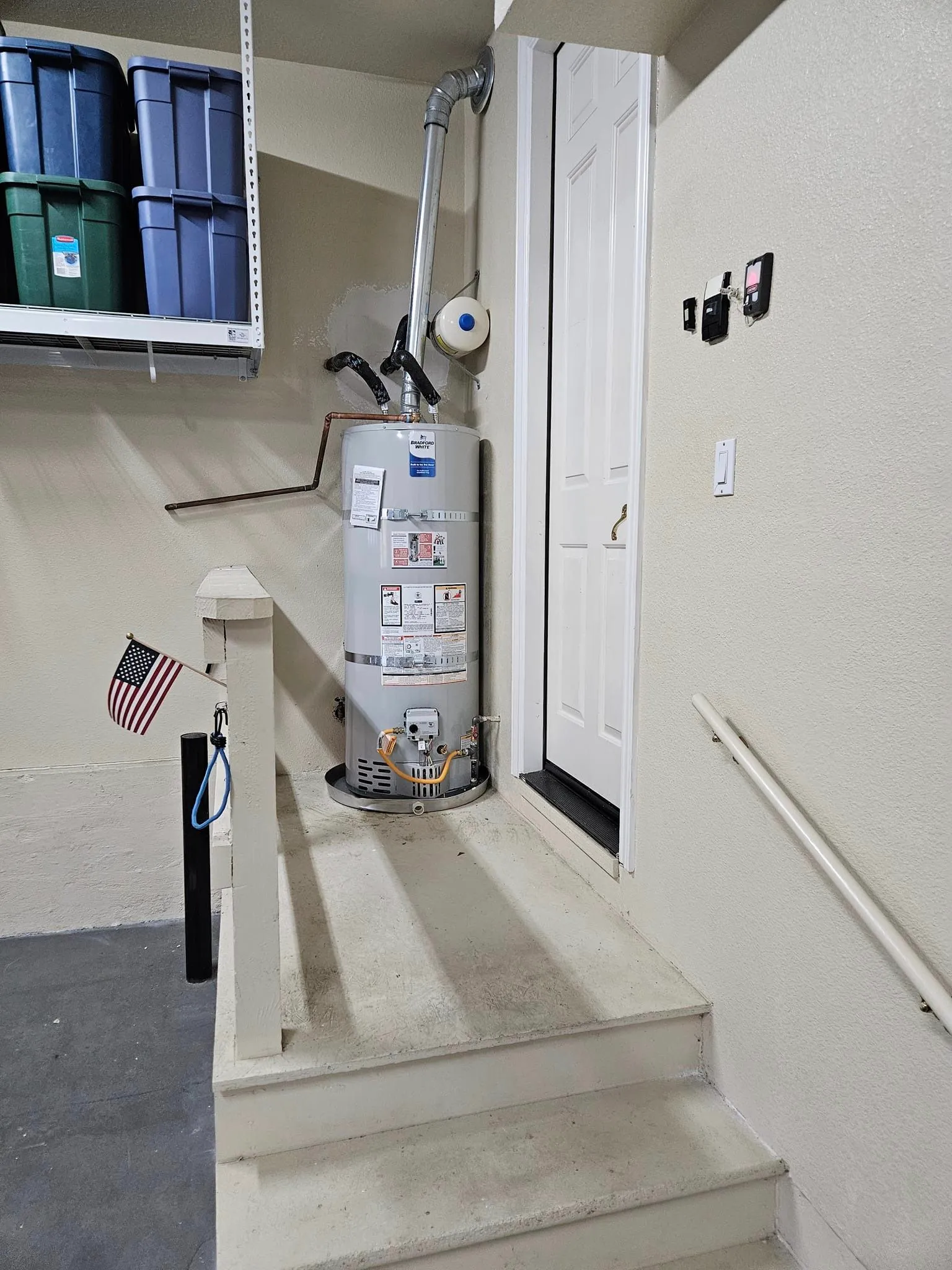
is one of the most common and damaging issues that can reduce the efficiency and lifespan of the water heating unit. Not only can sediment lead to bacterial growth, but it can also cause a host of other problems, including corrosion, overheating, and even leaks. We’ll explore the causes of sediment build-up, how it affects your water heater, and what you can do to prevent or fix the problem.
Bacteria Problems in Water Heaters
When sediment accumulates in a water heater, it can create an environment for bacterial growth. While the bacteria found in water heaters don’t cause disease, they do corrode the lining of the tank. This corrosion is compounded when the bacteria combine with the heat and sediment, leading to more significant damage to the water heater’s internal components. One of the signs of bacterial growth in your water heater is a rotten-egg odor or sulfur smell coming from your hot water. It’s important not to confuse this smell with a natural gas leak, as both odors are similar.
The Build-Up of Sediments (Scale) Inside Water Heaters
Water naturally contains minerals like calcium and magnesium, which settle at the bottom of your water heater tank over time. This sediment, primarily made of calcium carbonate, accumulates faster in areas with hard water. In gas water heaters, sediment builds up at the bottom of the tank, directly on the burner plate. The sediment acts as an insulator, preventing heat from efficiently transferring to the water. This causes the glass lining of the heater to break down at high temperatures, which can lead to leaks and tank failure. If you notice that your gas water heater is making noises or producing less hot water than usual, these could be signs of sediment build-up. Additionally, sulfur odors may indicate the presence of sediment and bacterial growth.
How to Control Sediment Build-Up
1. Lower the Water Temperature
Reducing the water temperature to 130°F can help slow down sediment formation. At this temperature, harmful bacteria like Legionnaires’ disease are killed, but sediment build-up is reduced compared to higher temperatures. Keeping the temperature below 140°F is especially important, as higher temperatures encourage faster sediment accumulation.
2. Install a Low-Watt Density Heating Element
For electric water heaters, installing a low-watt density heating element can help reduce the amount of heat generated and slow down sediment formation. These elements have a larger surface area, which helps distribute heat more evenly and reduces the likelihood of sediment settling in the tank.
3. Manage Water Pressure
High water pressure can accelerate the build-up of sediment. If your home’s water pressure exceeds 50 PSI, it’s recommended to install a pressure reducer to prevent sediment from forming too quickly.
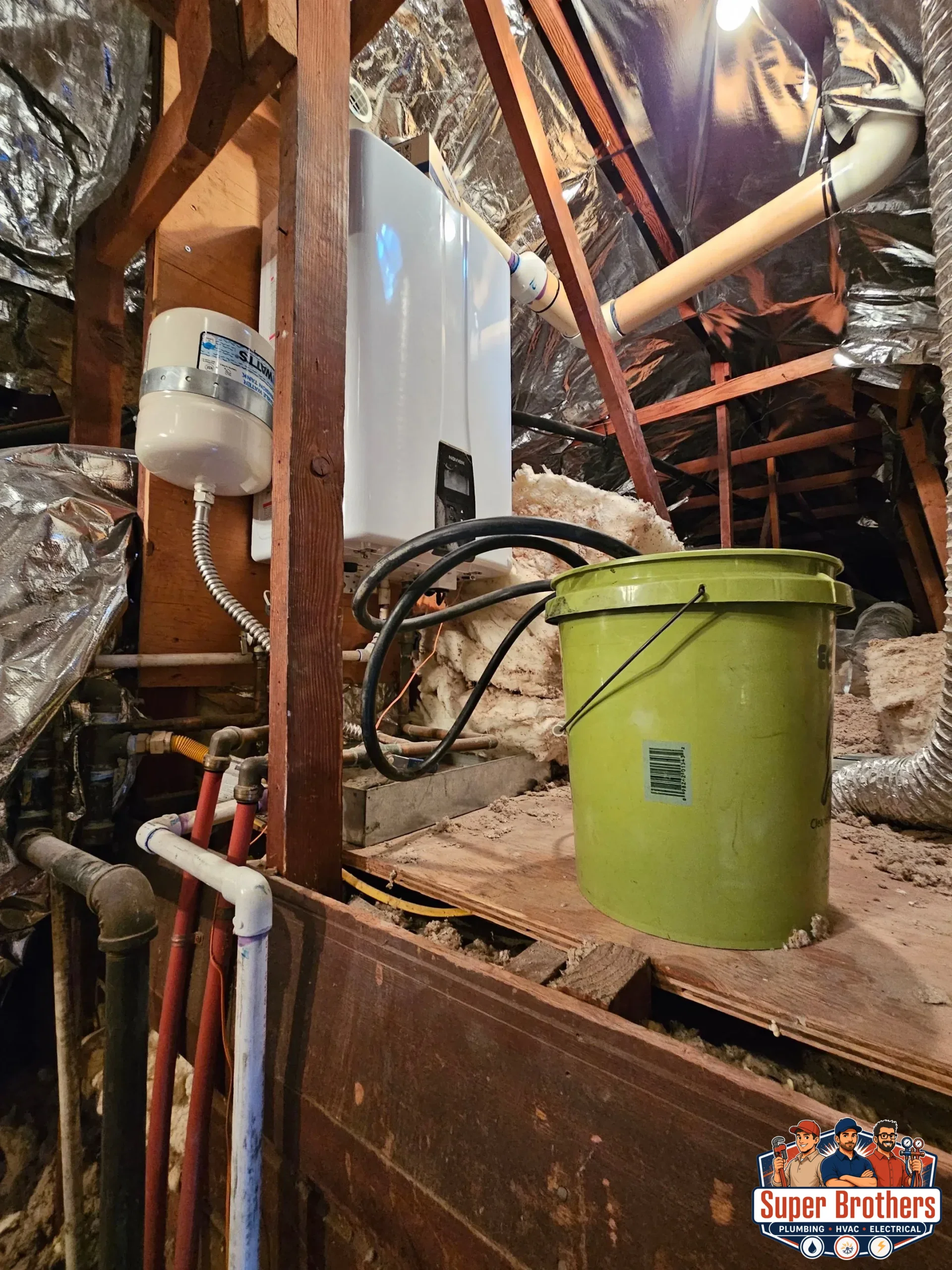
Dissolving Sediment Chemically
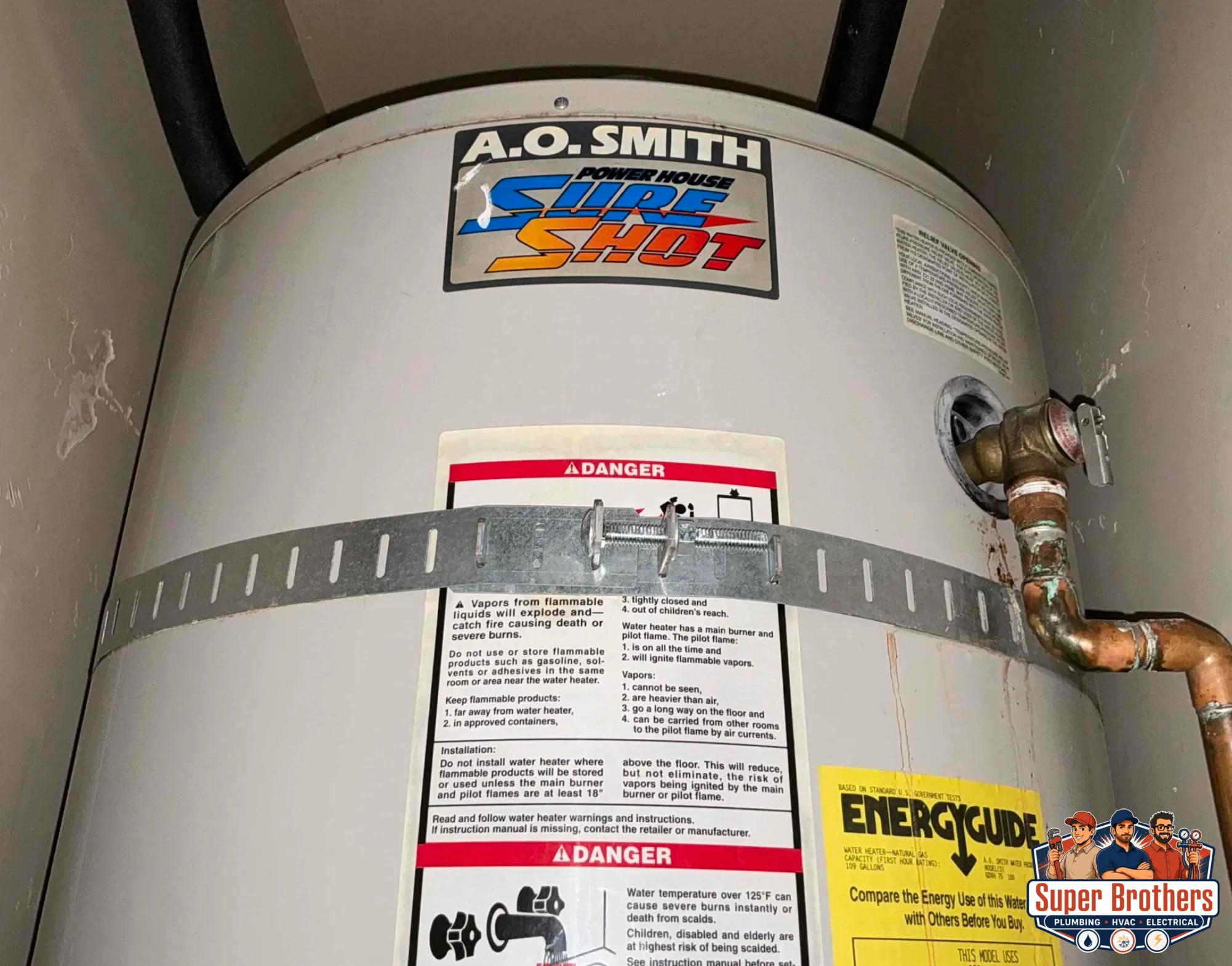
One method for dealing with sediment build-up is to use a chemical descaler like Mag-Erad (from A.O. Smith) to dissolve the sediment. This is especially useful for gas water heaters. Here’s how to use a descaler:
- Turn off the water heater and empty the tank.
- Add the chemical descaler to the tank.
- Flush the tank thoroughly after the descaling process is complete to ensure all sediment and chemicals are removed.
Note: Never leave the gas on while using descaler, as this can cause damage to the flue.
Removing Sediment from Commercial Water Heaters
Commercial water heaters face similar issues with sediment build-up, and it’s essential to perform regular maintenance to ensure efficiency. Sediment removal in commercial water heaters can save up to 5% on energy bills in gas systems.
Here’s how to remove sediment from a commercial water heater:
- Turn off the gas or electricity to the unit.
- Shut off the cold water line and recirculating system.
- Open the T&P valve to relieve pressure and drain the tank using a hose connected to the drain valve.
- If sediment blocks the drain valve, remove the valve and use a screwdriver to break up the sediment, allowing the water to drain.
For thorough sediment removal, it’s recommended to hire a professional plumber who can ensure that all sediment is properly flushed out and the water heater is restored to optimal efficiency.
Protect Your Water Heater from Sediment Damage
Sediment build-up is the #1 killer of water heaters, but with proper maintenance and attention, you can extend the life of your unit. Reducing water temperature, managing pressure, and using descalers or the curved dip tube method are all effective ways to prevent sediment from damaging your water heater.
If you notice sulfur smells, reduced hot water output, or strange noises from your water heater, it’s time to act. Contact Super Brothers to schedule a professional inspection and maintenance service. We’ll help you keep your water heater running efficiently and prevent costly damage from sediment build-up.