
Update: In a statement Tuesday 7/14/26, the Bay area air district said it published draft language to the rule that would delay to January 2028. The language would also exempt low-income property owners and situations where electrical panel or physical space constraints at properties make the transition “especially difficult or expensive.”
The New Zero Nox Law
New Bay Area appliance standards are raising questions about water heater replacement options, installation costs, electrical upgrades, and the future availability of gas-powered equipment. ABC7 Bay Area recently reported on concerns surrounding the Bay Area Air District’s upcoming zero-emission standards for water heaters and furnaces. Although some headlines describe the regulations as a ban on gas-powered appliances, the actual rules are more limited. Homeowners will not be required to remove a working water heater or furnace. The standards affect the sale and installation of covered equipment manufactured after specific compliance dates.
What Do These Changes Mean for Your Home?
The impact of the new standards will depend on where you live, the type of water heater you have, its age, and whether it is still operating reliably. Use the short navigator below to get a clearer idea of how the upcoming rules may affect your replacement options and what steps, if any, you should consider taking now. This tool is intended as a general planning guide. Final equipment requirements may depend on the installation date, appliance specifications, property conditions, and any amendments adopted by the Bay Area Air District.
What Changes on January 1, 2027?
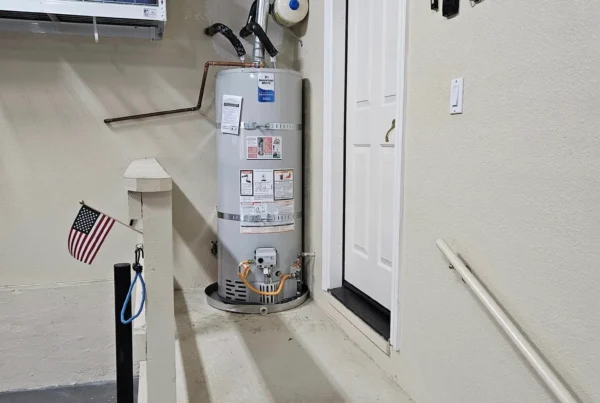
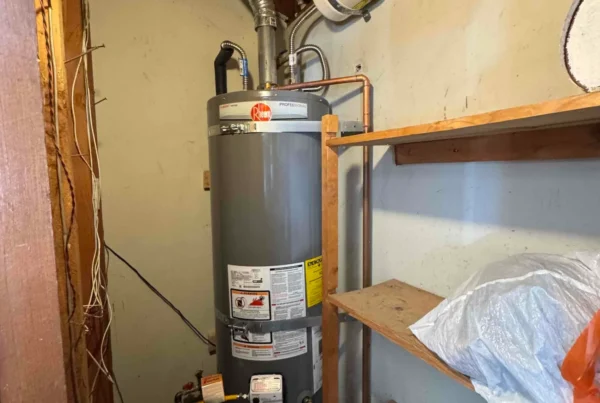
The first phase applies to water heaters rated below 75,000 BTUs per hour—primarily the storage-tank water heaters commonly found in homes. Under the rule adopted in 2023, covered natural gas water heaters manufactured after January 1, 2027, must produce zero nitrogen oxide emissions at the appliance. Existing water heaters can remain in operation, and homeowners can continue repairing and maintaining them.
The rule does not explicitly prohibit natural gas as a fuel. A gas-powered appliance that meets the zero-NOx standard could be allowed. However, the Bay Area Air District says the commercially available products currently meeting the standard are electric. For many homeowners, that means a future replacement may be a heat-pump water heater or another electric system.
Current Implementation Timeline
- January 1, 2027: Water heaters below 75,000 BTUs per hour
- January 1, 2029: Covered residential and commercial furnaces
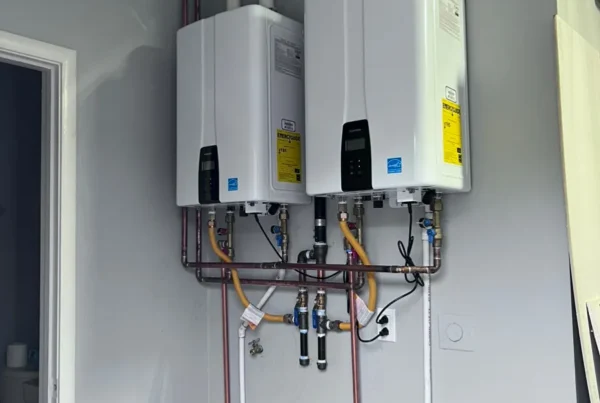
- January 1, 2031: Water heaters between 75,000 and 2 million BTUs per hour, including many commercial, multifamily, and tankless systems
These dates apply to equipment manufactured after the applicable compliance date. The equipment’s manufacture date and the final rule language will therefore be important when evaluating future replacement options.
Which Bay Area Communities Are Affected?
The rules apply across Alameda, Contra Costa, Marin, Napa, San Francisco, San Mateo, and Santa Clara counties. They also cover southern Sonoma County and southwestern Solano County.
Why Is the Air District Making This Change?
Natural gas combustion produces nitrogen oxides, commonly known as NOx. These pollutants contribute to smog, ground-level ozone, and poor regional air quality. They can also aggravate respiratory conditions such as asthma. According to figures reported by ABC7, the Air District estimates that reducing NOx pollution from building appliances could prevent between 37 and 85 premature deaths per year and approximately 110 new asthma cases annually. The policy is intended to reduce these emissions gradually as existing appliances reach the end of their useful lives—not through the immediate removal of equipment that is still operating safely.
Why Are Homeowners Concerned About Replacement Costs?
The appliance itself is only one part of a replacement project. Some homes may also need:
- Electrical panel or circuit upgrades
- New wiring
- Condensate drainage
- Changes to the water heater’s location
- Additional space or ventilation work
- Permits and code-related improvements
ABC7 reported that heat-pump water heater projects documented by TECH Clean California ranged from roughly $3,000 to nearly $39,000 depending on the equipment and installation requirements. The upper end of that range represents unusually complex projects, but it demonstrates why homeowners with older properties are concerned about electrical capacity, space limitations, and conversion costs.
Rebates, tax incentives, utility programs, and financing may reduce some of the upfront expense. However, program availability and eligibility can change, so homeowners should confirm current incentives before selecting equipment or signing an installation agreement.
The Rule May Still Receive Affordability Amendments
The 2027 standard has already been adopted, but the Air District is considering additional flexibility intended to address difficult or unusually expensive installations.
Potential changes have focused on situations involving:
- Electrical limitations
- Space constraints
- Low-income property owners
- Emergency replacements
- Equipment categories for which compliant options may not yet be practical
As of July 2026, the Air District says draft amendment language has been delayed but is expected to be released for a 30-day public comment period. The Board is tentatively scheduled to consider the amendments in November 2026.
Until that process is complete, homeowners should avoid making decisions based on assumptions about exemptions that have not yet been formally adopted.
Do You Need to Replace a Working Water Heater?
No. The rule does not require proactive replacement of a functioning water heater. However, homeowners with older equipment may benefit from having it inspected before the 2027 transition. A typical storage-tank water heater may begin showing signs of decline as it approaches roughly 8 to 12 years of service, although its actual condition matters more than age alone.
Signs Your Water Heater May Need Attention
- Water around the tank
- Rust or visible corrosion
- Unusual popping or rumbling sounds
- Inconsistent water temperature
- Reduced hot-water capacity
- Frequent repairs
- Rising energy bills
- A yellow burner flame on gas equipment
A planned replacement provides time to compare equipment, obtain estimates, investigate rebates, and determine whether electrical upgrades will be necessary. Waiting until a tank leaks or stops producing hot water can limit those choices.
What Bay Area Homeowners Should Do Now
Start by locating the model and serial number on your current water heater and determining its age. Next, have the equipment inspected if it is nearing the end of its expected service life or showing signs of deterioration. A professional assessment should answer several questions:
- Is the existing unit operating safely?
- Can it reasonably be repaired and kept in service?
- What replacement options are currently available?
- Does the home have enough electrical capacity for a heat-pump water heater?
- Would the installation require panel, wiring, drainage, or space modifications?
- Which rebates or financing programs may apply?
- How could the proposed Air District amendments affect the project?
The goal is not to replace equipment unnecessarily. It is to avoid discovering major installation requirements during an emergency.
Plan Your Water Heater Replacement With Super Brothers Plumbing Heating & Air
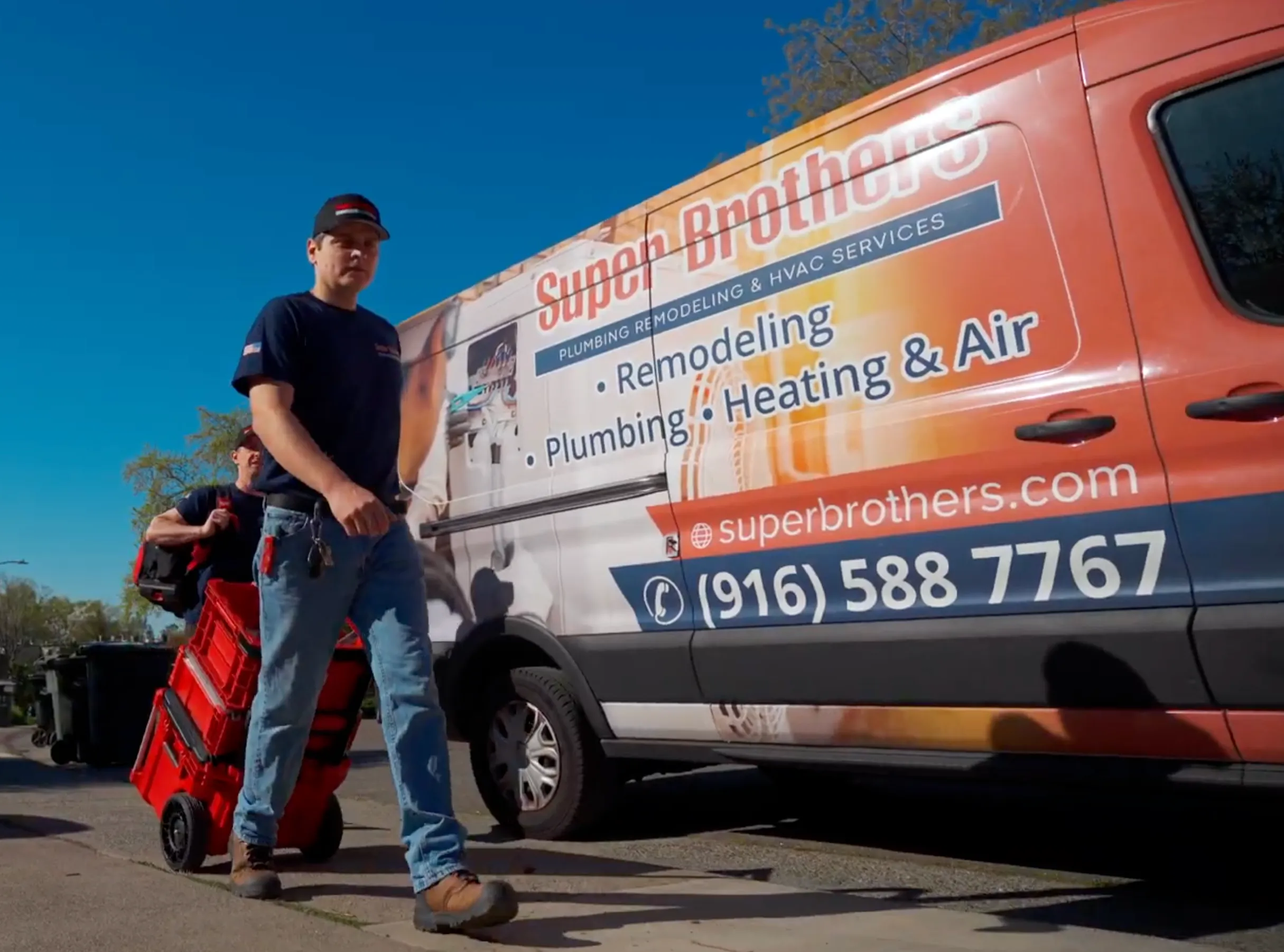
Super Brothers Plumbing Heating & Air can inspect your current water heater, evaluate its remaining service life, and explain the options available for your home. Because Super Brothers provides plumbing, HVAC, and electrical services, our team can also identify related installation requirements, such as electrical panel capacity, new circuits, venting changes. Also, equipment-location concerns—before replacement work. If your water heater can remain in service for several more years or should be replaced before the upcoming transition, having accurate information gives you greater control over the timing, cost, and equipment selection.
Schedule a no cost water heater consultation with Super Brothers Plumbing Heating & Air to build a plan based on your home, your equipment, and your budget.