As the weather turns hot, a lot of homeowners notice cooling problems for the first time when the system has to run for hours instead of a few short cycles. One of the most common questions is simple: how do you know if the air conditioner is leaking refrigerant? The answer is not mysterious, but it is easy to misread the signs if you only look at one symptom and ignore the rest of the house. A refrigerant leak usually shows up through a pattern that includes weaker cooling, longer run time, extra humidity indoors, and changes around the equipment that were not there before. It also matters to say this clearly: a system that is low on refrigerant does not get that way from normal use, so a low charge points to a leak somewhere in the sealed circuit. At the same time, weak cooling by itself does not prove you have a refrigerant issue, because a filthy filter, a blower problem, or a dirty coil can create a similar complaint. A homeowner needs to look at the whole picture before guessing.
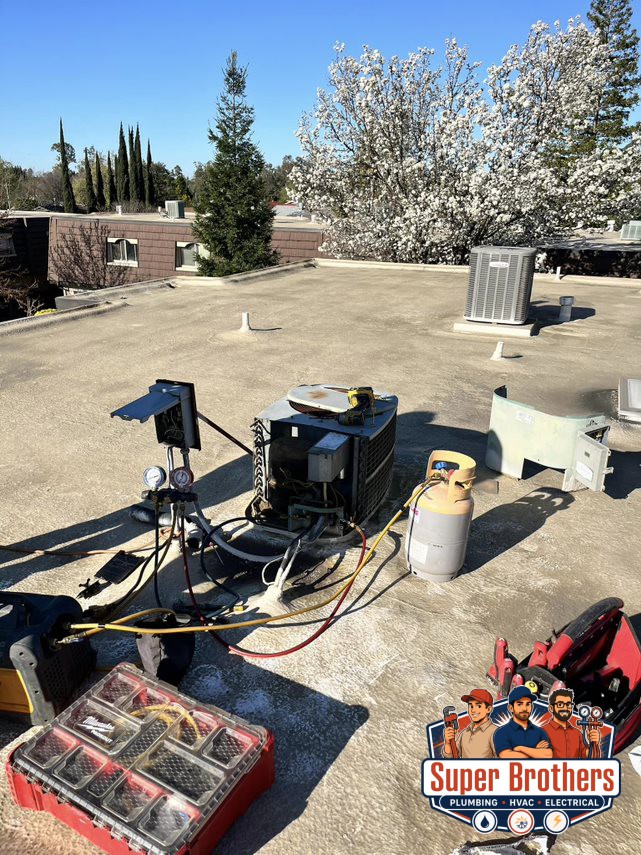
Refrigerant is the working fluid inside the air conditioner, and its job is to absorb heat from inside the house and release that heat outside. People still say Freon all the time, but that is a brand name tied to older products, not the proper name for every refrigerant in use today. Many residential systems installed over the last couple of decades use R-410A, while newer equipment entering the market is moving toward lower-global-warming-potential refrigerants such as R-454B and R-32. That change matters because the equipment, the labels, the service procedures, and the safety rules are not frozen in time. Homeowners with older equipment do not need to panic, yet they should understand that the refrigerant conversation in 2026 is different from what it was even a few years ago. If a technician tells you the system is low, the right next question is not how much refrigerant to add. It is where the leak is, how large it is, and whether the equipment still makes sense to repair.
The first signs usually show up in how the house feels
A small leak often starts with comfort problems that seem annoying before they seem urgent. The thermostat may stay a degree or two above the setting for much of the afternoon, and the system can keep running without ever quite catching up after sunset. Indoor air may start to feel sticky, especially in bedrooms or back rooms that already run warmer than the rest of the house. That matters because an air conditioner is not only cooling the air. It is also removing moisture, and a low refrigerant charge can cut into that dehumidifying performance. You might notice the vents still blowing air, yet the air does not feel as cold as it should. Some homeowners describe it as the house feeling dull and damp instead of crisp. That description is a lot closer to a real leak complaint than dramatic language about the system failing all at once.
There are also physical clues, although they do not always appear at the same time. Ice on the refrigerant line near the indoor coil is a major warning sign, and frost on the coil cabinet or suction line should never be brushed off as harmless. A hissing sound can point to escaping refrigerant, though not every leak is loud enough to hear from across the room. Technicians also look for oily residue around joints, service valves, or coil connections because refrigerant carries oil through the system, and that oil can collect near the leak point. Homeowners sometimes see water and assume it is leaking refrigerant, but refrigerant does not leave a puddle on the floor like a broken pipe. Water near the furnace or air handler is usually condensate, which can be caused by ice melting after the coil freezes or by a drain problem that needs separate attention.
Why leaks happen and why older systems are more vulnerable
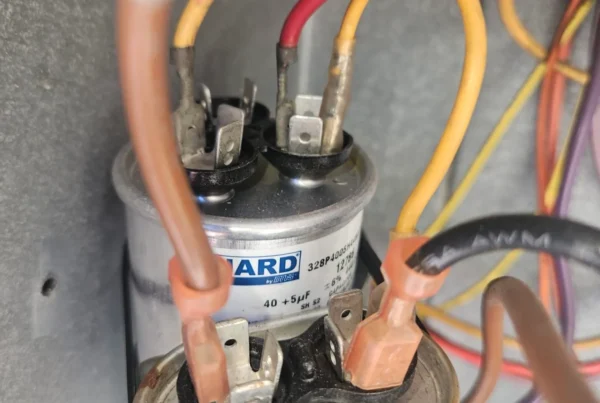
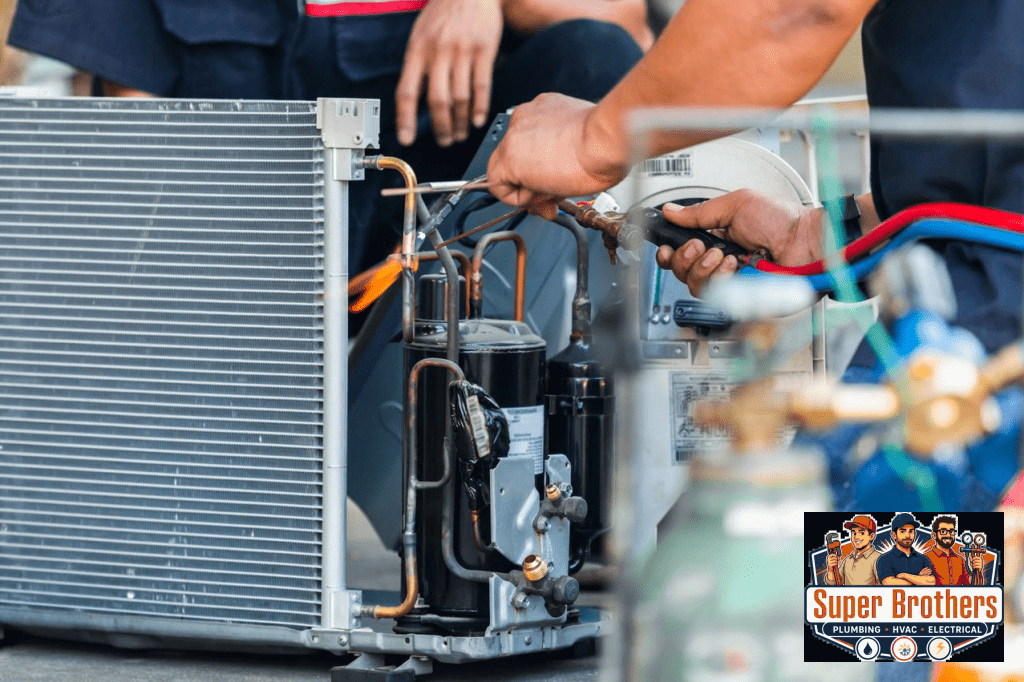
Refrigerant leaks come from weak points in the sealed circuit, and those weak points can develop for different reasons. Sometimes the problem is age. Copper tubing can rub against a surface for years, vibration can stress a connection, and indoor evaporator coils can corrode slowly until a pinhole opens up. In other houses, the trouble goes back to the original installation. A poor braze joint, a line set that was not supported well, or a system that was left with contamination inside can come back to haunt the equipment later. None of that is visible from the thermostat, which is why homeowners often think the unit is just tired when the issue is actually a leak in a specific part. That distinction matters because a bad capacitor and a leaking coil do not lead to the same repair decision, and mixing them together wastes time.
Older equipment deserves special attention here. If your system uses R-22, you are dealing with refrigerant that is no longer produced or imported new in the United States, so repairs can get expensive fast when a leak is found. That does not mean every R-22 system must be replaced on the spot, and it does not mean the equipment became illegal to own. It does mean that chasing repeated leaks on an older air conditioner can turn into a bad money decision, especially if the coil is failing and the rest of the system already has years on it. A newer R-410A system can still leak too, of course, but the repair conversation is usually different because parts availability and refrigerant strategy are not the same. In 2026, every leak diagnosis should include the age of the system, the refrigerant type on the nameplate, and the realistic cost of getting the unit back into dependable shape.
What to do if you think your AC is leaking refrigerant
If you suspect a leak, do not keep forcing the air conditioner to run all day in hopes that it will somehow recover. A low-charge system can freeze the coil, strain the compressor, and push you from a repairable problem into a much larger bill. Shut the cooling off if you see heavy ice, and switch the thermostat fan to on only if a technician tells you to help thaw the coil before service. Then call a licensed HVAC professional who handles refrigerant work correctly. This is not a safe do-it-yourself job, and it is not a legal one in the way many homeowners imagine. Refrigerants can create serious hazards in enclosed areas, and newer lower-GWP options used in residential equipment may have different safety requirements than the refrigerants people grew up hearing about. Opening the system, venting refrigerant, or trying a store-bought shortcut is reckless.
A real repair process is more involved than adding refrigerant and leaving. The technician should inspect the equipment, confirm operating conditions, locate the leak, and repair the actual failure before the system is charged again. In many cases that includes pressure testing, using an electronic leak detector, pulling a proper vacuum, and weighing in the refrigerant charge to match the manufacturer specifications. That is the difference between service work that holds and service work that falls apart a few weeks later. If someone proposes topping off the unit without identifying the leak, you are not looking at a finished repair. You are looking at a temporary patch that usually ends with another service call, another refrigerant bill, and more stress on the compressor.

When repair makes sense and when replacement is the smarter move
Not every refrigerant leak means the system is done, but not every leak deserves a repair either. A repair can make solid sense on newer equipment if the leak is isolated to a service valve, a repairable connection, or another accessible point that does not suggest the rest of the system is deteriorating. The math changes when the evaporator coil is leaking on an older unit, the compressor has already taken abuse from low charge, or the system uses refrigerant that puts you on the wrong side of an expensive service decision. Homeowners get in trouble when they look only at the price of today’s repair and ignore what the next summer is likely to bring. Repeated refrigerant loss is not normal maintenance. It is a signal that the system is no longer sealed the way it should be, and the money spent chasing it has to be judged honestly.
Replacement discussions also look different now than they did a few years ago. New residential equipment is shifting toward lower-GWP refrigerants, and that means homeowners should expect updated equipment labels, different installation requirements, and model choices that do not look exactly like older stock. This is one reason you do not want a rushed decision made during the hottest day of the year with no real inspection. The right contractor should explain what refrigerant the current system uses, what refrigerant the replacement would use, how that affects the install, and what condition the existing line set, coil, and electrical setup are in. That conversation should sound practical. If it sounds like a sales script, you are talking to the wrong person.
How homeowners can reduce the odds of a leak getting worse
You cannot maintenance-plan your way out of every refrigerant leak, because some failures come down to age or coil corrosion that develops over time. You can still catch trouble earlier if the system is inspected before peak summer load and if basic upkeep is not ignored. Keep the filter changed on schedule, keep the outdoor unit clear enough to breathe, and pay attention when cooling time starts creeping upward month after month. Those small shifts matter more than a dramatic breakdown story because they show the system is drifting away from normal operation. If you have noticed ice on the line before, or a technician added refrigerant last season, do not wait for another hot spell to find out the leak never really got fixed. Ask for an actual diagnosis and a straight answer about the condition of the equipment.
If your house feels humid, the AC runs too long, and the air coming from the vents never quite gets the job done, do not write it off as summer being summer. A refrigerant leak is one of the real possibilities, and it should be checked before the strain reaches the compressor or the coil freezes into a solid block. The good news is that the signs usually show up before the equipment quits entirely. With the right inspection, a homeowner can find out if the problem is a leak, a repairable airflow issue, or a system that has reached the point where replacement is the smarter financial move. If you think your AC may be leaking refrigerant, contact Super Brothers Plumbing for a proper diagnosis and a clear recommendation based on the equipment in your home, not a canned sales pitch.