Signs Your HVAC System Needs Repair
Your HVAC system usually gives warnings before it stops working. The signs can show up as weak airflow, strange sounds, warm air from the vents, ice on the unit, or a power bill that climbs without a clear reason. Some issues are simple, like a dirty filter that needs to be changed. Others need a technician because the problem may involve refrigerant, wiring, ductwork, the blower motor, or the compressor.
Higher Energy Bills Without Higher Use
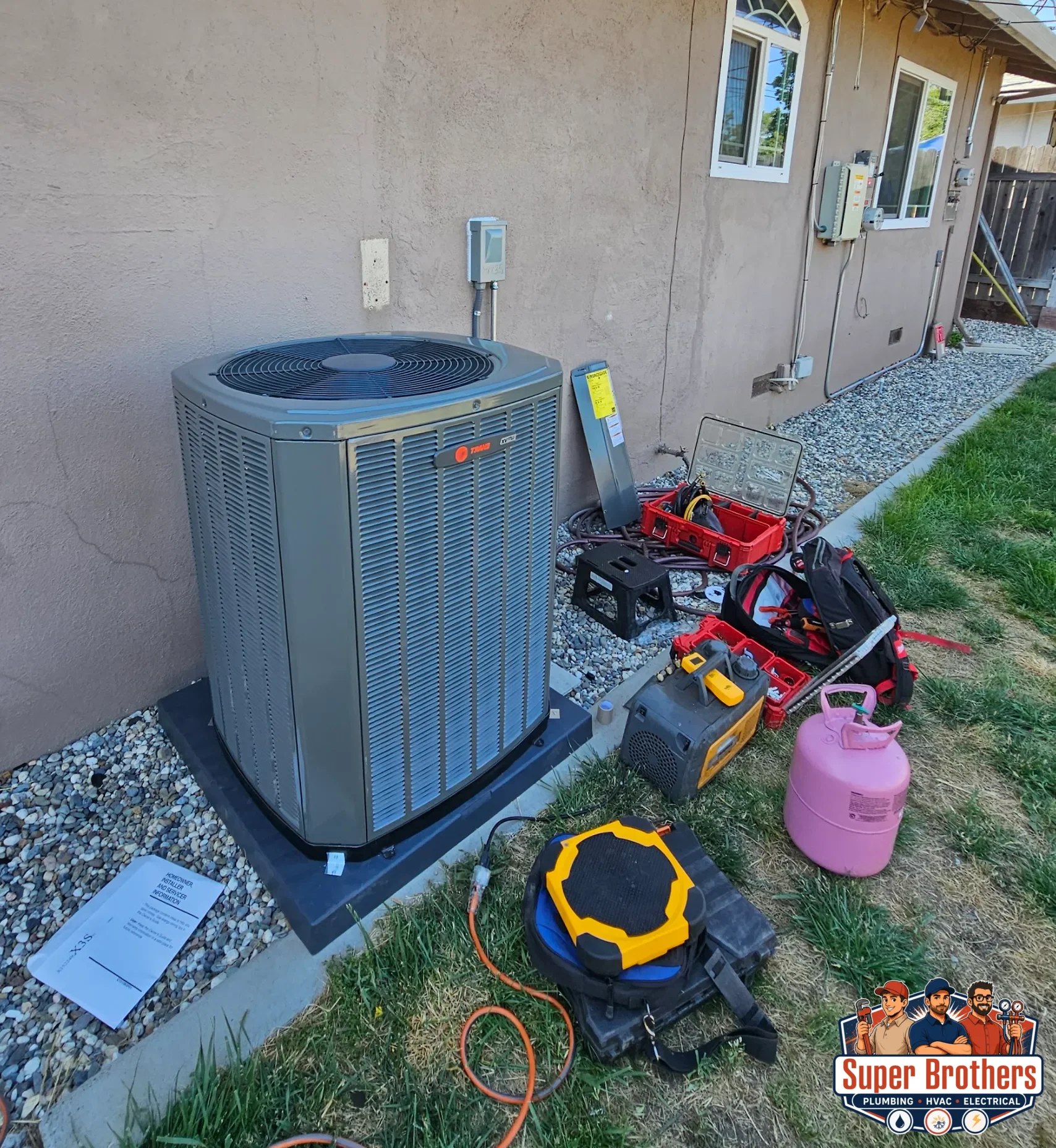
A rising electric bill can be one of the first signs that the system is working harder than it should. If the weather has not changed much and your daily use is about the same, the equipment may be losing efficiency. A dirty filter, restricted coil, weak blower motor, leaking duct, or low refrigerant charge can make the unit run longer. The U.S. Department of Energy air conditioner maintenance guide explains that neglected maintenance can reduce performance and increase energy use.
Warm Air Coming From the Vents
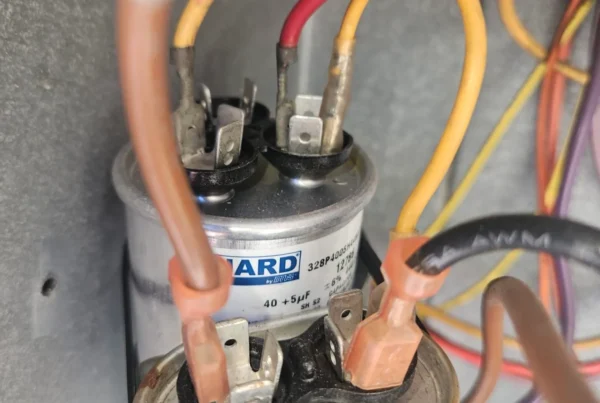
Warm air from the vents means the cooling side is not doing its job. Start with the thermostat because the setting may have been bumped, set too high, or switched to the wrong mode. If the thermostat is correct and the air still feels warm, the problem may come from low refrigerant, a dirty outdoor coil, a failing capacitor, or a compressor issue. Do not keep lowering the thermostat to force colder air because that usually makes the system run longer without fixing the cause.
Weak Airflow Inside the House
Weak airflow can make some rooms uncomfortable even while the unit keeps running. Check the air filter first because a clogged filter can slow air movement and strain the system. The ENERGY STAR HVAC maintenance checklist recommends inspecting, cleaning, or changing filters regularly, especially during heavy heating or cooling months. If a clean filter does not improve airflow, the issue may be inside the ductwork, blower assembly, evaporator coil, or return air path.
Unusual Noises From the AC Unit
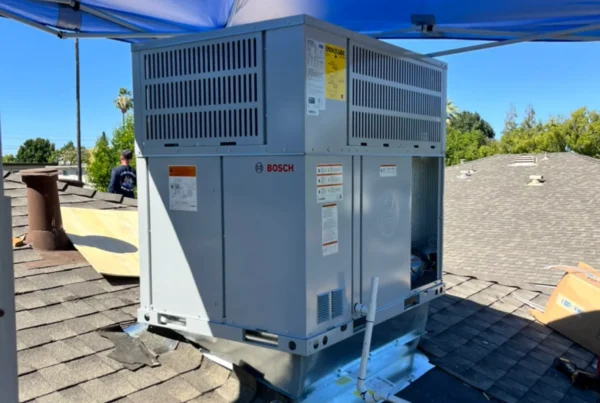
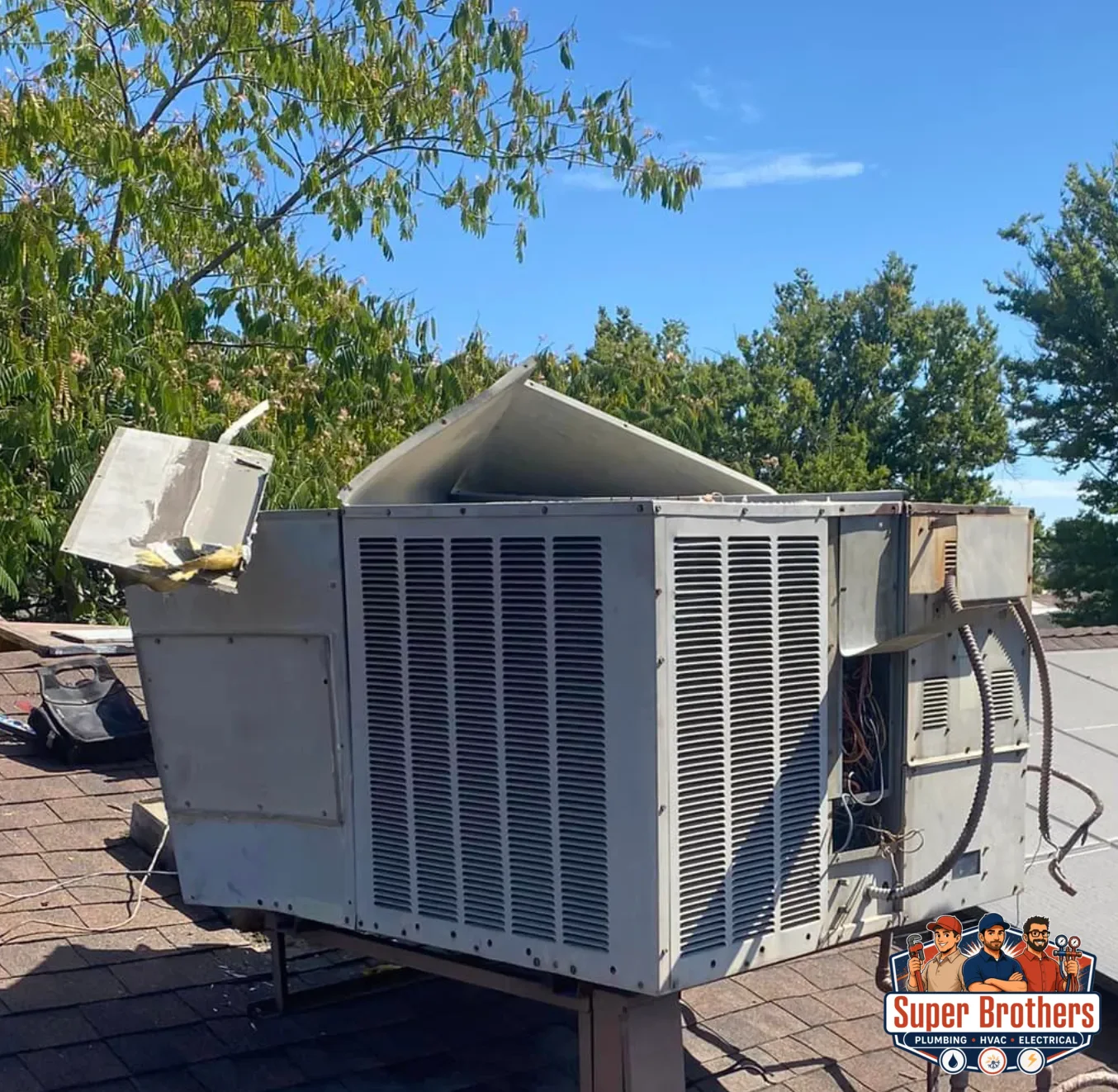
A healthy system should not grind, bang, scrape, screech, or rattle loudly during normal operation. A sharp squeal can point to a belt, bearing, or motor problem, while a banging sound may mean a loose or failing part inside the equipment. Rattling near the outdoor unit may come from loose panels, debris, or a fan issue. Shut the system off if the noise sounds severe because running it can turn a repairable part into a larger failure.
Bad Smells When the System Turns On
A musty smell from the vents can mean moisture is sitting inside the system or ductwork. Moisture problems should be taken seriously because indoor mold growth is tied to water or damp surfaces. The EPA guide to mold and moisture in homes explains that controlling moisture is the main way to control mold growth. A burning smell is different, and the safer move is to turn the system off and call for service before using it again.
Ice Building Up On The AC Unit
Ice on the refrigerant line or evaporator coil is not normal during cooling. It can happen when airflow is restricted, the coil is dirty, the blower is not moving enough air, or the refrigerant level is too low. Letting the system run while it is frozen can stress the compressor and may lead to a more expensive repair. Turn the cooling off, let the ice thaw, and have the cause checked before restarting normal use.
Short Cycling Or Frequent Shutoffs
Short cycling means the system turns on and off too often instead of completing a normal cooling cycle. That behavior can come from an oversized unit, a clogged filter, a thermostat problem, a dirty coil, low refrigerant, or an electrical fault. The constant stopping and starting is rough on motors and controls. It also makes the home less comfortable because the system does not run long enough to move air properly or remove enough humidity.
Repeated Repairs On An Older System
One repair does not always mean the system should be replaced. Repeated repairs are different because they show the equipment is becoming less reliable. If the system is older and the repair involves a major part, compare the repair cost with the cost of installing newer equipment. A technician should also look at the condition of the ductwork, electrical connections, refrigerant circuit, and indoor coil before you spend money on another repair.
When To Call For HVAC Repair
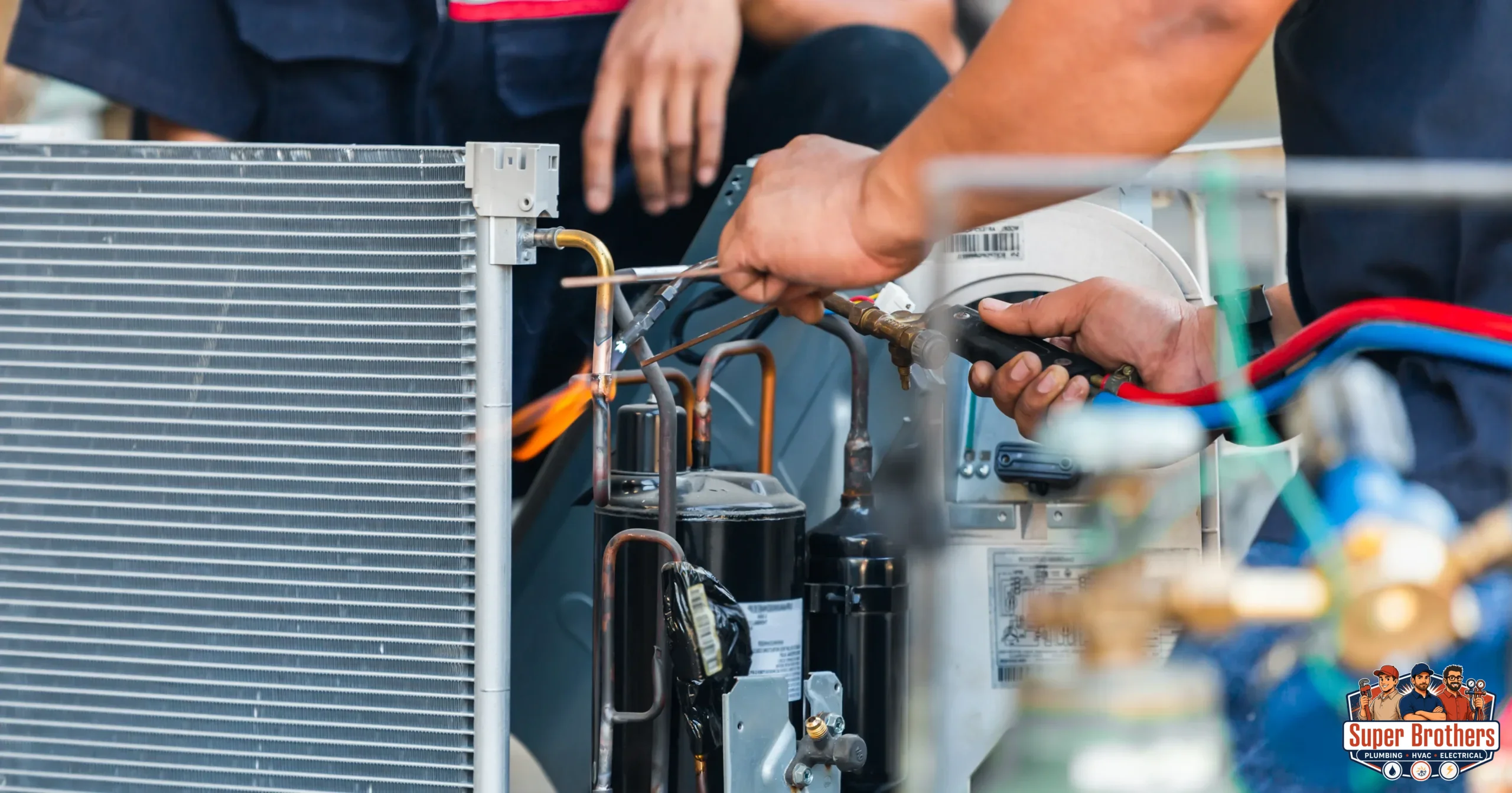
Call for repair when the system blows warm air, trips the breaker, makes harsh noises, leaks water, freezes up, or leaves rooms far from the thermostat setting. You should also call when the bill jumps and basic checks do not explain the increase. Replacing a filter and opening blocked vents are safe homeowner steps, but refrigerant work, electrical testing, and compressor diagnosis should be handled by a qualified technician. Acting early gives you a better shot at fixing one problem instead of dealing with several damaged parts at once.