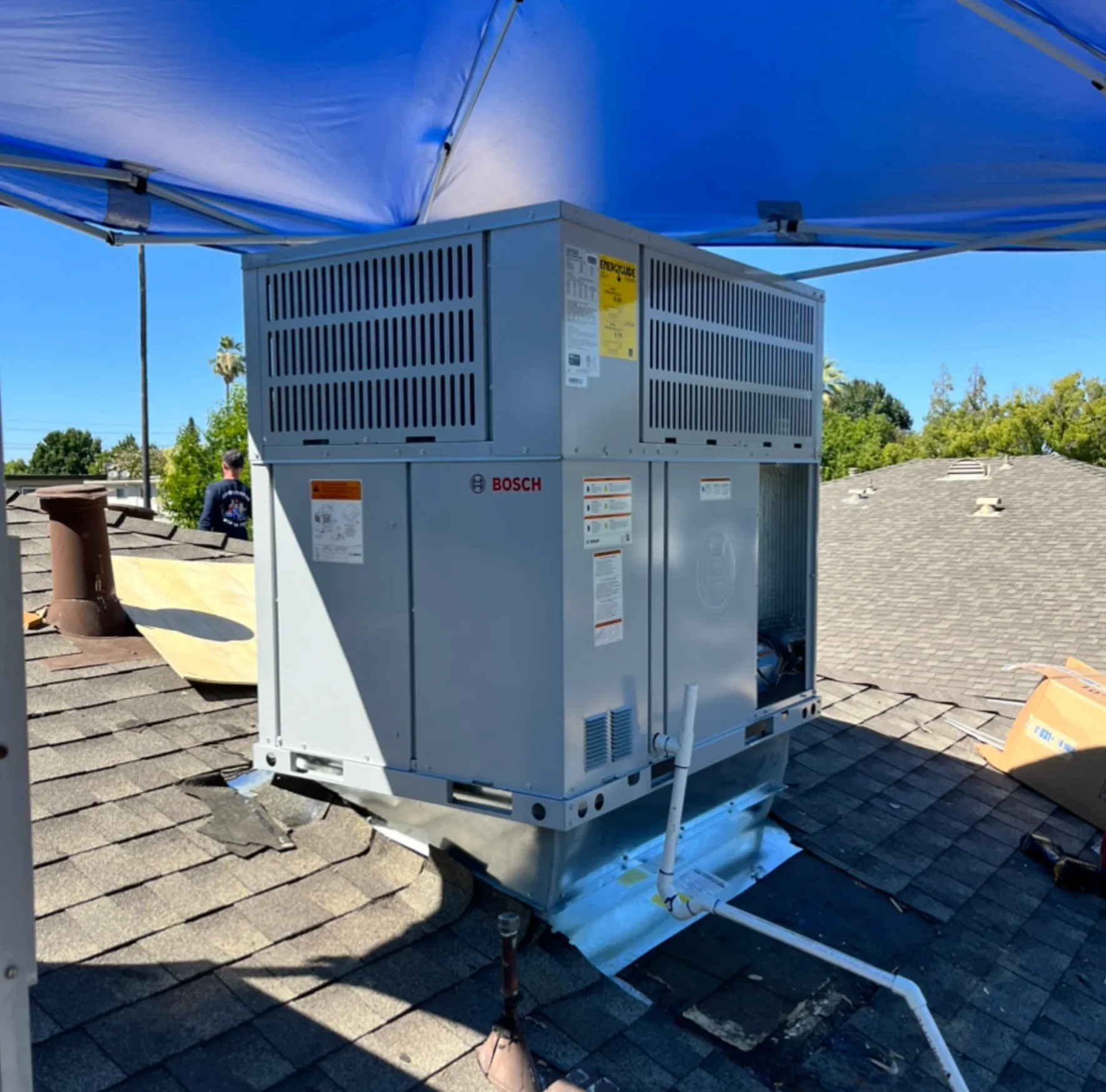
AirCon Struggle
When California temperature reaches 100 degrees, your air conditioner may seem like it has quietly joined a union and requested extra breaks. It runs longer, the thermostat moves slowly, and the upstairs starts feeling like a separate climate zone. Across Sacramento and the warmer Bay Area, this is a familiar summer problem.
A hard-working AC is not automatically a broken AC. Extreme heat makes your home gain heat faster while making the outdoor unit work harder to release it. The real question is whether the system is keeping up reasonably or showing signs of an actual problem.
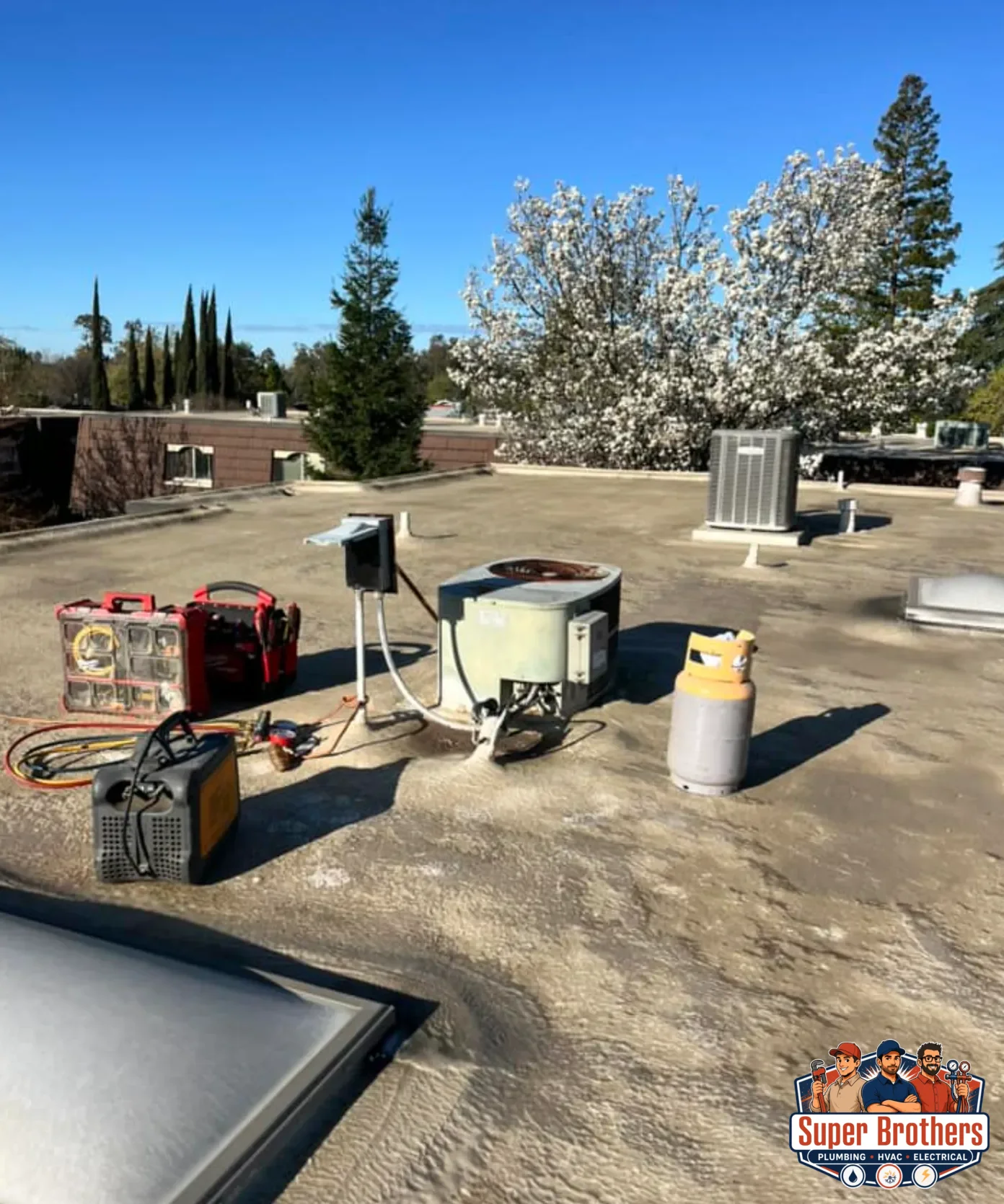
Your Home Is Absorbing More Heat
On a mild day, your AC removes heat while the house gains it at a manageable pace. At 100 degrees, the roof, attic, walls, windows, and concrete around the home collect heat for hours. Gaps around doors, thin insulation, sunny glass, and leaky ducts give that heat an easy route indoors. Sacramento homes often face long afternoons of direct sun and very hot attics. Coastal neighborhoods may cool sooner, while inland Bay Area communities can stay hot into the evening. Your AC is not only cooling the air; it is also fighting heat stored throughout the building.
The Outdoor Unit Has a Harder Job
An air conditioner moves heat from inside your home to the outdoors. The outdoor unit must release that heat into the surrounding air, which becomes harder as the temperature climbs. At the same time, the house needs more cooling, so the equipment gets squeezed from both directions.
That is why a system may hold 74 degrees in the morning but drift warmer late in the afternoon. The thermostat is asking for more during the equipment’s toughest conditions. A small rise may be normal, especially in sunny rooms or on upper floors.
The “20-Degree Rule” Is Often Misunderstood
You may have heard that an AC can cool a house only 20 degrees below the outdoor temperature. That is not a universal limit, and a 100-degree day does not automatically require an 80-degree home. Comfort depends on the equipment, insulation, windows, shade, ducts, air leaks, and local weather.
Technicians often compare the air entering the system with the cooled air leaving it. That is different from comparing your thermostat with the outdoor temperature. Do not diagnose the whole system with one social media rule and a kitchen thermometer.
Proper AC Sizing Matters
Air conditioners should be selected using the actual features of the home, not only square footage or a quick guess. Windows, insulation, duct location, shade, and home orientation all change cooling needs. American lung association has these 10 recommendions for action to prtect from het, proper ac unit sizing is a key factor because bigger equipment is not automatically better.
A correctly sized hvac system may run for long periods during the hottest hours of the year. Steady operation can maintain comfort better than constant starting and stopping. An undersized or aging system may fall behind sooner.
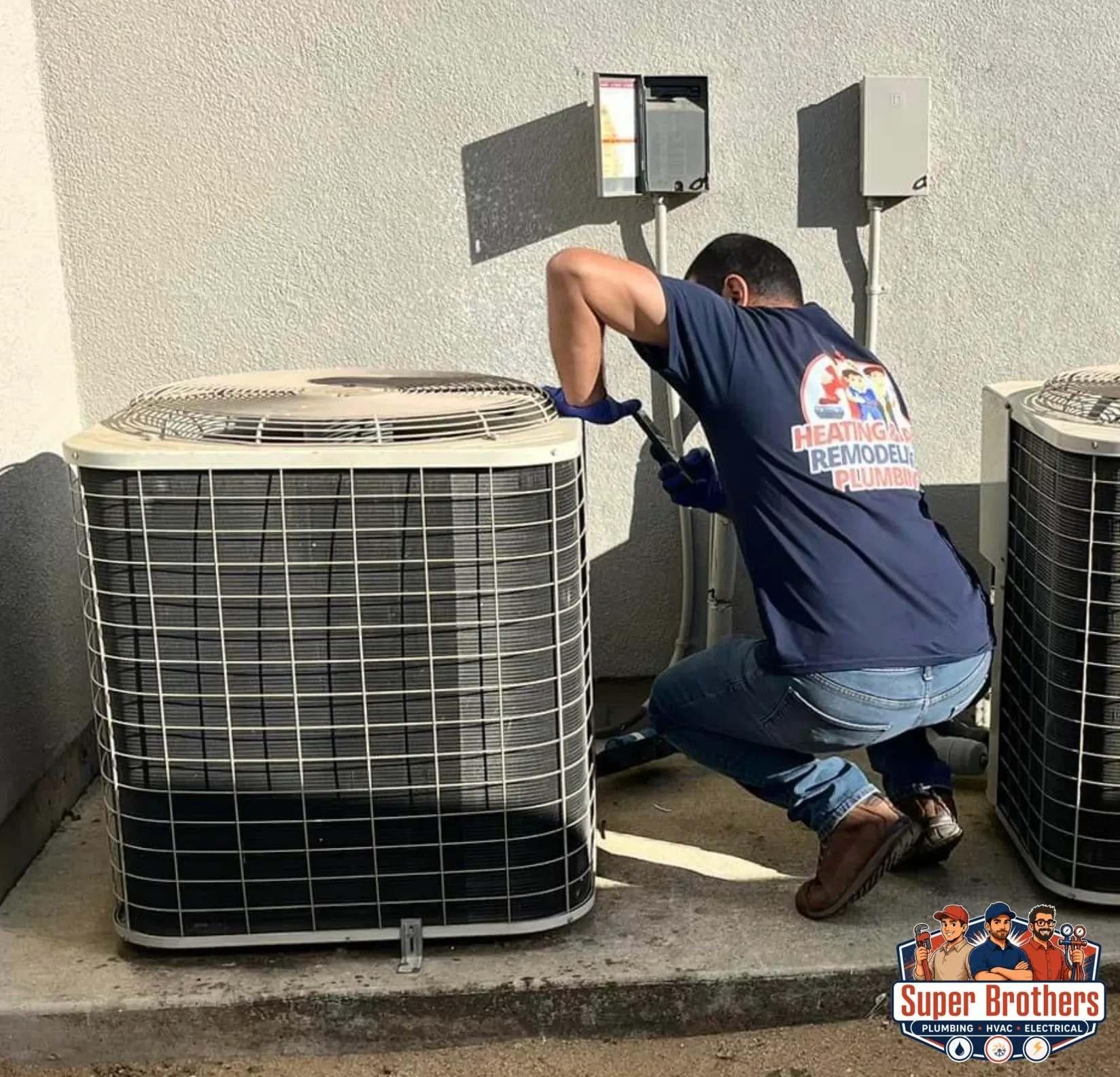
Small Problems Show Up
A slightly dirty filter may seem harmless in May but become a bottleneck in July. Restricted airflow, dirty coils, low refrigerant, duct leaks, or aging parts can reduce cooling. On a 100-degree day, the system has little spare capacity to cover for those problems.
ENERGY STAR recommends checking filters monthly during heavy-use seasons and replacing them when dirty. Dirty coils can also make the system run longer and use more energy. Summer heat has a talent for finding every maintenance task moved to “next weekend.”
Your House May Be Helping the Heat
West-facing windows add afternoon heat, while leaky attic ducts may lose cooled air before it reaches bedrooms. Running the oven and dryer at 5 p.m. adds more heat just as your AC enters boss-battle mode. Close blinds early, use ceiling fans in occupied rooms, and limit heat-producing appliances during peak afternoon hours.
SMUD recommends fans, closed blinds, clean filters, and smart thermostat use during hot weather. PG&E also notes that ceiling fans may let some households raise the thermostat without losing comfort. These steps will not repair a failing AC, but they can reduce its workload.
What You Can Check First
Simple checks can reveal an easy problem without opening equipment. Give the system time, especially if the house was already hot. Then review the basics:
- Confirm the thermostat is on “cool,” the fan is on “auto,” and the filter is clean.
- Make sure supply and return vents are open and not blocked by furniture or rugs.
- Clear leaves and loose debris from around the outdoor unit without opening its panels.
- Close sunny blinds and avoid unnecessary oven, dryer, and dishwasher use during peak heat.
Do not open sealed panels, spray electrical sections, or try to add refrigerant yourself. Refrigerant and electrical testing require training. A DIY video should not become the origin story for a larger repair bill.
When to Call an HVAC Specialist
An AC that runs most of the afternoon may be doing exactly what it was designed to do. The situation is more concerning when performance changes suddenly, airflow becomes weak, or the home cannot recover after sunset. Warm air, burning smells, water, ice on the lines, or repeated breaker trips deserve attention.
- Call (916) 426-7797 promptly when the system blows warm air, shuts down repeatedly, trips a breaker, or produces a burning smell.
- Schedule an evaluation when cooling has weakened, certain rooms stay hot, or energy use has jumped.
A will should inspect the complete system instead of blaming one part by default. Airflow, coils, refrigerant, electrical parts, the thermostat, ducts, and sizing can all affect cooling. The goal is to find the actual cause, not the most dramatic answer.
Make Heat Waves Easier on Your AC
Use a reasonable thermostat schedule, close window coverings before direct sun arrives, and run ceiling fans only in occupied rooms. SMUD and PG&E commonly suggest a 78-degree summer setting when health and comfort allow. That number is a starting point, especially for older adults, babies, pets, or people with medical needs.
Prepare Before Northern California Hits Triple Digits
The best time to prepare an AC for a 100-degree afternoon is before the forecast reaches triple digits. Seasonal maintenance can catch dirty coils, worn parts, drainage trouble, and airflow restrictions before a heat-wave failure. It also gives you time to discuss repair or replacement without making a rushed decision in a hot living room.
Super Brothers Plumbing, Heating & Air serves Sacramento and Bay Area homeowners with AC maintenance, repair, and replacement. Learn more about our HVAC services or request AC repair in Sacramento. An inspection can show whether the system is working through extreme weather or needs help.
Frequently Asked Questions
Is it normal for an AC to run all day when it is 100 degrees?
It can be normal for a properly sized system to run for long periods during the hottest part of the day. What matters is whether it holds a steady temperature and produces cool airflow. A sudden performance drop or warm air from the vents may point to a problem.
Should I lower the thermostat to cool the house faster?
Usually, no. Most standard systems cool at the same basic rate whether the thermostat is set to 75 or 65 degrees. A low setting may keep it running longer without cooling faster.
What thermostat setting is best during a heat wave?
Many utility recommendations begin around 78 degrees when health and comfort allow. Your safe setting may be lower for people or pets in the home. Fans, closed blinds, clean filters, and reduced appliance use can help.
Does the AC need repair if the house gets warmer late in the day?
Not always, because late afternoon is often when heat gain is highest. A small rise can happen upstairs or in sunny rooms. Service is sensible when the change is new, severe, or continues after outdoor temperatures drop.
ENERGY STAR: Heat and Cool Efficiently
ENERGY STAR: HVAC Maintenance Checklist
ENERGY STAR: HVAC Quality Installation
SMUD: Heating and Cooling Tips
PG&E: Summer Energy-Saving Tips