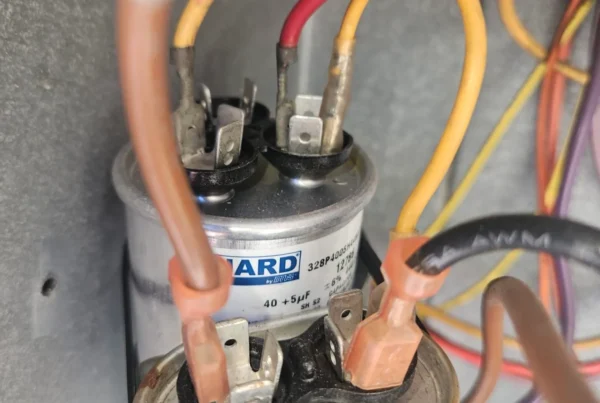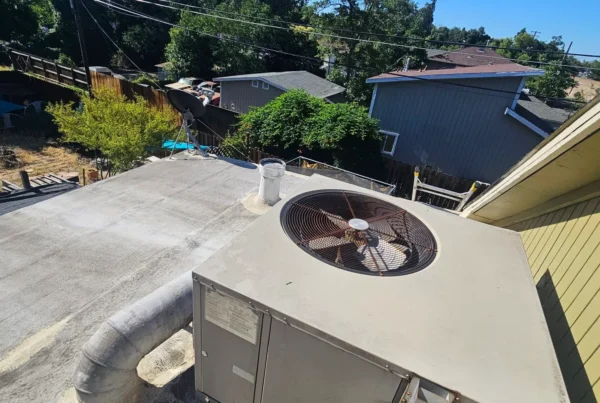

In Sacramento, people do not need a speech to know when an air conditioner is getting tired. They feel it at six in the evening, when the house is still warm and the system has been running since lunch. A capacitor gets changed, the unit clicks back on, and the repair sounds fine for about five minutes. Then the same old machine drags through another hot spell and leaves the homeowner hoping it can survive one more weekend.
A capacitor has a real place in AC service, and no honest contractor should pretend otherwise. Still, on an older system that already has weak cooling or long run times, especially with rough starts, that part swap can turn into a small payment made right before a larger failure. Super Brothers sees that pattern in Sacramento homes every summer. The smarter move is often a complete install that fixes the full cooling problem instead of restarting a unit that is already on borrowed time.
Why the capacitor conversation gets people in trouble
A capacitor is not magic, and it is not a scam either. It is one part that helps motors start and run, which means a failed capacitor can absolutely stop an outdoor unit from coming on. The trouble starts when that one failure distracts everyone from the rest of the system. A dead capacitor on a healthy unit is a repair, while a dead capacitor on a worn-out system is often just the first obvious symptom.
Homeowners lean toward the quick fix because the house is hot and the bill looks smaller. That reaction makes sense. What does not make sense is acting like every no-cool call should end with the same cheap part and a smile. In Sacramento, old equipment gets exposed fast once the heat hangs on into the evening, so weak compressors and tired coils stop hiding the moment the load stays high.

What Sacramento homes do to aging AC equipment
Local heat is not a theory here. A house in Arden-Arcade can stay comfortable in the morning and still feel sticky by late afternoon if the system is fading and the attic is baking the ductwork. In East Sacramento, older homes often come with quirks left behind by remodels done years apart. In Elk Grove or Natomas, a newer house may still punish a weak unit once the second floor holds heat all day.
That is why a complete install has to be looked at through a Sacramento lens instead of through a canned sales pitch. The local issue is rarely just old equipment by itself, because many homes around Sacramento have patched duct runs. Some also have rooms that never match the hallway thermostat, or return air that was never right in the first place. A fresh capacitor does not solve that kind of house, and pretending it does only burns time that could have gone toward a permanent fix.
Why a complete install changes the outcome
The house has to be evaluated before the equipment gets picked
A real AC install starts with the home, not with a truck inventory sheet. The Department of Energy notes that central air has to be properly sized, because an oversized unit can miss humidity control and an undersized unit can struggle on the hottest days. That point matters in Sacramento, where long hot afternoons punish lazy sizing decisions fast. Super Brothers does the job correctly when the recommendation comes from the house itself instead of from whatever size happened to be there last time.
That sounds obvious, but plenty of replacements still get sold off the old nameplate and nothing else. A homeowner may hear that the current unit is four tons, so the new one should be four tons too, and the conversation stops there. That shortcut ignores insulation upgrades and additions, and it misses rooms that now serve a different purpose than they did ten years ago. If the house changed, the load changed, and the install has to respect that.
Airflow has to be part of the installation, not an afterthought
New equipment cannot save bad airflow. ENERGY STAR says quality installation includes proper design and optimized airflow, which is why a real contractor checks more than the condenser outside. If return air is restricted or supply ducts are crushed in the attic, the house will still cool unevenly no matter how nice the brochure looked. Homeowners then blame the new system, when the real problem was carried over from the old one.
This is one of the biggest differences between patchwork service and full replacement done the right way, because a rushed repair only asks how to get the machine running again today. A full install should ask why the back bedroom stays warm. It should also ask why the living room lags and why the old unit never seemed to shut off before dark. Once those answers are on the table, the new system has a real chance to perform like new.
Setup work still decides how the system lives
Most homeowners never see the behind-the-scenes work that separates a clean install from a sloppy one. The electrical side matters because the system only works as well as the support around it, and start-up settings matter too. In an older Sacramento house, past repairs can leave odd surprises near the panel or beside the air handler. A company that installs equipment without cleaning up those details is asking the new unit to inherit old trouble.
Good contractors know that installation day is not the finish line. The system should be checked and commissioned before anyone packs up, then explained in plain language. That means confirming operation and making sure the homeowner understands what normal sounds like. If the crew cannot show why the new system is working correctly, the homeowner is being asked to trust a shiny cabinet and a promise.
Why permits and code are part of the same decision
Permits are not glamorous, though they matter more than homeowners think. Sacramento County’s Building Permits and Inspection FAQ lists residential heating and cooling installs or replacements among projects that go through the permit process. That matters because AC replacement is not just a box swap in the yard but a mechanical job tied to safety and accountability. It also affects how well the system performs.
Local code has also moved, and that changes how contractors should talk to homeowners right now. The California Energy Commission states that permit applications submitted on or after January 1, 2026 must comply with the 2025 Energy Code. That does not mean every house needs the same setup. It does mean the contractor should already know the rules that apply before promising a price and a timeline.
When one more repair stops being the cheap option
Homeowners usually compare repair and replacement the wrong way. They look at the immediate invoice and ignore the cost of losing another weekend to a breakdown in July. The cheaper line item on paper can still be the more expensive choice after another service call and another bad night of sleep. That is why the honest comparison is temporary restart versus dependable cooling.
An old system usually leaves clues before it quits for good. The air is cooler than room temperature, though not cold enough to pull the house down with any authority. The outdoor unit sounds rough on startup, and the cycle times keep stretching longer as the weather gets hotter. Once those signs pile up, paying for another capacitor can feel like putting new shoelaces on boots with holes in the soles.
How refrigerant changes affect replacement decisions
Refrigerant rules are one more reason replacement conversations are different now than they were a few years ago. The EPA says that, beginning January 1, 2025, certain new residential air conditioning and heat pump equipment may no longer use higher global warming potential HFCs. That does not force every older unit out of service overnight. It does mean homeowners should stop assuming the easiest long-term path is to keep feeding money into outdated equipment and hope the service path stays simple.
This is where a good local contractor earns their keep. The homeowner does not need a chemistry lecture in the driveway. They need to know what equipment is being installed, what refrigerant platform it uses, and why that choice fits a Sacramento house they plan to live in for years. Super Brothers should be able to explain that without turning the conversation into a trade-school exam.
Why Sacramento homeowners should look at rebate math
Replacement decisions are not only about avoiding breakdowns. They are also about choosing the version of the job that pencils out best over time, and local utility programs can move that math in a real way. SMUD offers rebates on qualifying heat pump heating and cooling systems through its participating contractor network, with current program details posted on the utility’s website. A Sacramento-area homeowner who skips that check is ignoring money that may help shape the project.
That does not mean every house should jump straight to the same equipment package. Some homes need duct work first, and some owners want to compare a straight AC replacement with a heat pump before making the call. The point is simpler than that. A contractor should be able to discuss the local rebate picture honestly instead of acting like every decision exists in a vacuum.
What Super Brothers should be doing on installation day
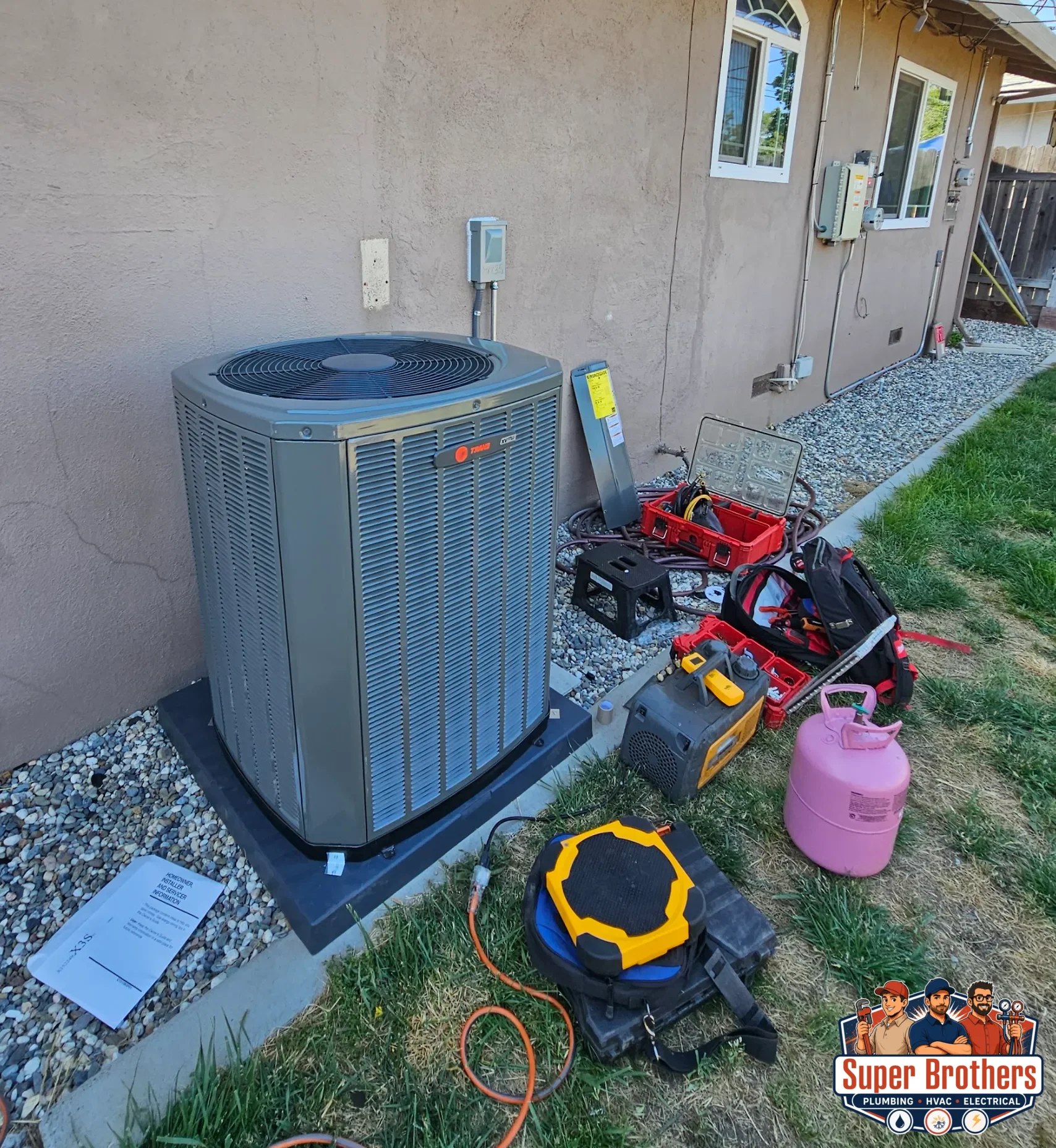
A proper install does not feel like a mystery while it is happening. The crew should protect the work areas and remove the old equipment cleanly, then set the new system correctly and test the operation before the day wraps. There will be noise and attic trips, because this is real mechanical work inside a real house. What there should not be is confusion about the scope or a shrug when the homeowner asks what was actually fixed.
Good install crews also understand that homeowners notice different things than technicians do. The family wants to know when the air will be back on. They also want to know what changed at the thermostat and why the system sounds different from the old one, and those are fair questions. A practical contractor answers them without hiding behind jargon or talking down to the people paying for the job.
What homeowners should notice after the job is done
The first sign of a good replacement is not a marketing badge stuck on the equipment. It is the feel of the house. Rooms should start coming down in temperature without the old lag, and the system should sound settled instead of strained. A living room that used to stay warm until bedtime should not need another full season of excuses.
Why the “just get it through the summer” mindset backfires
That phrase sounds harmless until it stretches across two summers and four service invoices, and homeowners say it because they are busy or because the old unit still runs on some days. Replacement feels easier to postpone than a roof problem they can actually see. Air conditioning problems hide in plain sight, which makes delay feel reasonable right up to the day the house will not cool at all. Then the schedule gets tighter and the decision gets made under pressure instead of on purpose.
That is why the smarter time to replace a failing system is often before the next emergency call. Not after the Sunday breakdown. Not after another warm night with fans in every doorway. A complete AC install by Super Brothers should be sold as a practical fix for a Sacramento home that needs dependable cooling, not as a panic purchase made after one more capacitor swap failed to save a dying unit.
FAQ for Sacramento homeowners
How do I know if my system is actually dying and not just having a small problem?
Look at the pattern instead of one isolated repair. If the unit struggles to cool in late afternoon, starts loudly, or keeps needing service, the larger story is already there. A single failed part on a healthy system is normal enough. A failing system usually comes with recurring symptoms that show up under real Sacramento heat.
Can a capacitor repair still make sense?
Yes, it can, and any honest article on AC work should say that clearly. On a newer system with solid cooling performance and no deeper signs of wear, replacing a failed capacitor is a routine repair. The problem is using that repair to prop up a unit that already has weak capacity or repeated breakdowns. In that case, the part may restore operation for a moment without restoring reliability.
How long does a full AC install usually take in a Sacramento home?
Many residential change-outs can be done in a day, though some jobs run longer because the house needs more than equipment replacement. Duct corrections can add time, and so can electrical updates or permit coordination, which is not a red flag by itself. It is usually a sign that the contractor is dealing with the actual house instead of pretending every job is identical. Fast is nice, though correct is what saves money after the crew leaves.
Will a new AC automatically fix hot rooms upstairs or in the back of the house?
Not automatically, and that is where many bad sales conversations go sideways. If those rooms are warm because of duct restrictions or return air problems, new equipment alone may not fix it. The same goes for heat gain that the old system never handled well, which a proper install process should identify before the quote gets signed. The goal is not to replace one struggling system with a newer system that struggles in the same rooms.
What should I ask Super Brothers before I approve the install?
Ask how the equipment was sized for your house. Then ask what duct or airflow issues were found and what permit path applies to your address. Ask what refrigerant platform the new system uses and what the crew will verify before calling the job complete, because those are practical questions, not technical trivia. A company that is doing the work correctly should be ready to answer them clearly.