3 Reasons to Tune…up
Most homeowners hear “HVAC tune-up” and picture a quick visit with a filter change and a clipboard. The useful version is plain work: check the equipment, clean what blocks performance, test the parts that carry load, and catch weak spots before summer or winter makes the system work harder. A Technician should be looking at airflow, electrical connections, coils, drains, thermostat behavior, refrigerant condition, and the way the unit actually runs under demand. That matters because HVAC problems usually build slowly, then show up fast when the house is already uncomfortable.
Reason One: A Tune-Up Protects Airflow
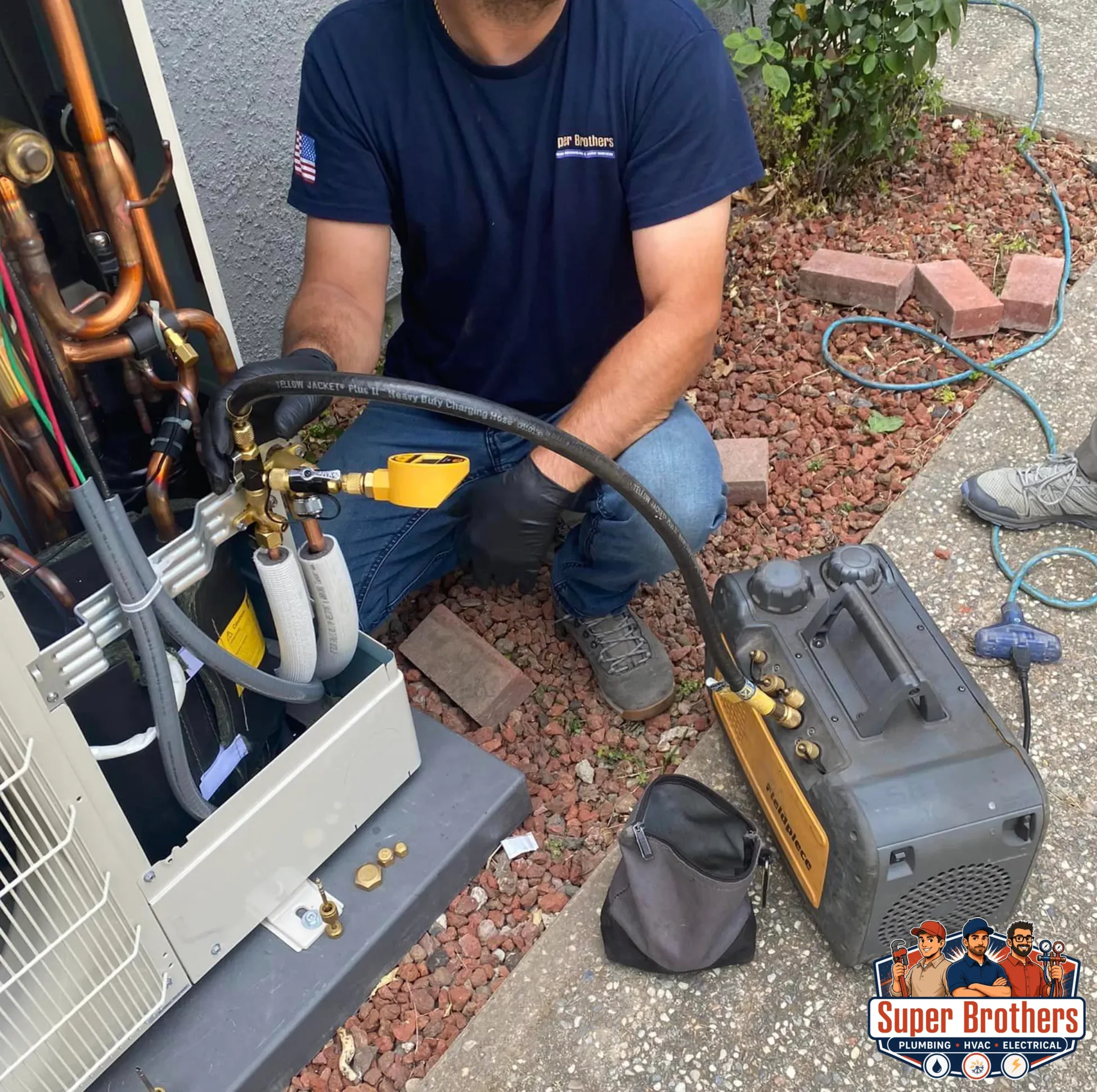
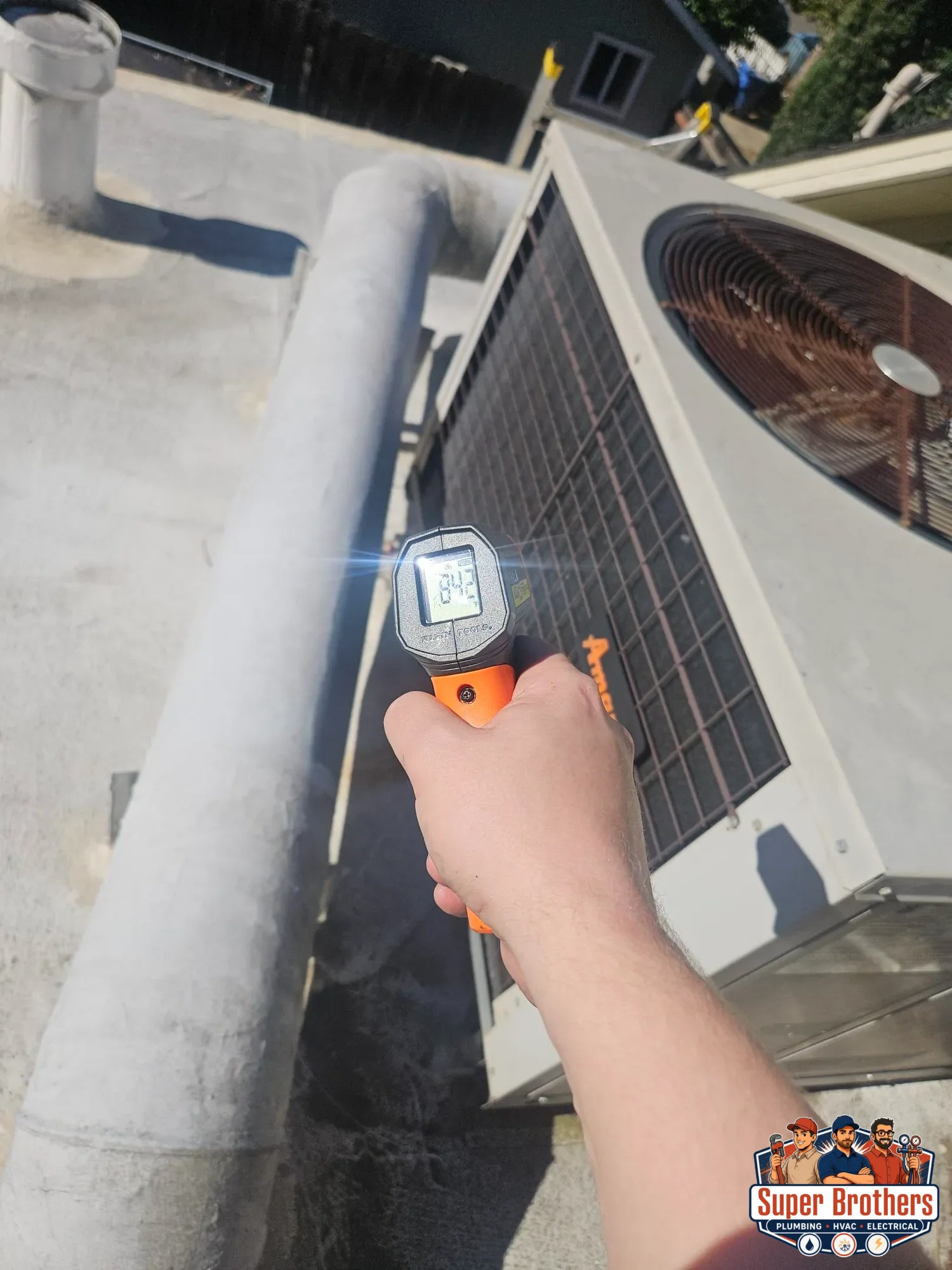
Airflow is the first thing worth protecting because the whole system depends on it. A dirty filter, dusty blower wheel, blocked return, matted coil, or bent fin can make a decent unit act weak. The Department of Energy explains that dirty, clogged air conditioner filters reduce airflow and system efficiency, and that dirt can reach the evaporator coil when air starts bypassing the filter; their air conditioner maintenance guidance is worth reading if you want the technical reason behind the filter advice. During a real tune-up, the technician should inspect the filter setup, check visible coil condition, look for outdoor debris, and make sure the unit has room to move air.
Reason Two: A Tune-Up Finds Small Electrical And Drain Issues
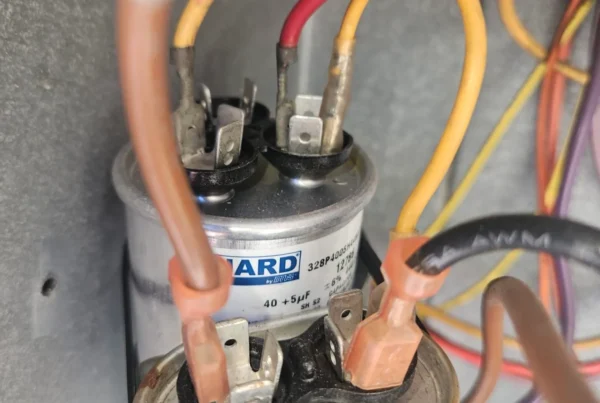
Electrical problems do not always start with a dead system. A loose connection, weak capacitor, tired contactor, failing motor, or poor control sequence can let the unit run while slowly damaging expensive parts. ENERGY STAR’s HVAC maintenance checklist includes tightening electrical connections, measuring voltage and current on motors, checking controls, inspecting condensate drains, cleaning coils, and checking refrigerant level where needed. Those are not fancy extras; they are the basic checks that separate a useful maintenance visit from a rushed visual glance.
Reason Three: A Tune-Up Gives You A Cleaner Read On Comfort Problems
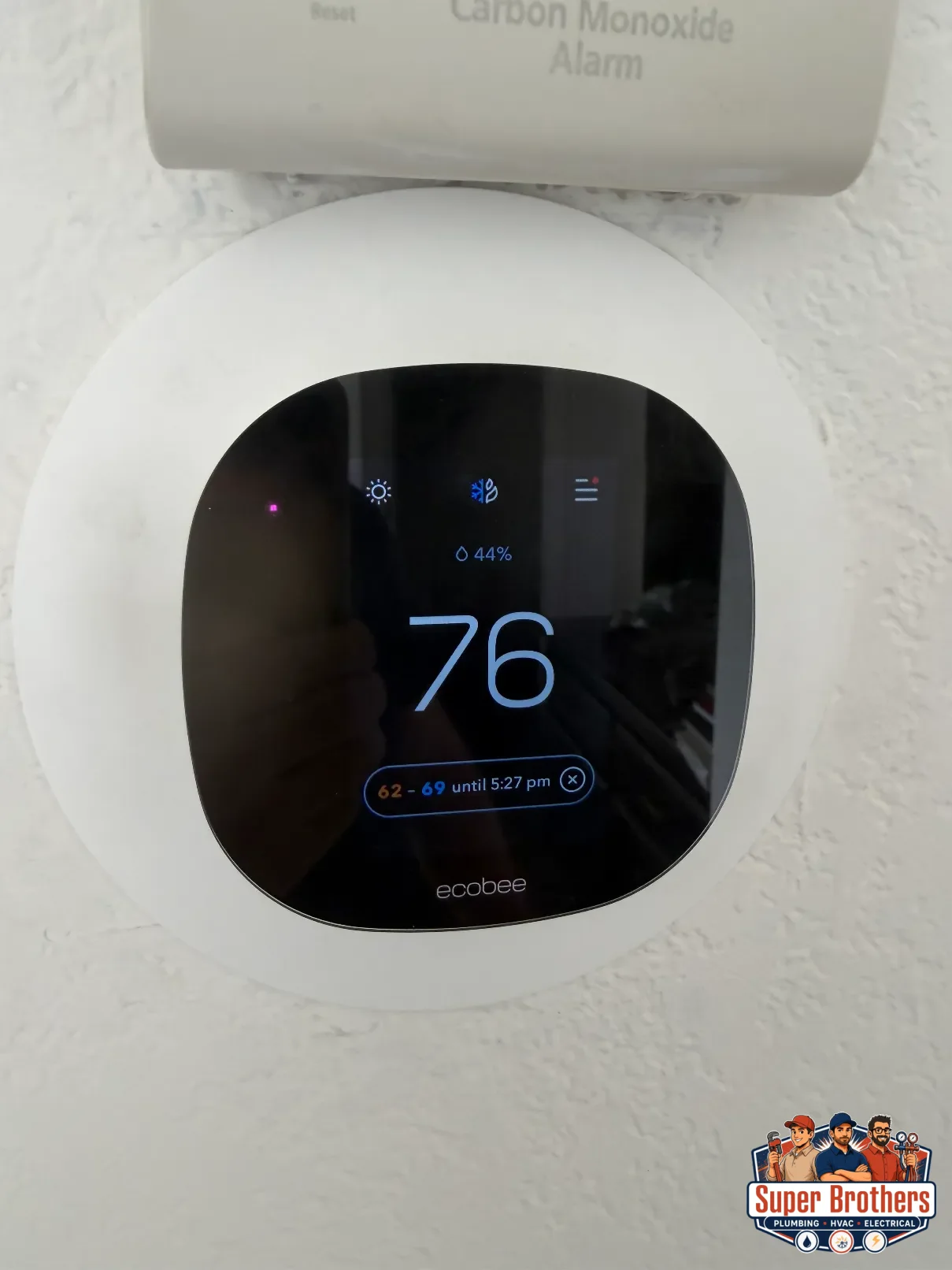
A tune-up can help explain why one room feels stale, why the unit runs too long, why the thermostat satisfies slowly, or why the house feels humid even while the air conditioner is on. The EPA notes that indoor air quality is affected by source control, ventilation, and filtration, and its indoor air quality guidance gives homeowners a better frame for thinking about air inside the home. HVAC maintenance has limits. It can still reveal a clogged filter, dirty blower area, poor drain performance, duct leakage symptoms, or airflow restriction that makes comfort worse.
The Wallet-Shut Reason: Do Not Pay For Maintenance To Hide A Bad System
There is a point where another tune-up is the wrong move. If the same system keeps needing repairs, the energy bills keep climbing, and the equipment is already old, paying for another small visit can become a quiet leak in the budget. ENERGY STAR says replacement may be worth considering when a heat pump or air conditioner is over 10 years old, when equipment needs frequent repairs, when bills are rising, or when rooms stay too hot or too cold; their replacement guidance gives a practical starting point. A good technician should say when maintenance is still sensible and when the equipment is turning into a repair cycle.
What A Real Tune-Up Should Include
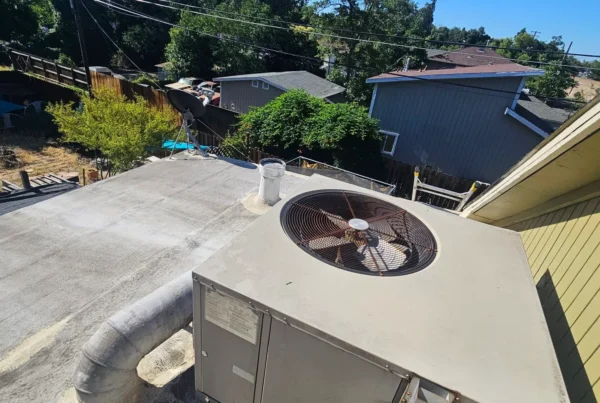
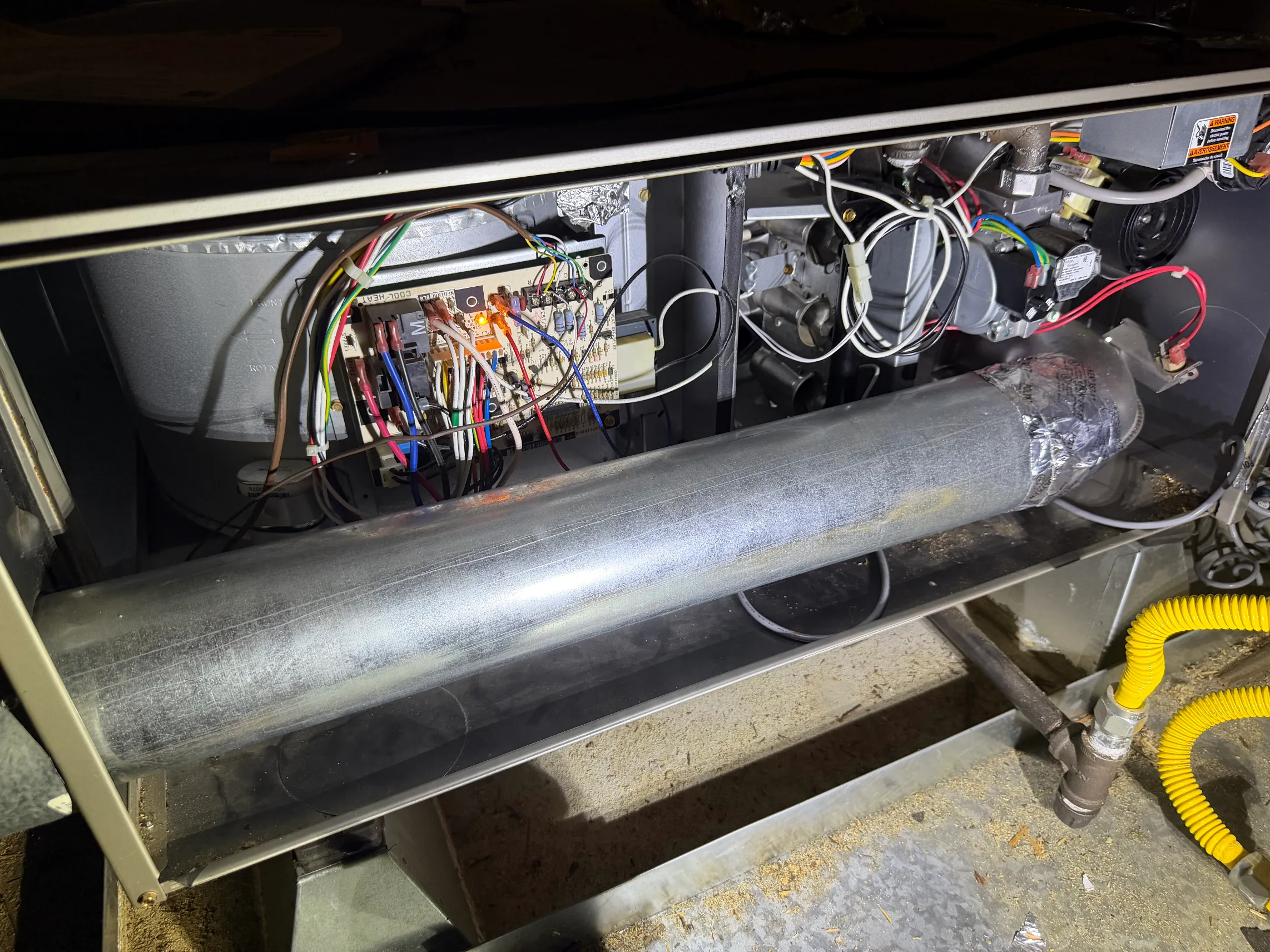
A solid HVAC tune-up should feel specific. The technician should check thermostat operation, inspect the filter, look at the indoor and outdoor equipment, clear obvious debris around the condenser, inspect the condensate drain, test electrical components, listen for abnormal motor noise, and record findings in normal language. For cooling systems, coil condition and airflow need real attention because both affect capacity. For gas heating equipment, combustion-related checks and safety observations matter, and those should be handled by a qualified HVAC professional.
What Homeowners Can Handle Between Visits
Homeowners can do useful work without opening the equipment cabinet. Check the filter monthly during heavy use, especially when pets, dust, remodeling work, or constant system operation are part of the home. Keep leaves, grass clippings, storage bins, and other junk away from the outdoor unit so the condenser can breathe. Pay attention to new sounds, weak airflow, water around the indoor unit, burning smells, short cycling, and rooms that suddenly stop matching the thermostat setting.
How Often To Tune The System
For many homes, one maintenance visit before heavy cooling season and one before heavy heating season is a clean schedule. A heat pump works in both seasons, so skipping attention for years is a bad bet. A newer system may only need standard seasonal care, while an older system should be watched more closely because weak electrical parts and dirty heat-transfer surfaces can punish the compressor or blower. The exact service pattern should follow the equipment type, manufacturer guidance, local weather, and how hard the home actually uses the system.
When To Call Before The Scheduled Visit
Do not wait for the calendar if the unit starts acting strange. Shut the system down and call for service if you smell burning, see water near the indoor unit, hear grinding or loud buzzing, or notice the outdoor unit running while the indoor blower stays off. A thermostat that keeps dropping calls, a breaker that trips again, or a system that runs constantly without changing the indoor temperature deserves attention. Those symptoms can point to electrical stress, drainage trouble, airflow failure, or a mechanical problem that should be checked before more damage stacks up.
Finally
Tune the HVAC when the visit gives you cleaner airflow, safer operation, better information, and fewer avoidable breakdowns. Keep your wallet shut when the system is old, repeatedly failing, and already telling you that small visits are no longer solving the real issue. The right answer is thoughtful maintenance, supported by real findings. The right technician can explain what was checked, what was found, what can wait, and what deserves attention before the next hard season hits.