What Are the Signs You Need to Replace Old Pipes?
Old pipes rarely send a polite retirement notice. Instead, they leave clues: repeated leaks, rusty water, weaker showers, or damp spots that keep coming back. For homeowners in Sacramento and the Bay Area, the goal is to separate a repairable problem from plumbing that is wearing out. Here is what to watch for before another small drip becomes your weekend project.
Leaks keep coming back
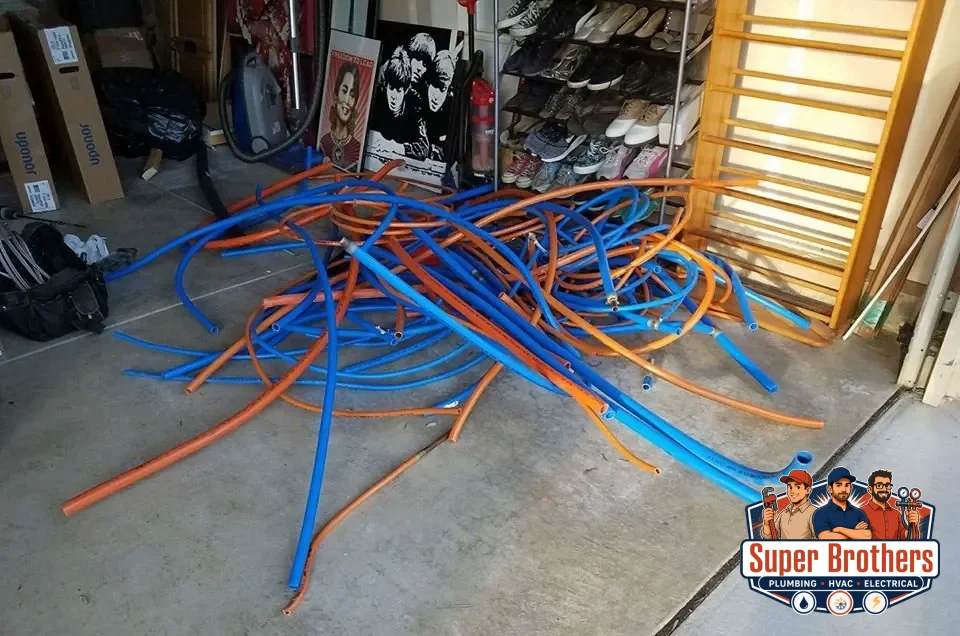
One leaking connection does not mean your whole house needs new pipes. But leaks appearing in different places, especially after earlier repairs, deserve a closer look. Repeated patching may stop making financial sense when the surrounding pipe is also deteriorating. Keep repair receipts and photos so your plumber can assess the pattern, rather than treating each leak as a separate surprise.
Your water looks rusty
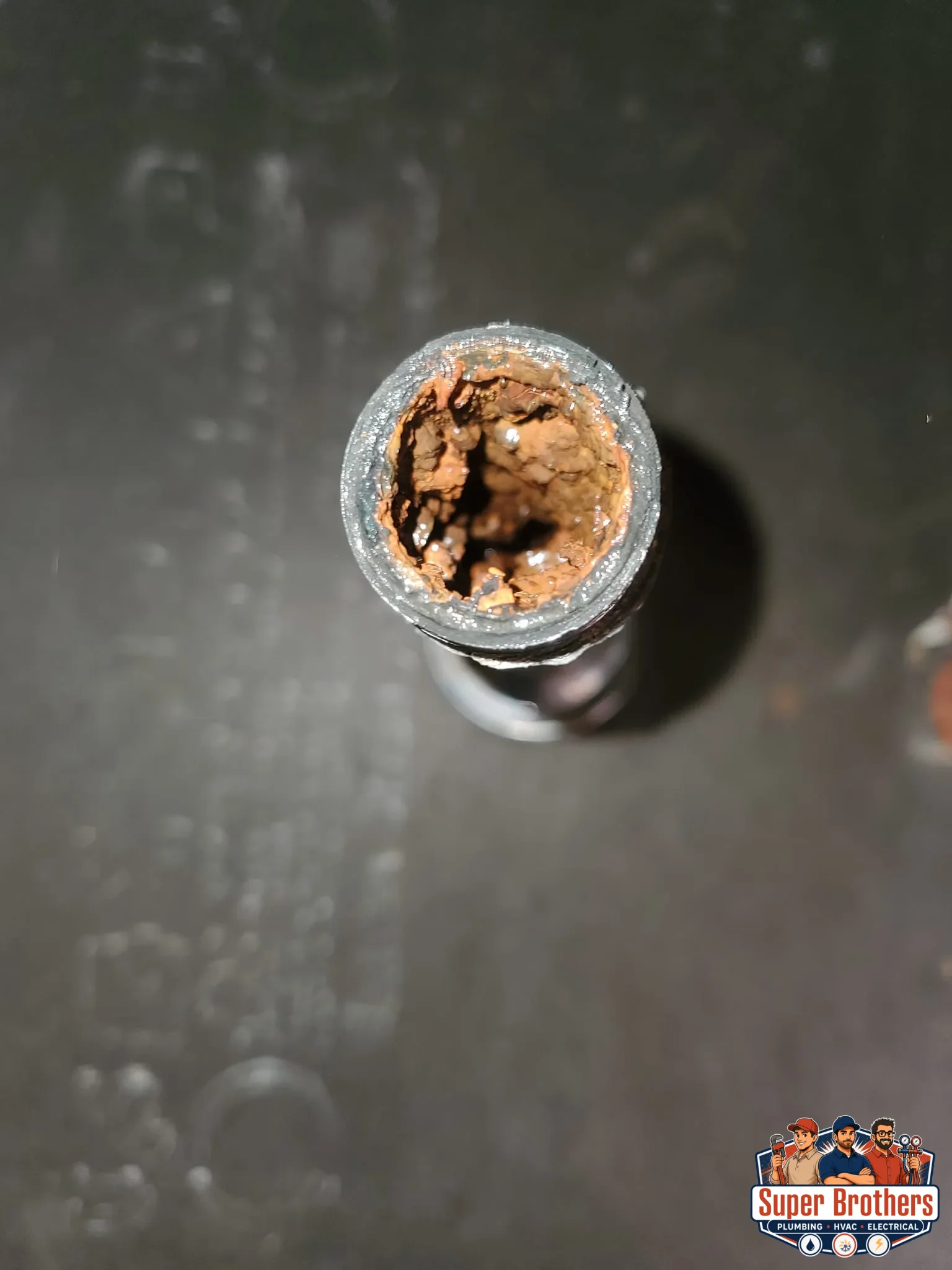
Brown or reddish water can come from corrosion inside old galvanized pipes, especially when you first turn on a faucet. East Bay Municipal Utility District, or EBMUD, identifies aging galvanized plumbing as one possible source of rusty water. When discoloration keeps returning, have the plumbing checked rather than assuming it is normal for an older home.
However, water main repairs can also stir up sediment. Check whether neighbors are seeing the same change, and contact your water provider for guidance. Note whether the problem affects hot water, cold water, or both; discoloration limited to hot water may involve the water heater instead.
Your shower has lost its oomph
A shower should rinse shampoo, not test your patience. Corrosion buildup inside galvanized pipes can narrow the space available for water to flow. Weak flow at several fixtures deserves investigation, while one struggling faucet may simply have a clogged screen. Ask a plumber to check fixtures, valves, and water pressure before deciding that hidden pipes need replacing.
Visible damage and damp spots keep appearing
Look at accessible pipes under sinks and near the water heater for rust, crusty deposits, or moisture around connections. These clues warrant inspection, but surface discoloration alone does not tell you how much life a pipe has left. Take photos without scraping, bending, or disturbing questionable sections.
Hidden leaks may show up as wet patches on walls or persistent moisture inside cabinets. They can also encourage mold growth, so address the water source instead of simply painting over the evidence. Have the leak located first: dampness does not automatically mean a supply pipe is failing.
Your water use rises without explanation
An unexpected increase in water use can point to a leak you cannot see. Compare gallons used, not just the bill total, and account for changes such as extra garden watering or houseguests. A running toilet or irrigation leak could be responsible, so a higher bill alone is not a reason to replace your pipes.
The EPA suggests checking your water meter before and after two hours when no water is being used. Make sure irrigation and water-using appliances stay off during that period. A changing reading suggests a leak, but further inspection is needed to locate it.
Drain backups keep returning
Repeated backups can be a sign of damaged drain or sewer pipes, not just another stubborn clog. A sewer line camera inspection can help reveal cracks, invading roots, or a collapsed section before anyone recommends replacement. Ask to see the findings and discuss whether cleaning, a targeted repair, or replacement addresses the cause. Replacing water supply pipes will not solve a separate sewer problem.
Your pipe material deserves a closer look
Galvanized pipes are steel or iron protected by a zinc coating. EBMUD notes that galvanized pipes were commonly used before the 1960s, making the material worth checking in older East Bay homes. Review inspection reports and remodeling records, then ask which original lines remain. A newer bathroom does not necessarily mean the pipes throughout the house were replaced.
Some older plumbing materials can release lead into drinking water. You cannot see, taste, or smell dissolved lead, so clear water does not rule it out. Ask your water utility about testing through a certified laboratory and identifying the pipe that connects your home to the water main. Boiling water does not remove lead.
Repair or repipe? Ask for the evidence
Replacement becomes more compelling when an inspection finds extensive corrosion, several failing sections, or severe buildup that restricts flow. Ask what a smaller repair would leave behind and whether those remaining pipes are still dependable. The choice should reflect the condition of your plumbing and the likely value of further repairs, not a blanket rule about the age of your house.
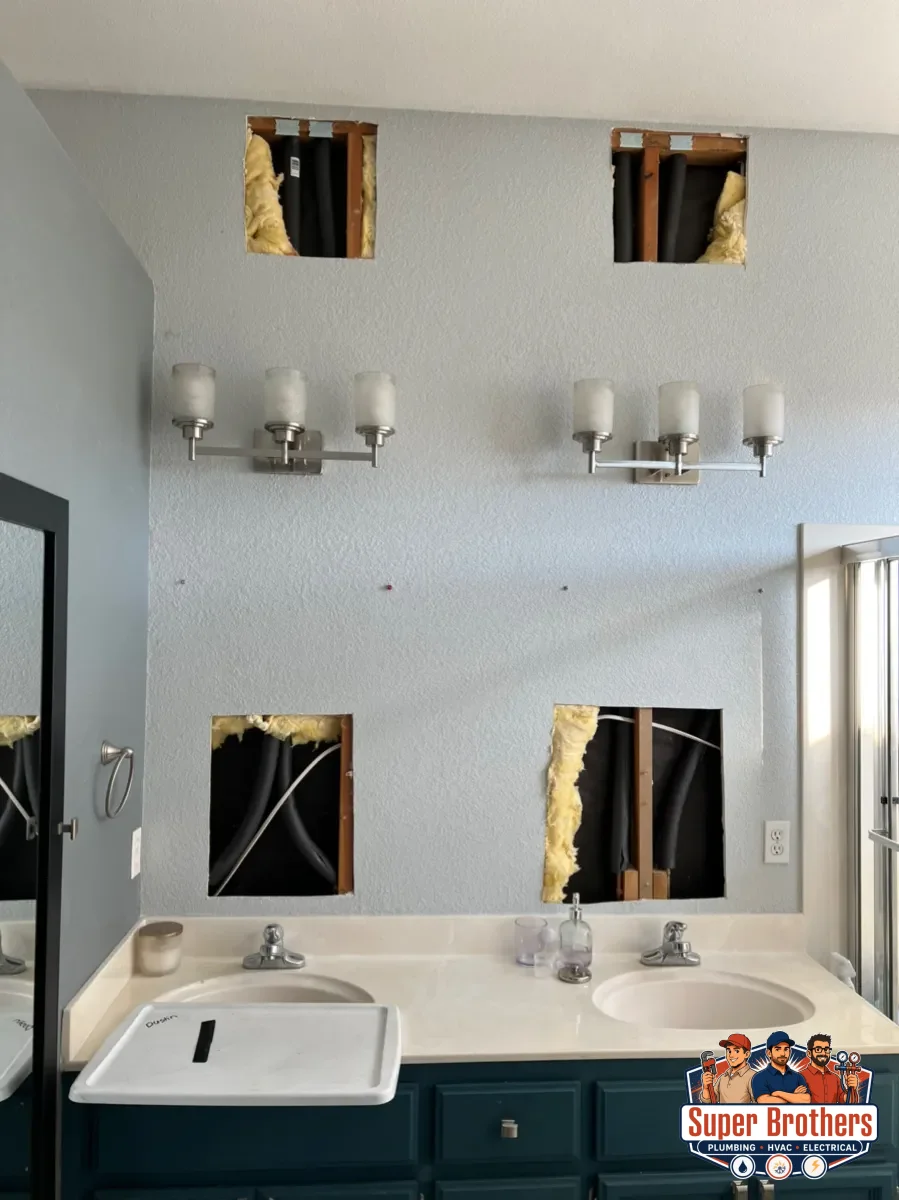
A sensible recommendation should explain what is failing and how widespread the damage is. Ask your plumber to compare a targeted repair, partial pipe replacement, and whole-house repiping where appropriate. Request a written estimate covering the proposed pipe material, access openings, wall repairs, permits, and expected water shutoffs.
Planning a bathroom remodel in Sacramento or the Bay Area? Have nearby plumbing evaluated before the walls are closed up. Coordinating necessary pipe replacement with renovation may avoid opening finished surfaces again, but healthy pipes should not be replaced simply because new tile is going in.
Frequently asked questions
Do old pipes always need replacing?
No, age alone does not settle the question. Pipe material, condition, leak history, and water quality concerns matter more than a birthday. An inspection can help you decide whether to monitor the system, repair a section, or plan replacement.
Can I replace only part of my plumbing?
Yes, when damage is limited and the remaining pipes are in sound condition. A partial replacement can address a particular section without replacing every line. Ask your plumber to explain why that approach is suitable and which pipes would remain.
What should I do if a pipe bursts?
Shut off your home’s main water valve if you can reach it safely. Stay away from standing water near electrical equipment, and call a plumber promptly. Do not enter a flooded area to reach the valve.
Get help with old pipes in Northern California
You do not have to guess whether another repair is worthwhile. Super Brothers Plumbing provides repiping services for homeowners in Sacramento and the Bay Area. Schedule a professional plumbing assessment to discuss the condition of your pipes and the options that fit your home.