In short
Residential plumbing comes with plenty of acronyms and abbreviations, from PEX and PVC to DWV, GPM, PRV, and T&P. This guide explains the most common residential plumbing terms and abbreviations in simple language.
The Complete List of Residential Plumbing Acronyms & Abbreviations
Plumbing has its own language. If you have ever looked at a plumbing estimate, inspection report, water heater label, building plan, or pipe fitting and wondered what all the letters mean, you are not alone.
Residential plumbers regularly use abbreviations such as DWV, PEX, PSI, GPM, PRV, and VTR. Understanding these terms can make it easier to talk with a plumber, compare products, read plumbing plans, and understand repairs around your home.
Below is an A–Z list of common residential plumbing acronyms and abbreviations. Some terms can have different meanings depending on the manufacturer, plumbing plan, or local code, so context is always important.
A
What does AAV stand for in plumbing?
AAV stands for Air Admittance Valve. It is a one-way valve that allows air into a drainage system to help fixtures drain properly without allowing sewer gases to escape into the home.
What does ABS stand for in plumbing?
ABS stands for Acrylonitrile Butadiene Styrene. It is a rigid black plastic pipe commonly used for drain, waste, and vent piping.
What does AFF stand for on plumbing plans?
AFF stands for Above Finished Floor. It indicates how high a pipe, valve, fixture, or other plumbing component is installed above the finished floor.
What does AVB stand for?
AVB stands for Atmospheric Vacuum Breaker. It is a type of backflow prevention device used to help prevent contaminated water from being siphoned back into the home's potable water supply.
B
What does BFP stand for in plumbing?
BFP stands for Backflow Preventer. It is a device designed to stop water from flowing backward and potentially contaminating the home's drinking water supply.
What does BTU stand for?
BTU stands for British Thermal Unit. It measures heat energy and is commonly used when describing the heating capacity of water heaters, boilers, and other gas-fired equipment.
What does BTUH stand for?
BTUH means British Thermal Units per Hour. It describes how much heat a water heater, boiler, or other appliance can produce in one hour.
C
What does CI stand for in plumbing?
CI stands for Cast Iron. Cast-iron drain piping is commonly found in older homes and is still used in some residential drainage systems.
What does CO stand for in plumbing?
CO stands for Cleanout. A cleanout provides access to a drain or sewer pipe so a plumber can inspect or clear a blockage.
What does CPVC stand for?
CPVC stands for Chlorinated Polyvinyl Chloride. It is a plastic piping material that can be used for residential hot- and cold-water supply lines.
What does CTS stand for?
CTS stands for Copper Tube Size. It is a sizing system used for copper tubing and some other residential water-supply piping products.
What does CW stand for in plumbing?
CW stands for Cold Water. It may appear on plumbing plans or pipe labels to identify a cold-water line.
D
What does DFU stand for?
DFU stands for Drainage Fixture Unit. It is a value used by plumbers and designers to estimate how much demand fixtures place on a home's drainage system.
What does DHW stand for?
DHW stands for Domestic Hot Water. It refers to the hot water supplied to faucets, showers, tubs, dishwashers, and other household fixtures.
What does DWV stand for?
DWV stands for Drain, Waste, and Vent. A home's DWV system carries wastewater away while allowing air into the drainage system so water can flow properly.
E
What does ET stand for in plumbing?
ET commonly stands for Expansion Tank. An expansion tank helps absorb the increased water volume created when water is heated inside a closed plumbing system.
F
What does FCO stand for?
FCO stands for Floor Cleanout. It is a cleanout installed at or near floor level that provides access to a drainage pipe.
What does FD stand for in plumbing?
FD stands for Floor Drain. Floor drains are commonly found in basements, garages, utility rooms, and other areas where water may need to drain from the floor.
What does FIP stand for?
FIP commonly stands for Female Iron Pipe. It describes a fitting with female pipe threads on the inside.
What does FPT stand for?
FPT stands for Female Pipe Thread. It describes an internally threaded fitting designed to connect to a compatible male threaded fitting.
G
What does GPD stand for?
GPD stands for Gallons per Day. It is commonly used to describe water usage and the production capacity of residential water-treatment systems such as reverse osmosis units.
What does GPF stand for?
GPF stands for Gallons per Flush. It measures how much water a toilet uses during each flush.
What does GPH stand for?
GPH stands for Gallons per Hour. It may be used to describe the recovery rate or water-heating capacity of certain residential water heaters.
What does GPM stand for?
GPM stands for Gallons per Minute. It measures water flow and is commonly used for faucets, showerheads, tankless water heaters, pumps, and water-supply systems.
H
What does HB stand for on plumbing plans?
HB stands for Hose Bibb. A hose bibb is an outdoor or utility faucet designed for connecting a garden hose.
What does HDPE stand for?
HDPE stands for High-Density Polyethylene. It is a flexible, durable plastic piping material sometimes used for residential water service, wells, drainage, and underground piping.
What does HET stand for?
HET stands for High-Efficiency Toilet. These toilets are designed to use less water per flush than older conventional toilets.
What does HW stand for in plumbing?
HW stands for Hot Water. It is commonly used on plumbing plans to identify hot-water piping.
What does HWR stand for?
HWR stands for Hot Water Return. It identifies the return piping used in a hot-water recirculation system.
I
What does ID stand for in piping?
ID stands for Inside Diameter or Internal Diameter. It refers to the measurement across the inside opening of a pipe.
What does IPC stand for?
IPC stands for International Plumbing Code. It is a model plumbing code used as the basis for plumbing regulations in many areas.
What does IRC stand for?
IRC stands for International Residential Code. It contains requirements for many aspects of one- and two-family home construction, including residential plumbing.
L
What does LAV stand for on plumbing plans?
LAV stands for Lavatory. On residential plumbing plans, it generally refers to a bathroom sink.
What does LPG stand for?
LPG stands for Liquefied Petroleum Gas. In residential plumbing and fuel-gas systems, this usually refers to propane.
M
What does MIP stand for?
MIP commonly stands for Male Iron Pipe. It describes a fitting with external male pipe threads.
What does MPT stand for?
MPT stands for Male Pipe Thread. It refers to external pipe threads designed to connect with a compatible female threaded fitting.
N
What does NG stand for in plumbing?
NG stands for Natural Gas. It may appear on plans, valves, appliances, and piping associated with residential gas systems.
What does NPS stand for?
NPS stands for Nominal Pipe Size. It is a standardized way of identifying the approximate size of many types of pipe.
What does NPT stand for?
NPT refers to the standard tapered pipe thread commonly used on threaded plumbing fittings, valves, and other components.
What does NSF mean on plumbing products?
NSF refers to NSF certification and standards used for many plumbing products that come into contact with drinking water.
O
What does OD stand for in plumbing?
OD stands for Outside Diameter. It is the measurement across the outside of a pipe or tube.
P
What does PB stand for in plumbing?
PB stands for Polybutylene. It is a plastic water-supply piping material that was installed in many homes in past decades but is no longer commonly used for new residential plumbing.
What does PEX stand for?
PEX stands for Cross-Linked Polyethylene. It is flexible plastic piping commonly used for hot- and cold-water supply lines in homes.
What does PEX-A mean?
PEX-A is a type of PEX tubing manufactured using the peroxide method. It is known for flexibility and is commonly used in residential water-supply and radiant-heating systems.
What does PEX-B mean?
PEX-B is a type of PEX tubing manufactured using the silane method. It is widely used for residential water-supply piping.
What does POE stand for in water treatment?
POE stands for Point of Entry. A point-of-entry system treats water where the main water supply enters the home, such as a whole-house water filter or softener.
What does POU stand for in water treatment?
POU stands for Point of Use. A point-of-use system treats water at one location, such as an under-sink drinking-water filter.
What does PRV stand for in residential plumbing?
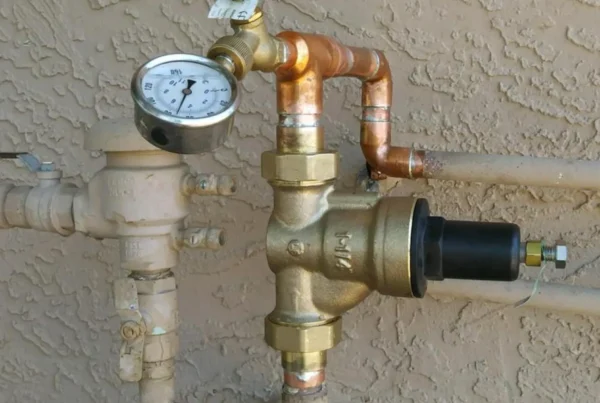
PRV most commonly stands for Pressure-Reducing Valve. It reduces high incoming municipal water pressure to a safer pressure for the home's plumbing system.
PRV can also mean Pressure Relief Valve in some applications, so the exact meaning depends on context.
What does PSI stand for?
PSI stands for Pounds per Square Inch. It is the standard measurement commonly used to describe residential water pressure.
What does PVC stand for?
PVC stands for Polyvinyl Chloride. PVC is a common plastic pipe material used in residential drains, vents, sewer lines, irrigation, and other approved applications.
What does PVB stand for?
PVB stands for Pressure Vacuum Breaker. It is a backflow prevention device commonly associated with residential irrigation systems and other outdoor water connections.
R
What does RO stand for in plumbing?
RO stands for Reverse Osmosis. Residential reverse osmosis systems use a membrane to reduce many dissolved contaminants in drinking water.
What does RPZ stand for?
RPZ stands for Reduced Pressure Zone. An RPZ backflow prevention assembly is designed to protect drinking water from contamination caused by reverse flow.
S
What does SDR stand for in piping?
SDR stands for Standard Dimension Ratio. It describes the relationship between a pipe's outside diameter and wall thickness and is commonly seen on sewer and other plastic piping.
What does SOV stand for?
SOV stands for Shutoff Valve. A shutoff valve allows water or gas flow to a fixture, appliance, or section of the home to be turned off.
What does SS stand for in plumbing?
SS commonly stands for Stainless Steel. Stainless steel is used in sinks, supply lines, fixtures, valves, drains, and other residential plumbing components.
T
What does T&P stand for on a water heater?
T&P stands for Temperature and Pressure. A T&P relief valve is an important water-heater safety device designed to open if the temperature or pressure inside the tank becomes dangerously high.
What does TDS stand for in water?
TDS stands for Total Dissolved Solids. It refers to dissolved minerals, salts, metals, and other substances present in water.
What does TMV stand for?
TMV stands for Thermostatic Mixing Valve. It blends hot and cold water to help maintain a safer, more consistent water temperature.
What does TPRV stand for?
TPRV stands for Temperature and Pressure Relief Valve. It is another term for the safety relief valve installed on a storage water heater.
U
What does UPC stand for in plumbing?
UPC stands for Uniform Plumbing Code. It is a model plumbing code used by many jurisdictions in the United States.
What does UV stand for in water treatment?
UV stands for Ultraviolet. Residential UV water-treatment systems use ultraviolet light to help inactivate certain microorganisms in water.
V
What does VTR stand for in plumbing?
VTR stands for Vent Through Roof. It refers to plumbing vent piping that extends through the roof so sewer gases can safely discharge outside and the drainage system can receive air.
W
What does WC stand for in plumbing?
WC commonly stands for Water Closet, which is the plumbing term for a toilet.
In gas-pressure measurements, WC may also mean Water Column, so the correct meaning depends on context.
What does WH stand for on plumbing plans?
WH stands for Water Heater.
What does WHA stand for?
WHA stands for Water Hammer Arrestor. It helps absorb the pressure shock that can occur when a valve closes quickly and water suddenly stops moving through a pipe.
What does WSFU stand for?
WSFU stands for Water Supply Fixture Unit. Plumbers use fixture-unit values when calculating the expected water demand of sinks, toilets, showers, and other fixtures in a home.
What are the most common residential plumbing acronyms?
If you are a homeowner, these are some of the plumbing abbreviations you are most likely to come across:
- AAV — Air Admittance Valve
- ABS — Acrylonitrile Butadiene Styrene
- BFP — Backflow Preventer
- CO — Cleanout
- CPVC — Chlorinated Polyvinyl Chloride
- DHW — Domestic Hot Water
- DWV — Drain, Waste, and Vent
- ET — Expansion Tank
- GPM — Gallons per Minute
- GPF — Gallons per Flush
- HB — Hose Bibb
- PEX — Cross-Linked Polyethylene
- PRV — Pressure-Reducing Valve
- PSI — Pounds per Square Inch
- PVC — Polyvinyl Chloride
- RO — Reverse Osmosis
- T&P — Temperature and Pressure
- VTR — Vent Through Roof
- WC — Water Closet
- WH — Water Heater
- WHA — Water Hammer Arrestor
Why should homeowners know common plumbing abbreviations?
You do not need to be a plumber to benefit from understanding basic plumbing terminology. These abbreviations frequently appear on estimates, inspection reports, product packaging, plumbing plans, water heaters, permits, and repair recommendations.
Knowing what common plumbing acronyms mean can make it easier to understand what a plumber is recommending and ask better questions before approving a repair.
Keep in mind that plumbing terminology and code requirements can vary by location. When an abbreviation is unclear, check the plumbing plan legend, manufacturer's documentation, or ask a licensed plumber for clarification.