A sewer line carries wastewater from your toilets, sinks, showers, and appliances away from your home. In a house connected to public sewers, that pipe joins a larger main serving the neighborhood and carries the wastewater toward treatment. If your home has a septic system, the wastewater goes to your septic tank instead.
Most homeowners don’t need to think about that route until a drain keeps clogging or water comes back up where it shouldn’t. Knowing which pipe serves your house, who maintains it, and how a plumber checks it can help you decide what to do next. In Sacramento and the Bay Area, responsibility can change with the sewer provider, even between nearby neighborhoods.
What Is a Sewer Lateral?
A sewer lateral is the pipe connecting your home’s drainage system to the public sewer main. You may hear it described as an upper lateral near the house and a lower lateral continuing toward the main. The dividing point can be a property line, curb, or designated cleanout, depending on local definitions.
A cleanout is a capped opening that gives crews access to the pipe for clearing blockages or inserting a camera. Most household sewer lines rely on a downward slope to move wastewater, although some properties and public systems need pumps. That slope matters because a low spot can hold water and collect waste.
Who Is Responsible for Sewer Lines?
The sewer agency generally maintains the public main, while the property owner maintains at least part of the lateral. How far that responsibility extends depends on the agency serving your address. Check your sewer bill or contact the provider before authorizing work near the street, and ask them to identify the maintenance boundary.
For example, San Francisco assigns owners responsibility for maintaining the entire sewer lateral. West Valley Sanitation District has different arrangements for clearing lower lateral blockages where a property-line cleanout exists. Clearing a blockage and paying for pipe replacement are different questions, so confirm both rather than assuming one answer covers everything.
Why Doesn’t the City Fix My Sewer Line Under the Street?
A pipe’s location doesn’t necessarily tell you who maintains it. Some agencies leave the lateral under the street to the homeowner, while others provide certain services for that section. Before paying for excavation, ask your provider whether it will inspect the public main or lower lateral first.
For Sacramento-area customers served by SacSewer, the agency’s call-us-first guidance is a useful starting point. A Sacramento mailing address alone doesn’t establish which agency handles your sewer collection. Confirm the provider for your property so you reach the right crew.
Common Sewer Line Problems
Grease, wipes, and other debris can collect inside a sewer line and restrict the flow. Tree roots can also enter through cracks or leaking joints, then grow inside the pipe. Clearing those roots may restore drainage, but it doesn’t repair the opening that let them in.
Older pipes can develop structural problems too: cast iron can corrode, while clay pipes can crack or separate at the joints. A sagging section, often called a belly, holds wastewater instead of allowing it to drain freely. These problems need different repairs, which is why identifying the condition matters before choosing a treatment.
Signs of Sewer Line Problems
One slow sink may have a blockage close to that fixture, but several drains slowing down together can point to a problem farther along the shared piping. A toilet that gurgles when the washer drains, or wastewater rising in a shower, deserves prompt attention. These symptoms don’t establish whether the trouble is in your lateral or the public main.
Persistent sewage smells or unexplained wet ground also need investigation, although other plumbing problems can cause them. If sewage is backing up, stop using water, keep people and pets away from the affected area, and contact your sewer provider or plumber promptly. Avoid flushing again to see whether it has cleared, because that sends more water into the same backed-up system.
What a Sewer Line Inspection Can Tell You
A sewer camera inspection lets a plumber examine the inside of an accessible pipe for roots, buildup, cracks, and separated joints. Heavy debris or standing water may limit the view, so cleaning can be needed before the condition is clear. Ask to see the footage and have the plumber explain where the problem is, rather than relying on a repair recommendation alone.
Sewer Line Cleaning, Repair, or Replacement
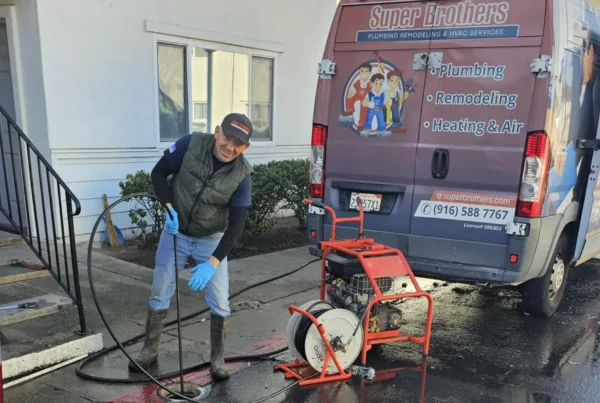
If the pipe is sound and the problem is a blockage, professional drain cleaning may be enough. Depending on the obstruction and pipe condition, a plumber may use a cable machine or hydro jetting, which cleans with pressurized water. Cleaning removes obstructions but cannot put a broken pipe back together or correct its slope.
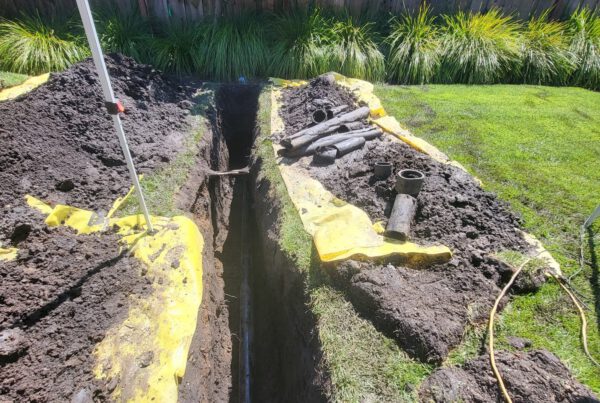
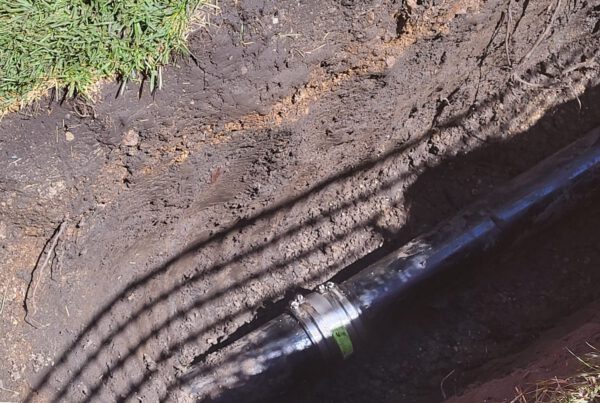
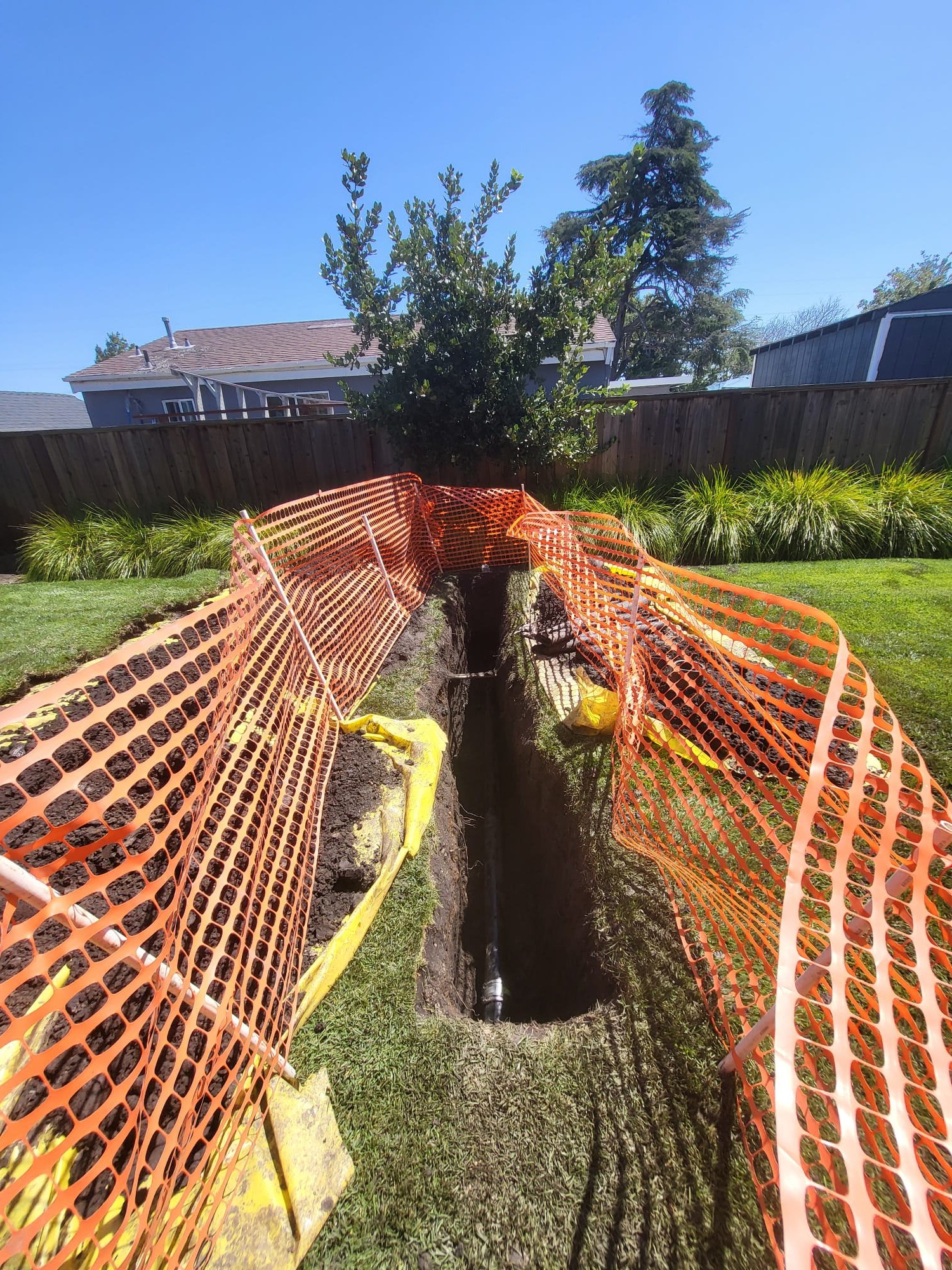
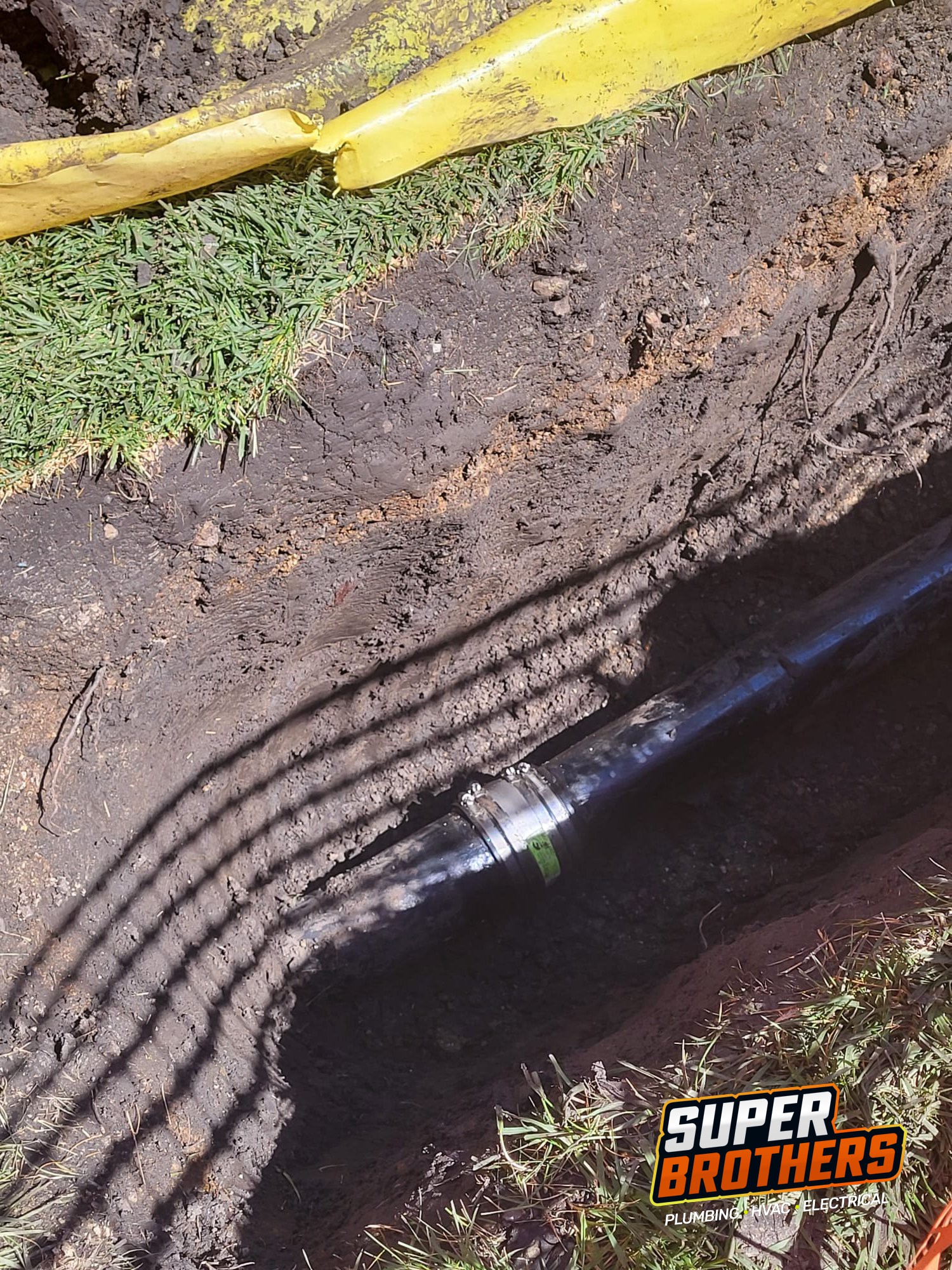
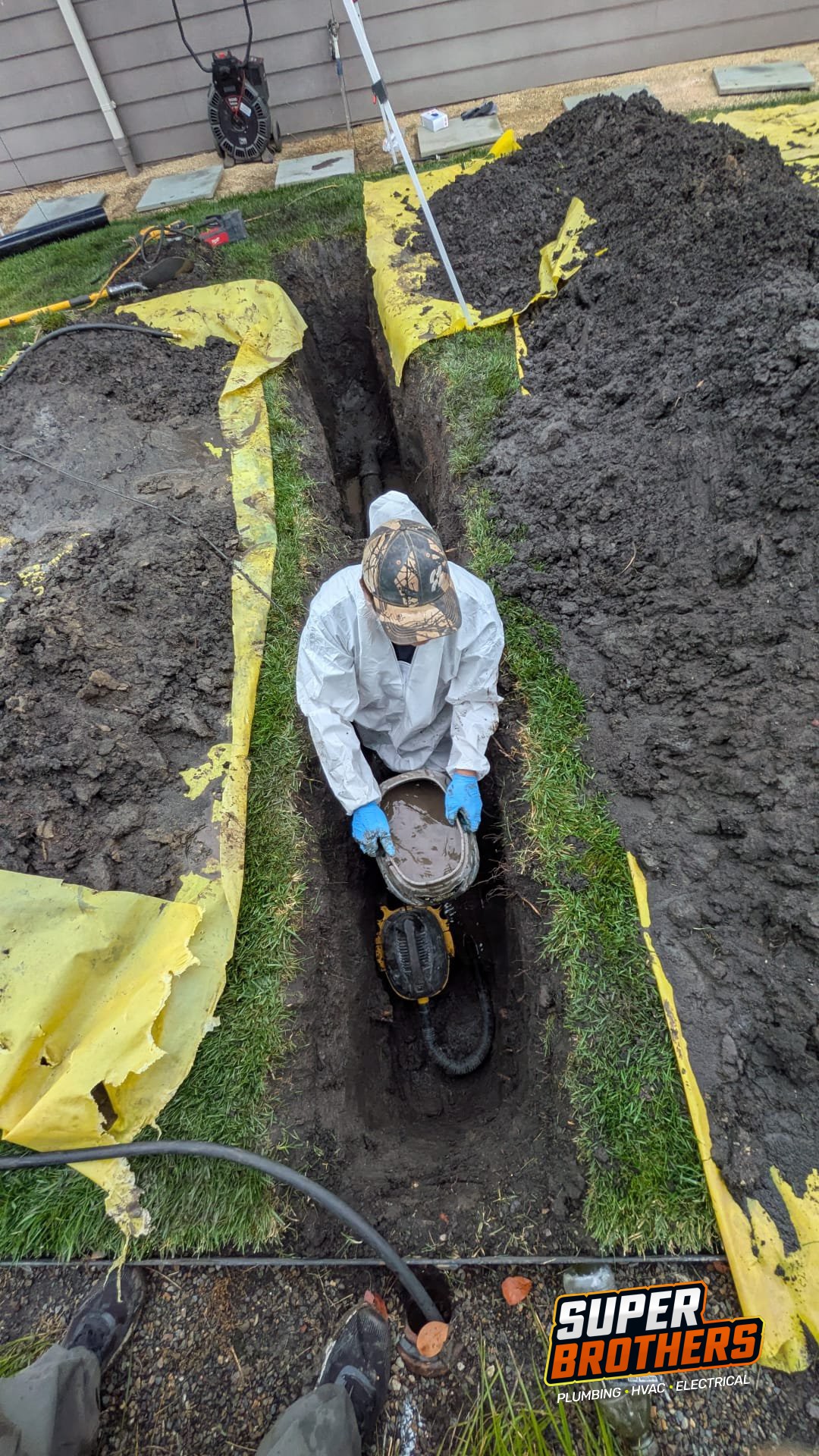
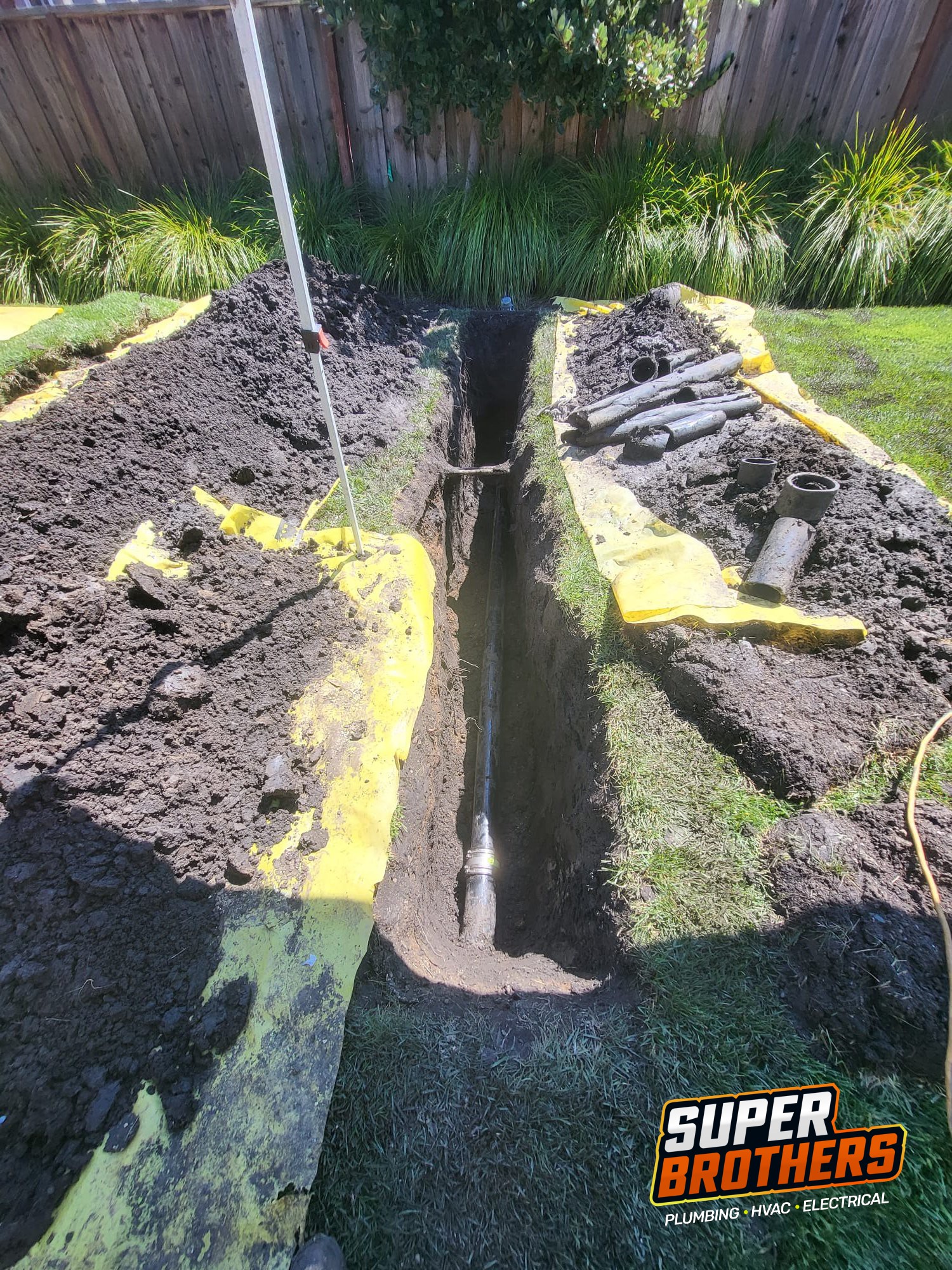
Some damaged pipes can be lined from the inside, while pipe bursting replaces a line by pulling new pipe through as the old pipe breaks apart. These trenchless repair and replacement methods can reduce surface disruption, but suitability depends on the existing line and site access. Excavation may still be needed for a collapsed section or to correct the pipe’s slope, and trenchless work can require access holes.
Can Any Plumber Work on Sewer Lines?
Look for a licensed contractor experienced with the proposed repair and familiar with your sewer agency’s requirements. Work under a sidewalk or street may require additional permits, bonding, traffic control, or agency approval. Have the contractor confirm those requirements and explain who arranges inspections before work begins.
In participating East Bay communities, selling a property or certain remodeling projects can also trigger private sewer lateral compliance requirements. A camera inspection alone does not replace the program’s required verification testing. Check whether the rules apply to your address and project.
What to Ask Before Approving Sewer Repairs
Ask why the recommended method suits the damage and whether a smaller repair could solve it. The estimate should identify the section being repaired, permits, access work, and restoration of any paving or landscaping. Also confirm how long drains will be unavailable, what the warranty covers, and how unexpected work would be approved and priced.
Preventing Sewer Line Problems
Keep cooking grease out of the sink and put wipes in the trash, including products labeled flushable. Wastewater agencies explain why wipes and grease contribute to sewer backups. Know where your cleanout is and keep it accessible so crews can reach it when needed.
If clogs keep returning, ask about an inspection instead of repeatedly clearing the same obstruction. Maintenance needs depend on the pipe’s condition, root problems, and repair history, so agree on a schedule based on those findings. Before planting a tree, check where the sewer runs and choose a suitable location.
Getting Help With a Sewer Line in Sacramento or the Bay Area
When you contact Super Brothers about a sewer problem, tell us which drains are affected, when it started, and whether the line has been cleared before. If your sewer provider has already inspected, share its findings along with any camera footage. Those details help us discuss the next step and what needs checking at your home.