Sewer Blockage Causes & How to Solve
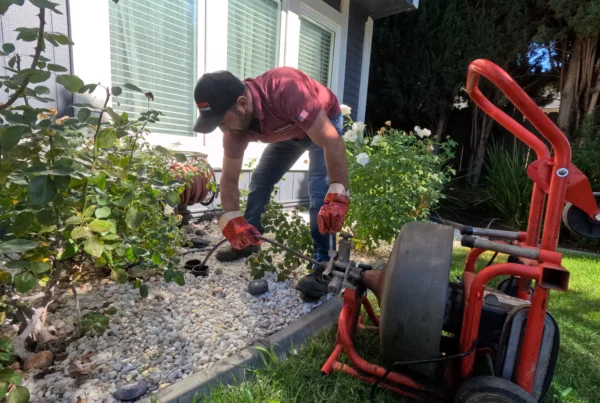
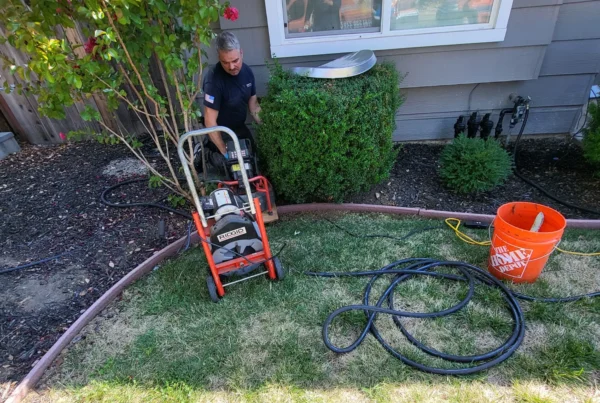
A blocked sewer line can cause slow drains, unpleasant odors and sewage backups. If sewage is backing up or several fixtures are affected at once, stop using water and contact a plumber for sewer inspection.
1. Grease and Fat Buildup
Cause: Cooking grease, fats and oils can build up inside pipes, trapping waste and restricting the flow of wastewater.
Solutions: Let cooking grease cool, collect it in a container and dispose of it in the trash instead of pouring it down the drain. Wipe greasy cookware before washing it to reduce the amount entering your pipes. For an existing sewer blockage, have a plumber assess and clear the line rather than relying on hot water or chemical drain cleaners.
2. Wipes, Sanitary Products and Household Waste
Cause: Wipes, sanitary products, paper towels and other household waste can lodge in sewer pipes and create blockages.
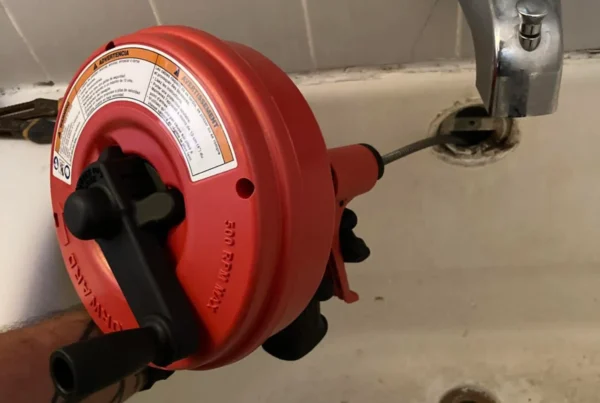
Solutions: Flush only human waste and toilet paper, and put other items in a waste bin. A toilet plunger may help with a minor clog affecting only one toilet, provided no other drains are backing up. If the blockage persists or multiple fixtures are affected, stop using water and arrange professional drain cleaning.
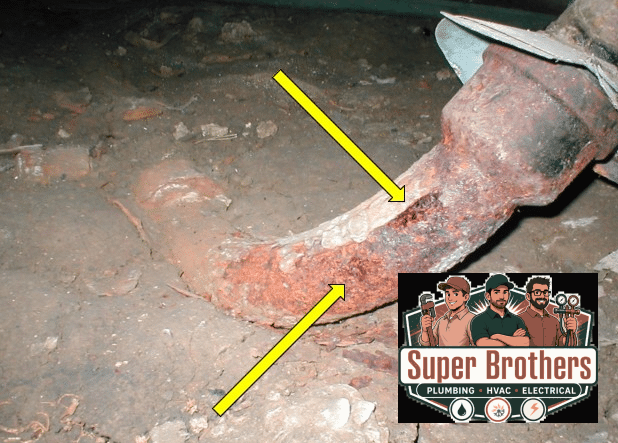
3. Tree Roots Inside Sewer Pipes
Cause: Tree roots can enter sewer pipes through cracks or loose joints, grow inside the line and trap waste.
Solutions: Have a plumber inspect the sewer line to locate the roots and assess the pipe’s condition. Professional root removal can clear the obstruction, but damaged pipes or joints may also need repair to prevent roots from returning. Locate your sewer line before planting trees and keep new plantings away from it.
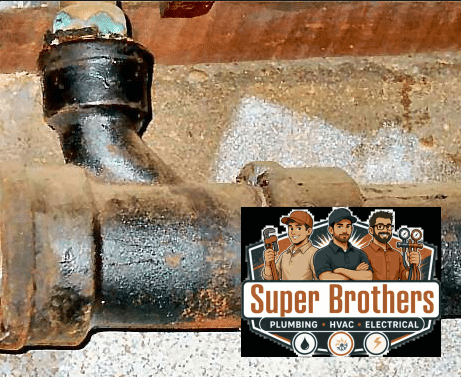
4. Damaged or Collapsed Sewer Pipes
Cause: Corrosion, ground movement or pressure from above can damage sewer pipes, creating obstructions or causing sections to collapse.
Solutions: Stop using the plumbing if wastewater is backing up into your home. Contact a professional to inspect the damage and determine whether the affected pipe needs repair or replacement. Repeated drain cleaning will not fix a collapsed pipe, so address the structural problem rather than treating recurring blockages.
5. Sagging or Misaligned Sewer Pipes
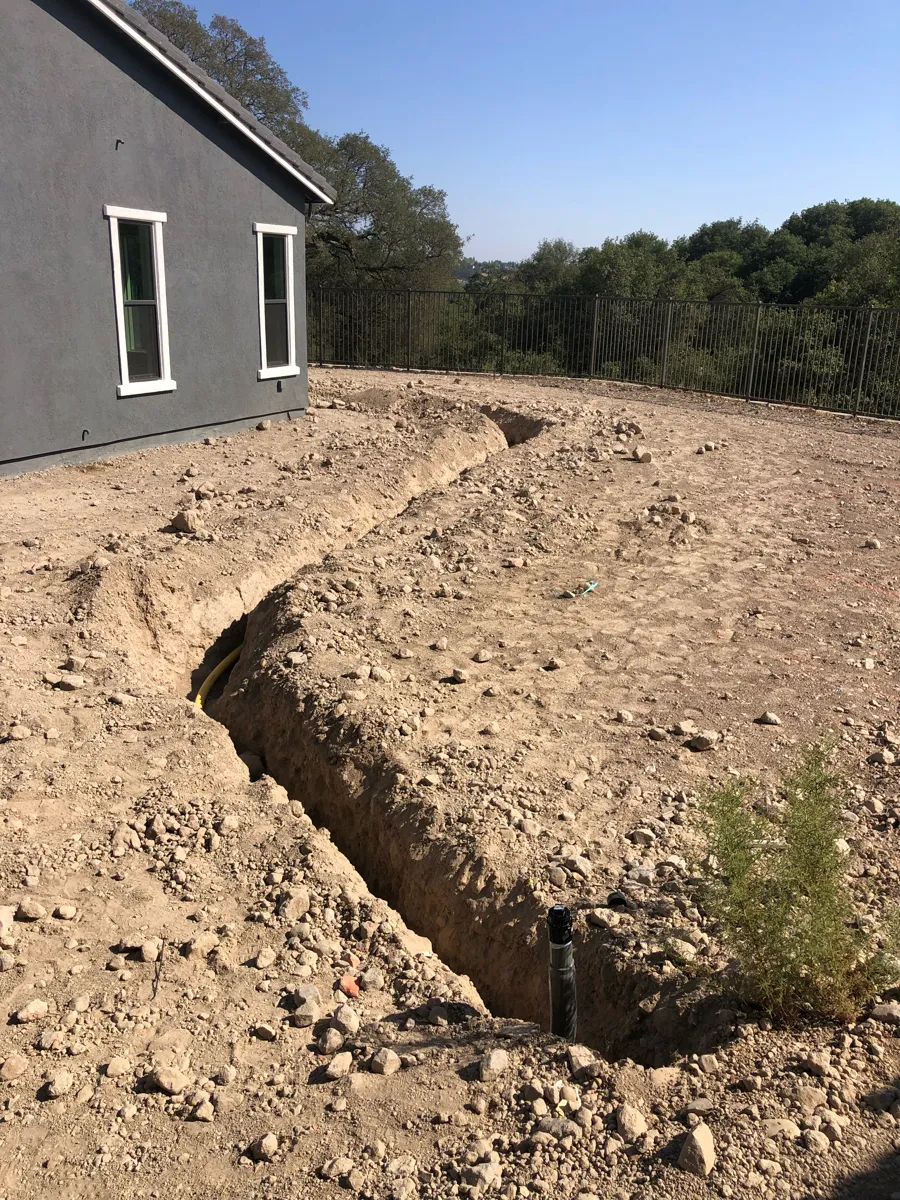
Cause: Settling soil or poor installation can leave sewer pipes sagging or misaligned, allowing wastewater and solids to collect instead of flowing away.
Solutions: Arrange a professional inspection to identify low spots or displaced pipe joints. Cleaning may remove accumulated waste, but it does not correct the pipe’s position. Repairing or replacing the affected section may be necessary to restore proper drainage and prevent repeat blockages.