
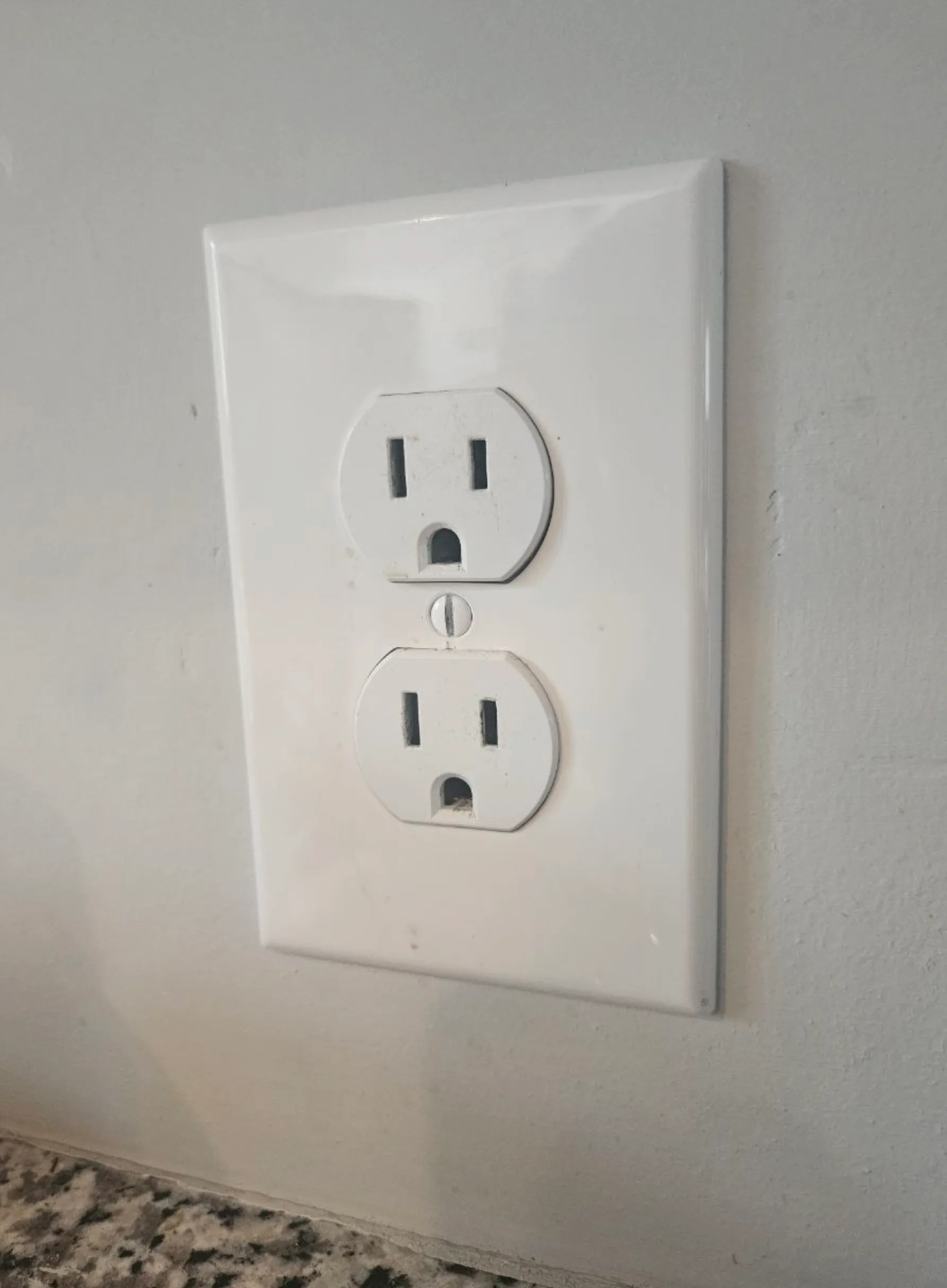
A wall outlet is easy to ignore until the phone charger stops charging
or a plug suddenly feels loose. Sometimes the problem is the device you plugged in, but sometimes the outlet itself is worn out or has a wiring problem behind it. The difference can help you catch a small electrical problem before it turns into a bigger repair. In nearby Northern California communities, outlet problems often show up in older or remodeled homes. A bad outlet may still look perfectly normal.
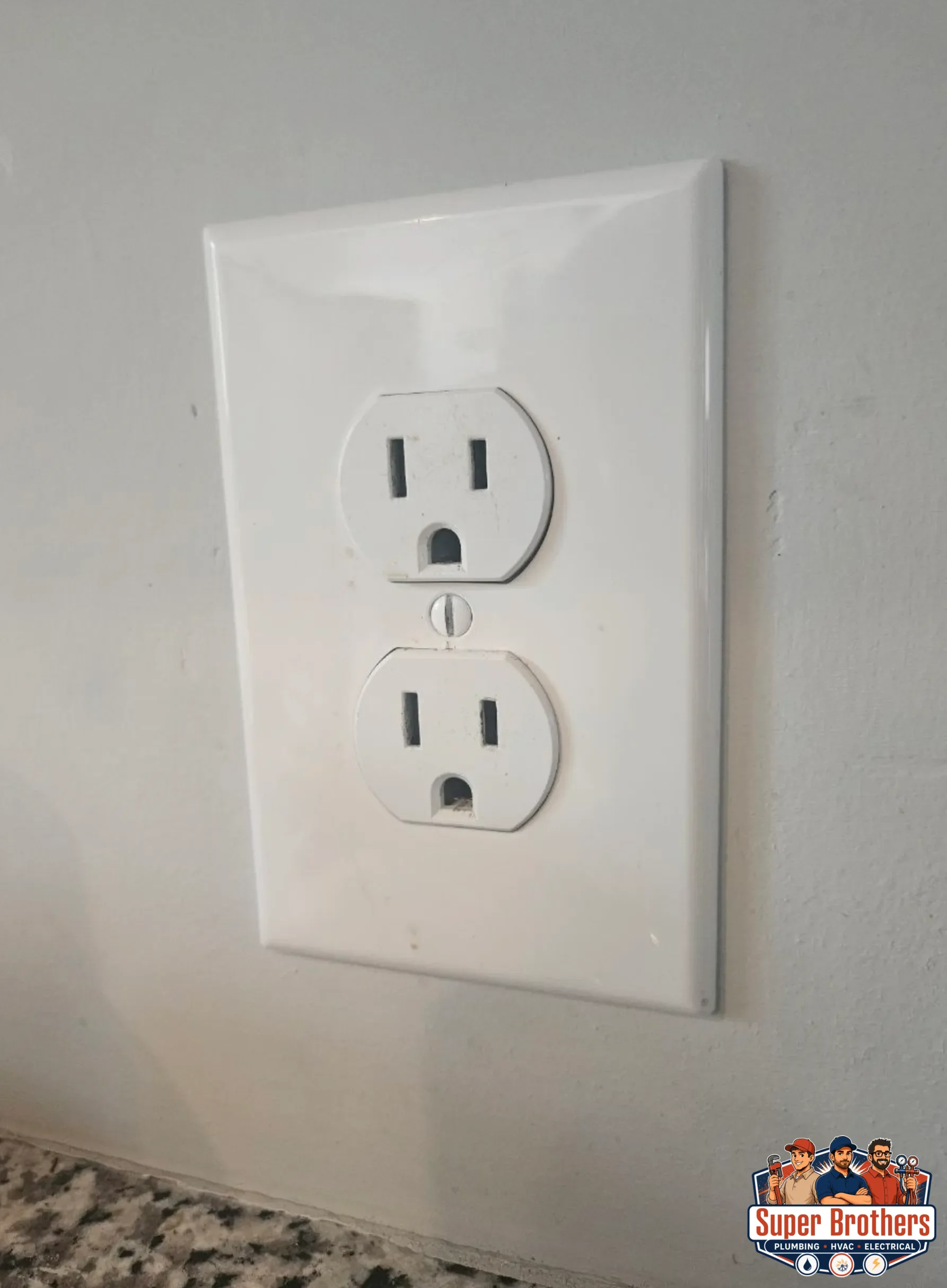
Common Signs an Electrical Outlet May Be Bad
An outlet does not have to be completely dead to be a problem. It may work only sometimes, lose power when the plug moves, or hold a plug so loosely that it almost falls out. Think of it like an old charging cable: technically alive, but clearly asking for retirement.
- The outlet has no power while nearby outlets still work.
- Plugs feel loose or fall out easily.
- The outlet or faceplate feels unusually warm or hot.
- You see scorch marks, discoloration, melting, or cracks.
- You hear buzzing, sizzling, or popping.
- You smell hot plastic or a burning odor.
- The outlet sparks repeatedly.
- A breaker trips again and again when the outlet is used.
Heat deserves attention. The U.S. Consumer Product Safety Commission says a receptacle or switch that feels hot can indicate a potential fire hazard, so it should not keep being used until the problem is checked. Loose electrical connections can also create overheating behind the wall.
How to Test an Outlet Without Taking It Apart
You can do a few basic checks without removing the outlet or touching wiring. Start simple, because sometimes the “bad outlet” is really a dead lamp, worn charger, tripped breaker, or GFCI outlet somewhere else on the circuit. Homeownership has enough plot twists already.
- Plug in a small lamp or device you know works.
- Try that same device in a nearby outlet.
- Check the electrical panel for a tripped breaker and reset it once if appropriate.
- Look for a nearby GFCI outlet with TEST and RESET buttons, especially near kitchens, bathrooms, garages, laundry areas, and outdoor spaces.
- If you use a plug-in receptacle tester, follow its directions and treat the result as a basic check, not a full electrical inspection.
If power returns after resetting a GFCI, the story may not be over. GFCIs shut power off when they detect a ground fault. If the same GFCI keeps tripping, will not reset, or fails its test, have the circuit checked.
How to Test a GFCI Outlet
A GFCI outlet is the type with TEST and RESET buttons. Plug a small lamp or night-light into it and make sure the light is on, then press TEST. The light should go out, and pressing RESET should restore power. The CPSC and Electrical Safety Foundation International recommend testing GFCI protection monthly. If TEST does not cut the power, or RESET does not bring it back, the device may be defective or improperly wired. Do not keep treating the reset button like a video-game restart and hoping the problem disappears.
What If Only Half of the Outlet Works?
A duplex outlet has two receptacles, and sometimes one half is controlled by a wall switch. Try the room switches before assuming it failed. If one half used to work but now cuts in and out, stop using it instead of finding the magic angle that keeps Netflix running.
Is a Loose Outlet Dangerous?
If the whole outlet moves in the wall, it may not be secured correctly. If plugs slide out easily, the internal contacts may be worn. Loose contact can create heat and arcing, and CPSC research has identified loose or poor receptacle connections as a common failure mechanism in investigated fires.
When to Stop Using the Outlet Immediately
Stop using an outlet if it is hot, badly discolored, melted, smoking, making sizzling sounds, or producing a burning smell. If it is safe to do so, shut off that circuit at the breaker and keep people away from the outlet until it can be inspected. Do not remove the cover plate and poke around live wiring to “see what happened.”
Also pay attention when a breaker keeps tripping. A breaker is a safety device, not an annoying button that needs repeated resetting. If the same circuit trips again after you reduce the load, an electrician should find out why.
Older Sacramento and Bay Area Homes Deserve a Closer Look
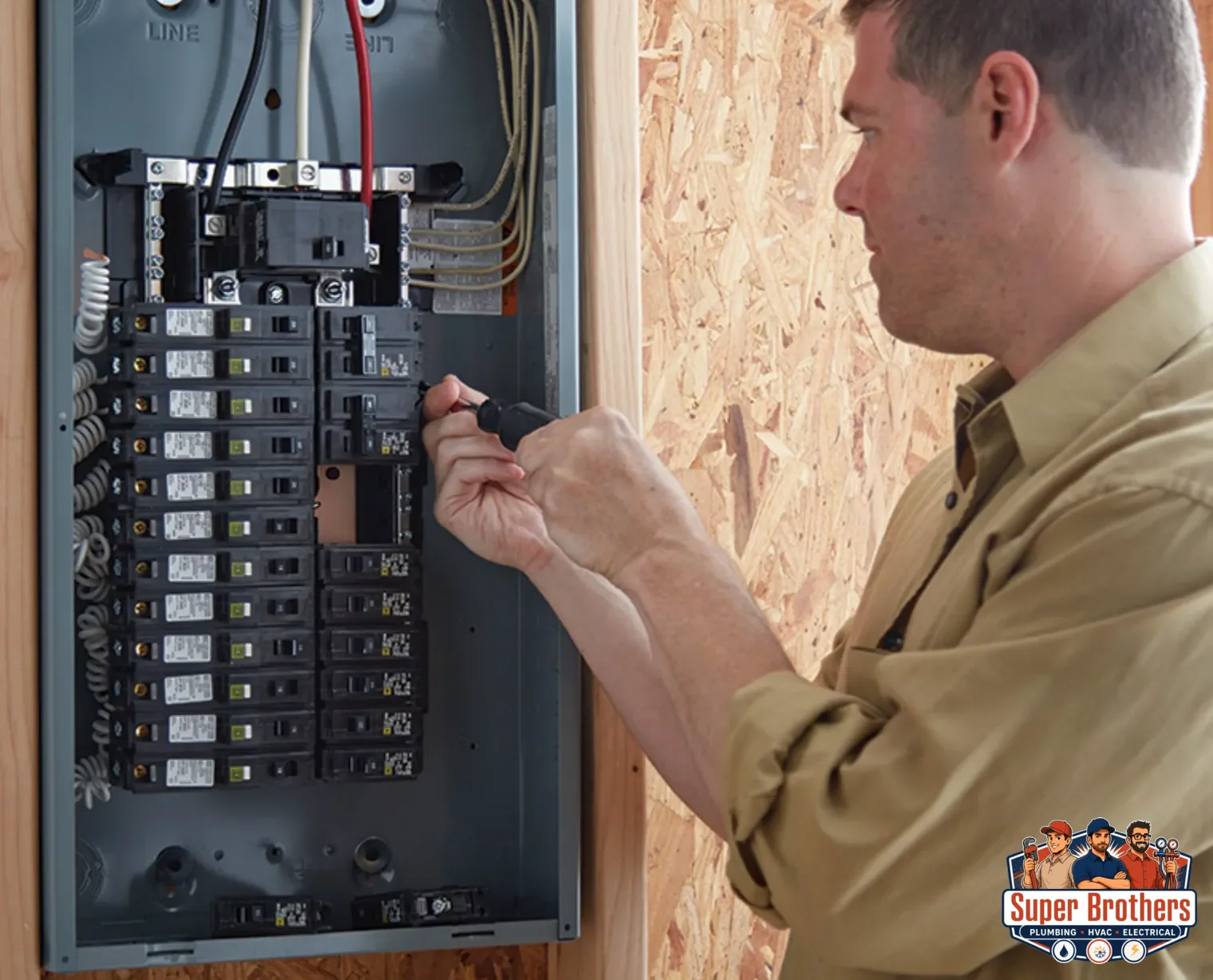
Northern California has many older and remodeled homes where electrical work was updated at different times. ESFI recommends electrical inspections for homes 40 years or older and for previously owned homes, especially after major renovations or large appliance additions. If several outlets are loose, lights flicker, or breakers trip often, the issue may be bigger than one receptacle.
Can You Replace a Bad Outlet Yourself?
Outlet replacement still involves circuit identification, grounding, conductor connections, and the condition of the electrical box. If you are not already comfortable working safely around household wiring, this is a smart job to hand off. An outlet damaged by overheating may also need more than a simple device swap. Super Brothers Plumbing Heating & Electrical provides residential electrical services across the Sacramento and Bay Area service regions, including troubleshooting, rewiring, panel upgrades, EV charger installation, and related electrical work. If an outlet is acting strange, the goal should be finding the cause instead of guessing at it. Learn more about Super Brothers electrical services and home rewiring.
Frequently Asked Questions
Can an outlet go bad even if it still has power?
Yes. An outlet can still deliver power while its contacts are worn or a connection is becoming loose. Warmth, discoloration, buzzing, loose plugs, or intermittent power are signs it should be checked.
Why does my outlet work sometimes and not others?
Intermittent power can come from a worn receptacle, loose connection, tripped GFCI, switch-controlled outlet, or another circuit problem. If moving the plug changes whether it works, stop using the outlet and have it inspected.
Should an electrical outlet feel warm?
A noticeably hot or uncomfortably warm receptacle should not be ignored. Stop using it and arrange an inspection, especially if you also notice odor, discoloration, buzzing, or breaker trips.
How often should I test GFCI outlets?
The CPSC and ESFI recommend testing GFCI protection monthly. Press TEST to confirm power shuts off, then RESET to restore power.