

To budget for a bathroom remodel, decide what you want to change.
Get written estimates for that work, and add the items you’ll buy separately. Keep money aside for repairs discovered after demolition, then check that the full amount fits your spending limit. Choosing tile and fixtures is easier once you know how much is available after labor, plumbing, and preparation.
Decide How Much of the Bathroom You’re Changing
Replacing a vanity, repainting, and updating fixtures is a different job from rebuilding a shower or moving a toilet. Write down what stays, what goes, and what isn’t working for you now. If the room feels cramped, for example, decide whether better storage would solve it before paying to move walls or plumbing.
Set a Total Limit Before Shopping
Choose a total you can manage while leaving money for your other household expenses and emergencies. It needs to cover the contractor, your own purchases, and unexpected work. Share that limit when discussing your bathroom remodeling plans so the contractor knows where you want to spend the money, before you’ve fallen in love with a vanity that uses up the flooring budget.
Build the Budget Around the Whole Job
Include demolition and disposal, plumbing and electrical work, surface preparation, waterproofing, installation labor, and finishing. Add the vanity, countertop, fixtures, tile, lighting, fan, mirrors, and shower glass where applicable. Check who supplies each item and whether delivery and sales tax are included, because a list of showroom prices won’t tell you what the finished bathroom costs.

Keep a Separate Reserve for Unexpected Repairs
Ask the contractor what repairs might come up once the walls or floor are opened, and set money aside for them. Removing old tile or a vanity can reveal damaged flooring, leaking connections, or previous work that needs correcting. With a reserve still available, you have money to cover those repairs even after ordering your fixtures and finishes.
What a Bathroom Remodel Budget Could Look Like
For illustration, a $30,000 spending limit with $5,000 held aside leaves $25,000 for planned work and purchases. If the contract is $22,000, only $3,000 remains for anything outside it, including owner-supplied fixtures or fees. These figures show how to organize a budget, not what your remodel will cost; use estimates for your Sacramento or Bay Area home to fill in the actual amounts.
Check Whether Keeping the Layout Saves Money
If you’re considering a different layout, have the contractor price that change separately. Keeping the toilet, shower, and vanity near their existing positions can mean less plumbing to move, while relocating a drain may require opening a floor or cutting concrete. Seeing the added cost makes it easier to decide how much that extra space or different arrangement matters to you.
Understand What a Material Allowance Covers
An allowance is an amount included in the estimate for something you haven’t selected yet, so check exactly what it covers. A vanity allowance might cover just the cabinet, with the countertop, sink, faucet, and installation priced separately. If the allowance is $1,200 and your choice costs $1,700, you’ll need another $500 before any additional tax, delivery, or installation charges.

Price Installation Alongside Materials
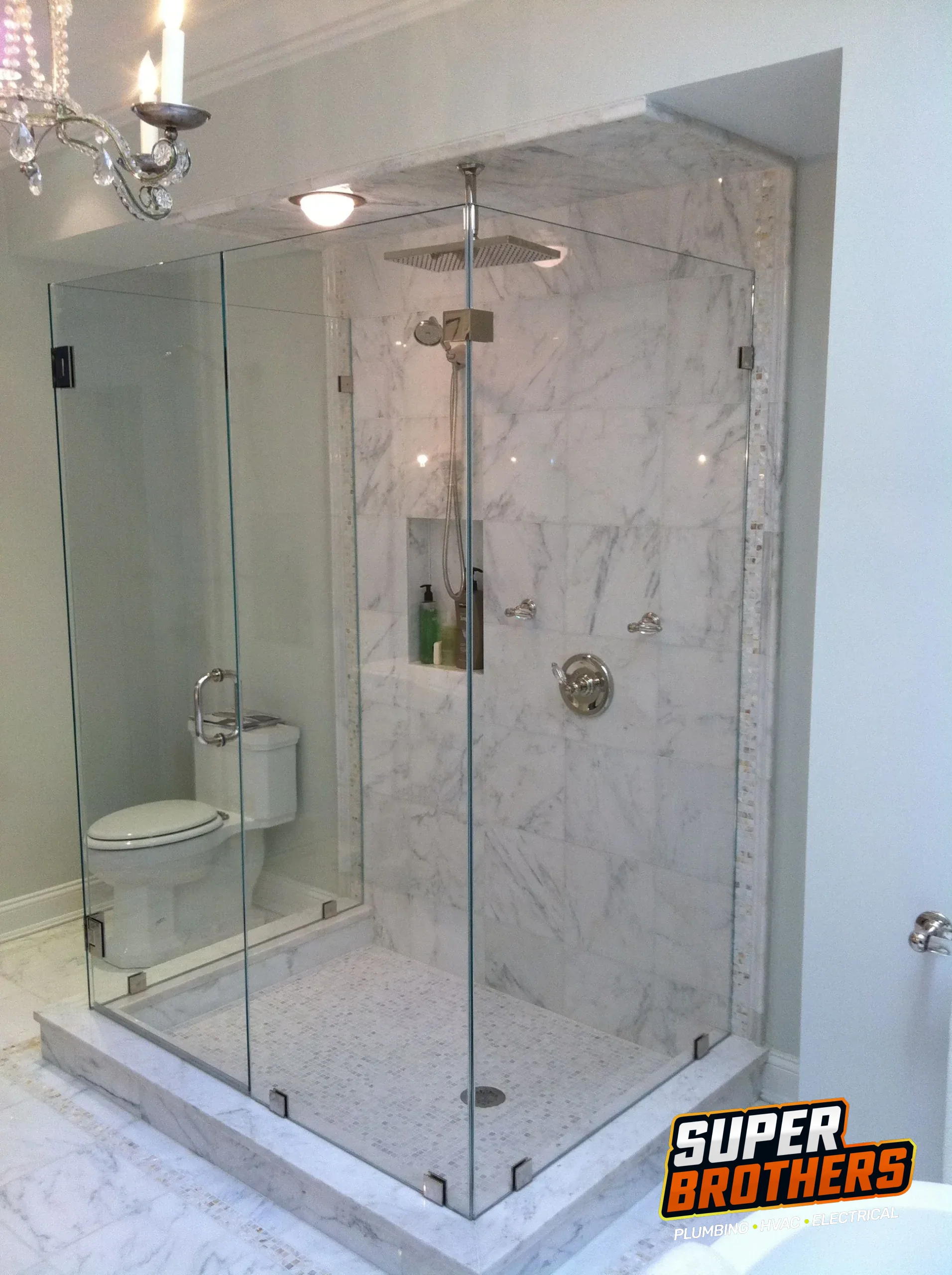
Before ordering, get a price that includes installation and have the contractor check that your choices fit the space and plumbing connections. Two tiles with similar shelf prices can take different amounts of preparation, cutting, and time to install. Detailed patterns, recessed shower shelves, and custom glass can add labor costs too, even when the materials fit your budget.
Leave Room for Waterproofing and Repairs
Waterproofing and repairs need to be included, even though you won’t see that work once the bathroom is finished. Tile and grout alone don’t make a shower waterproof, as Schluter explains in its shower waterproofing guidance. If money gets tight, choosing simpler finishes can help leave enough for proper preparation and fixing any leaks.
Include Permits and Inspection Costs
Ask who obtains permits, what fees are included, and whether drawings or additional review are needed. Requirements depend on the location and work; San José, for example, distinguishes minor kitchen and bathroom remodels from larger projects. Have your contractor confirm the requirements for your address rather than assuming a small bathroom won’t need a permit.
Compare Estimates for the Same Work
Give each contractor the same layout, fixture list, and finish choices so you can see whether both prices cover the same work. Any plumbing repairs should be described clearly, along with who’s handling the finishing. One estimate may include shower glass and painting while another leaves them for you to arrange and pay for separately.
Agree on Payments and Changes in Writing
California’s CSLB says a home-improvement down payment generally cannot exceed $1,000 or 10 percent of the contract price, whichever is less. Review the contract and payment guidance before signing, and tie later payments to the agreed work or materials. Changes to price or scope need a written change order signed by both parties before that changed work begins.
Plan for the Days You Can’t Use the Bathroom
If this is your only bathroom, discuss toilet and shower access before choosing a start date. Temporary arrangements or a short stay elsewhere belong in your budget, along with any storage or delivery charges. Confirm product availability too, because a missing shower valve or delayed vanity can affect when the room is ready to use.
Getting a Bathroom Remodel Estimate
We work with homeowners in Sacramento and the Bay Area. When you request a bathroom remodel estimate from Super Brothers, share your spending limit, room photos, and what you’d like to change or keep. Tell us about leaks or storage problems too, so we can prepare an estimate for the work you actually want.