Installing a gas line can be fairly straightforward for an experienced professional, but it is rarely a good casual weekend project for a homeowner. The pipe must be sized correctly, routed safely, connected properly, and tested for leaks before it is placed into service. In many Northern California communities, the work also requires a permit and inspection.
The real answer depends on where the new line is going and what it will supply. Running a short, accessible line to a gas range is a different job from trenching across a backyard for an outdoor kitchen or adding enough capacity for a tankless water heater. Gas piping is one of those home projects where “close enough” is not close enough.
When Is Gas Line Installation Relatively Easy?
A gas line installation is usually easier when the existing piping is nearby, easy to reach, and large enough to support the new appliance. An unfinished garage, open crawlspace, accessible attic, or exposed utility area can give the installer a clear route. Fewer walls to open and fewer obstacles to work around generally mean a simpler project.
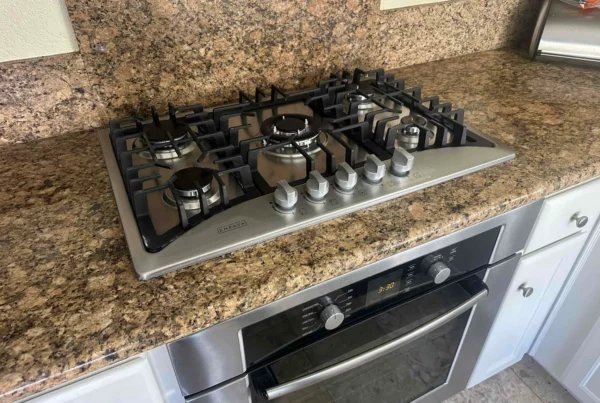
The appliance also matters. A standard gas cooktop may have different fuel needs than a large furnace, pool heater, fireplace, or high-output tankless water heater. Before adding a new connection, the contractor must look at the total demand from all gas appliances that may operate at the same time.
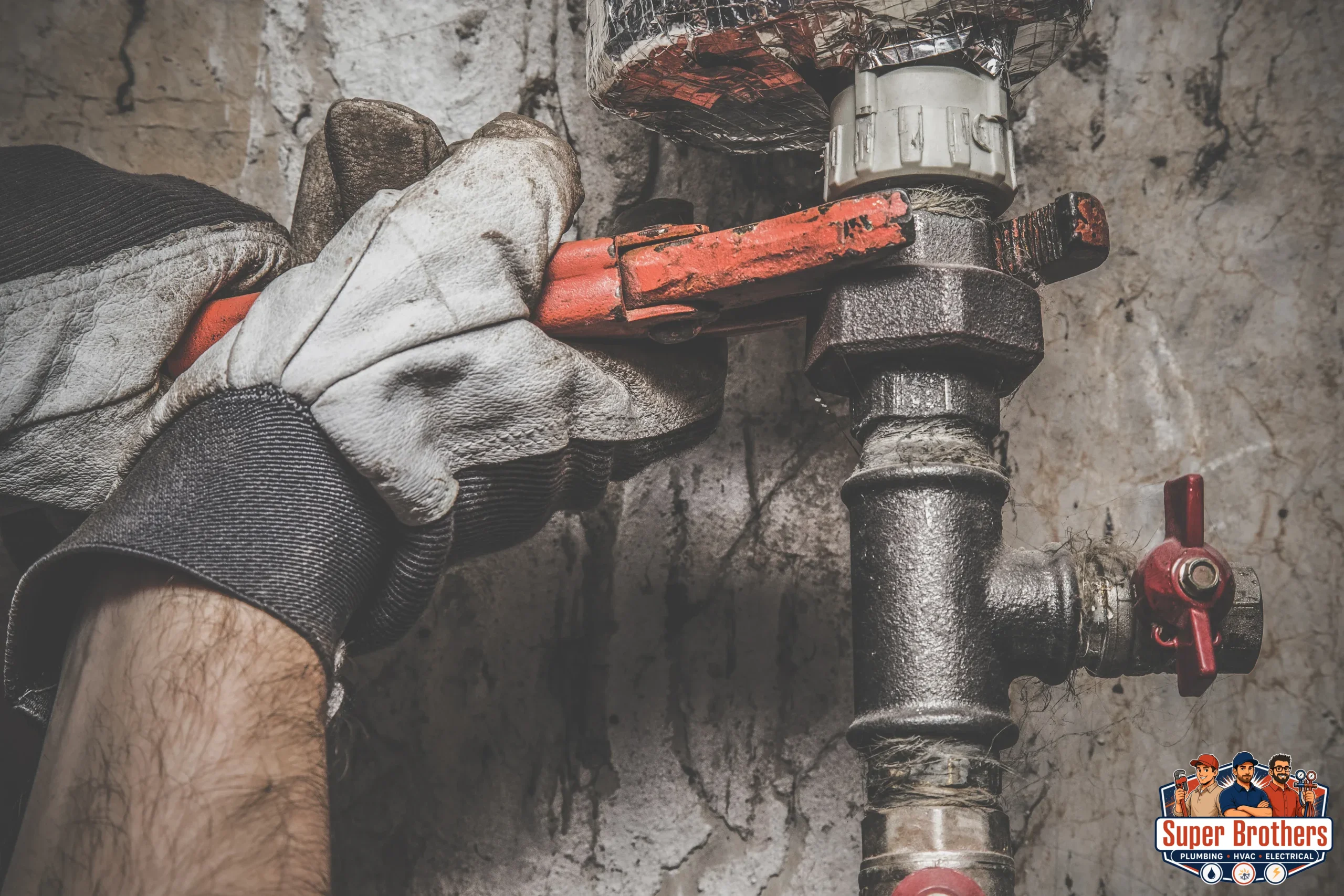
A straightforward installation will commonly include a planned pipe route, approved piping and fittings, an accessible shutoff valve, and a pressure test. The line must then pass any required local inspection before normal operation. The hands-on work may move quickly, but permits and inspection scheduling can add time to the overall project.
What Makes a Gas Line Project More Complicated?
Long pipe runs, finished walls, tight crawlspaces, concrete slabs, and crowded utility areas can all make the job more involved. Older homes in Sacramento, San Jose, Oakland, Palo Alto, Roseville, and nearby communities may also have piping that has been modified several times over the years. Sometimes the new appliance is simple, but the route to reach it feels like the house designed its own escape room.
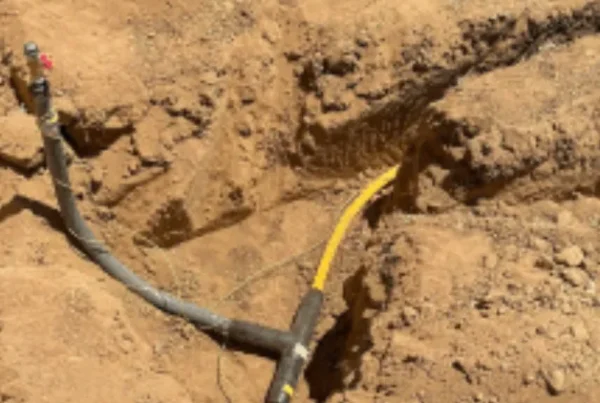
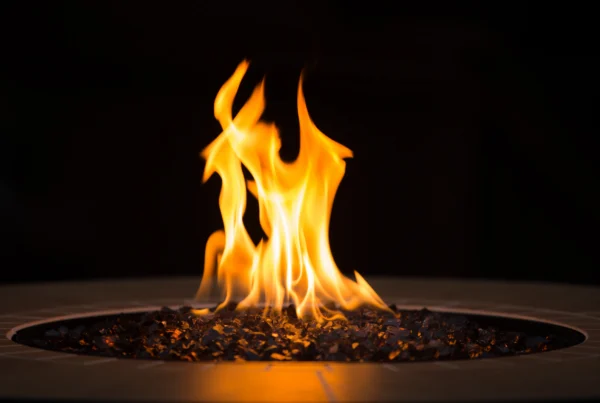
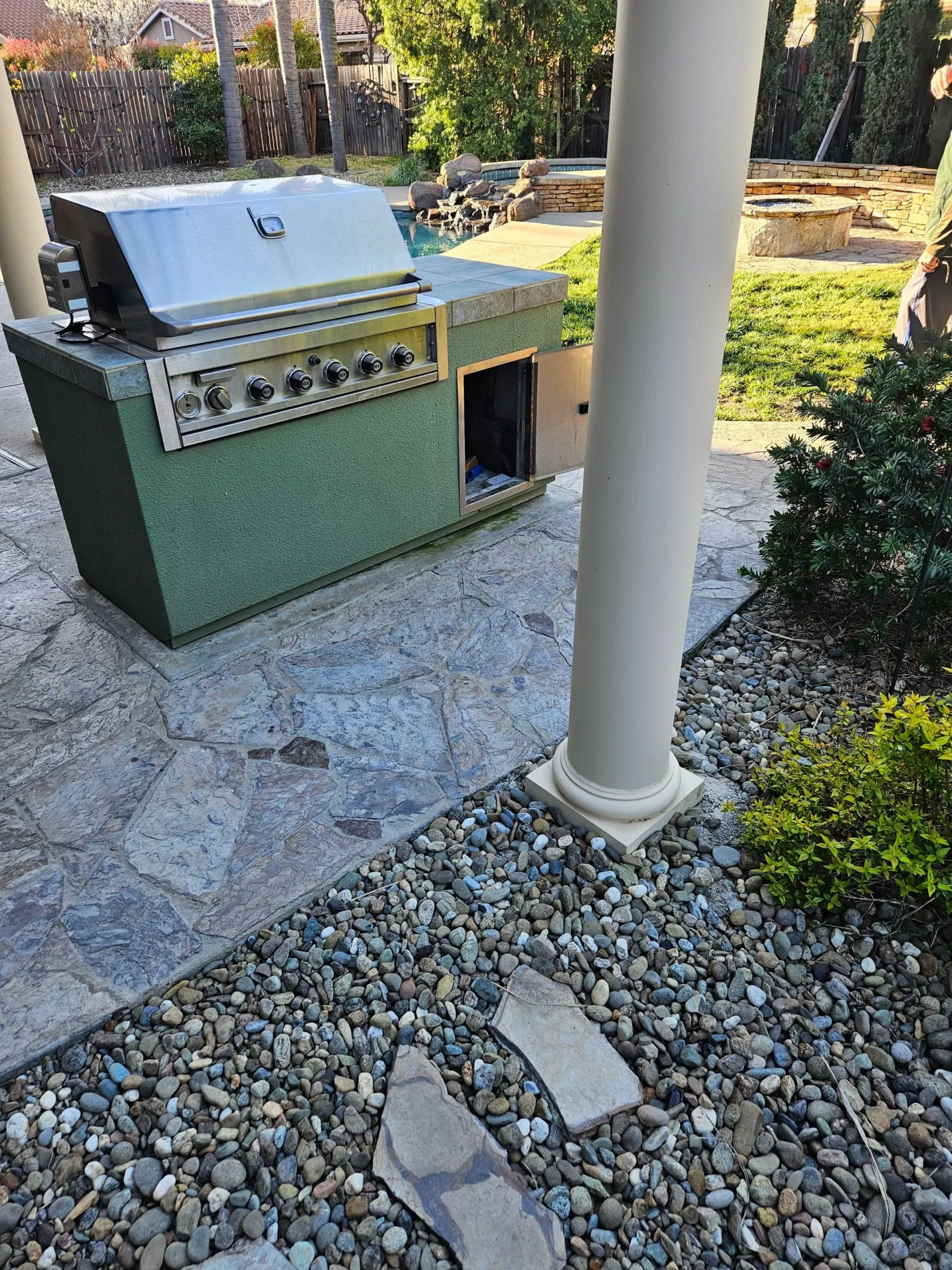
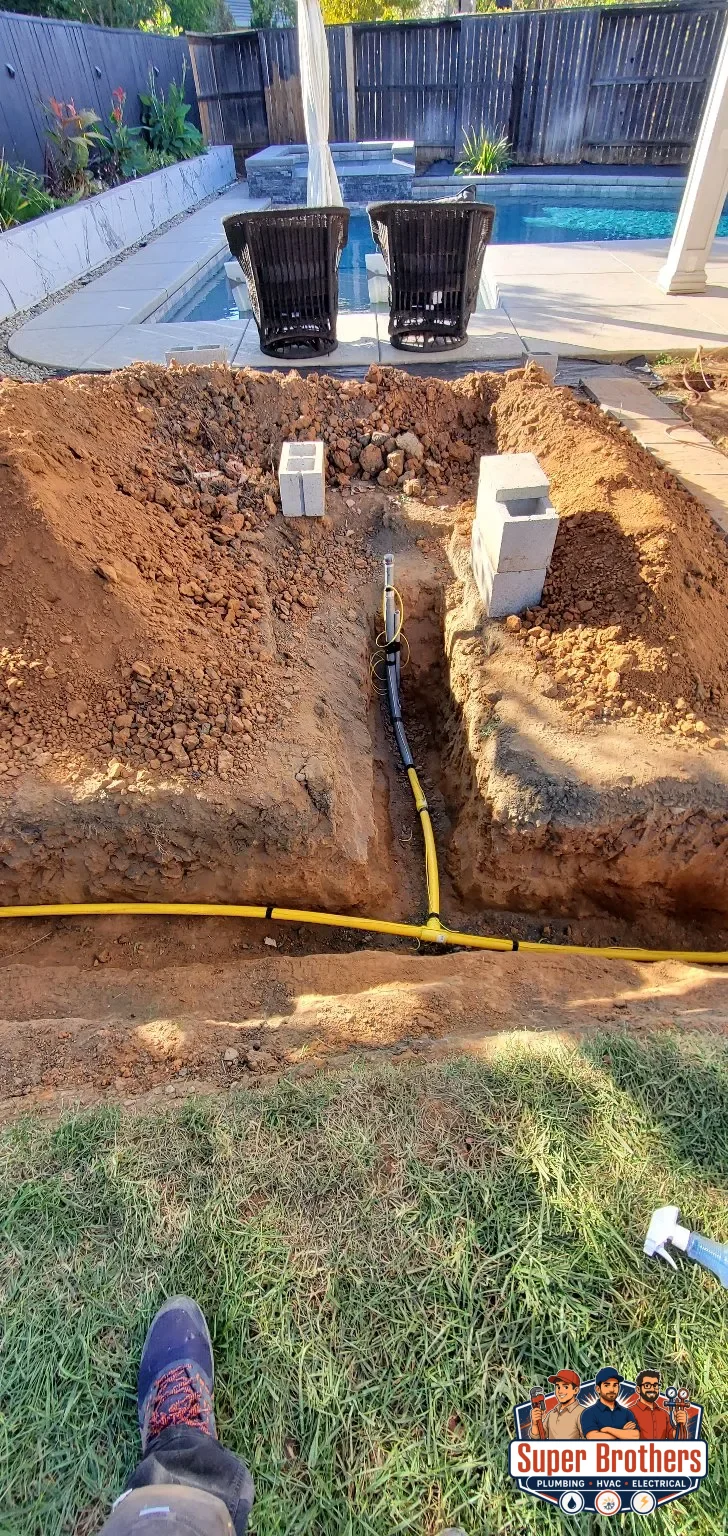
Outdoor gas lines often require excavation. A line for a barbecue, fire pit, pool heater, detached garage, or backyard kitchen may need a trench, approved underground pipe, corrosion protection, and careful placement around existing utilities. Landscaping, patios, retaining walls, tree roots, and irrigation systems can all affect the route.
The project may become more complex when the existing gas meter or house piping cannot provide enough fuel for the additional appliance. A contractor may need to calculate the expected demand and determine whether larger piping or utility coordination is necessary. PG&E must approve work involving its meter or service equipment, while a licensed contractor generally handles customer-owned piping after the utility’s point of delivery.
The Main Factors That Determine How Easy the Job Will Be
- Distance and access: Short, exposed routes are usually easier than lines running through finished walls, slabs, attics, or cramped crawlspaces.
- Appliance demand: Larger appliances may require bigger piping or additional gas capacity.
- Indoor or outdoor installation: Underground lines can require utility marking, trenching, protective materials, and landscape restoration.
- Condition of existing piping: Aging, undersized, corroded, or heavily modified systems may need repairs or replacement.
- Local requirements: Permit, inspection, seismic valve, and contractor registration rules can vary between Sacramento-area and Bay Area jurisdictions.
Do You Need a Permit for a New Gas Line?
In many California jurisdictions, installing or altering fuel-gas piping requires a plumbing or mechanical permit. The City of Sacramento states that permits are required for work on plumbing and mechanical systems, while individual Bay Area cities may have their own application procedures. San Francisco, for example, has specific contractor registration and permitting requirements for plumbing work.
PG&E also explains that property owners are responsible for obtaining required local permits and arranging inspections. The utility may verify that the work has passed inspection before establishing or reconnecting service. Your contractor should confirm which requirements apply to the exact property instead of using a one-size-fits-all answer.
A permit is more than paperwork added to your home-improvement side quest. It creates a record of the work and provides an inspection point before the new piping is placed into service. That documentation may also be useful during a future home sale, insurance review, or remodeling project.
Can a Homeowner Install the Gas Line?
Local rules may provide limited owner-builder options, but legal permission does not automatically make gas piping a practical do-it-yourself project. Correct pipe sizing, approved materials, joint preparation, appliance connections, pressure testing, venting, and shutoff placement all matter. A small mistake can remain hidden until the appliance is operating.
California’s C-36 plumbing contractor classification specifically covers gas piping on the property owner’s side of the utility meter, along with gas connections and related equipment. Hiring an appropriately licensed contractor gives the homeowner one company responsible for planning, installation, testing, and permit coordination. This is not quite the same as assembling a bookshelf and discovering one mystery screw at the end.
Homeowners should also avoid extending, reconnecting, or modifying gas piping based only on a quick online tutorial. Different appliances have different fuel demands, and the pipe that looks large enough may not deliver the required amount of gas over the full distance. A professional evaluation can identify that problem before the new appliance starts underperforming.
What Happens During Professional Gas Line Installation?
The process usually starts with an on-site review. The contractor identifies the appliance requirements, examines the existing gas system, selects a route, and checks whether the current piping and meter appear suitable. Permit needs and possible utility involvement should also be identified before walls are opened or trenches are dug.
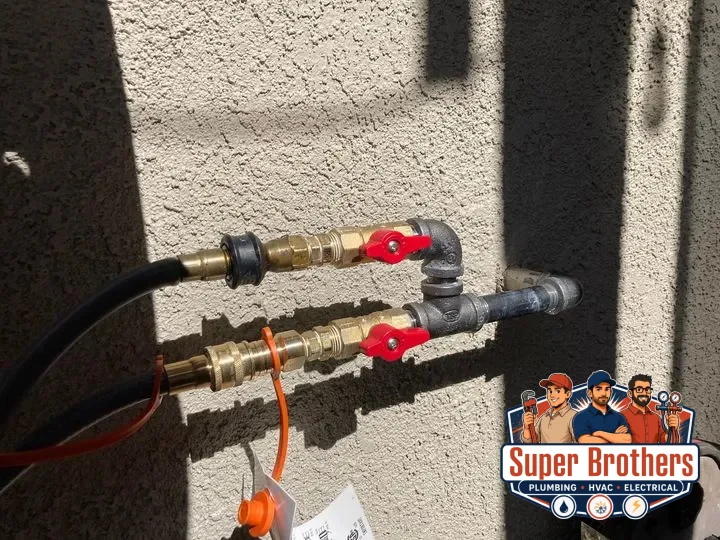
After the route is prepared, the installer places the approved piping, fittings, shutoff valves, and appliance connection components. The completed line is pressure tested to check for leaks before it is approved for use. Required inspections are then completed, and the appliance connection can be finalized according to the project’s permit and utility requirements.
For underground work in Northern California, an 811 request must be made before digging begins. USA North 811 asks homeowners and contractors to pre-mark the proposed excavation area and contact 811 at least two working days before digging. Utility operators can then respond and mark the approximate locations of participating underground facilities.
What Should Homeowners Check Before Hiring a Contractor?
- Confirm that the contractor has the appropriate active California license and insurance for the work.
- Ask whether permit fees, inspection coordination, pressure testing, and appliance hookup are included in the estimate.
- Make sure the quote explains the proposed route, pipe material, restoration work, and possible meter or capacity issues.
- For outdoor work, confirm who will submit the 811 request and whether private utility locating may also be necessary.
Gas Line Installation in Sacramento and the Bay Area
Northern California homes come with a wide mix of building styles and construction eras. Sacramento-area properties may have crawlspaces, slab foundations, large yards, or detached structures, while Bay Area homes may involve tighter lots, older construction, limited access, and stricter city-specific procedures. The same appliance can therefore require a very different installation plan from one home to the next.
Super Brothers Plumbing Heating & Air provides gas line installation and repair services throughout the Sacramento and Bay Area service regions. Our team can examine the existing system, explain the practical options, and determine whether the job involves permitting, excavation, pressure testing, or PG&E coordination. Homeowners receive a plan based on the actual property rather than a price built around best-case assumptions.
So, How Easy Is It to Install a Gas Line?
For a licensed professional, a short gas line with good access and adequate existing capacity may be a manageable installation. The job becomes harder when it requires long runs, underground piping, wall repairs, meter changes, or upgrades to older gas piping. The only reliable way to rate the difficulty is to inspect the proposed route and the existing system.
Homeowners do not need to become fuel-gas experts before requesting service. They should know which appliance they want to install, where they want it located, and whether any remodeling or outdoor construction is planned around it. The contractor can handle the calculations, permits, testing, and less glamorous details that keep the project from becoming memorable for the wrong reason.
To discuss a new appliance line, outdoor gas connection, gas piping repair, or larger home project, contact Super Brothers Plumbing Heating & Air. The company serves homeowners across Sacramento, Citrus Heights, Roseville, Folsom, San Jose, Palo Alto, Hayward, and many surrounding Northern California communities.
Frequently Asked Questions
How long does it take to install a residential gas line?
The installation time depends on the distance, access, pipe route, and whether excavation is required. A short accessible run is normally less involved than a line placed behind finished walls or across a yard. Permit approval, utility marking, and inspection scheduling may extend the total project timeline.
Can a new gas appliance use the existing gas line?
Possibly, but the existing piping must be checked for size, condition, and available capacity. A pipe can look perfectly fine while still being too small to supply several appliances at once. A licensed contractor can calculate the demand before the appliance is connected.
Does PG&E install gas lines inside a home?
PG&E is generally responsible for its utility service equipment and the delivery of gas to the established point of service. Customer-owned gas piping after that point is normally handled by an appropriately licensed contractor. PG&E may still be involved when a project requires changes to the meter, service capacity, or utility connection.
Do I need to call 811 for an outdoor gas line?
An 811 request is required before excavation so participating underground utilities can respond and mark their facilities. USA North 811 instructs Northern California homeowners to pre-mark the proposed work area and provide at least two working days of notice. Private lines on the property may require separate locating services.
What should I do if I smell gas?
Do not light a flame, operate electrical switches, or attempt to locate the leak yourself. Leave the building with everyone in the household, including pets, and call the gas utility or emergency services from a safe location. Arrange professional inspection and repair only after the immediate emergency has been addressed.
Sources and Further Reading
- California Contractors State License Board: C-36 Plumbing Contractor Classification
- PG&E: Building and Renovation Application Resources
- PG&E: Gas Safety Information
- City of Sacramento: Building Permit Services
- City and County of San Francisco: Plumbing and Mechanical Permits
- USA North 811: Information for Homeowners and DIY Projects
- Which Pipes Are for Gas Lines? The 6 Best Types to Consider