Indoor Air Pollution: Common Household Air Pollutants
Many people believe that pollution only happens outside in natural environments. However, this is a misconception because air pollution can also occur in your home. Indoor air pollution is not just a continuation of outdoor pollution, but rather the result of everyday household products, appliances, and activities. These household air pollutants can cause serious health problems such as asthma, lung cancer, and even heart disease. Vulnerable groups, such as babies and the elderly, are especially at risk from indoor air pollution.

What Air Pollutants Are the Biggest Problems in Homes?
You may be shocked to learn which products are damaging your health, but it is crucial to be aware and make alterations wherever possible. Some of the most common household pollutants come from gas appliances, cleaning products, aerosol sprays, air fresheners, candles, and electronic cigarettes.
First on our list of household products that add to indoor air pollution are gas stoves. Gas stoves emit nitrogen oxides, which are poisonous and highly reactive gases. Nitrogen oxides can damage our respiratory tract and lead to respiratory infections and asthma. Nitrogen oxide is the same gas that cars, trucks, and boats emit. We wouldn't stand near a truck while it was exhausting gas, so why do we cook in close proximity to that same gas in our homes? The simple answer is that not enough people know about the indoor gas appliance dangers and the damage gas stoves can do to our health.
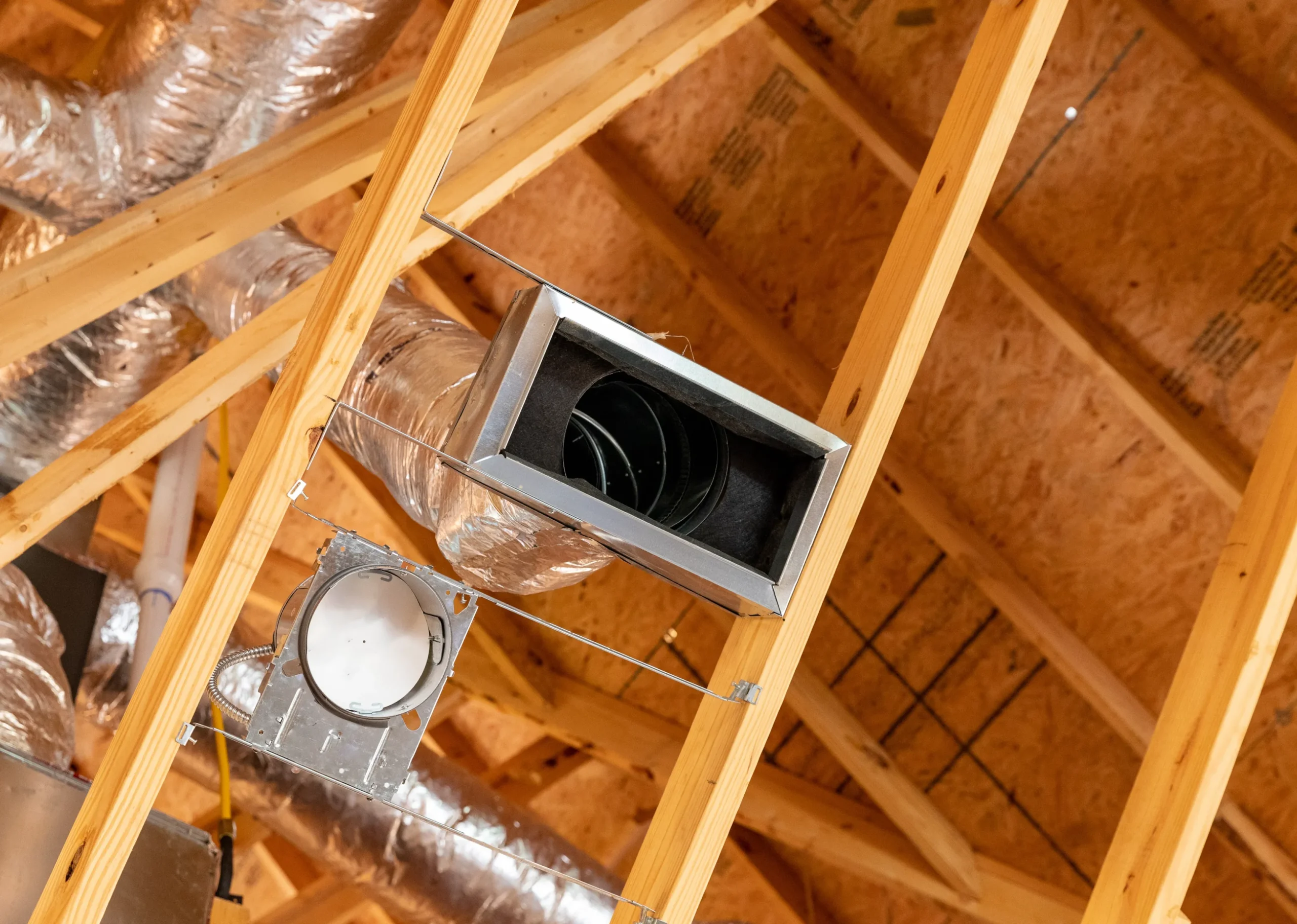
Something as simple as cleaning products can also damage our health due to the air pollution they create. Cleaning products release airborne particles, and if someone is breathing in these particles at unhealthy levels (PM2.5), then they are at an increased risk for asthma. Investing in air cleaners that remove particles with high-efficiency mechanical filters can aid in the reduction of harmful household air pollutants. Learn more about improving indoor air quality with your HVAC system. Aerosol sprays, air fresheners, and candles are also common household pollutants found in people's homes. They can release pollutants into the air that become trapped on heating, ventilation, and air conditioning (HVAC) system filters and prevent your system from effectively purifying the air in your home.

Other Common Household Pollutants
This last item may not be a surprise but needs to be reiterated from time to time; electronic cigarettes or E-cigarettes/Vapes are products that lead to indoor air pollution. At times they are perceived as safe alternatives to cigarettes, but they still lead to the same chronic health conditions such as severe lung disease, cardiovascular disease, and in some cases death. Comparable to other tobacco products like cigarettes and cigars, E-cigarettes damage indoor air quality as a result of the high levels of particles they emit. Smoking indoors poses a risk to not only your health but your air ducts as well, meaning no one living in your home is safe and will ultimately be affected by the air pollutants. Indoor smoking poses a serious health risk.
Ways to Prevent Air Pollution in Your Home
Possible solutions for limiting or stopping indoor air pollution include making your own household cleaning products out of ingredients like vinegar and baking soda. Staying away from air fresheners or any aerosol products in general can help immensely. If you love candles and cannot imagine not having some in your home, then consider buying natural soy ones or making some yourself to ensure no toxic pollutants are added. It is important to keep your home safe and clean.