Your water heater is the quiet roommate of your home. It does the work, asks for nothing, and then one day it decides your morning shower should feel like a mountain lake in February. When that happens, the big question shows up fast: repair it, or replace it?
If you own a home in San Jose, this choice matters more than most people expect. It affects comfort, utility bills, water damage risk, and how much stress you deal with when something fails at the worst possible time. It also affects permits, safety details, and earthquake strapping requirements that are part of doing the job correctly in California.
This guide is written for regular homeowners, whether you just bought a townhome in North San Jose or you have lived in the same South Bay house since cable remotes were a luxury. The goal is simple: help you make a smart call based on age, symptoms, repair cost, and what makes sense for your home.
Why this decision matters more than people think
Water heating is a real chunk of household energy use. The U.S. Department of Energy notes that water heating is usually the second largest energy expense in a home, and it can account for about 18% of home energy use. That means a struggling water heater is not just annoying, it can also quietly cost you money every month.
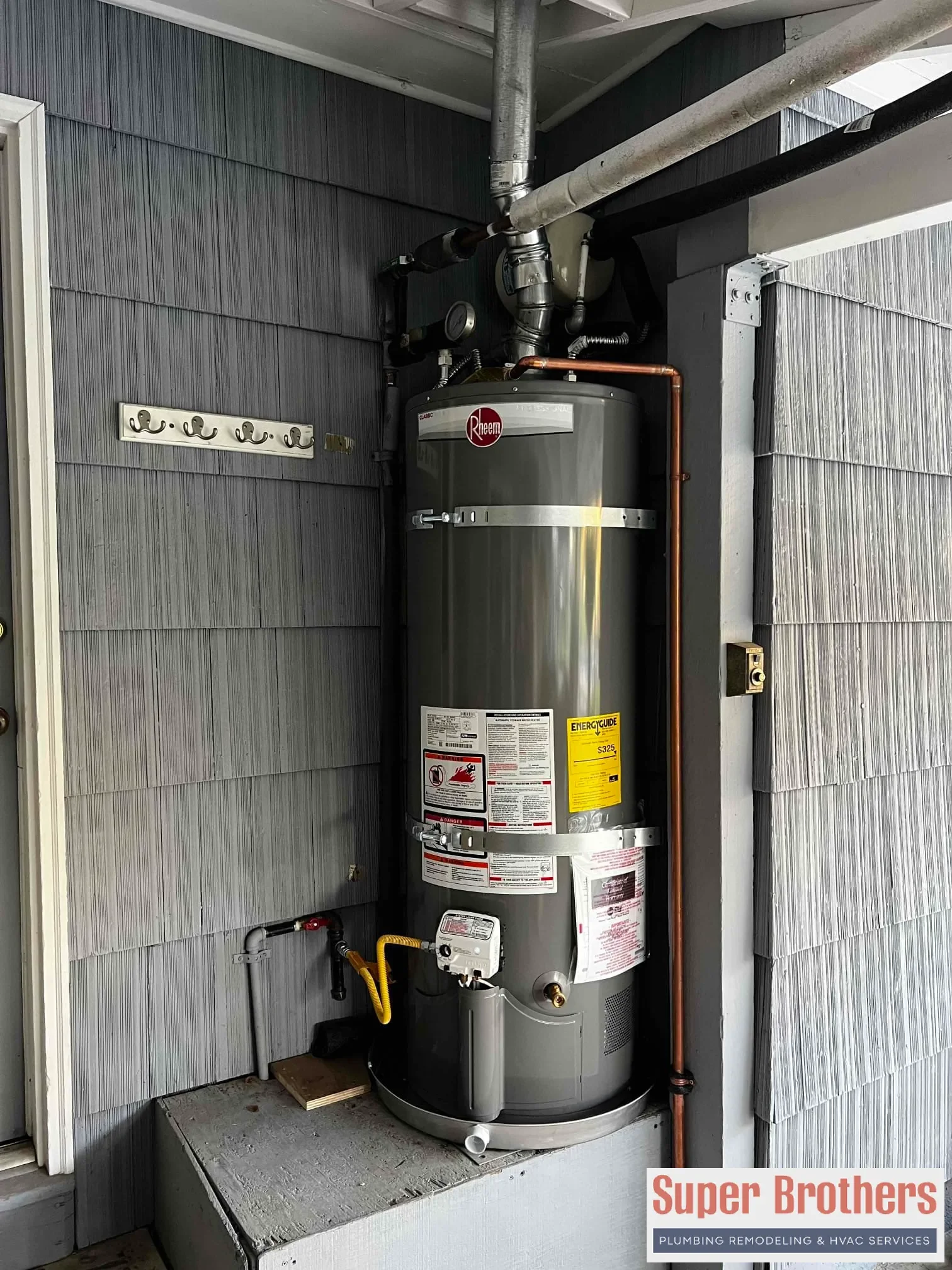
In San Jose area homes, we also see a lot of situations where the water heater is in a garage, utility closet, or side yard setup. That can make access easy for service, but it also means installation details matter, especially when it comes to venting, drainage, electrical, and seismic bracing. A quick swap done wrong can become a longer and more expensive problem later.
Another local factor is timing. If the heater fails suddenly, you may be forced into a rushed decision, and rushed decisions usually cost more and give you fewer options. Planning before failure gives you time to compare repair vs replacement, choose the right size, and pick a system that fits your budget and your household habits.
The short answer most homeowners want first
If the problem is a replaceable part and the tank itself is still solid, repair is usually worth it. If the tank is leaking, badly corroded, or the unit is older and stacking up problems, replacement is usually the smarter move. The trick is knowing the difference between a fixable part issue and a tank that is already on borrowed time.
A good rule of thumb is this: if the water heater is over 10 years old, start thinking proactively, even if it still works today. ENERGY STAR specifically recommends considering replacement when a water heater is more than 10 years old so you are not forced into an emergency decision. That does not mean every 10 year old heater must be replaced, but it does mean the conversation should start.
When repair usually makes sense
Repairs are often the right move when the heater is relatively young and the issue is isolated. Many no hot water calls end up being a thermostat, heating element, igniter, thermocouple, gas control issue, or another serviceable part. Those are very different from a tank that is rusting through.
Repair also makes sense when the heater has been maintained and the overall condition is good. A clean tank area, no rust streaks, no active leaks, and no history of repeated breakdowns are all good signs. Think of it like replacing brakes on a solid car, not rebuilding an engine on a car that is already falling apart.
Here are common situations where a repair is often worth doing:
- The unit is under about 8 years old and this is the first major issue.
- The tank is not leaking and there is no visible corrosion on the tank body or fittings.
- The problem is a known replaceable component, such as an element, thermostat, igniter, or valve.
- The repair cost is much lower than replacement and the rest of the heater is in good shape.
- You need a short term fix while planning a bigger upgrade later, such as switching to tankless or heat pump.
One more thing people forget is warranty status. If your heater is still under manufacturer warranty, a repair can be a very easy decision. The labor may still cost something depending on the situation, but the parts or tank coverage can significantly reduce the total bill.
When replacement is the better choice
Replacement is usually the right call when the tank itself is failing, not just a part attached to it. Once a tank starts leaking from the body, it is replacement time. There is no permanent repair for a rusted through tank.
Replacement also makes sense when the heater has become a repeat offender. If you have repaired it multiple times and you are still getting weak hot water, noise, or inconsistent performance, you are paying for stress and downtime on top of repair costs. That money is often better put toward a new unit with a fresh warranty.
In San Jose, replacement is often the stronger move when homeowners want lower utility bills, more hot water, or a different setup that matches the home better. If your family grew, you added a bathroom, or your current heater is too small, repairing the old unit may solve today’s symptom but not the actual problem.
Here are the signs that usually point toward replacement:
- Water is leaking from the tank itself, especially from the base or tank seams.
- The heater is over 10 years old and showing multiple warning signs.
- You see rust in the hot water, heavy corrosion, or recurring leaks.
- The unit rumbles, pops, or bangs loudly from sediment buildup and performance has dropped.
- A repair would cost a large percentage of a new unit, especially on an older heater.
ENERGY STAR also lists common warning signs homeowners should not ignore, including visible corrosion, leaks, rust in the water, reduced hot water, and rumbling noises. Those are classic signs of an aging unit that may need major repair or replacement soon. If several of those are happening together, replacement usually wins.
What counts as a real emergency and what can wait a day
Not every water heater problem is a same hour emergency, but some absolutely are. A leaking tank, the smell of gas, visible scorch marks, water near electrical components, or active venting issues should be treated seriously and checked right away. Safety first, comfort second.
On the other hand, a heater that is still running but producing less hot water, making noise, or cycling oddly might give you enough time to schedule an inspection and compare options. That is the sweet spot where homeowners usually save money because they can make a calm decision. Cold showers build character, sure, but they are a terrible budgeting strategy.
How to decide without guessing: the four point check
When we help homeowners decide between repair and replacement, we keep it simple. We look at age, condition, repair cost, and performance. If three of those four are going in the wrong direction, replacement is usually the better long term value.
Start with age first. Look at the label on the tank for the manufacture date, or use the serial number to identify it if the date is not clearly printed. ENERGY STAR notes that some units show the date on the label, while others require decoding the serial number.
Next, look at condition. Surface rust on a pipe fitting can be one thing, but rust on the tank body, moisture around seams, or mineral streaks from old leaks are different. If the tank body looks tired and you already have performance issues, the answer starts to get clear.
Then compare repair cost to replacement cost. A small repair on a newer heater can be a smart move. A bigger repair on an old heater can feel like putting premium tires on a car with a failing transmission.
Finally, check performance. Are showers shorter than they used to be, does hot water run out faster, and is recovery time slow? Those signs often point to sediment buildup, aging parts, or a unit that is simply no longer keeping up with your household.
Common problems that look scary but are often repairable
A lot of homeowners assume any water heater issue means full replacement. That is not always true. Some of the most common problems are part failures that can often be diagnosed and repaired without replacing the whole unit.
For electric tank water heaters, failed heating elements and thermostats are common and often fixable. For gas units, ignition problems, thermocouple issues, burner assembly problems, or a faulty gas control valve can also be serviceable. In both cases, a good diagnosis matters more than guessing and replacing random parts.
Water around the heater can also be misleading. Sometimes the tank is not leaking at all, and the water is coming from a fitting, relief valve discharge, condensation, or a nearby plumbing line. That is why it helps to have someone verify the exact source before calling it a total loss.
Common problems that usually mean the heater is done
If the steel tank itself is leaking, replacement is the answer. Once the tank wall or seam fails, there is no reliable repair that restores long term safety and performance. Sealants and quick patches may buy minutes, not peace of mind.
Heavy corrosion combined with rust colored hot water is another strong warning sign. The tank lining and internal protection may be at the end of their life, and the unit can fail suddenly after showing signs for weeks or months. That is the kind of problem that turns a routine weekday into mop duty.
Loud rumbling from sediment buildup does not always mean automatic replacement, but on an older unit it often comes with reduced efficiency and other wear. If the heater is already old and noisy, you may get more value from replacing it than from chasing one repair after another.
San Jose homeowners: local details that change the job
San Jose homeowners should plan for permit and code compliance as part of a water heater replacement, not as an extra surprise. The City of San José online permit pages list water heater replacement and other water heater permit categories, which is a good reminder that this work should be handled correctly and documented. A qualified contractor should be comfortable handling this process.
California also has earthquake bracing requirements for water heaters. The California Seismic Safety Commission states that new and replacement water heaters are required by law to be anchored or strapped to resist falling during earthquakes. In the Bay Area, that is not a small detail, it is part of doing the job right.
If you are replacing a heater in a garage, layout and protection details matter too. Clearances, venting, drain routing, and safe installation around other systems should all be part of the plan. This is one reason a low quote is not always the best quote, because not all replacements include the same scope of work.
If you are replacing, what type should you choose?
Once you decide replacement is the move, the next question is what to install. In San Jose homes, the main choices are usually a standard tank water heater, a tankless water heater, or a heat pump water heater. The best one depends on your home layout, fuel type, usage habits, and budget.
Option 1: Standard tank water heater
This is still the most common choice, and for many homes it works just fine. A standard tank heater usually has a lower upfront cost and is straightforward to replace, especially if you are keeping the same fuel type and similar capacity. It is often the fastest path back to reliable hot water when you need a practical solution.
The downside is ongoing efficiency. Storage water heaters keep a tank of water hot all day, which creates standby heat loss. DOE notes that only tankless systems avoid those standby losses completely.
Option 2: Tankless water heater
Tankless units heat water as needed instead of storing it in a tank. DOE notes they can be more energy efficient, especially in homes with lower daily hot water use, and many models can last more than 20 years with replaceable parts. They also save space, which many homeowners love.
The catch is sizing and installation details. Tankless units have flow limits, so if your household runs multiple hot water fixtures at the same time, you need proper sizing or even multiple units in some cases. This is where a quick online guess often leads to disappointment, because hot water comfort depends on flow rate planning, not just brand name.
Option 3: Heat pump water heater
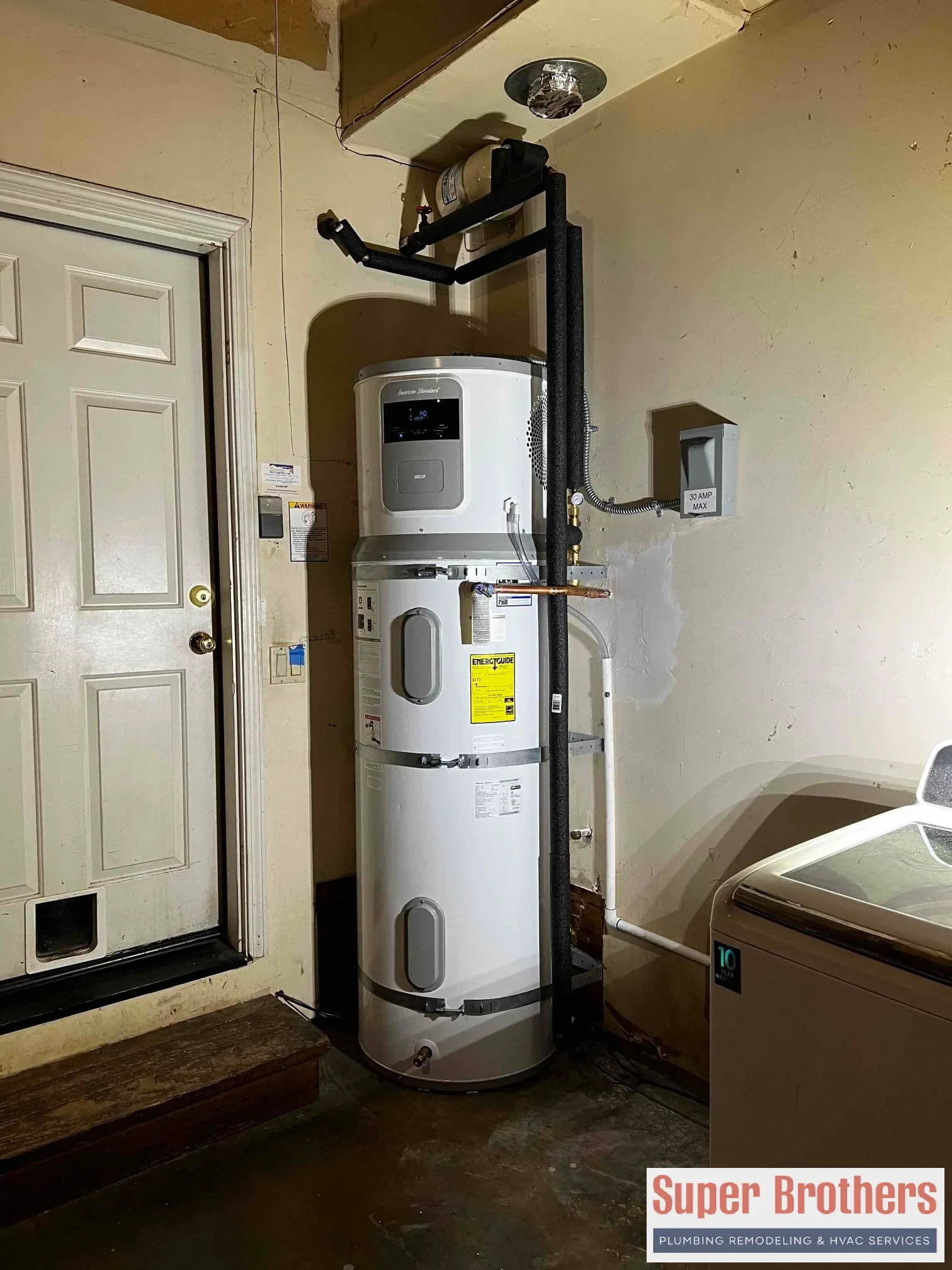
Heat pump water heaters are a strong option for many electric households and for homeowners looking to reduce utility costs over time. ENERGY STAR says certified heat pump water heaters can save a household of four about $550 per year on electric bills compared with a standard electric water heater, with significant lifetime savings. For the right home, that is a serious difference.
They do cost more upfront and have installation considerations like space, airflow, condensate drainage, and noise. Still, in many Bay Area homes, they are worth a close look, especially if your current electric tank heater is aging and you plan to stay in the house for a while. This is one of those upgrades that can feel boring on day one and very smart on bill day.
A practical way to think about cost
Most homeowners start with the price of the repair or the price of the replacement. That is normal, but it is only part of the story. The better question is total cost over the next few years, including repairs, utility use, downtime, and the chance of emergency failure.
For example, a lower cost repair on a 12 year old heater can still be a poor value if another major issue is likely soon. A higher upfront replacement can be the cheaper choice over three to five years if it cuts breakdowns and lowers operating cost. This is why a simple repair vs replace percentage rule is helpful, but not perfect.
Ask for a side by side estimate when possible. One option should show the repair, expected remaining life, and what risks remain. The other should show replacement options, warranty basics, and any known installation updates needed for code and safety.
How to make your current water heater last longer
If your heater is still in decent shape and you are not ready to replace it yet, maintenance matters. DOE notes that periodic maintenance can significantly extend water heater life and reduce loss of efficiency. Small maintenance steps are a lot cheaper than emergency replacement.
DOE also lists routine maintenance items for storage water heaters that may include flushing a small amount of water from the tank every three months, checking the temperature and pressure valve every six months, and inspecting the anode rod every three to four years. Follow your manufacturer instructions and use a qualified technician if you are not comfortable doing it yourself.
Temperature setting also makes a difference. DOE says many households only need a water heater setting of 120°F, and that this can help reduce scald risk while also slowing mineral buildup and corrosion. If you have special health needs or a dishwasher requirement, discuss the right setting with a professional before changing it.
If your heater is older and has never been serviced, do not start turning valves and draining things without a plan. Some neglected heaters can develop stuck valves or other issues during overdue maintenance. It is better to have it checked than to turn a maintenance idea into a flood story.
Three real world examples homeowners can relate to
Example 1: A 6 year old electric tank heater in a San Jose condo has no hot water, but the tank is dry and clean with no corrosion. The diagnosis is a failed heating element and thermostat. That is usually a repair situation, and the owner can keep the unit going while budgeting for a future upgrade.
Example 2: An 11 year old gas tank heater in a South San Jose garage is making rumbling noises, running out of hot water fast, and showing rust near fittings. The homeowner can repair one issue today, but multiple warning signs plus age point toward replacement. This is the classic moment to stop patching and start planning.
Example 3: A homeowner in Santa Clara has an aging electric tank and rising bills, and plans to stay in the house for years. The current unit still works, but it is over 10 years old and performance is slipping. Replacing proactively with a properly planned heat pump water heater can avoid an emergency and improve long term cost.
Questions to ask before approving any water heater work
A good contractor should be able to answer clear questions without a sales speech. Ask what failed, why it failed, and whether the tank itself is still sound. Ask what your repair buys you in expected life, and what risks remain if you choose repair.
If replacement is recommended, ask what size and type is being proposed and why. Ask whether permit handling is included, what code or safety updates are part of the job, and whether seismic strapping is included for California compliance. Ask about warranty, not just the tank warranty, but also labor and installation workmanship.
Also ask what is not included. That simple question saves homeowners from a lot of surprise charges. A clean estimate should clearly explain the scope so you are comparing real options, not just headline prices.
Bottom line for San Jose homeowners
Repair when the unit is younger, the tank is sound, and the issue is a replaceable part. Replace when the tank is leaking, corrosion is spreading, the unit is older and unreliable, or the repair cost does not make sense for the remaining life. If your heater is over 10 years old, start planning now so you can choose on your terms instead of during a cold shower panic.
For homeowners in San Jose and the South Bay, it also pays to work with a contractor who understands local permit workflow and California earthquake bracing requirements. That keeps the project cleaner, safer, and less stressful. At Super Brothers Plumbing, HVAC, Electrical and Bathroom Remodeling, we serve Bay Area homeowners with practical recommendations so you can choose the option that fits your home and budget, not just the fastest sale.
Frequently Asked Questions
How long do water heaters usually last?
It depends on the type and maintenance. DOE notes that many storage tank water heaters last about 10 to 15 years, while many tankless water heaters can last more than 20 years. Water quality, maintenance, and installation quality all make a big difference.
Can a leaking water heater be repaired?
If the leak is from a fitting, valve, or connection, it may be repairable. If the tank itself is leaking, replacement is usually required. The key is confirming exactly where the water is coming from before making the call.
Should I replace my water heater before it fails?
In many cases, yes, especially if it is over 10 years old and showing warning signs. Proactive replacement usually gives you better options and less stress than emergency replacement. It also gives you time to compare tank, tankless, and heat pump choices.
Is a permit needed for water heater replacement in San Jose?
The City of San José online permit system includes water heater replacement permit categories, so permit handling should be part of the project planning. A qualified contractor should help manage this and complete the work to current code and safety requirements.
Do water heaters in California need earthquake straps?
Yes. California guidance states that new and replacement water heaters must be anchored or strapped to resist falling during earthquakes. This is an important safety requirement in the Bay Area.
What temperature should I set my water heater to?
DOE says many households usually only require a setting of 120°F, which can help reduce scald risk and slow mineral buildup and corrosion. Some homes may need a different setup based on equipment or health concerns, so ask a qualified professional if you are unsure.
Is tankless always better than a tank water heater?
Not always. Tankless can offer efficiency and longer life, but it needs proper sizing and may cost more upfront. A standard tank heater can still be the best fit if your priority is lower initial cost and a straightforward replacement.
Sources
U.S. Department of Energy, Water Heating
U.S. Department of Energy, Storage Water Heaters
U.S. Department of Energy, Tankless or Demand-Type Water Heaters
U.S. Department of Energy, Lower Water Heating Temperature
U.S. Department of Energy, Selecting a New Water Heater
ENERGY STAR, When Should You Replace Your Water Heater?
ENERGY STAR, Heat Pump Water Heater Benefits and Savings
City of San José, Building Online Permits
California Seismic Safety Commission, FAQ on Water Heater Strapping
Note: Permit rules, incentives, and product availability can change. Confirm current details for your home and project before installation.
Super Brothers Quality
Choose Super Brothers Plumbing Heating & Air because we use top-tier materials, deliver honest workmanship, and back every job with a real warranty. Our pricing is fair and transparent—no hidden fees, ever.
We pull the permits, build to California code, and pass inspection. Our licensed, highly experienced team handles full plumbing and heating/air replacements and installations, so the job’s done right the first time.
- Top-tier materials
- Honest, quality service
- Workmanship warranty
- Fair, transparent pricing (no hidden fees)
- Permits handled; California code compliant; passes inspection
- Licensed & experienced in plumbing and HVAC installs




Refer Friends, Reap Rewards
Share our expert plumbing services with friends and family. For every successful referral, you earn cash rewards. Refer Now

Ready To Experience Super Brothers Difference! Let’s Start a Conversation!
Related Services
Financing Options

Super Brothers offers an Installment Payment Plan with 0% Interest for Projects over $1000

Fin tech company that provides payment solutions in the home improvement sector.

Flexible financing for your next home improvement project

Wells Fargo Home Projects Credit Card