Municipal water mains push massive volume down your street to service fire hydrants. That immense hydraulic force eventually connects straight to your residential plumbing through a single underground feed line. A pressure reducing valve intercepts that raw street power before it hits your indoor fixtures. Replacing this bell-shaped brass unit usually drains a homeowner’s wallet for anywhere between $150 and $3000. People ignore the warning signs right up until an interior pipe bursts behind the kitchen cabinets.
Inside the heavy metal casing sits a calibrated spring pushing against a rubber diaphragm. Water forces its way past this restriction, losing kinetic energy in the process. A correctly installed Watts regulator holds the internal house pressure dead-steady at 50 psi—unlike an unregulated city feed, which violently slams your washing machine internal solenoids with spikes over 100 psi. That rapid deceleration stops the destructive water hammer that rattles loose plumbing straps. You actually hear the physical difference in how quietly the tap opens.
Supply houses sell the bare mechanical valves for roughly $50 to $250. The final invoice jumps significantly once a licensed professional pulls into the driveway. Plumber hourly rates float between $150 and $300, largely depending on your regional market conditions. Digging up a buried exterior meter box adds expensive hours of manual labor to the final ticket. Sometimes the technician also has to pull a municipal permit, adding another $50 to $200 before anyone even picks up a wrench.
Handling raw main line water pressure carries immediate, severe financial risk for an unprepared homeowner. One tiny slip with a heavy pipe wrench easily cracks brittle, decades-old galvanized supply lines behind the wall. Paying a professional for a clean copper sweat job prevents catastrophic failures—unlike attempting a weekend DIY swap with basic hand tools, which frequently results in stripped threads and an emergency midnight flood. A bad connection pumps hundreds of gallons into your basement in minutes. Factor those risks heavily when reviewing a $600 comprehensive estimate.
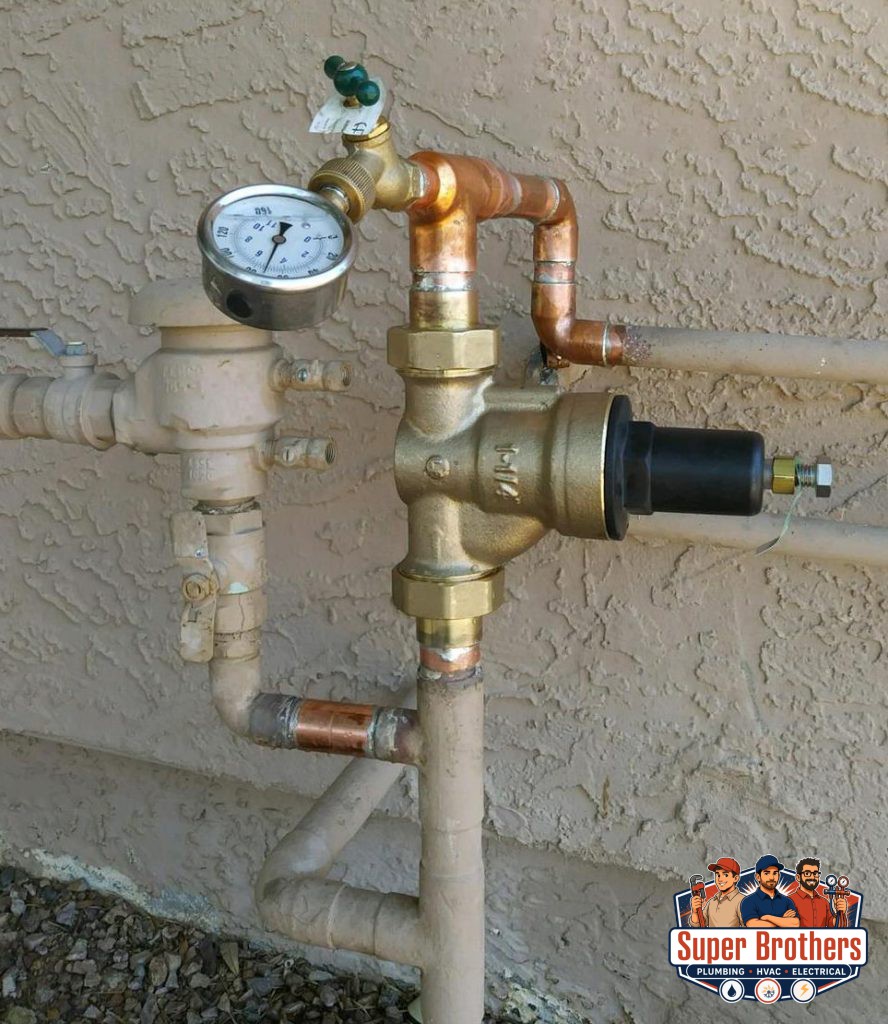
High water pressure acts like a slow-motion wrecking ball inside your major household appliances. Your conventional tank water heater utilizes a temperature and pressure relief valve as a critical safety mechanism. When the incoming street feed pushes past 80 psi, that safety valve starts weeping water directly onto the garage floor. Fixing the actual root cause at the street meter stops the constant leaking—unlike simply replacing the heater's relief valve, which leaves the underlying excessive municipal strain entirely unchecked. Dishwasher solenoids and refrigerator icemaker lines also lack the physical reinforcement to hold back that kind of raw force.
Your plumbing system complains loudly when the boundary fails entirely. You will notice sudden, aggressive bursts of water splashing out of the kitchen aerator, pointing directly to a compromised internal diaphragm. Toilets running randomly in the middle of the night happen because the excessive pressure simply pushes past the tank fill valve seal. Huge unexplained jumps on the monthly utility bill often trail right behind these invisible mechanical failures.
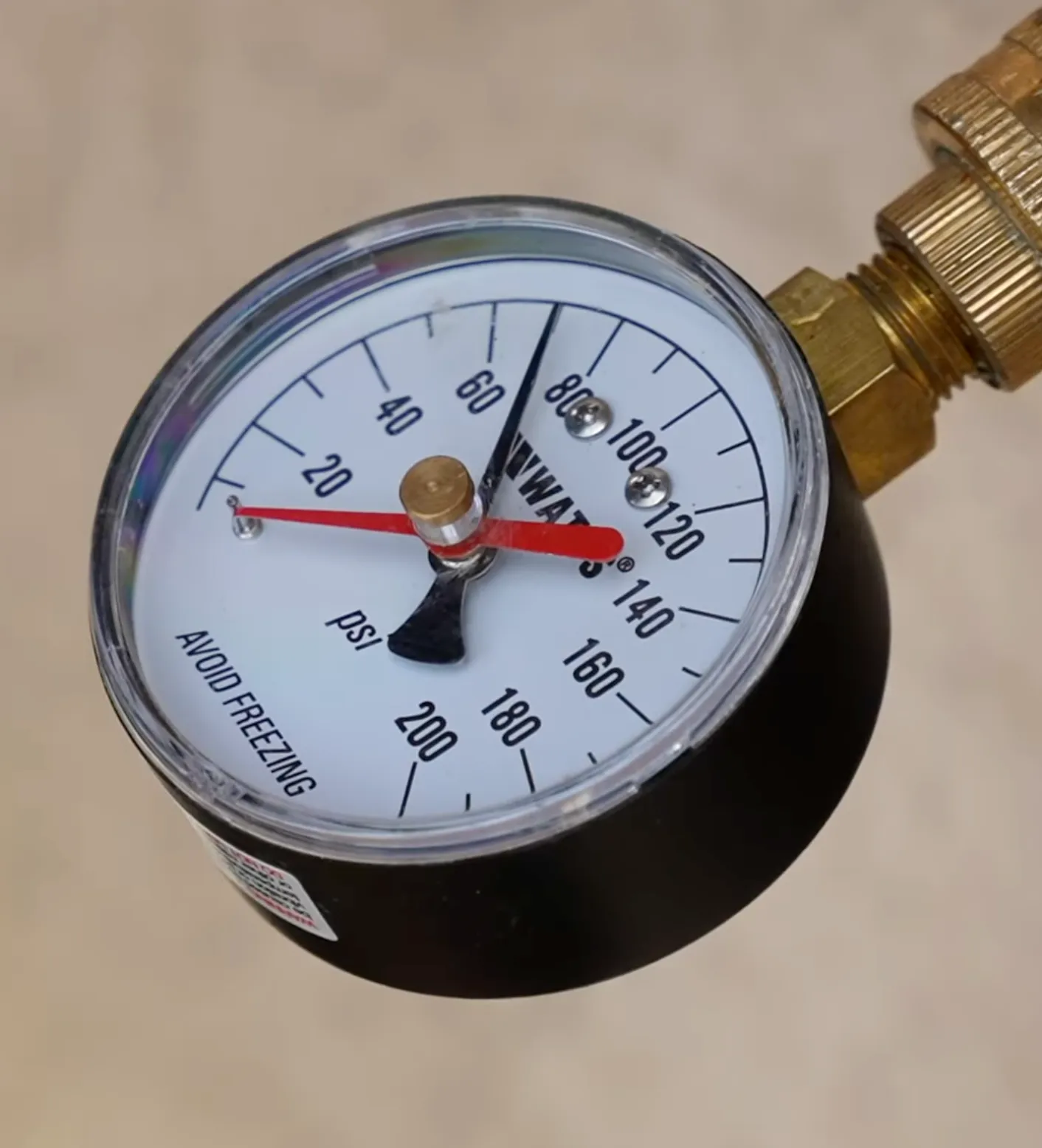
Testing the static pressure yourself requires a specific diagnostic tool available at any local hardware store. You buy a simple analog gauge equipped with female garden hose threads. Screwing this gauge directly onto the washing machine cold water supply valve provides the most accurate reading inside the thermal envelope. You open the valve completely and leave the gauge attached for a full twenty-four hours to catch sudden nighttime pressure spikes. Municipalities often increase output during the lowest usage hours, meaning your pipes take the hardest beating while you sleep.
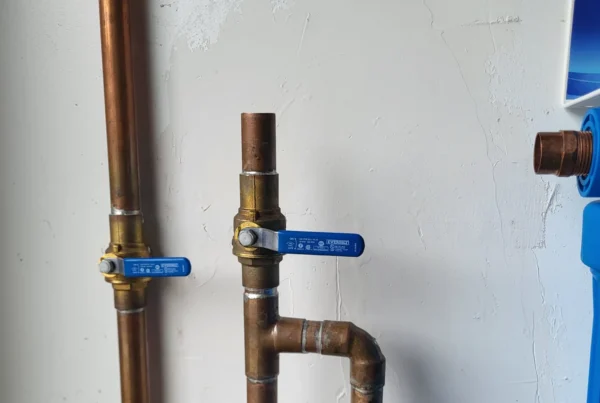
Tearing out old brass requires serious physical leverage. You have to isolate the street-side shutoff completely before touching any threaded connections. Bleeding down the entire house through the lowest exterior spigot takes the static weight off the system. Plumbers use two large pipe wrenches simultaneously, pulling in opposite directions to snap decades of calcified mineral buildup without twisting the structural pipes in the wall. You cannot rush this extraction process without breaking something extremely expensive.
The replacement process demands absolute precision with threaded mechanical fittings. Wrapping the new threads with heavy-density Teflon tape guarantees a watertight seal against the female brass couplings. Applying approved pipe dope over that tape adds a secondary layer of reliable leak protection. Tightening a modern Zurn stainless steel body prevents future oxidation seizing—unlike reinstalling a cheaper cast-iron body, which immediately restarts the rust clock the second groundwater touches the casing. The technician then slowly cracks the main valve open to check for microscopic weeping along the seams.
Choosing the right replacement material heavily impacts the lifespan of the new component. Lead-free brass alloys dominate the residential market due to strict modern plumbing codes enforcing safe drinking water standards. A high-end bronze alloy body resists dezincification in highly acidic soil environments—unlike standard zinc-heavy brass fittings, which literally dissolve from the inside out when buried in aggressive dirt. Some plumbing codes mandate entirely stainless steel components for commercial applications, though residential homes rarely require that level of extreme metallurgical expense.

Factory settings rarely match your specific architectural plumbing needs. The top bolt on the bell housing controls the tension on the large internal spring. Turning that bolt clockwise physically restricts the opening, lowering the final flow reaching the sinks and showers. The installer watches a live pressure gauge attached to a nearby spigot while making these critical micro-adjustments. Finding the exact sweet spot prevents weak shower streams while still protecting the fragile plastic icemaker lines in the kitchen.
Plumbing trenches contain unexpected hazards for anyone digging around a concrete foundation. Electrical grounding wires often clamp directly to the incoming copper water main near the entry point. Breaking that specific clamp creates an immediate shock hazard if the house has an underlying electrical fault. Stopping the project to verify proper electrical grounding paths keeps the technician alive during the excavation. Handling these secondary structural systems is exactly why experienced technicians charge premium hourly rates.
Vetting a contractor for this specific task requires asking highly technical questions over the phone. You want to ask them exactly how they plan to handle a seized union joint in a muddy pit. A competent technician carries specialized extraction tools and localized freezing equipment for severely damaged main lines. Hiring a master plumber with a dedicated excavation crew guarantees a rapid resolution—unlike calling a general handyman, who often walks away from the job halfway through when the main shutoff snaps off in their hands.
A heavily corroded valve body means the internal spring gave out seasons ago. You should immediately call around for comprehensive quotes from specialized local outfits. Demanding detailed breakdowns of material costs versus labor hours exposes inflated contractor pricing before the digging begins. Upgrading to a commercial-grade pressure-adjustable model solves the chronic fluctuating flow problem—unlike settling for a basic builder-grade swap, which typically fails again within five years under heavy sediment loads. Take control of the mechanical system before the system controls your drywall repair budget.
Mechanical devices constantly fighting municipal water pressure will not last forever in any environment. Sediment and hard water scaling gradually destroy the sensitive rubber internal components inside the bell housing. Activating the valve slightly once a year clears out built-up grit from the delicate seating area. Paying attention to how your faucets behave provides the earliest warning system for structural mechanical decline. Addressing these subtle shifts early keeps your entire property completely dry and structurally sound for decades.