New Construction HVAC Cost Per Square Foot in the Sacramento Area
In Sacramento-area new construction, HVAC is one of the bigger mechanical line items. A practical early budget for a standard ducted split system or heat pump system is about $9 to $15 per conditioned square foot, assuming the plan is straightforward and the scope is complete. Custom work can climb into the mid-teens or low $20s per square foot. Use those figures for planning only, because the real bid should come from a Manual J load calculation and the actual mechanical layout.
That price is for new construction, not a basic changeout in an existing home. New builds require rough-in labor before drywall, refrigerant piping, condensate drainage, electrical coordination, startup work, and code documentation. The cost per square foot can look lower on a larger production home because the crew repeats similar layouts and the equipment size does not rise at the same pace as square footage. Smaller custom homes can look expensive on a square-foot basis because the fixed labor still has to be done.
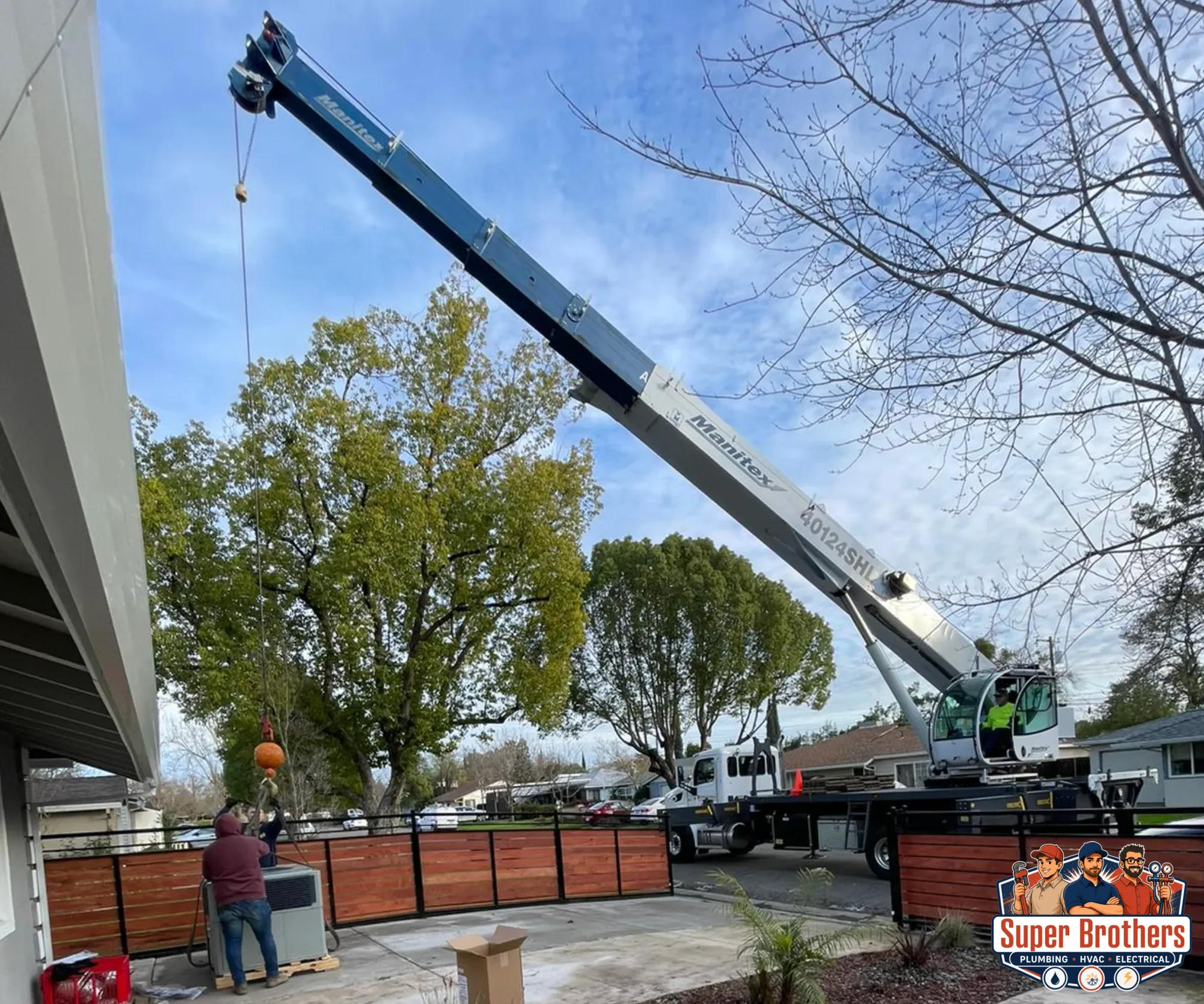
What Is Included in the Square Foot Number
A realistic new construction HVAC budget includes the heating and cooling equipment, then it needs a delivery system that actually moves air correctly. The outdoor unit and indoor air handler or furnace are only part of the total. Ductwork often takes a serious share of the budget because it needs space, support, sealing, insulation, and testing. A cheap equipment quote can become expensive later if the duct system is weak, noisy, or difficult to access after drywall.
For Sacramento-area homes, the quote should also account for Title 24 documentation, HERS testing, ventilation requirements, and the cost of meeting the current California Energy Code. The California Energy Commission HVAC requirements explain that newly constructed single-family buildings must meet mandatory HVAC requirements and may use prescriptive or performance compliance paths. That matters because a system that looks fine on a sales sheet can still create compliance friction. Good planning at the mechanical design stage prevents costly corrections near inspection.
Why Sacramento Area Costs Are Different
Sacramento is not priced like a mild coastal market. The region sees long cooling seasons, so attic ductwork and solar exposure deserve attention before framing starts. A builder working from Elk Grove to Rocklin should treat cooling performance as a real design issue, especially when the home has upstairs bedrooms or west-facing glass. A low HVAC budget often shows up later as loud airflow, uneven rooms, and a system that runs longer than expected.
The California Energy Commission climate-zone data lists Sacramento in Climate Zone 12. That label affects the compliance conversation because California uses climate zones to shape energy-code expectations. Local plans also need to consider solar gain, window placement, attic heat, insulation levels, and the orientation of the home. A west-facing bonus room over a garage can need a different airflow strategy than a shaded first-floor bedroom. Square footage alone misses those details, so square-foot pricing should stay in the early-budget lane.
Heat Pump Cost Compared With Gas Furnace and AC
Heat pumps are now a common conversation in Sacramento new construction because California’s energy code is pushing builders toward cleaner electric systems and electric-ready homes. The 2025 Building Energy Efficiency Standards apply to permit applications submitted on or after January 1, 2026, and the state says the code expands the use of heat pumps in newly constructed residential buildings. A heat pump can cost a little more upfront than a basic furnace and AC pairing. The tradeoff is simpler all-electric planning, possible incentive value, and one system handling heating and cooling.
In SMUD territory, incentives can affect the conversation, especially on gas-to-electric projects and higher-efficiency heat pump systems. SMUD states that qualifying heat pump HVAC systems may receive rebates up to $3,000 when installed through a qualifying contractor. The SMUD heating and cooling rebate page should be checked before the bid is finalized because funding, qualifying equipment, and program rules can change. A rebate should never be used to justify poor design, but it can help close the gap between a basic system and a better-performing heat pump.
Ductwork Can Change the Budget Fast
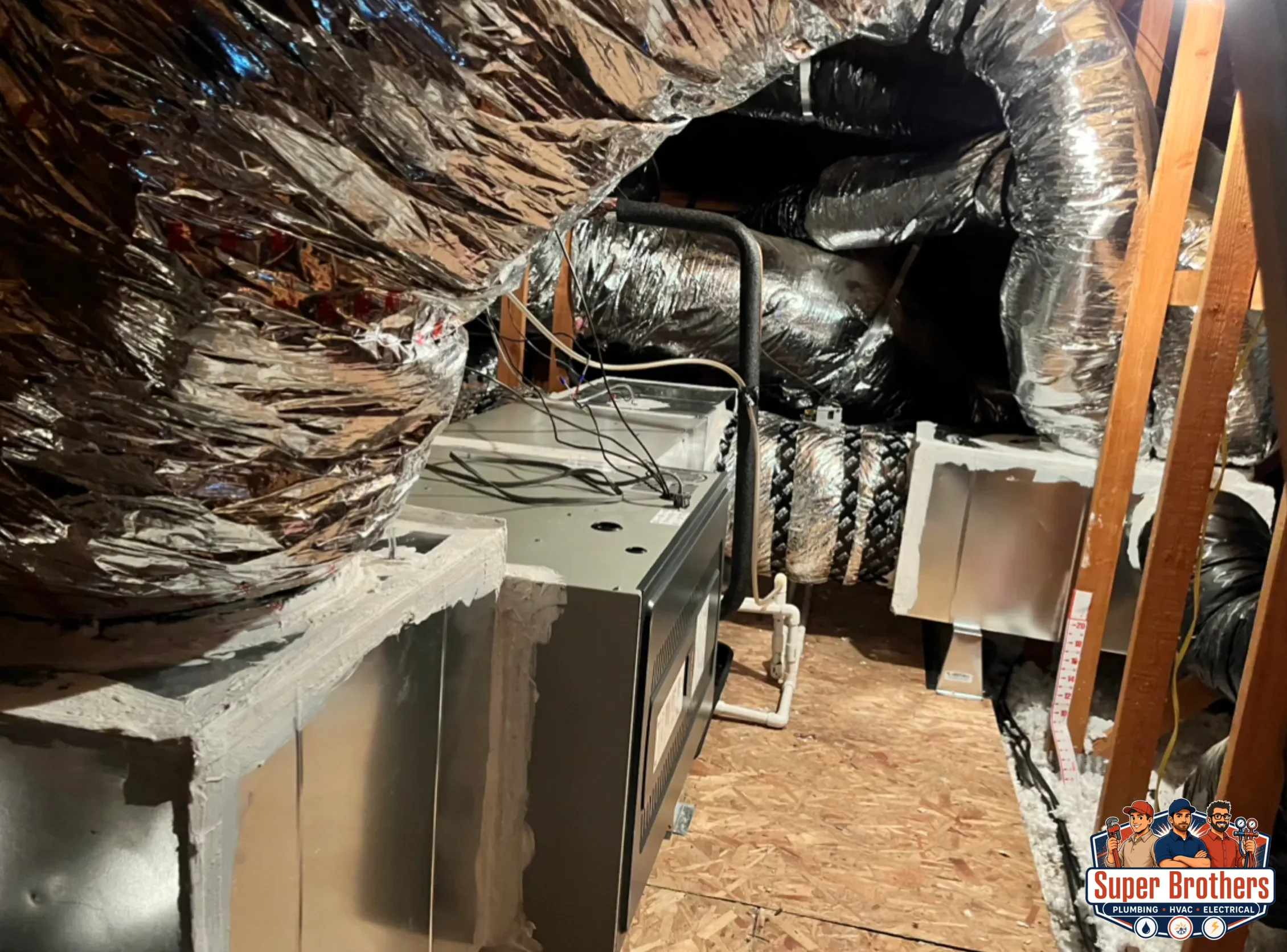
Ductwork is where many new construction HVAC budgets get exposed. A single-story home with short duct runs and a clean mechanical closet is easier to price than a tight two-story layout with long runs through crowded framing. If the plan forces ducts through hot attic space, the crew has to seal and insulate carefully or the system loses performance before air reaches the rooms. That labor is not glamorous, but buyers notice the result every summer.
For a basic ducted system in a Sacramento production-style home, ductwork and distribution can represent a large part of the installed price. Better duct design can add cost during construction and still be the smarter move because drywall hides many mistakes after the walls close. Poor return placement can make bedrooms pressurized, and weak supply layout can make upstairs rooms uncomfortable. The cheapest duct plan usually becomes expensive when callbacks start after move-in.
Manual J Sizing Is Not Optional for Serious Budgeting
A contractor should not size a Sacramento new construction HVAC system by guessing one ton for a certain amount of square footage. The ACCA Manual J residential load calculation is the recognized method for calculating heating and cooling loads for homes. It considers the actual building features instead of treating every 2,000 square foot home as the same job. That shortcut costs money. In a newer Sacramento build with stronger insulation and better windows, old sizing habits can push the system too large.
Oversizing is still common because it feels safe during a sales conversation. In practice, an oversized system can short cycle, make more noise, remove less moisture, and wear parts faster. Undersizing creates a different problem because the home may not hold temperature during the hottest part of a Sacramento July afternoon. The right size protects comfort and money at the same time, which is why the load calculation should happen before equipment is selected.
Square Foot Budget Examples
For a 1,850 square foot new home in the Sacramento area, a standard ducted system may land near $16,000 to $27,000 when the layout is straightforward and the equipment choice is not premium. A higher-efficiency heat pump system with better controls and added design work may push that same house into the upper $20,000s or low $30,000s. For a 2,650 square foot custom home, the budget can move into the $30,000 to $55,000 area when zoning and longer duct runs are part of the job. The math is not perfectly smooth because equipment size and labor hours do not scale evenly with house size.
Large homes are not always cheaper per square foot, especially when the floor plan creates separate comfort areas. A downstairs primary suite and an upstairs loft may call for zoning or separate equipment instead of one oversized system. Two smaller systems can cost more upfront, but they often deliver better comfort and better service access. Square feet do not live in the house; people do. A builder should price the system around how the home will actually be used.
What Raises the Price in Northern California New Builds
Several design choices can raise HVAC cost before the first piece of equipment is ordered. Tall ceilings add air volume, and large glass areas can increase cooling load during hot afternoon hours. Difficult attic access also adds labor because the crew has less room to route, seal, and support the system properly. A compact plan with smart mechanical space usually prices better than a plan where HVAC is squeezed in after the architecture is finished.
Local labor conditions also matter. Sacramento-area construction has busy periods when good mechanical crews are booked far ahead, and rushed scheduling often costs more. Jobs outside the core metro area can add drive time or extra coordination with county inspection departments. A clean schedule and complete plans can lower friction, while last-minute changes usually make the HVAC number climb.
What Builders Miss When They Shop Only by Price
The lowest HVAC bid can look attractive until the project reaches inspection or startup. Missing ventilation details and unclear duct routing can slow the job at the worst time. A bid that leaves out HERS coordination may appear cheaper on paper, but the builder still has to solve that requirement later. Cost control is smart, but pretending required work does not exist is bad project management.
Another common mistake is comparing quotes without checking scope line by line. One contractor may include registers, thermostats, equipment pads, startup support, and testing help, while another may leave several of those items out. A quote can also be low because it assumes basic equipment that does not match the owner’s comfort expectations. Before choosing the number, make sure the mechanical plan and code responsibility are included in writing.
How Title 24 Affects HVAC Pricing
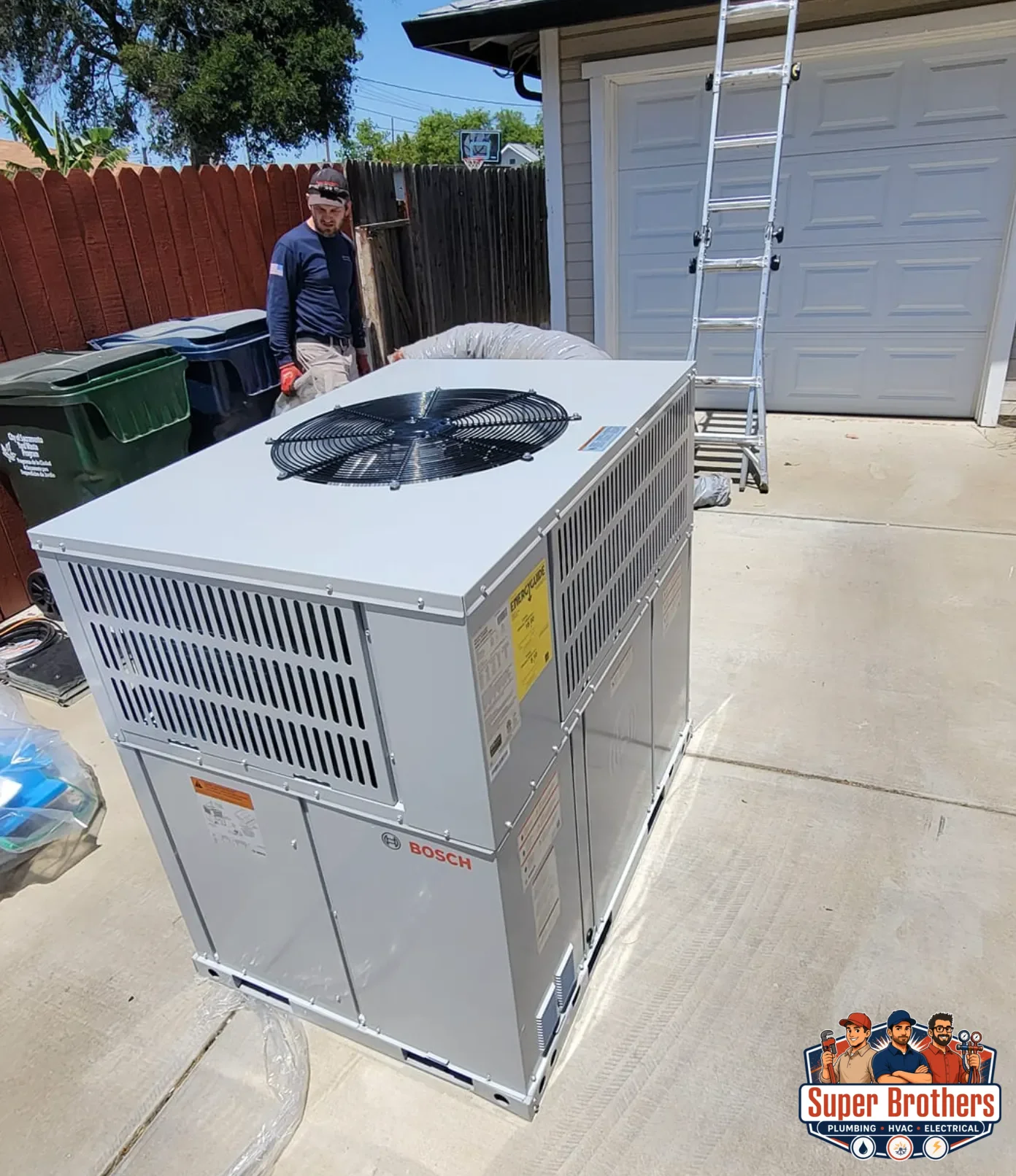
California’s Title 24 energy rules affect new construction HVAC because the mechanical system is part of the home’s overall energy compliance package. The 2025 Energy Code strengthens ventilation standards and expands heat pump use in new residential buildings. For permit applications submitted on or after January 1, 2026, builders need to follow the 2025 standards. That is not a small paperwork detail, because equipment efficiency and duct performance can both influence the final path.
In practical terms, Title 24 adds design discipline to the job. The system needs to match the compliance model, and field conditions need to support what was submitted. If the installed equipment or duct layout drifts away from the plan, someone has to correct it before the home can close cleanly. A builder who budgets for compliance early is less likely to lose money at the end of the project.
When Paying More Makes Sense
A brand badge is not a design. Paying more for HVAC can be wasteful when the upgrade is only a sales add-on. Paying more can be smart when the money buys quieter operation, better airflow, stronger filtration, lower energy use, or a design that fits the home. Inverter heat pumps and variable-speed air handlers can improve comfort in Sacramento homes with large temperature swings from morning to late afternoon. The practical goal is avoiding the wrong system before it gets installed.
Better equipment also needs better installation. A premium heat pump connected to poor ducts will still disappoint the owner. A strong installer will protect refrigerant line routing and airflow setup because those details affect real performance. The best value usually comes from a balanced bid where equipment quality and field workmanship support each other.
How to Control the Cost Without Hurting the Build
The best way to control HVAC cost is to involve the mechanical contractor before framing choices are locked. Mechanical space and return pathways should be part of the plan instead of leftovers. Do it early. Early coordination can reduce awkward duct runs and prevent conflicts with plumbing or structural beams. That kind of planning costs less than field improvisation after crews are already waiting.
Builders should also require a written scope that names the equipment type, efficiency level, duct approach, controls, testing responsibilities, and ventilation method. That does not need to become a bloated document, but it should be specific enough to compare bids fairly. A one-line HVAC allowance is too loose for a serious new construction project. The tighter the scope, the easier it is to stop budget leaks before they reach the change-order stage.
Bottom Line for Sacramento New Construction HVAC Cost
Most Sacramento-area new construction homes should budget roughly $9 to $15 per conditioned square foot for a standard ducted HVAC system when the layout is simple and the scope is complete. Better heat pump equipment, zoning, harder duct routing, and custom-home coordination can lift the number into the mid-teens or low $20s per conditioned square foot. The bid should be checked against Manual J sizing, Title 24 compliance, SMUD incentive rules where applicable, and the actual floor plan. A square-foot price is useful for early budgeting, but the mechanical design is what protects the homeowner after the system turns on.
If the project is in Sacramento, Elk Grove, Roseville, Folsom, Davis, Rocklin, or nearby Northern California communities, do not treat HVAC as a late-stage allowance. Price it with the same seriousness as framing and electrical work because poor comfort creates expensive buyer complaints. Budget early and verify the scope before drywall covers the work. That approach gives the builder a cleaner closeout and gives the owner a system that runs the way it should.