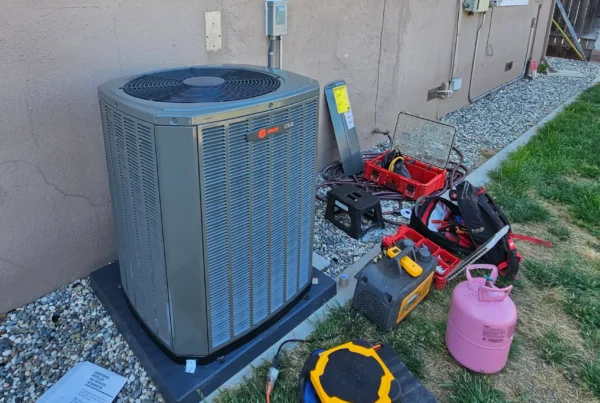
When your AC stops cooling in Sacramento, the whole house can feel grumpy fast. Afternoon heat has a way of turning a minor HVAC problem into the main character of your day. If you are trying to fix AC compressor trouble without making the problem worse, the smart move is to separate safe homeowner checks from work that needs a licensed tech.
The compressor is one of the hardest working parts in your air conditioning system. It keeps refrigerant moving so your home can dump heat outside and pull cooler air indoors. When it starts acting up, the symptoms can look dramatic, but the root cause is not always a dead compressor.
That is the part many homeowners do not hear enough. Warm air, weak airflow, loud buzzing, short cycling, or a unit that will not kick on can all point toward the compressor, but they can also come from a dirty filter, blocked condenser, thermostat issue, tripped breaker, frozen coil, or failing electrical part nearby. In other words, do not let your outdoor unit convince you it needs a full funeral before you check the basics.
What the AC compressor actually does
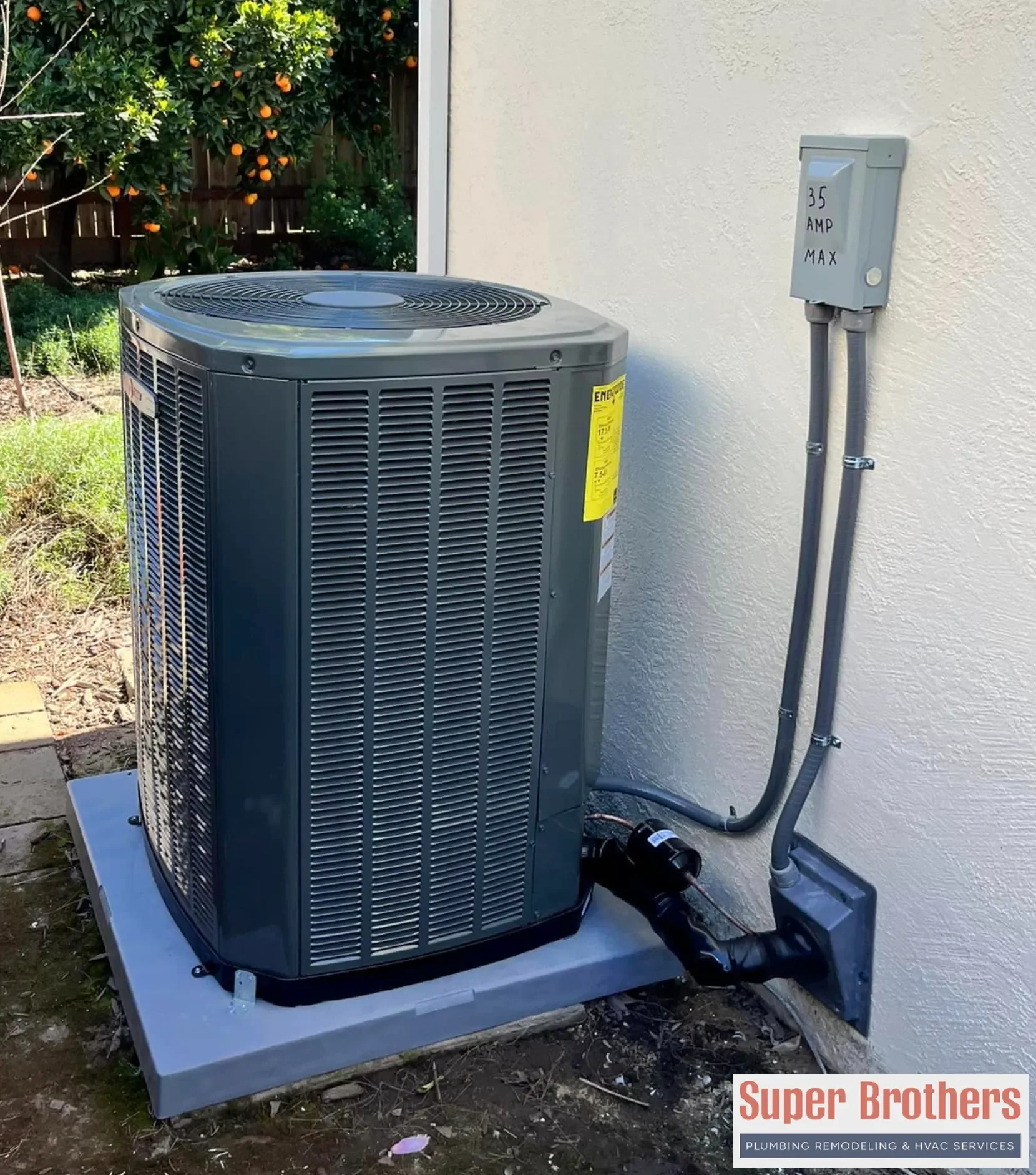
Think of the compressor as the pump that keeps the cooling cycle alive. It compresses refrigerant and moves it between the indoor coil and the outdoor coil. If that process stops, your AC can still make noise, spin a fan, or pretend it is working, but the house usually will not get cool.
This is why compressor problems get so much attention. A clogged drain line is annoying, and a filthy filter is inefficient, but a failed compressor can stop cooling altogether. It also tends to push up repair cost because the diagnosis has to be right before anyone starts replacing expensive parts.
A lot of homeowners search how to fix AC compressor issues when the outdoor unit goes quiet or hums like it is thinking about life choices. That search makes sense, but it helps to remember one thing first. The compressor itself is not a beginner level part, so the safe DIY lane is mostly about diagnosis, airflow, cleaning, and basic resets.
Before you assume the compressor is toast
Start with the stuff that fails all the time because it is easy to overlook. Make sure the thermostat is set to cool and the temperature setting is lower than the room temperature. It sounds obvious, but every HVAC company sees these calls, especially after a power flicker, battery issue, or accidental setting change.
Next, check the breaker panel and the outdoor disconnect if your unit has one. If the system has tripped a breaker, do not keep resetting it over and over like you are trying to win a carnival game. One reset after the system cools down is reasonable, but repeated tripping means something deeper is wrong.
Then check the air filter, because a dirty filter can choke airflow and make the system run hot. That extra strain can snowball into frozen coils, poor cooling, and premature failure of major components. In Sacramento, where AC systems often run hard for long stretches, skipping filter checks is like asking your system to jog in July with a hoodie on.
- Set the thermostat to Cool and lower the target temperature by at least 3 to 5 degrees.
- Check the breaker and outdoor disconnect once. If it trips again, stop there.
- Replace a dirty filter before testing anything else.
- Make sure supply vents are open and not blocked by furniture or rugs.
- Look for ice on the refrigerant line or indoor coil access area.
- Clear leaves, weeds, and debris from around the outdoor unit.
Symptoms that feel like compressor trouble
If the outdoor unit hums but the system does not cool, the compressor may be struggling to start. That can happen because of overheating, low airflow, electrical trouble, or a failing start component. A humming outdoor unit with no meaningful cooling is one of the biggest reasons people assume the compressor is gone.
If the breaker trips every time the AC tries to start, that is another serious sign. The compressor may be drawing too much current, or another electrical part may be shorting out. Either way, repeated breaker trips are not something to play around with.
Short cycling matters too. If the unit turns on, shuts off quickly, then tries again over and over, the system is telling you it is unhappy. Dirty filters, dirty coils, refrigerant issues, thermostat problems, or compressor protection switches can all create this pattern.
You may also hear the unit click, buzz, rattle, or groan like an aging garage band setting up for one last reunion show. Noise alone does not confirm compressor failure, but it does give you clues. A clean description of what you hear, when it starts, and how long it lasts can save time if you end up calling a pro.
Safe DIY steps that can help before you call for service
The safest way to fix AC compressor complaints at home is to remove stress from the system and see if it recovers. That means improving airflow, cleaning what you can reach safely, and ruling out simple control problems. You are not rebuilding the unit here. You are giving it the best possible chance to operate normally.
1. Replace the filter first
If the filter looks dusty, gray, or packed with debris, replace it. Do not overthink this step or try to get one more week out of it. A fresh filter can improve airflow right away, and poor airflow is one of the fastest ways to make an AC system act weird.
In Sacramento homes with pets, nearby trees, remodeling dust, or long cooling seasons, filters can get ugly faster than people expect. A system that ran fine in spring can struggle badly by mid summer if the filter has been ignored. This is one of the cheapest fixes in home ownership, and it punches above its weight.
2. Give the outdoor unit room to breathe
Walk outside and look at the condenser. If it is buried in leaves, dust, weeds, or yard clutter, clean the area around it. The outdoor unit needs breathing room, and blocked airflow can drive up pressure and heat.
Trim plants back and keep a clear zone around the cabinet. If the coil face is visibly dirty, shut off power to the unit and rinse the exterior gently with a hose from the top down. No pressure washer, no wire brush, and no rage cleaning.
3. Let an overheated unit cool down
On brutal Sacramento afternoons, an overheated unit can lock itself out to protect the compressor. If your system stopped suddenly, shut it off at the thermostat and give it time to cool. After a short wait, restore power and test it again once.
If it starts and cools normally after cleaning and a cooldown, that is useful information. It does not guarantee the problem is solved forever, but it tells you the unit may have been working under stress rather than suffering a total compressor failure. That distinction matters.
4. Check for ice and thaw the system if needed
If you see ice on the refrigerant line or signs of freezing near the indoor coil, turn cooling off. A frozen system cannot be judged fairly because airflow and heat transfer are already off track. Let it thaw completely, then check the filter, vents, and return airflow before testing again.
Many people think ice means the system needs to work harder. It is actually the opposite. Ice usually means the system has a problem that needs to be addressed before normal cooling can return.
5. Keep interior airflow open and simple
Leave interior doors open if your setup depends on central return airflow. Make sure supply vents are open and not closed off in unused rooms. Shutting too many vents can put extra strain on the system and create pressure issues that hurt performance.
This is especially important in older Sacramento homes where airflow design was never perfect to begin with. Your AC does not like being told to cool the whole house through a maze of closed doors and blocked vents. It will try, but it will not be happy about it.
6. Use thermostat settings that reduce strain
During extreme heat, avoid dramatic thermostat swings. If your house is climbing into oven mode during the day, dropping the thermostat way down will not make the unit cool faster. It just keeps the system running longer.
For Sacramento homeowners, a practical target matters. A moderate setting, good airflow, closed blinds, and ceiling fans can lighten the load on a stressed AC. That is also one reason many local homeowners aim for 78 degrees in summer when comfort allows.
What not to do if you think the compressor is bad
Do not open the electrical compartment and start poking around because a video made it look easy. The capacitor inside the outdoor unit can hold stored electrical energy even after power is shut off. That is not a beginner mistake you want to learn from the hard way.
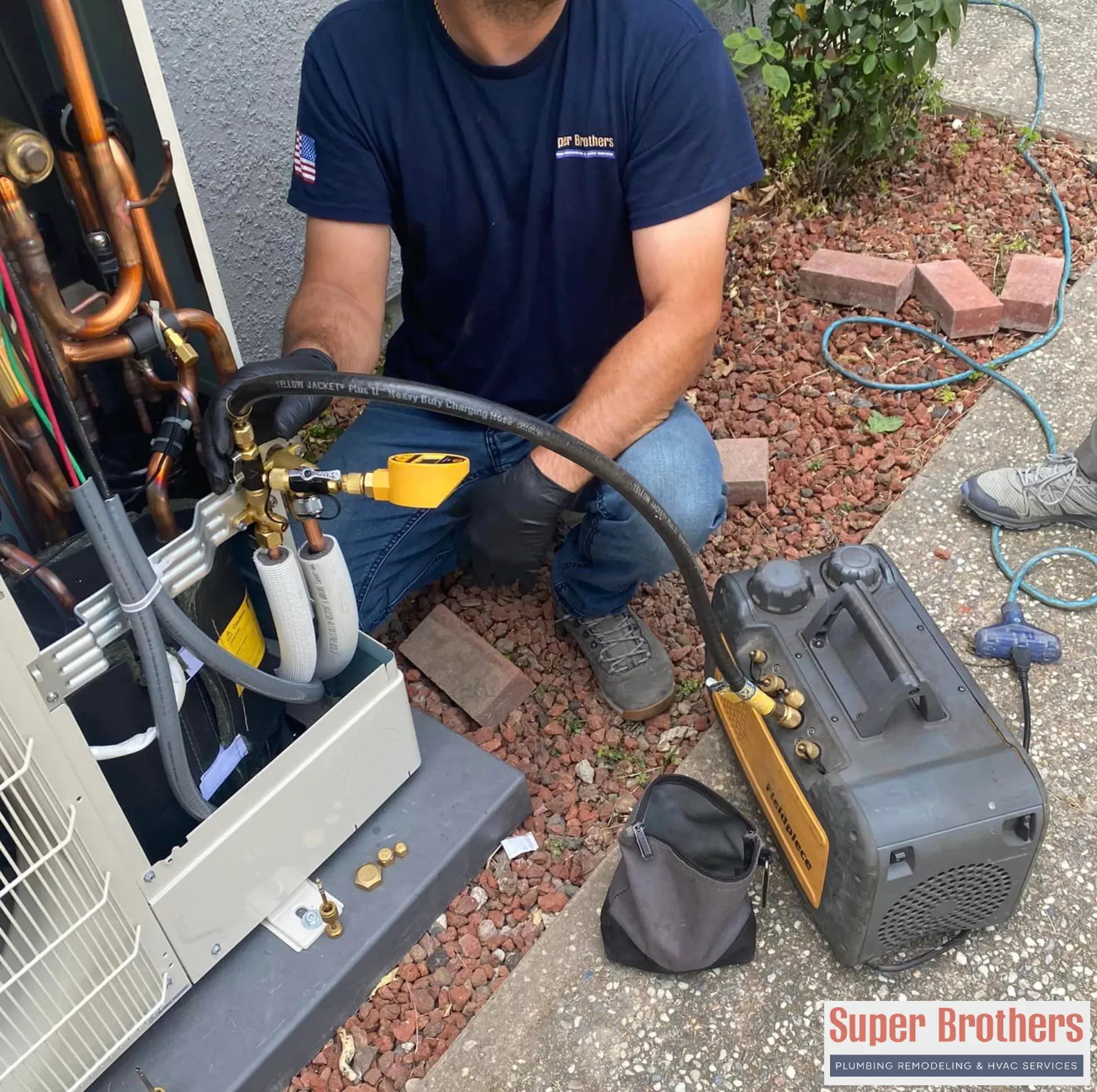
Do not attach gauges, top off refrigerant, cut lines, swap a compressor, or disconnect refrigeration components. Refrigerant work is regulated, and improper handling can damage the system, create safety risk, and turn a repairable problem into a much larger bill. If the problem involves refrigerant level, leak repair, or compressor replacement, that is licensed HVAC territory.
Also, do not keep hammering the reset button on your schedule like it owes you money. If the breaker keeps tripping or the unit overheats again after basic cleaning and filter replacement, your DIY window is closed. That is the handoff point.
- Call for service if the breaker trips more than once after reset.
- Call for service if the outdoor unit hums, clicks, or buzzes but does not cool.
- Call for service if you see ice repeatedly, smell burning, or hear loud metal clanking.
- Call for service if the fan runs but the air stays warm after basic checks.
- Call for service if the system starts and stops every few minutes.
- Call for service if the unit is older and the repair answer looks expensive but uncertain.
Sacramento specific tips that can save your system some grief
Sacramento weather is hard on cooling equipment for a simple reason. Long hot spells force systems to run for hours, and outdoor units collect dust, dry debris, and yard buildup faster than many homeowners realize. Your AC does not need a spa day, but it does need basic upkeep before peak heat rolls in.
That means filter checks should happen more often than most people think. During heavy cooling season, monthly checks are smart, even if the filter does not always need replacement that often. It also means the outdoor unit should not disappear behind overgrown plants, patio storage, or decorative ideas that looked great until July.
For homeowners in Sacramento and the surrounding area, this is where routine care beats emergency mode. A clean filter, a clear condenser, and a sane thermostat setting can lower strain on the system before the compressor starts waving a red flag. It is not glamorous, but neither is paying for avoidable damage in triple digit weather.
If you want to fix AC compressor problems before they get expensive, seasonal maintenance is the move. That includes cleaning, airflow checks, and catching worn parts before the first serious heat wave lands. It is much easier to solve a weak capacitor or dirty coil in spring than to lose cooling on the hottest weekend of the month.
When repair makes sense, and when replacement starts to win
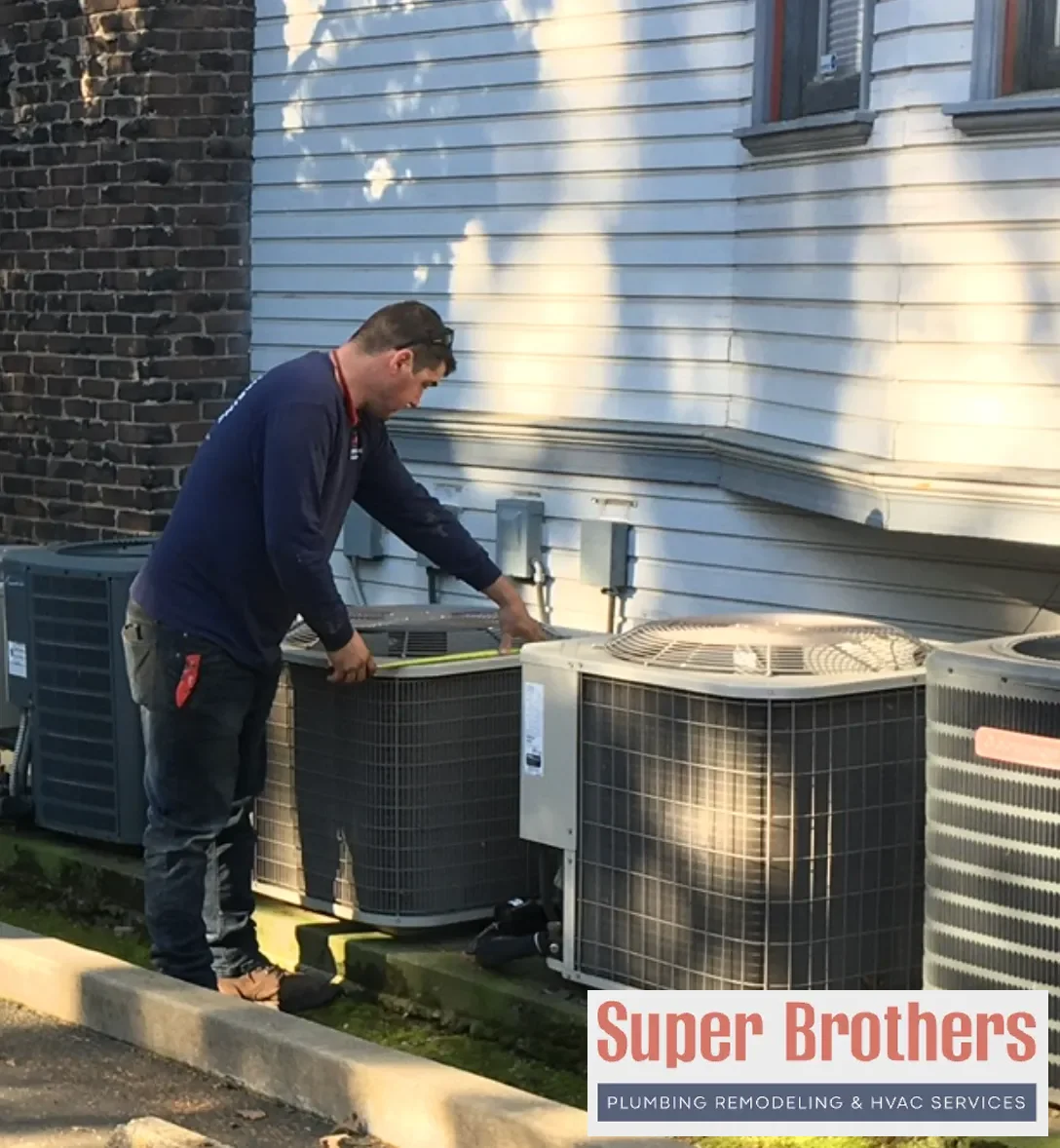
Not every compressor problem ends with a new system. Sometimes the real issue is a clogged coil, poor airflow, a failing contactor, a weak capacitor, thermostat trouble, or low refrigerant from a leak that can be found and repaired. In those cases, a good diagnosis can save a lot of money.
But there are times when compressor replacement becomes a rough value play. If the unit is older, uses outdated refrigerant, has a history of breakdowns, or needs major parts plus labor, the numbers can get ugly fast. A cheap repair that lasts one summer is not always a bargain.
This is where honest diagnosis matters more than heroic guessing. You want to know whether the compressor itself has failed, whether the system overheated because of neglect, and whether the rest of the equipment is worth investing in. Homeowners deserve a straight answer, not a magic trick.
For many families, the best decision is not the cheapest option that exists today. It is the option that restores reliable cooling, protects energy use, and does not leave the house sweating through the next Sacramento heat wave. Sometimes that is a repair. Sometimes it is a replacement, and pretending otherwise just burns time.
How to prevent compressor problems in the first place
Most compressor trouble starts upstream. Dirty filters restrict airflow, dirty coils trap heat, low refrigerant pushes the system out of balance, and neglected tune ups let small issues turn into expensive ones. The compressor ends up taking the blame because it is the part that finally waves the white flag.
Check your filter regularly during cooling season and replace it when it is dirty. Keep at least a couple feet of clear space around the outdoor unit. Hose off the cabinet and coil face gently when dust and debris build up, and keep shrubs from crowding it.
Pay attention to performance changes instead of waiting for total failure. If the system runs longer than usual, starts sounding different, trips the breaker, or struggles during the hottest part of the day, that is your early warning. Your AC is not being dramatic. It is asking for help before the situation gets expensive.
Annual professional maintenance is still worth it, especially in hotter parts of Northern California. A proper tune up can catch electrical wear, verify airflow, inspect coil condition, and flag refrigerant problems before they become compressor damage. It is the difference between planned care and surprise chaos.
Why Sacramento homeowners call Super Brothers
If your safe DIY checks do not bring the system back, the next step is a real diagnosis from a local team that works on Sacramento cooling systems every day. Super Brothers AC repair in Sacramento is built for exactly that kind of call. The goal is simple: find the real failure, explain it clearly, and fix what makes sense.
For homeowners who want ongoing support, Super Brothers HVAC services also cover maintenance, repair, and replacement across Sacramento and the Bay Area. That matters when the issue turns out to be bigger than a filter change and smaller than a full system panic. A clean diagnosis beats guesswork every time.
Finally
Trying to fix AC compressor problems on your own can absolutely start with smart homeowner steps. Replace the filter, clean the outdoor unit, improve airflow, check the thermostat, inspect the breaker once, and let the system cool down if it overheated. Those steps are safe, practical, and often enough to rule out the common stuff.
If you still need to fix AC compressor trouble after that, stop before you get into live electrical parts or refrigerant work. That is the line between useful DIY and expensive gambling. In Sacramento heat, getting the right answer fast is a lot better than guessing wrong while the house turns into a crockpot.
Frequently Asked Questions
Can a homeowner fix an AC compressor without special tools?
A homeowner can handle the safe basics around a compressor complaint, such as replacing the filter, checking the thermostat, clearing the condenser, and checking the breaker once. Actual compressor repair is different. If the job involves electrical components inside the panel, refrigerant, or compressor replacement, it is pro work.
How do I know if my AC compressor is bad or if it is something simpler?
Warm air, buzzing, breaker trips, and short cycling can point toward the compressor, but those symptoms also show up with dirty filters, dirty coils, frozen coils, weak electrical parts, thermostat issues, or refrigerant problems. That is why the basic checks matter first. You want to rule out the cheap stuff before assuming the expensive stuff.
Why does my outdoor AC unit hum but not start?
A humming unit can mean the compressor is trying to start but cannot, or it can mean another electrical part is failing nearby. It may also be overheated from poor airflow or dirty coils. If cleaning and a simple cooldown do not solve it, the system needs professional diagnosis.
Is it safe to reset an AC breaker?
One reset after checking the thermostat and letting the system cool down is a reasonable homeowner step. Repeated resets are not. If the breaker keeps tripping, something is wrong electrically or mechanically and needs service.
Should I spray water on the outside AC unit?
Yes, if power is off and you are using a gentle garden hose to rinse dirt from the exterior and coil face. Do not use high pressure. The goal is to remove debris, not bend fins or force water where it should not go.
How often should Sacramento homeowners check AC filters?
During peak cooling season, monthly checks are smart. Some homes can go longer, but houses with pets, dust, nearby trees, or long run times often need more frequent attention. It is a small habit that helps protect bigger parts, including the compressor.
Sources and references
- U.S. Department of Energy, Air Conditioning
- U.S. Department of Energy, Air Conditioner Maintenance
- U.S. Department of Energy, Common Air Conditioner Problems
- U.S. EPA, Homeowners and Consumers Frequently Asked Questions
- SMUD, Heating and Cooling Tips
- OSHA, Selection and Use of Work Practices
- National Weather Service, Sacramento Forecast Office
Super Brothers Quality
Choose Super Brothers Plumbing Heating & Air because we use top-tier materials, deliver honest workmanship, and back every job with a real warranty. Our pricing is fair and transparent—no hidden fees, ever.
We pull the permits, build to California code, and pass inspection. Our licensed, highly experienced team handles full plumbing and heating/air replacements and installations, so the job’s done right the first time.
- Top-tier materials
- Honest, quality service
- Workmanship warranty
- Fair, transparent pricing (no hidden fees)
- Permits handled; California code compliant; passes inspection
- Licensed & experienced in plumbing and HVAC installs





Refer Friends, Reap Rewards
Share our expert plumbing services with friends and family. For every successful referral, you earn cash rewards. Refer Now

Ready To Experience Super Brothers Difference! Let’s Start a Conversation!
Financing Options

Super Brothers offers an Installment Payment Plan with 0% Interest for Projects over $1000

Fin tech company that provides payment solutions in the home improvement sector.

Flexible financing for your next home improvement project

Wells Fargo Home Projects Credit Card