Repiping a house is one of those projects almost nobody dreams about when they buy a home. It is not as fun as a kitchen remodel, and it will not get you social media compliments, but it can solve a lot of everyday headaches. If your water pressure is weird, your leaks keep coming back, or your water looks off, repiping can be the reset button your home needs.
This guide is here to help you plan it like a real homeowner, not like you are studying for a plumbing exam. We are going to cover what repiping means, what you actually need before the work starts, what materials you will hear about, what the process looks like, and how to avoid expensive mistakes. Think of it as a practical roadmap for getting through a big project with fewer surprises.
Also, quick reality check, when people say “repipe,” they usually mean the water supply lines inside the house. That is the network that brings fresh water to sinks, toilets, showers, tubs, dishwashers, and your water heater. Drain and sewer lines are a different part of the system, and if those need replacement too, that is often a separate scope and a separate price.
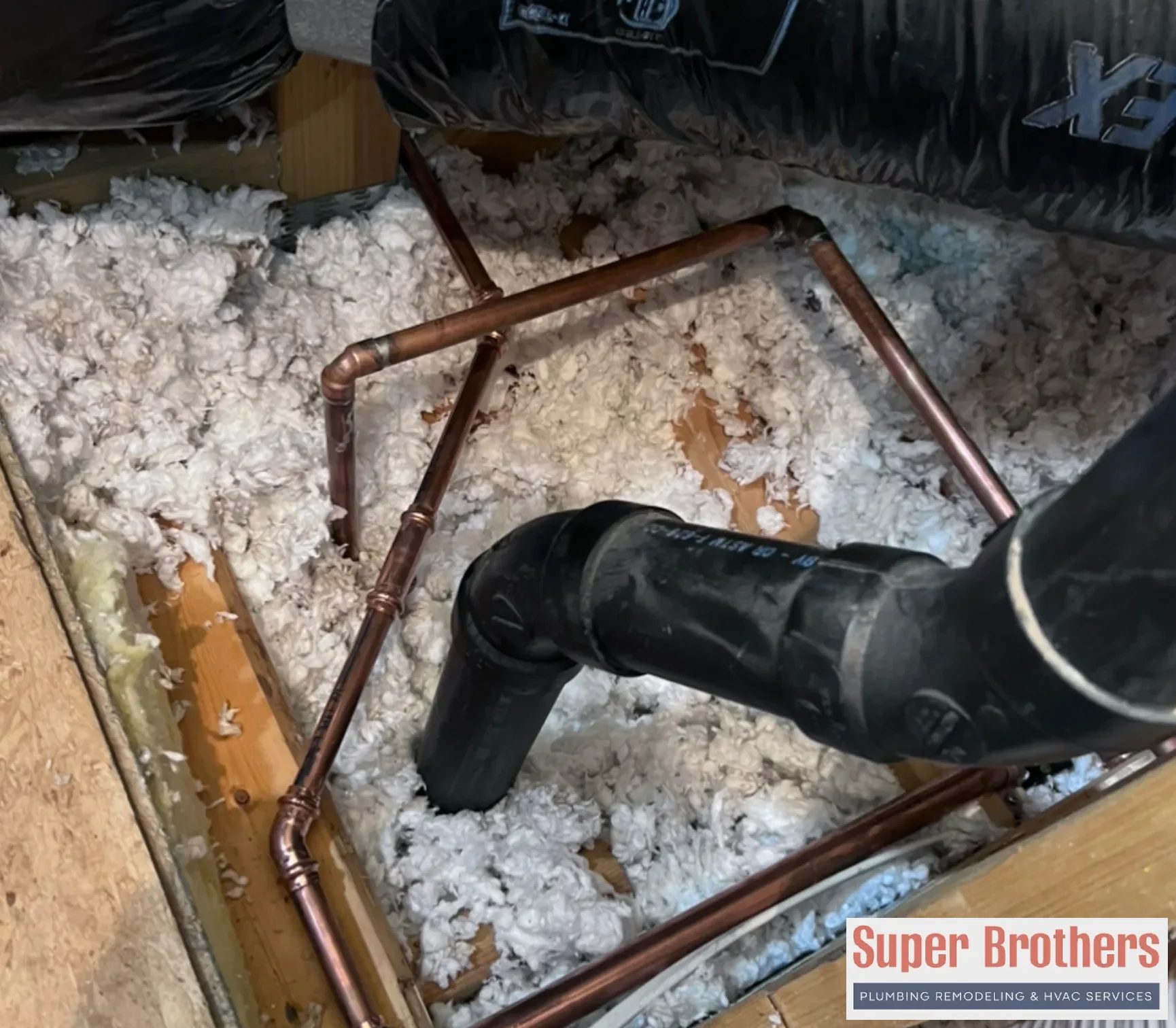
First, How Do You Know You Might Need a Repipe
A lot of homeowners try the patch and pray approach for a while, and that is normal. One leak gets fixed, then another shows up in a different wall, then the laundry area starts acting up, and suddenly your plumber is basically on your holiday card list. A repipe starts to make sense when the problems are spread across the house instead of staying in one small area.
Frequent leaks in different locations are a big clue. If you are repairing one line every few months, the issue may be the age or condition of the system, not bad luck. At some point the repair money starts stacking up, and you are still living with stress.
Low water pressure can be another sign, especially in older homes with galvanized steel lines or pipes with buildup inside. You may notice it most when two fixtures run at the same time, like someone flushing while you are in the shower and suddenly the shower turns into a sad drizzle. That is not always a repipe situation, but it is worth a real inspection.
Water discoloration also matters. Rusty, yellow, or brown water can come from corrosion or old materials, and it should not be ignored. Sometimes the problem is a water heater or a small section of pipe, but sometimes it is a wider system issue.
If your home is older, the pipe material itself can be the deciding factor. Some homes still have galvanized steel, aging copper with repeated pinhole leaks, or polybutylene, which many plumbers flag as a replacement candidate because of its history of failures. Polybutylene was widely installed from 1978 to the mid 1990s and later fell out of favor after rupture claims and property damage reports.
One more thing that gets missed, if you suspect any lead service line or older lead solder issues, do not guess based on looks alone. EPA and CDC both point out that lead can come from pipes, solder, fixtures, and other plumbing components, especially in older systems. If lead is a concern, identifying materials and testing water should be part of your plan before you start throwing money at random fixes.
What You Actually Need Before You Start Calling for Quotes
Before a plumber ever opens a wall, you need information. Good repipe projects are won in the planning stage because the house is mapped, the goals are clear, and everyone agrees on the scope. This is where you save money, time, and a lot of “wait, I thought that was included” conversations.
Start with a simple house file, even if it is just notes on your phone. Write down the age of the home, known pipe materials, past leaks, problem rooms, and any water pressure or water quality issues you have noticed. If you have photos of leaks, repairs, or exposed pipes in a basement, crawl space, garage, or utility room, keep those too.
- Make a list of every plumbing fixture in the house, including sinks, toilets, showers, tubs, hose bibs, fridge line, dishwasher, washing machine, and water heater.
- Write down what is bothering you most, such as recurring leaks, poor pressure, discolored water, noisy pipes, or a remodel that needs new lines anyway.
- Take pictures of any exposed pipes and the main shutoff area, plus the water heater setup.
- Check if your home has easy access areas like a basement, crawl space, attic, or utility chase, because access changes labor cost a lot.
- Decide what matters most to you, lowest cost, least wall damage, fastest timeline, or longest term durability.
That short prep work helps contractors quote the same job instead of three different versions of your house. It also helps you compare bids like an adult with a spreadsheet, even if your heart wanted this month’s budget to go to patio furniture instead. A repipe is not glamorous, but neither is water damage.
Know What Kind of Repipe You Are Talking About
Not every repipe is a total house gut. Some homes need a full supply repipe, some need only hot water lines replaced, and some need a targeted section if the problem is limited and the rest of the system is in good shape. The right answer depends on the age, material, leak pattern, and how much of the plumbing is actually failing.
A “whole house repipe” usually means replacing the water supply piping from the main interior distribution point through the branches that feed your fixtures. It may include new shutoff valves at fixtures, updated connections at the water heater, and cleaner routing for better serviceability. It does not automatically include drain lines, sewer replacement, fixture replacement, drywall patching, painting, or tile repair unless the quote says so.
This is where many homeowners get blindsided. One quote can sound cheaper because it excludes patching walls, permit fees, or final fixture reconnects beyond basic hookups. Another quote may look higher because it includes drywall repair, permit handling, and cleanup, which can actually make it the better deal.
The Pipe Materials You Will Hear About Most
The most common conversation for a water supply repipe is PEX versus copper, and sometimes CPVC comes up too. There is no one winner for every house, every region, and every water condition. A good plumber should explain the tradeoffs based on your home, not just push whatever they have on the truck that day.
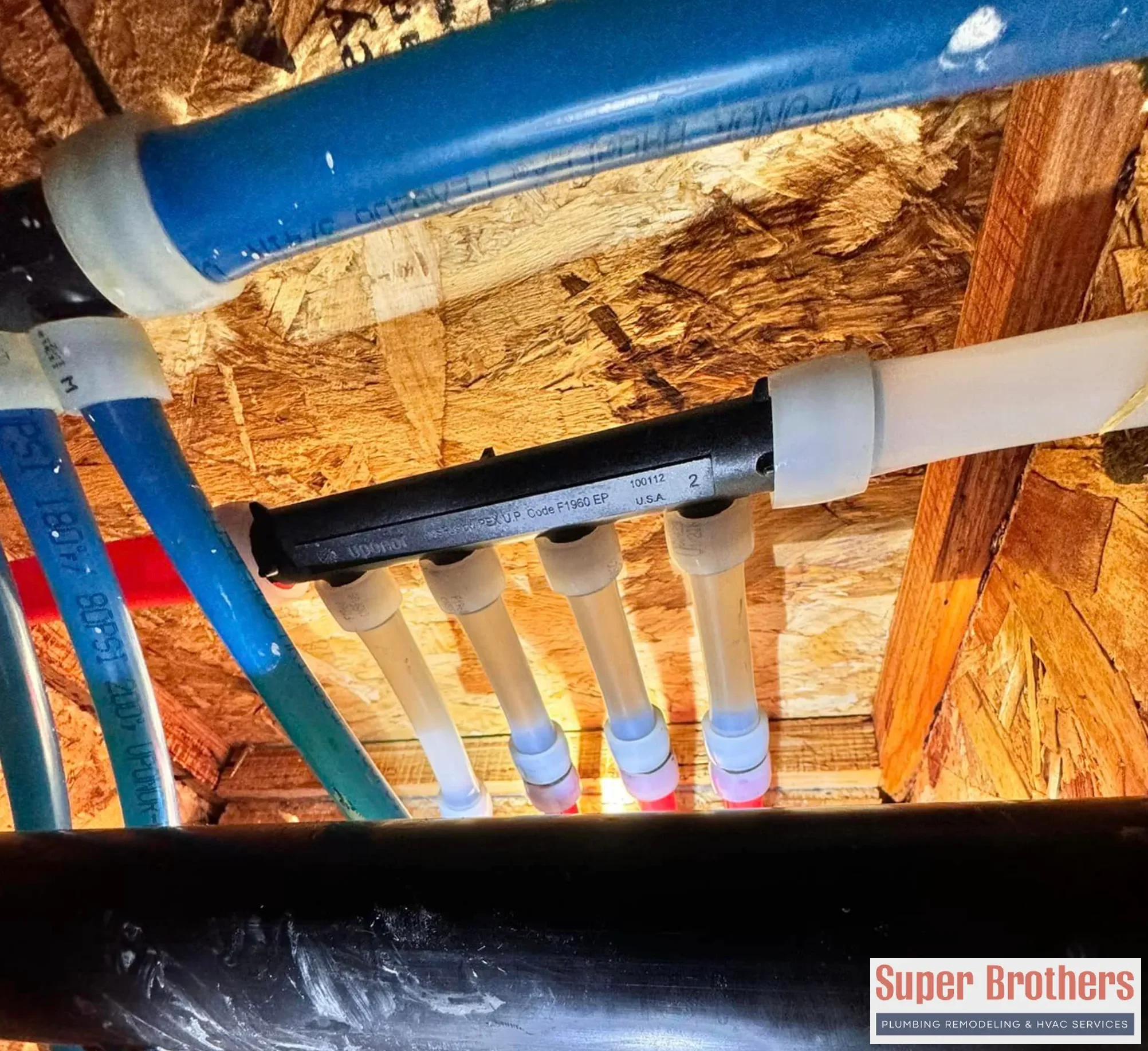
PEX is popular because it is flexible, fast to install, and often less expensive than copper. Fewer fittings can mean faster routing through walls and ceilings with less cutting in some layouts. EPA materials guidance also notes PEX is a non lead source pipe, which matters when homeowners are trying to reduce lead concerns in old plumbing systems.
Copper is still a strong option and many homeowners prefer it for durability and familiarity. EPA guidance also lists copper as a common choice for water lines and notes its corrosion resistance, while also reminding people that older copper systems can still have lead solder in older installations. In plain terms, copper can be great, but the full system history still matters.
CPVC may be allowed and used in some areas, but local code and contractor preference play a big role. Some plumbers install it often, others avoid it, and availability can vary by region. This is one of those moments where local experience matters more than internet debates.
Whatever material you choose, make sure the products are approved for drinking water use. EPA rules and NSF standards matter here, especially when you are buying fixtures, fittings, and piping that touch water you drink and cook with. This is not the place to save thirty bucks with mystery parts from a random online listing that looks like it was translated by a toaster.
What Else You May Need Besides New Pipe
Repiping is not only about the pipe itself. A smart project often includes the parts around the pipe that make the system safer, easier to service, and less annoying later. If the crew already has access, it is the best time to handle related upgrades.
You may need or want new shutoff valves at sinks, toilets, and appliance lines. Old valves fail all the time, and replacing them later can mean more labor and another service call. Fresh valves can make future repairs quicker and way less stressful when a toilet starts misbehaving at the worst possible time.
The main shutoff valve is another item to inspect. If your shutoff is stiff, leaking, or hard to access, ask about replacing it during the repipe. A working main shutoff is one of those things you do not think about until water is spraying and everyone in the house is suddenly sprinting.
Depending on your water pressure, a pressure reducing valve may also come up. High pressure can be rough on plumbing fixtures and connections over time. Your plumber can test pressure and tell you whether you are in the normal range or feeding your house like it is a fire hydrant.
Water heater connections should be reviewed too, especially if the heater is older or the piping at the top is corroded. If the water heater is near the end of its life, some homeowners replace it during the same project to avoid paying for duplicated labor later. That is not always necessary, but it is worth discussing if the heater is already giving retirement energy.
If you have a slab home, multi story home, or hard to reach routes, your plumber may design a layout that reduces wall damage by running lines through attic or ceiling spaces. In some homes, a manifold setup can also be used to organize runs more cleanly. Ask what layout they recommend and why, then have them show it on a simple sketch.
Lead and Older Plumbing, What to Check Before You Repipe
If your house is older, part of your repipe planning should be lead awareness. EPA and CDC both note that lead can come from service lines, pipes, solder, faucets, and other fixtures, and that corrosion can release lead into drinking water. In other words, the issue is sometimes bigger than just one visible pipe under the sink.
EPA also provides a step by step tool called Protect Your Tap to help identify possible lead service lines and find testing resources. That is useful because homeowners often focus on interior pipes while the service line from the street to the house gets overlooked. If that line is lead, your replacement plan may involve both your plumber and your local water utility.
Do not assume a single water test from one faucet tells the whole house story forever. EPA guidance explains that water samples are snapshots and lead levels can vary over time and by fixture. If lead is on your radar, ask your plumber and water utility how to identify materials correctly and what testing plan makes sense before and after work.
Also ask what products they use for drinking water lines, fittings, and fixtures. EPA rules cover lead free requirements for plumbing products, and NSF standards help verify performance and health effects requirements for piping products used with drinking water. This is a good question for your quote review, not an awkward surprise after installation day.
Permits, Inspections, and the Grown Up Stuff That Protects You
Most homeowners do not get excited about permits, but this is one of those places where boring is your friend. Whole house repiping often requires a permit and inspection, especially when lines are being replaced or rerouted. That paperwork helps confirm the work meets local code and gives you a record of what was done.
Ask the contractor who is pulling the permit, who schedules the inspection, and what happens if the inspector asks for corrections. You want that answer in writing. If somebody gets vague here, pay attention, because vague turns into expensive very fast.
Keep copies of the permit, inspection sign off, and final invoice. If you sell the house later, this paperwork can help answer buyer questions and show the work was done properly. It also helps if you ever need warranty service and the company asks what was installed and when.
What the Repipe Process Usually Looks Like
Most repipe jobs follow a similar pattern, even though every home has its own quirks. First comes inspection and planning, then material selection, then routing and access planning, then the actual installation. After that, the crew pressure tests, reconnects fixtures, and wraps up with inspection and cleanup.
You should expect some wall or ceiling openings unless your house has very easy access. Good crews try to minimize damage, but they still need physical access to get old lines out or new lines in. This is normal, and it is why the quote should clearly say who handles patching and what “finished” means.
Water service may be off for portions of the day, and sometimes the project is staged to keep one bathroom or the kitchen usable as much as possible. Ask about daily shutoff windows so you can plan meals, showers, and work from home life. Nobody wants to discover at 8:47 a.m. that the coffee maker and the sink are both offline.
At the end, the plumber should walk you through what was replaced, where the new routing goes, and where shutoff valves are located. Have them label anything that is not obvious. A ten minute walkthrough can save you a lot of frustration later when something minor needs service.

How Much Should You Budget
Repiping costs vary a lot, so be careful with one size fits all numbers you see online. Home size, number of fixtures, pipe material, and access are major cost drivers. A simple one story home with easy crawl space access is a very different job from a two story slab house with tight wall cavities.
As a general market reference, Angi reports a broad whole house repipe range and notes that labor is a large share of the cost. They also point out that accessibility, material type, and house size can shift pricing significantly. That lines up with what most homeowners learn the moment they collect real bids in their zip code.
A cheaper quote is not always the cheaper project. If one bid excludes drywall repair, permits, haul away, fixture reconnects, or final patching, your total can climb fast once the work starts. Compare the full scope, not just the headline number.
Set aside a contingency amount for surprises, especially in older homes. Once walls are opened, crews sometimes find hidden damage, sketchy past repairs, or valves and fittings that should be replaced while access is available. You do not need a panic fund, but you do need a cushion.
How to Compare Repipe Quotes Without Losing Your Mind
Try to get at least two or three detailed quotes from licensed plumbers or plumbing companies that actually do repipes regularly. A company that mainly handles drain clogs and small repairs may still be great, but a full repipe is a different level of planning and crew management. Experience matters here because the job touches a lot of systems and a lot of finished surfaces.
Ask each company to quote the same scope as closely as possible. If one proposes PEX and another proposes copper, that is fine, but ask them to explain why and note what is included with each option. You want apples to apples, not apples to mystery boxes.
- Who pulls the permit and schedules inspections?
- What pipe material and fitting system are you proposing, and why for my home?
- What exactly is included for wall and ceiling opening, patching, and cleanup?
- Will you replace shutoff valves at fixtures and the main shutoff if needed?
- How long will water be off each day, and can any fixtures stay active during the job?
- What warranty do you provide on labor and materials, and what is excluded?
- Can you show proof of license and insurance for my area?
Get the answers in writing. A friendly verbal promise is nice, but a written scope is what protects you when schedules shift or a crew changes. If something matters to you, like drywall patching or minimal downtime, make sure it is on the quote and the contract.
What You Need to Do Before the Crew Arrives
A little prep makes the job smoother and can reduce labor time. Clear access to sinks, vanities, utility rooms, water heater area, and any walls where plumbing runs are likely. Move furniture, wall art, stored bins, and anything fragile out of the way.
If you know where the crew will be working, protect floors and nearby items. Most pros bring protection, but it helps to remove what you can. This is especially true in closets, laundry rooms, and garage storage corners where people tend to stack everything they own from three different life eras.
Plan your daily routine around possible water shutoffs. Fill a few pitchers or containers for drinking and hand washing, and make a bathroom plan if your home has only one full bath. If you work from home, ask the crew about noise windows so your next video call does not sound like a renovation channel episode.
If you have pets, make a plan for them too. Doors may be opened often, loud tools can stress animals, and strangers in the house can create chaos fast. A quiet room, a friend’s place, or doggy day care can make everyone happier for a day or two.
Common Mistakes Homeowners Make on Repipe Projects
The most common mistake is waiting too long while paying for repeated repairs. There is nothing wrong with repairing one isolated leak, but if the whole system is aging out, repeated spot fixes can become a very expensive way to delay the inevitable. It feels cheaper month to month, but often costs more over time.
Another mistake is choosing a contractor based only on the lowest price. If the quote is thin, the crew may have to cut corners or pile on change orders. A detailed, realistic quote is usually a better sign than a bargain number that magically leaves out half the job.
Some homeowners also skip water quality questions because they assume new pipes automatically solve everything. New piping can help a lot, but if the issue is also in the service line, fixtures, water heater, or water chemistry, you may need a more complete plan. Ask questions now so you do not finish a repipe and still wonder why one faucet tastes strange.
And please do not skip permits just because someone says they can do it “off the books” for less. Plumbing runs behind walls and affects your whole house. Saving a little today can create insurance, resale, and repair headaches later.
How to Know If a Repipe Was Done Well
A good repipe should leave you with consistent water flow, cleaner routing, and clear shutoff points. Fixtures should operate normally, connections should be secure, and the system should pass pressure testing and inspection where required. You should also know what was installed, not just that “the guys finished.”
Ask for a final walkthrough and a simple map or explanation of the new runs if the routing changed. Keep photos of exposed new piping before walls are patched if possible. Those photos are gold later when you need to mount something, troubleshoot a fixture, or plan another remodel.
Keep your invoices, permit records, and warranty information in one place. If the company offers a workmanship warranty, save the exact terms. Future you will be very thankful, especially if something small pops up and you do not want to dig through old emails at midnight.
Repiping is a big project, but it is also one of the most practical upgrades you can make when your plumbing system is aging or causing constant trouble. The goal is not perfection or fancy buzzwords, it is a reliable water system that works every day without drama. For most homeowners, that peace of mind is worth a lot more than another temporary patch.
If you take away one thing from this guide, let it be this, get clear on the scope before the first wall is opened. Know what is being replaced, what material is being used, who is handling permits and patching, and how the final result will be tested and documented. Do that, and you are already ahead of most people starting a repipe.
Frequently Asked Questions
How long does a whole house repipe usually take?
Many homes are done in a few days, but the timeline depends on house size, number of fixtures, access, and how much wall repair is included. A one story home with easy access can move faster than a two story slab home. Ask for a day by day plan, not just a total estimate.
Can I live in my house during a repipe?
In many cases, yes. You may have partial water shutoffs during work hours, noise, and limited bathroom or kitchen use depending on the schedule. Ask your contractor how they stage the work so you can plan around it.
Is PEX better than copper?
It depends on your budget, local code, water conditions, and your contractor’s design for your home. PEX is often more affordable and faster to install, while copper remains a durable option many homeowners prefer. The best choice is the one that fits your house and is installed correctly.
Will repiping fix low water pressure?
It can, especially if the cause is old, corroded, or undersized supply lines. But low pressure can also be caused by a pressure reducing valve, clogged fixtures, a water heater issue, or municipal supply conditions. Have the cause diagnosed before assuming a repipe is the only fix.
Does repiping include drains and sewer lines?
Usually no, unless the quote specifically says it does. Most repipe jobs refer to water supply lines only. Drain and sewer replacement is often a separate project with different materials, access needs, and pricing.
Should I test my water before and after repiping?
If you have concerns about lead, discoloration, taste, or older plumbing materials, testing is a smart move. EPA and CDC guidance both support identifying possible lead sources and using proper testing resources. A test gives you data instead of guesswork.
What if my home has polybutylene pipes?
Many plumbers recommend replacement because polybutylene has a long history of leak and rupture concerns. A licensed plumber can confirm the pipe material and help you decide whether targeted repair or full replacement makes more sense. If you are seeing leaks already, do not wait too long to get a full evaluation.
Do I need permits for a repipe?
Often yes, but local rules vary. Ask your contractor and local building department what is required in your area, who pulls the permit, and whether a final inspection is needed. Get that answer in writing before the job starts.
Sources
These references were used for health and plumbing material guidance, lead identification resources, product standards context, and cost range examples.
- US EPA, Basic Information about Lead in Drinking Water
- CDC, About Lead in Drinking Water
- US EPA, Protect Your Tap: A Quick Check for Lead
- US EPA, Use of Lead Free Pipes, Fittings, Fixtures, Solder, and Flux for Drinking Water
- US EPA, Know Your Plumbing! Fact Sheet
- NSF, Certification of Plastic Piping: NSF/ANSI 14 and NSF/ANSI/CAN 61
- Angi, How Much Does It Cost to Repipe a House?
- InterNACHI, Polybutylene for Inspectors
Super Brothers Quality
Choose Super Brothers Plumbing Heating & Air because we use top-tier materials, deliver honest workmanship, and back every job with a real warranty. Our pricing is fair and transparent—no hidden fees, ever.
We pull the permits, build to California code, and pass inspection. Our licensed, highly experienced team handles full plumbing and heating/air replacements and installations, so the job’s done right the first time.
- Top-tier materials
- Honest, quality service
- Workmanship warranty
- Fair, transparent pricing (no hidden fees)
- Permits handled; California code compliant; passes inspection
- Licensed & experienced in plumbing and HVAC installs




Refer Friends, Reap Rewards

Share our expert plumbing services with friends and family. For every successful referral, you earn cash rewards. Refer Now

Ready To Experience Super Brothers Difference! Let’s Start a Conversation!
Related Services
Financing Options

Super Brothers offers an Installment Payment Plan with 0% Interest for Projects over $1000

Fin tech company that provides payment solutions in the home improvement sector.

Flexible financing for your next home improvement project

Wells Fargo Home Projects Credit Card