Few home problems wreck a morning faster than stepping into the shower and getting hit with cold water. If your house suddenly has no hot water, do not assume the whole system is done for. Sometimes the fix is simple, sometimes it is a clear sign you need service, and the trick is knowing which is which before you waste half a day guessing.
For Sacramento homeowners, this issue shows up in older houses with aging tank heaters, in newer homes with tankless systems, and in homes where mineral build up slowly chips away at performance over time. The City of Sacramento’s water quality reporting shows mineral levels can vary across the system, which helps explain why some homes deal with more scale and sediment than others.[5] That does not mean every heater is in trouble, but it does mean maintenance matters more than people think.
At Super Brothers, most no hot water calls in Sacramento fall into a handful of familiar patterns. Power gets interrupted, a gas unit loses ignition, a thermostat setting is off, a heating part fails, or the tank itself is simply at the end of its run. This guide walks through what to check first, what not to mess with, and when it makes sense to stop troubleshooting and bring in a pro.
Start with the simple checks
The first move is not panic, and it is definitely not random button pressing. Take two minutes and figure out whether you have no hot water in the whole house, only at one fixture, or hot water that runs out way too fast. That one detail tells you a lot.
- Check whether the problem is happening at every sink, shower, and tub, or just one spot.
- Look at the water heater type, electric tank, gas tank, or tankless, because the next steps are different for each one.
- Notice whether the water is fully cold, barely warm, or starts hot and turns cold fast.
- Look around the unit for leaks, rust, moisture, scorch marks, or an error code.
If only one shower or one faucet is affected, the water heater may not be the real problem. A stuck mixing valve, a single fixture cartridge, or a shower valve issue can fake a whole house hot water failure. That is actually good news, because the repair may be smaller than you expected.
If the whole house has no hot water, keep reading and work through the checks below in order. You are trying to separate a minor interruption from a real breakdown. That saves time, avoids unnecessary replacements, and helps you explain the issue clearly if you do call for service.
If you have no hot water anywhere in the house
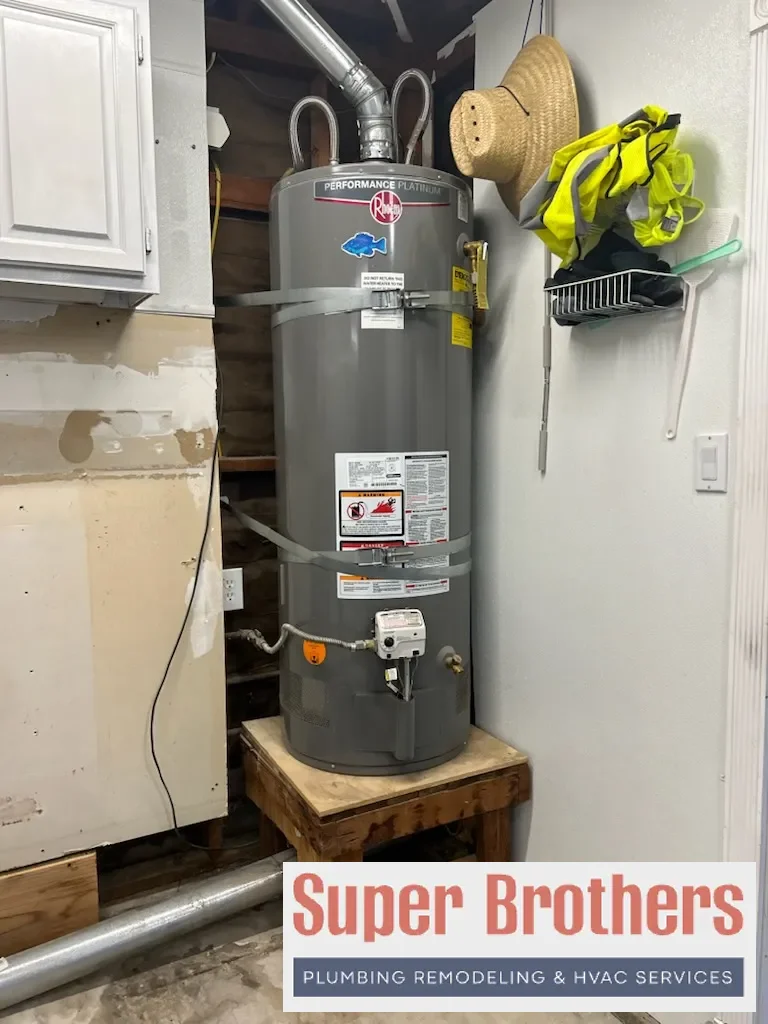
When the whole house goes cold, the problem usually sits at the water heater, not at a single faucet. Start by checking the energy source. Electric units need power, gas units need a safe gas supply and proper ignition, and tankless units need both power and a working ignition or burner cycle depending on the model.
For an electric water heater, look at your panel and see if the breaker has tripped. If it has, reset it once and then wait to see whether the heater comes back to life. If the breaker trips again, stop there, because repeating the reset is not a repair and can point to a bad heating element, wiring issue, or another electrical problem that needs proper diagnosis.
Electric water heaters also often have a reset button, usually behind an access panel. The Department of Energy notes that electric models can have thermostats behind screw on plates or panels, and power should be shut off before opening them.[2] If you are comfortable and know the unit is off, you can check for that reset, but do not keep poking around inside a live appliance.
If you have a gas water heater, check whether the pilot is out if your model uses one. Some newer units use electronic ignition, so there may be no pilot to relight. Follow the instructions on the unit label exactly, and if the pilot will not stay lit, that usually means it is time for service rather than more experimenting.
Do not ignore your nose here. PG&E says that if you smell natural gas or suspect an emergency, leave the area and call 9 1 1, then contact PG&E.[6] If there is any rotten egg smell, hissing sound, or obvious sign of a leak, this is no longer a regular plumbing inconvenience. It is a safety issue.
For a tankless unit, look at the display. Many tankless systems will throw an error code when they have ignition trouble, low flow, scale build up, or venting issues. Write the code down before you restart anything, because that code can save a lot of time during diagnosis.
If the unit runs but the hot water disappears fast, that is a different clue. On a tank system, it may point to a failing heating component, sediment taking up tank space, or a tank that is simply too small for the household. On a tankless unit, it can mean the unit is undersized for simultaneous use, especially if two showers and the dishwasher are all trying to live their best life at the same time.
What if the problem is only in one bathroom or one sink?
If the kitchen sink gets hot but the hall bath stays cold, do not blame the water heater yet. A bad shower cartridge or mixing valve can block hot water at one fixture while the rest of the house works normally. This happens more often than people think, especially in homes with older plumbing trim or heavily used primary bathrooms.
Run the hot side at nearby fixtures and compare. If one room is the odd one out, the repair is probably local to that fixture. That is a much better outcome than a full water heater failure, even if it still ruins your shower plans for the day.
This is also why a good diagnosis matters. Replacing a full water heater when the real culprit is one shower valve is a painful way to spend money. A proper inspection should confirm the failure before anyone starts talking replacement.
When the signs point to a bigger problem
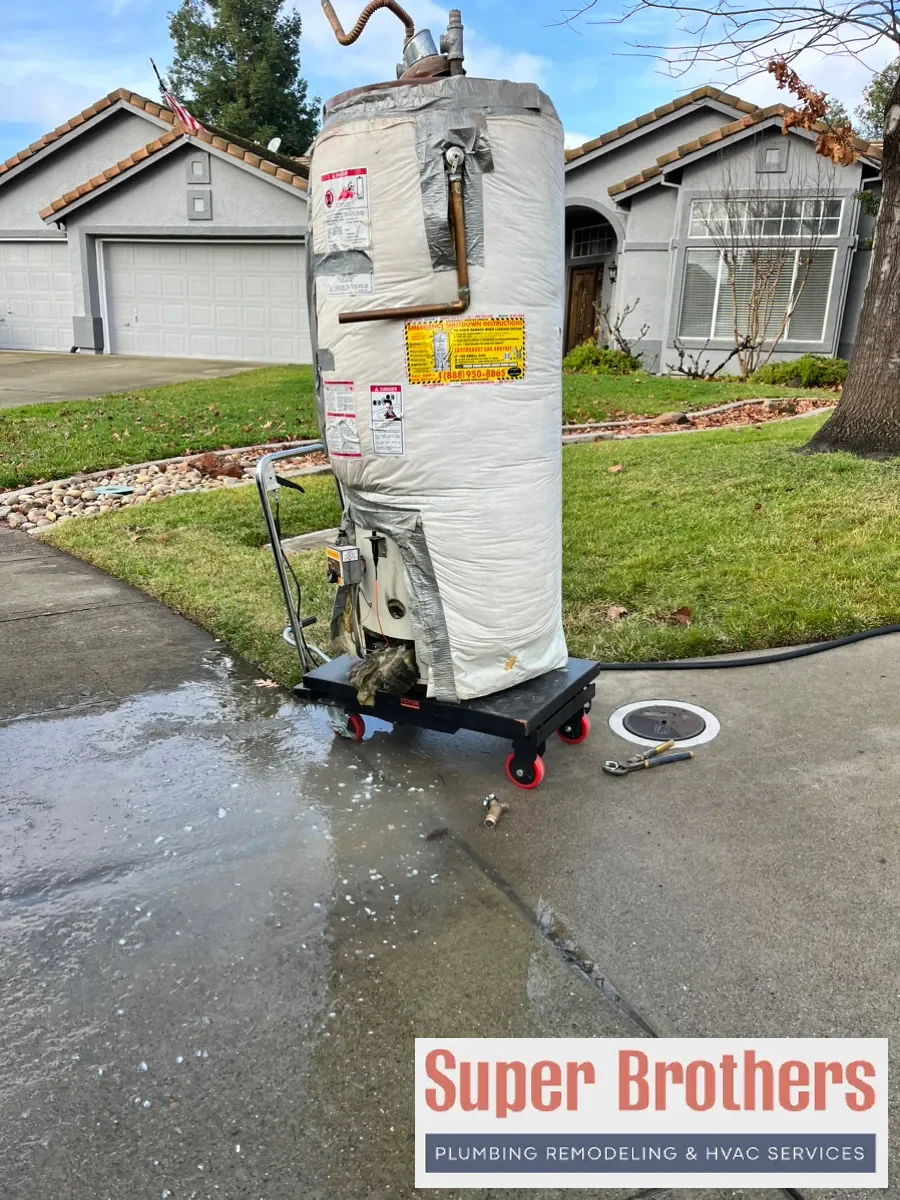
Some symptoms tell you pretty quickly that you are past the simple checks. Water around the base of the tank is a big one. A loose connection can leak and be repaired, but a leaking tank body usually means replacement is close or already unavoidable.
Another red flag is rusty water from the hot side only. That can point to tank corrosion or a failing anode related issue inside the heater. Rumbling, popping, and banging noises also matter, because those sounds often come from sediment heating up and hardening at the bottom of a tank.
The Department of Energy recommends removing sediment from storage tanks as part of maintenance because buildup can reduce heat transfer and lower efficiency.[2] In plain homeowner terms, the heater has to work harder to do less, and you usually feel that in both comfort and utility bills. Water heating already accounts for about 18 percent of home energy use in a typical home, so a struggling heater is not exactly subtle on the monthly bill.[1]
- Call right away if you smell gas, see active leaking, notice scorch marks, or suspect an electrical issue.
- Book service soon if the unit is making loud noise, producing rusty hot water, losing heat fast, or showing repeat error codes.
If kids, older adults, or anyone with mobility issues is in the home, the urgency goes up. Hot water is not just about comfort. It affects bathing, cleaning, and daily routines in ways that get old very fast.
Sacramento homeowners have a few local factors to think about
Sacramento homes are a mix of classic older properties, newer builds, and remodels that may have had partial system upgrades over the years. That matters because the water heater might be newer than the house, while the gas line, shutoff, electrical setup, venting, or nearby plumbing might not be. Good diagnosis means looking at the whole setup, not just the sticker on the tank.
The local water picture matters too. The City of Sacramento water quality report shows hardness varies across the system, with softer treated river water in some areas and much harder groundwater ranges in others.[5] That variation is one reason some Sacramento homeowners see more mineral scale, more sediment, and shorter maintenance intervals than their neighbors across town.
There is also a practical local issue that gets overlooked during rush repairs. If you are replacing a water heater in the City of Sacramento, there are permit requirements tied to water heater new or replacement work, and the city’s permit system also notes that residential water heater replacement is a minor permit category even though it does not require plan review.[3] Skipping that part may save an hour today and create a headache later during resale, inspection, or insurance questions.
If your home is in the Sacramento area and you are thinking about switching fuels or upgrading to a heat pump water heater, local incentives can make the numbers a lot more appealing. SMUD currently lists rebates up to $4,000 for qualifying heat pump water heaters installed through participating contractors, with permit and code compliance requirements attached.[7] Programs can change, but it is worth checking before you replace one old unit with another out of habit.
Repair it or replace it?
This is the question everyone asks once the shower turns into a cold wake up call. A repair makes sense when the unit is in decent shape, the failure is limited to a fixable part, and the heater is not already on borrowed time. A replacement makes more sense when the tank is leaking, corrosion is advanced, repair costs are stacking up, or the unit is simply old enough that another breakdown is likely around the corner.
The Department of Energy says most storage water heaters last about 10 to 15 years, while tankless water heaters can last more than 20 years.[2] That does not mean every tank dies on schedule or every tankless unit cruises trouble free for two decades, but it is a solid baseline. If your tank unit is pushing past the 10 year mark and needs a major repair, replacement deserves a serious look.
It also helps to think beyond today’s repair bill. Older heaters often run less efficiently, struggle with recovery time, and cost more to operate. A cheap repair on a tired unit can feel like a win until you are calling again six months later.
If you are choosing a new unit, match it to how your household actually lives. A regular tank water heater is still a good fit for many families. Tankless systems can be a smart move because they avoid standby heat loss, and the Department of Energy says they can be 24 to 34 percent more efficient in lower use homes and 8 to 14 percent more efficient in higher use homes, though sizing matters if several fixtures run at once.[4]
Heat pump water heaters are worth a hard look in Sacramento, especially for homeowners who want lower operating costs and plan to stay in the house for a while. SMUD’s rebate programs can help soften the upfront cost, and that changes the math in a good way for a lot of households.[7] The best choice is not always the fanciest one. It is the one that fits your home, usage, utility setup, and budget without creating a new problem somewhere else.
While you wait for service, do a few smart things
If you still have no hot water after the basic checks, stop cycling switches and buttons like a game show contestant. Repeated resets can muddy the diagnosis and, in some cases, make a safety issue worse. Take a photo of the model number, any error code, and the area around the unit before anything changes.
Make a short list of symptoms. Write down whether the water is fully cold or lukewarm, whether the problem is everywhere or only at one fixture, whether you heard strange sounds, and whether the issue started all at once or got worse over time. That kind of detail helps a technician zero in faster.
If there are young children in the home, be careful when hot water returns. The Consumer Product Safety Commission recommends a water heater setting of 120 degrees Fahrenheit to reduce the risk of tap water scald injuries, and advises hand testing water before bathing infants and young children.[8] Nobody wants to go from cold shower misery straight into burn risk.
How to lower the odds of this happening again
No system lasts forever, but most water heaters give clearer warning signs than people realize. Annual inspection, checking for leaks early, and keeping up with manufacturer recommended maintenance can buy you time and avoid surprise failures. For storage tanks, sediment control matters. For tankless systems, scale maintenance matters. For gas units, proper venting and safe combustion checks matter.
Temperature matters too. The Department of Energy and CPSC both point homeowners toward 120 degrees Fahrenheit as a safer and more efficient target in many homes.[1][8] That setting can help lower energy use, reduce scald risk, and keep the heater from working harder than it needs to.
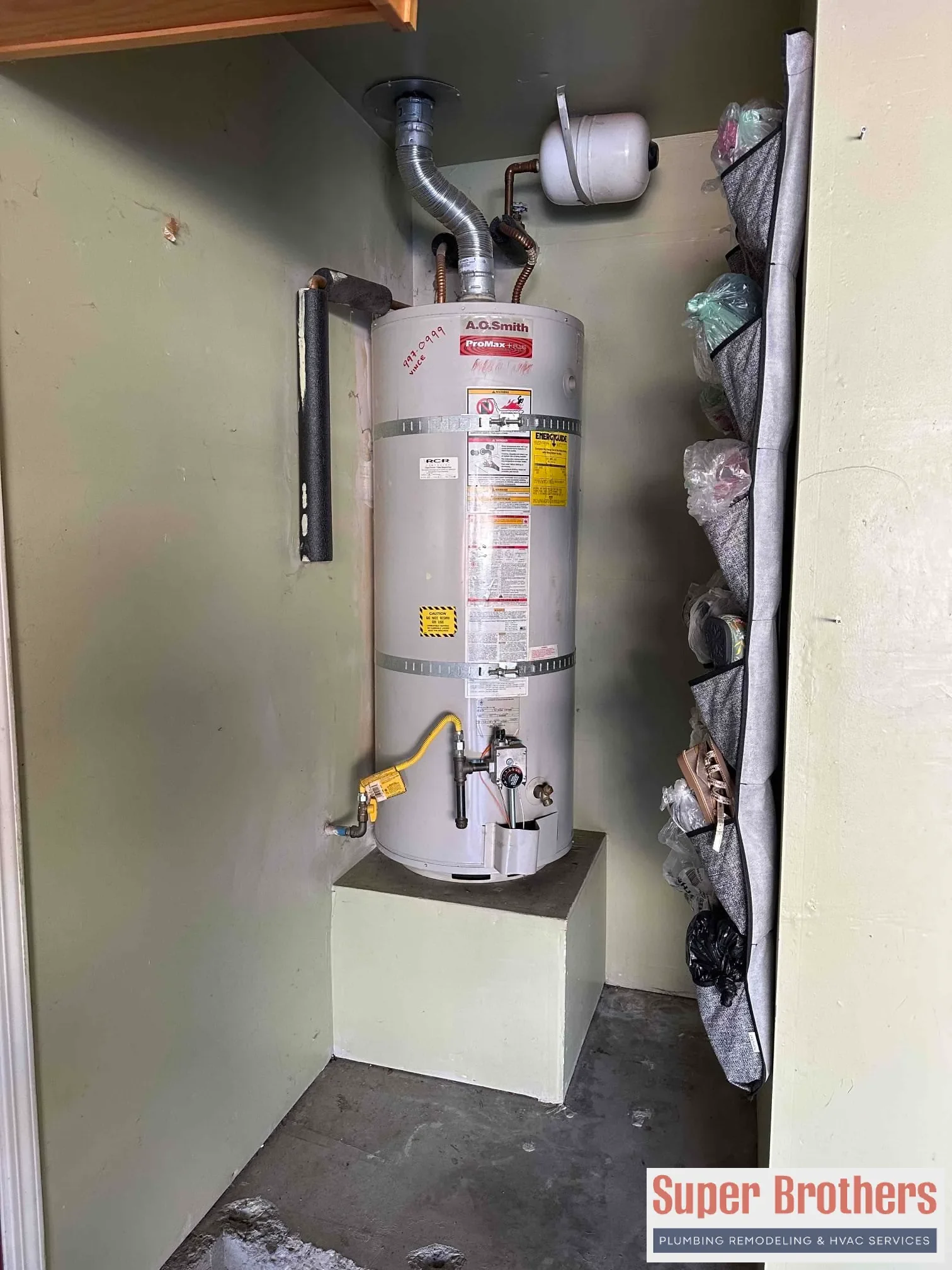
If your utility room doubles as the family storage closet, give the water heater a little breathing room. Water heaters should not be boxed in by clutter, cleaning supplies, or random garage overflow. That is especially true for gas appliances and anything with service panels, venting, or drain access.
And if you know your heater is already old, do not wait until it fails on the coldest morning or right before house guests arrive. Start planning before the emergency. That gives you time to compare options, check local permit needs, see whether a rebate applies, and replace the unit on your schedule instead of the heater’s.
The bottom line
If your home has no hot water, the goal is not to become your own emergency plumber in twenty frantic minutes. The goal is to make a few smart checks, rule out the obvious, and recognize when the problem has crossed into repair territory. That approach protects your home, your safety, and your wallet.
For Sacramento homeowners, the right answer depends on the heater type, the age of the unit, local mineral conditions, and whether the problem is isolated or house wide. Sometimes the fix is simple. Sometimes the unit is telling you, in a very rude way, that its time is up.
If you have no hot water and want a clear answer without the guesswork, Super Brothers can inspect the system, explain what failed, and help you decide whether repair or replacement makes the most sense.
Frequently Asked Questions
What should I check first if I suddenly have no hot water?
Check whether the problem is happening everywhere or only at one fixture. Then identify the water heater type and look for the most basic issue, such as a tripped breaker, a blank tankless display, an error code, or signs of leaking around the unit. If there is any gas smell, leave the area and treat it as an emergency.
Is it safe to relight a gas water heater pilot light myself?
It can be, but only if your model uses a pilot and you follow the instructions on the unit exactly. If the pilot will not stay lit, do not keep trying. That usually means the problem needs service, and any gas odor means you should stop immediately and get help.
How do I know whether I need repair or full replacement?
Repairs usually make sense when the problem is a limited part failure and the heater is still in otherwise good shape. Replacement is more likely when the tank is leaking, the unit is heavily corroded, repairs are adding up, or the heater is already near the end of its expected life. A good inspection should tell you which side of that line you are on.
Do I need a permit to replace a water heater in Sacramento?
In the City of Sacramento, water heater replacement falls under permit requirements, and the city also lists residential water heater replacement as a minor permit category that does not require plan review. Permit rules can vary by jurisdiction, so always confirm the requirements for your exact location before work starts.
Are there rebates for a new water heater in Sacramento?
SMUD currently offers rebates on qualifying heat pump water heaters, and the program details include contractor, permit, and installation requirements. Since rebate programs can change, it is smart to verify the current offer before choosing a replacement model.
Sources
- U.S. Department of Energy, Water Heating:
- U.S. Department of Energy, Energy Saver Guide 2022 and Water Heater DIY Guidance:,
- City of Sacramento, Water Heater Permit Information and Electronic Plan Check:,
- U.S. Department of Energy, Tankless or Demand Type Water Heaters:
- City of Sacramento, 2024 Consumer Confidence Report:
- PG&E, Keep Yourself Safe from a Gas Leak:
- SMUD, Heat Pump Water Heaters:
- U.S. Consumer Product Safety Commission, Avoiding Tap Water Scalds
Super Brothers Quality
Choose Super Brothers Plumbing Heating & Air because we use top-tier materials, deliver honest workmanship, and back every job with a real warranty. Our pricing is fair and transparent—no hidden fees, ever.
We pull the permits, build to California code, and pass inspection. Our licensed, highly experienced team handles full plumbing and heating/air replacements and installations, so the job’s done right the first time.
- Top-tier materials
- Honest, quality service
- Workmanship warranty
- Fair, transparent pricing (no hidden fees)
- Permits handled; California code compliant; passes inspection
- Licensed & experienced in plumbing and HVAC installs




Refer Friends, Reap Rewards

Share our expert plumbing services with friends and family. For every successful referral, you earn cash rewards. Refer Now

Ready To Experience Super Brothers Difference! Let’s Start a Conversation!
Financing Options

Super Brothers offers an Installment Payment Plan with 0% Interest for Projects over $1000

Fin tech company that provides payment solutions in the home improvement sector.

Flexible financing for your next home improvement project

Wells Fargo Home Projects Credit Card