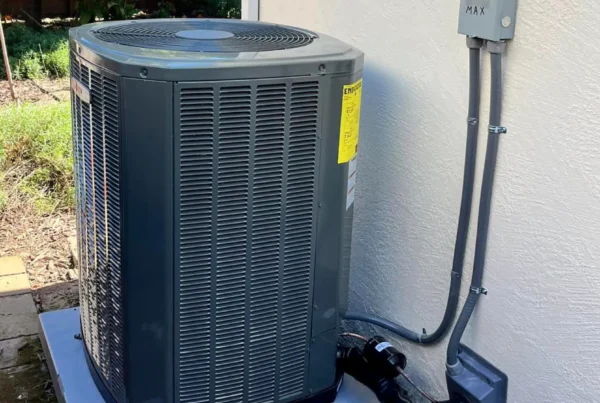
Sacramento homeowners ask a lot from their air conditioning systems once summer shows up for real. When the Sacramento heat starts pressing down and your AC is running day and night, one small part can cause a surprisingly big mess: the condensate line. It is not the flashiest part of your system, but when it clogs, it can lead to water leaks, musty smells, weak cooling, and a very annoying repair call right when you wanted a cold house and a quiet evening.
If you have ever looked at your thermostat and thought, “Why is this thing working overtime but my house still feels sticky?” the condensate line is worth checking. Your AC does more than cool the air. It also pulls moisture out of the air, and that water has to go somewhere. The condensate line is the path that carries it safely away.
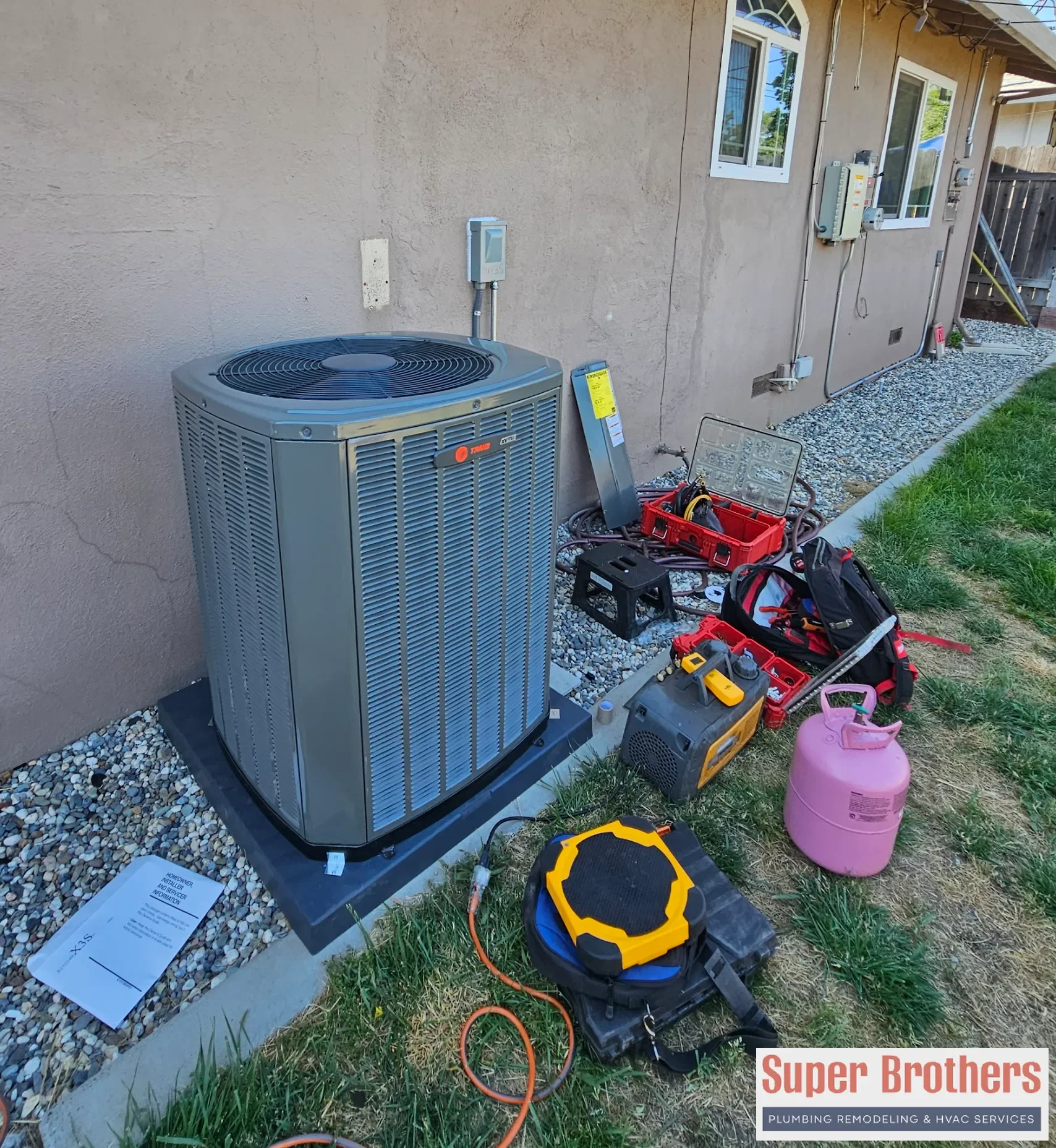
In Sacramento, that matters more than many homeowners realize. Our summers are famously hot and dry, and official climate records show Sacramento can hit serious extreme heat, with a historic all time high of 114 degrees. NOAA climate summaries also describe the area as having warm to hot afternoons, mostly mild nights, and lots of summer sun, which means your cooling system often works hard for long stretches. When your system runs longer, the condensate line has more chances to collect buildup and turn into a problem.
This article walks through the five most common signs of a clogged condensate line, why it happens, what you can do before it gets worse, and how to get your home ready for Sacramento heat without turning your utility closet into a surprise indoor water feature. We will also cover when a quick maintenance visit makes more sense than trying to poke at it yourself with a coat hanger and a dream.
Before we get into the warning signs, it helps to know what the condensate line actually does. As your AC cools warm indoor air, it also removes moisture from that air. That moisture drips into a drain pan and flows out through the condensate line. If that line gets blocked by algae, sludge, dirt, dust, or debris, the water backs up instead of draining away.
That backup can trip a safety switch, shut the system down, or spill water where it should never be. The U.S. Department of Energy warns that clogged drains can reduce the system’s ability to remove condensed water and may lead to shutdowns or water damage. So while the condensate line sounds minor, it can absolutely mess with comfort, equipment, and your ceiling, walls, or flooring.
Why the condensate line becomes a bigger deal during Sacramento heat
Summer in the Sacramento area has a way of exposing every weak spot in a home. A barely working capacitor, a dirty filter, a thermostat that is a little off, and yes, a neglected condensate line all seem to pick the hottest week of the year to show their personality. That is not bad luck. It is just the reality of a cooling system under pressure.
Even though Sacramento has a dry summer climate compared with many parts of the country, your AC still pulls moisture from indoor air every time it runs. Cooking, showers, laundry, pets, people, and even a house that is opened up often can all add indoor moisture. If the drain line is already partly blocked, the extra run time during Sacramento heat can push it over the edge.
There is also the timing issue. Most people do not notice a condensate line problem in the cool months because the AC is not running much. Then the first hot spell arrives, the system starts cycling all day, and suddenly there is a stain on the ceiling, a puddle near the indoor unit, or a musty smell drifting through the hallway like an unwanted guest.
That is why prep matters. A clogged condensate line is one of those problems that is usually easier and cheaper to handle early. Once water spreads into drywall, insulation, flooring, or a cabinet base, the repair can stop being “small HVAC maintenance” and start becoming “why is this corner of the house soggy?”
5 signs your condensate line is clogged
Not every water issue around your AC points to the condensate line, but these five signs show up again and again in real homes. If you notice one, it is worth paying attention. If you notice two or three at the same time, you should move fast.
- Water around the indoor unit. A puddle near the air handler, furnace closet, attic unit, or drain pan is the most obvious red flag.
- Musty or damp smell. When water sits where it should not, stale moisture and moldy odors often follow.
- AC keeps shutting off. Many systems have a float switch that stops operation when drain water backs up.
- Higher indoor humidity. If the house feels sticky even while the AC runs, drainage problems may be part of the issue.
- Visible rust, stains, or pan overflow. Water marks near the unit or around the pan often mean the condensate line has not been draining well.
1. Water pooling near your indoor unit
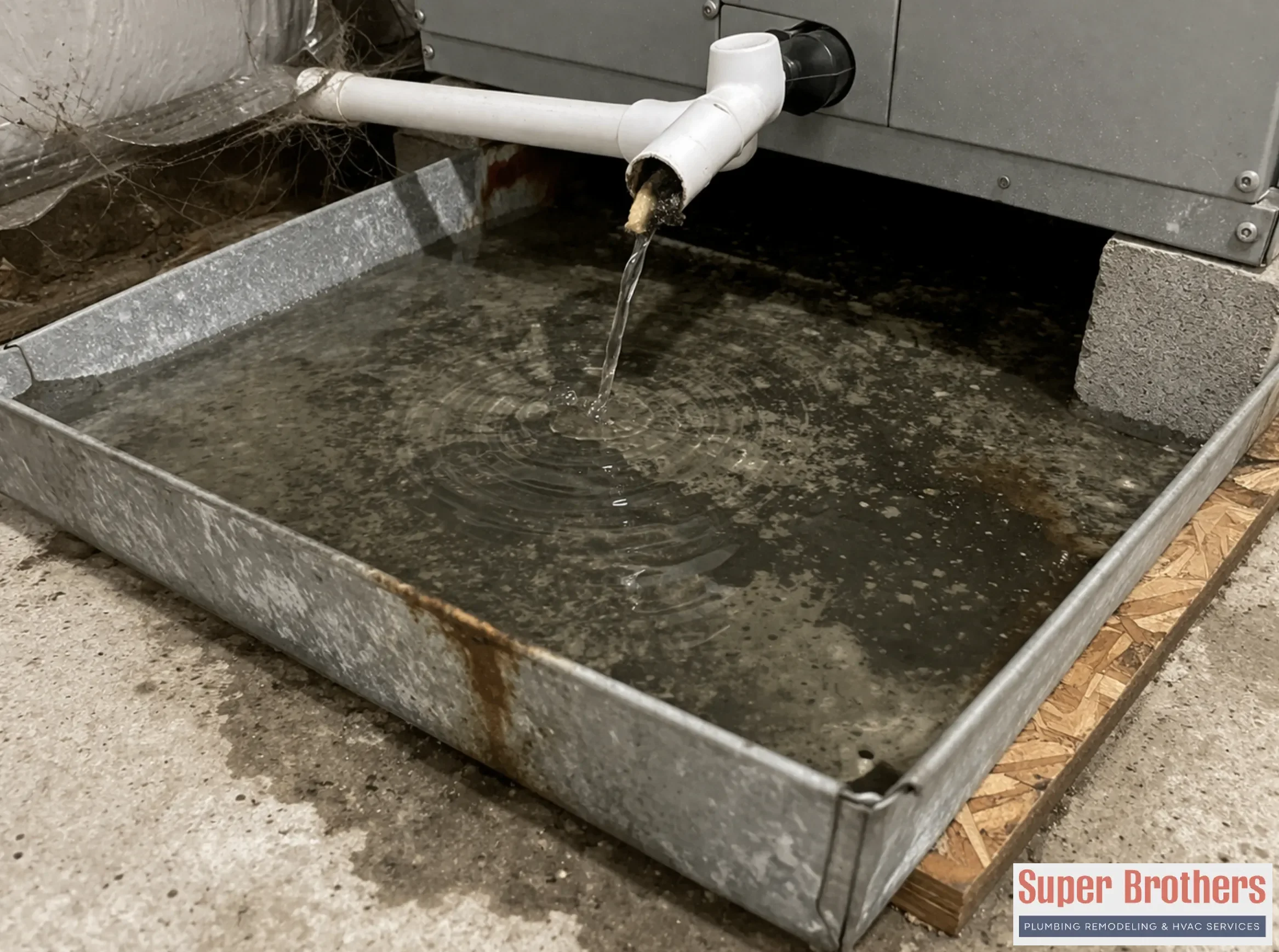
This is the classic sign, and it is usually the one that gets people moving. You go to change a filter, grab something from the garage closet, or walk into the attic, and there is water where there definitely should not be water. Sometimes it is a small puddle. Sometimes it is enough to soak cardboard boxes, framing, or surrounding materials.
If your condensate line is clogged, the drain pan can fill up and overflow. In some setups, the water can spill directly around the indoor unit. In others, it may show up farther away as a ceiling spot, warped trim, or damp drywall. Water loves taking the scenic route, which is part of what makes these leaks so annoying to trace.
This is not the kind of issue to watch for a week and “see if it improves.” It rarely improves on its own. Once water starts escaping the pan, the risk shifts from AC performance to property damage, and that is where things can snowball fast.
2. A musty smell when the AC kicks on
If your home smells fine until the air starts blowing, then suddenly takes on a damp, stale, locker room note, standing moisture may be part of the story. A clogged condensate line can leave water sitting in the pan or nearby components. That damp environment can lead to microbial growth and odors that move through the system when the blower turns on.
The CDC recommends keeping indoor humidity low and fixing moisture issues quickly because mold grows where water hangs around. In practical terms, that means the musty smell is not just an “old house” vibe or one of those things you learn to live with. It is your system telling you it wants attention.
Sometimes homeowners try to cover this up with candles, room sprays, or a stronger air freshener plugged into every outlet. That may help for an afternoon, but it does not solve the source. If the condensate line is clogged, the smell usually keeps coming back until the drainage problem is fixed.
3. Your system shuts off for no clear reason
Modern systems often include a safety switch, sometimes called a float switch, that shuts the system down if the drain pan fills up too high. That is a good thing. It is the unit trying to protect your home from overflow. The downside is that many homeowners think the AC itself has failed, when the real issue is simply a backed up condensate line.
If your thermostat is set correctly, the breaker is fine, and the system seems to turn off or stop cooling unexpectedly, the drain line should be on the suspect list. A lot of service calls during Sacramento heat come down to simple maintenance items that stayed invisible until the hottest days arrived. The condensate line is one of the usual suspects.
This type of shutdown can feel random. The system may run for a while, stop, then start again after water shifts or evaporates enough to reset the switch. That inconsistency is exactly why it confuses people and why the problem gets pushed off longer than it should.
4. Your home feels sticky, even when the AC is running
One job of air conditioning is lowering indoor humidity as it cools the home. When water is not draining properly, overall moisture control can suffer. You may notice cool air coming out of the vents, but the house still feels clammy, stuffy, or weirdly heavy. It is like your AC is doing half the job and clocking out early.
The CDC notes that keeping humidity at 50 percent or lower can help reduce mold problems indoors. While a clogged condensate line is not the only thing that can raise indoor humidity, it is a very common contributor when paired with poor cooling performance or intermittent shutoffs. In Sacramento, where we lean hard on air conditioning during the hot season, that comfort drop gets noticed quickly.
This can be especially frustrating for people who just replaced a thermostat, changed the filter, or already had another AC repair done. The temperature reading may look decent, but the home still does not feel right. When that happens, moisture management deserves a closer look, and the condensate line is one of the first places to check.
5. Rust, stains, or a full drain pan
Sometimes the signs are quieter. You may not have a fresh puddle, but you do see rust around the drain pan, dark water marks near the equipment, or staining on nearby surfaces. Those are clues that the system has had trouble draining for a while. A slow clog is still a clog, and slow leaks can damage homes just as surely as dramatic ones.
EPA maintenance guidance for HVAC systems emphasizes the importance of clean condensate pans and drains that flow freely. That matters because a line does not have to be completely blocked to cause trouble. Partial blockage can trap moisture, collect more debris, and gradually lead to overflow, corrosion, and smell issues.
If you can see standing water in the pan, that is your sign to stop calling it a maybe. A pan should collect water and move it out. It should not look like it is auditioning to become a tiny backyard pond.
What causes a clogged condensate line in the first place
Most clogged condensate line problems are not dramatic. They build slowly. Dust from the return air, bits of insulation, dirt, algae, and slime can all gather inside the line over time. If regular maintenance gets skipped, that buildup can harden into a blockage that water cannot push through.
Dirty filters can make things worse by letting more dust move through the system. A neglected drain pan gives moisture more time to sit and collect gunk. Older systems may also have lines with more wear, more sagging, or more opportunity for buildup to catch. It is rarely one giant event. It is usually a string of small things that stack up.
In Sacramento homes, long cooling seasons and heavy summer use can expose those maintenance gaps fast. That is why a clogged condensate line often shows up right when families are trying to stay cool during a heat wave, host people for the weekend, or simply sleep without roasting through the night.
What you can do right away if you suspect a clog
Start by turning off the AC if you see active leaking around the indoor unit. That can help limit water damage while you figure out the next step. If the line is fully blocked and the pan is filling, letting the system keep running is usually not doing you any favors.
Next, check the area around the unit for visible water, staining, or an overfilled pan. If your setup has an accessible drain line cleanout or a visible outlet point outside, you may be able to spot whether water is moving through at all. Some homeowners use a wet dry vacuum on the outside drain termination to pull out sludge and minor blockage. That can work in some cases, but it is not a guaranteed fix.
Be careful with chemicals and random online hacks. The CDC warns against mixing bleach with ammonia or other cleaners, and dumping the wrong product into an HVAC drain line can create a new problem while you are trying to solve the old one. If you are not sure what your system can handle, it is smarter to keep the experiment small and the damage smaller.
Also, do not ignore surrounding materials. If insulation, drywall, wood trim, or stored items got wet, dry them out quickly. CDC guidance on mold cleanup stresses that wet materials should be cleaned and dried promptly, because mold growth can start fast when moisture lingers. Once the leak is fixed, the cleanup still matters.
How to prep for Sacramento heat before the condensate line turns into a problem
The best time to deal with a clogged condensate line is before it becomes one. Early season maintenance is a lot less stressful than emergency troubleshooting during a hot Sacramento afternoon when the house is warming up by the minute and everyone is suddenly in a bad mood. A little prep can go a long way.
- Schedule seasonal AC maintenance. A proper tune up should include checking the condensate line, pan, float switch, and overall drainage.
- Change filters on time. Cleaner airflow helps reduce dust and debris that can contribute to buildup.
- Keep the area around the indoor unit clean. Less dust and clutter means fewer chances for debris to enter the system.
- Watch for early warning signs. Musty smells, small stains, and humidity changes usually show up before a major overflow.
- Do not wait for peak heat. Once Sacramento heat settles in, service demand rises and small issues become urgent fast.
A seasonal visit is not just about refrigerant and thermostat settings. Good maintenance includes making sure water is draining the way it should. The Department of Energy specifically recommends clearing drain channels periodically, because clogs can reduce the system’s ability to remove condensed water and may lead to water damage or shutdown. That is about as direct a warning as you can get.
It also helps to take your home’s moisture habits seriously. Long showers, poor bathroom ventilation, unsealed crawl spaces, or a dryer that is not venting properly can all add strain to the home environment. Your AC can manage a lot, but it should not have to compensate for every hidden moisture issue in the house.
If you have an attic mounted air handler, prep matters even more. Leaks up there can travel into ceilings before you notice them. A clogged condensate line in an attic system can stay out of sight long enough to create damage that is much more expensive than the original maintenance would have been.
When it is time to call a professional
There is nothing wrong with checking for obvious signs, changing filters, or using a wet dry vacuum carefully at the drain outlet if your setup makes that easy. But if the system keeps shutting off, the line clogs again, water has already spread to building materials, or the source of the leak is not obvious, it is time to bring in a trained technician. A repeated clog often points to a deeper maintenance issue, poor slope, pan problem, or another drainage failure that needs a proper diagnosis.
This is also where experience matters. A licensed HVAC technician can inspect the pan, line, safety switches, insulation, blower area, and nearby components to see whether the condensate line is the only problem or just the first symptom. That is especially valuable in Sacramento heat, when several small system issues can show up together and make the house feel worse than one simple clog would explain.
If you notice water damage, moldy odor that sticks around, or signs that the leak has been happening for a while, treat it like a real home issue, not just an AC quirk. Water plus time is rarely a bargain. Getting the condensate line cleaned and the system checked can protect both comfort and the parts of the house that are much more expensive to repair.
Why Sacramento homeowners should not wait on this one
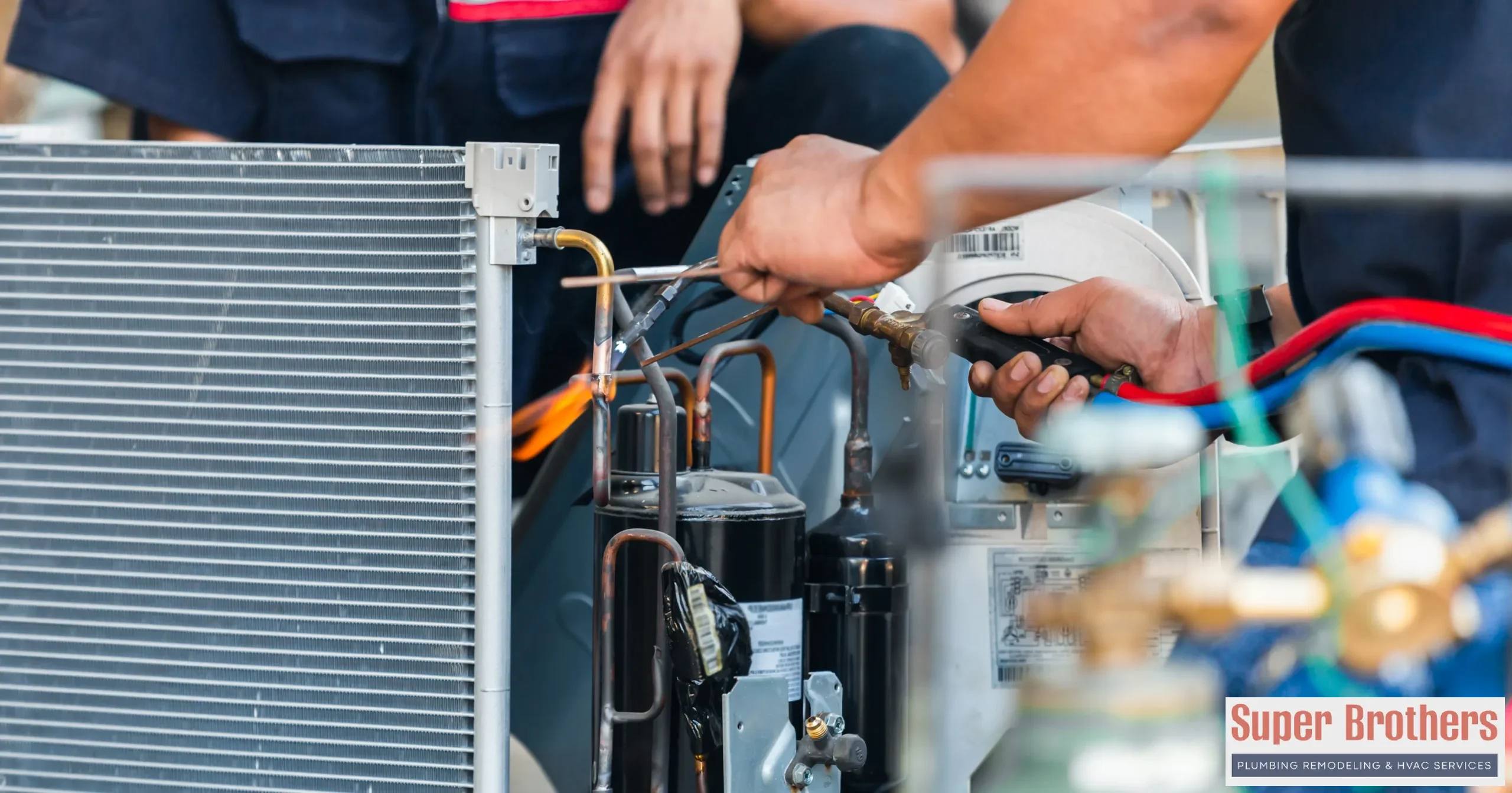
Homeowners in the Sacramento area already know what summer can feel like. Once the hot stretch arrives, the house depends on reliable cooling every day, not just now and then. That is exactly why a clogged condensate line causes such outsized frustration. It is a small maintenance item that tends to fail at the worst possible time.
And when the Sacramento heat is on, the system does not get much downtime. That means the condensate line keeps seeing moisture, the drain pan keeps filling, and any small blockage has fewer chances to dry out or go unnoticed. A problem that seemed minor in spring can turn into a no cooling call, ceiling stain, or water cleanup project in midsummer.
There is also a comfort issue that people feel before they understand it. A home with poor moisture removal can feel sticky, stale, and less comfortable even when the thermostat says the temperature is close. If your place feels off during Sacramento heat, the condensate line deserves a spot on the checklist.
The good news is that this is one of the more preventable AC problems. Regular maintenance, filter changes, quick response to musty smells or minor leaks, and a professional inspection before peak summer can dramatically reduce the odds of a messy surprise. This is not about overreacting. It is just smart home care.
Final thoughts
A clogged condensate line is easy to overlook because it sits in the background and does its job quietly, until it does not. But once it backs up, the signs are usually there: water around the indoor unit, a musty smell, unexplained shutdowns, sticky indoor air, or rust and staining around the drain pan. Catch those signs early and you have a much better shot at a simple fix instead of a larger repair.
For Sacramento homeowners, the timing matters. The Sacramento heat puts your air conditioner to work, and that workload can expose drainage issues quickly. If your system has not had a recent inspection, this is a good moment to take the condensate line seriously and get ahead of the next hot spell.
At Super Brothers, we help homeowners in Sacramento and surrounding areas keep cooling systems running cleanly, safely, and reliably through the hottest part of the year. If you are seeing any of these warning signs, or if your system just does not feel ready for another Sacramento summer, it may be time for a proper AC check and drain line inspection.
Because your air conditioner should cool the house, not start a side quest involving towels, buckets, and a wet ceiling.
Schedule HVAC service if you want your system checked before the next heat wave hits.
Frequently Asked Questions
Can a clogged condensate line shut off my AC?
Yes. Many systems have a safety switch that shuts the unit down when water backs up in the drain pan. This helps prevent overflow and water damage, but it can make the problem look like a full system failure when the real issue is drainage.
Is water near my furnace or air handler always a condensate line problem?
Not always. Water can also come from a damaged drain pan, frozen evaporator coil, plumbing leak, or other issue. Still, a clogged condensate line is one of the most common reasons homeowners find water near indoor HVAC equipment during cooling season.
How often should a condensate line be checked?
It should be checked during routine seasonal AC maintenance, especially before summer. If your system runs heavily, is older, or has had drain issues before, more frequent inspection can make sense.
Can I clear a condensate line myself?
Sometimes, yes. A wet dry vacuum at the exterior drain outlet may remove minor buildup in some systems. But if the clog keeps returning, water damage is already present, or you are unsure where the blockage is, professional service is the safer move.
Why does this matter so much in Sacramento?
Sacramento summers put a heavy workload on cooling systems. When your AC runs longer during hot weather, drainage issues become more noticeable and more disruptive. A clogged condensate line that was barely a problem in mild weather can turn into a shutdown or leak during Sacramento heat.
Sources
- U.S. Department of Energy, Air Conditioner Maintenance
- U.S. Department of Energy, Common Air Conditioner Problems
- Centers for Disease Control and Prevention, Mold and Dampness
- Centers for Disease Control and Prevention, Mold Clean Up Guidelines and Recommendations
- Centers for Disease Control and Prevention, Preventing Mold
- U.S. Environmental Protection Agency, Building Air Quality Guide
- National Weather Service Sacramento, Climate of Sacramento, California
- NOAA, Annual Local Climatological Data for Sacramento
Super Brothers Quality
Choose Super Brothers Plumbing Heating & Air because we use top-tier materials, deliver honest workmanship, and back every job with a real warranty. Our pricing is fair and transparent—no hidden fees, ever.
We pull the permits, build to California code, and pass inspection. Our licensed, highly experienced team handles full plumbing and heating/air replacements and installations, so the job’s done right the first time.
- Top-tier materials
- Honest, quality service
- Workmanship warranty
- Fair, transparent pricing (no hidden fees)
- Permits handled; California code compliant; passes inspection
- Licensed & experienced in plumbing and HVAC installs




Refer Friends, Reap Rewards

Share our expert plumbing services with friends and family. For every successful referral, you earn cash rewards. Refer Now

Ready To Experience Super Brothers Difference! Let’s Start a Conversation!
Financing Options

Super Brothers offers an Installment Payment Plan with 0% Interest for Projects over $1000

Fin tech company that provides payment solutions in the home improvement sector.

Flexible financing for your next home improvement project

Wells Fargo Home Projects Credit Card