How a Failing Water Heater Impacts Your Home This Season
A water heater almost never “just dies.” It usually wears out in stages, and your home feels those stages long before the tank finally gives up. At first, you might notice small things: the water doesn’t stay hot as long, the shower runs cool halfway through, or it takes longer for hot water to reach the kitchen sink on cold mornings.
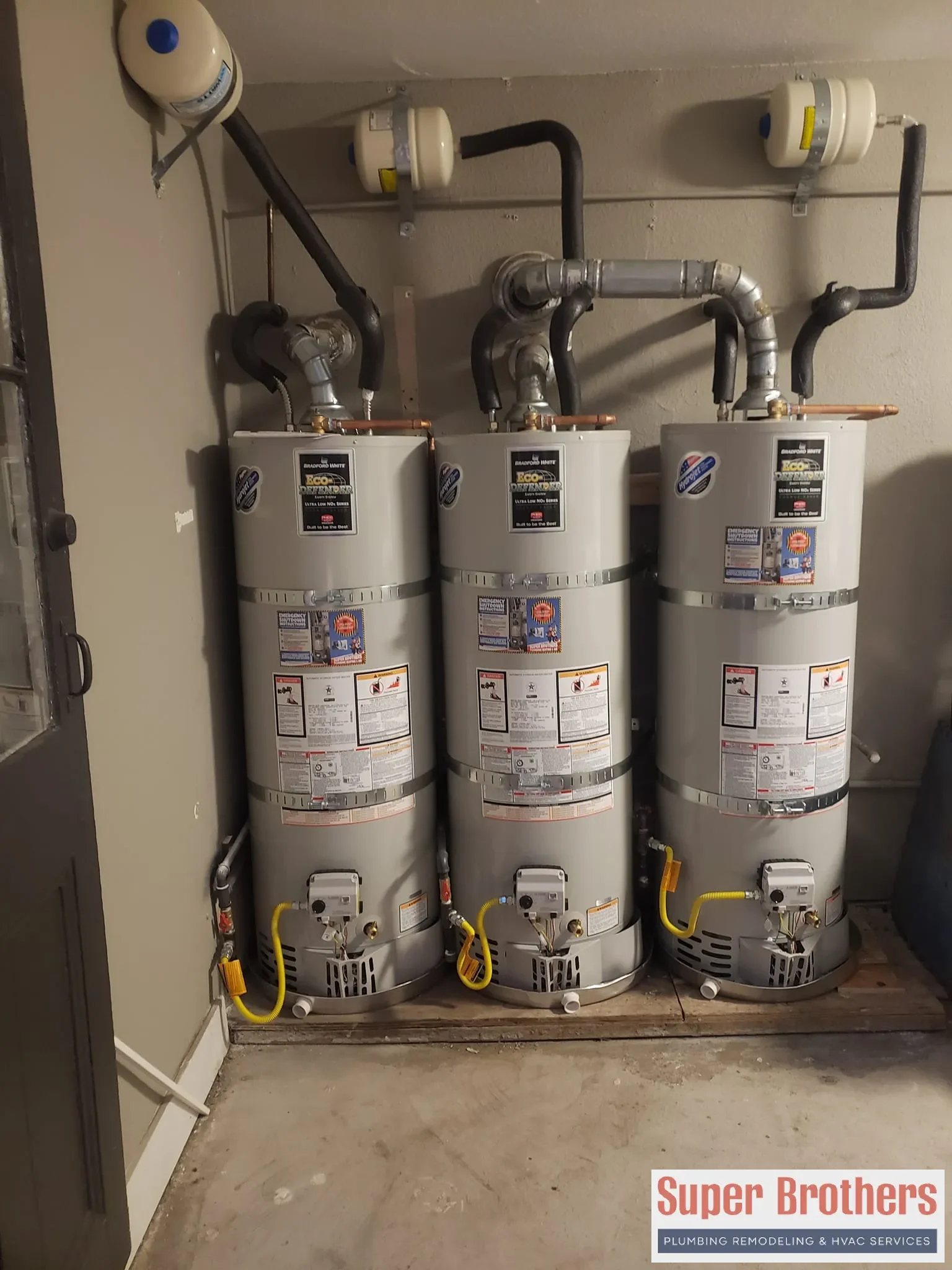
Underneath those everyday annoyances, the heater is under real physical stress. Inside the tank, metal expands and contracts with every heating cycle. Over time, that constant movement:
- Thins tank walls and stresses welds
- Wears down metal connector threads and fittings
- Builds up thick layers of mineral sediment at the bottom of the tank
- Dries out rubber seals, washers, and gaskets
- Forces the burner or elements to run longer to do the same job
As sediment piles up, it acts like a blanket between the burner and the water. The heater has to run hotter and longer just to bring the tank up to temperature. In cold weather, that strain gets worse because the incoming water is much colder. The result is:
- Fluctuating water temperatures at faucets and showers
- Longer recovery times between hot-water uses
- Rumbling, popping, or banging noises as water boils under sediment
- Moisture or rust stains around the base of the tank
By the time you notice you “barely have any hot water,” the heater has usually been fighting for weeks or months. That’s when leak risk and tank failure climb sharply. Replacing the water heater before winter truly settles in stops that hidden stress from turning into a burst tank, water damage, or a no-hot-water emergency when temperatures are at their lowest.
Same-Day Installation – What It Means for the Homeowner Today
Same-day installation is about more than convenience. It’s about eliminating the window of risk where an old tank can leak, fail, or stop working entirely. When you call a local plumbing and heating company for same-day water heater replacement near you, the goal is simple: get your home back to reliable hot water in one visit.
A typical same-day replacement looks like this:
- Initial evaluation: The technician checks the age, size, fuel type, and condition of your existing heater and reviews your hot-water usage.
- Correct sizing: They confirm the right tank size or model so you’re not constantly running short on hot water or wasting energy on an oversized unit.
- Safe removal: The old heater is shut down, drained, disconnected, and removed without damaging nearby pipes, flooring, or walls.
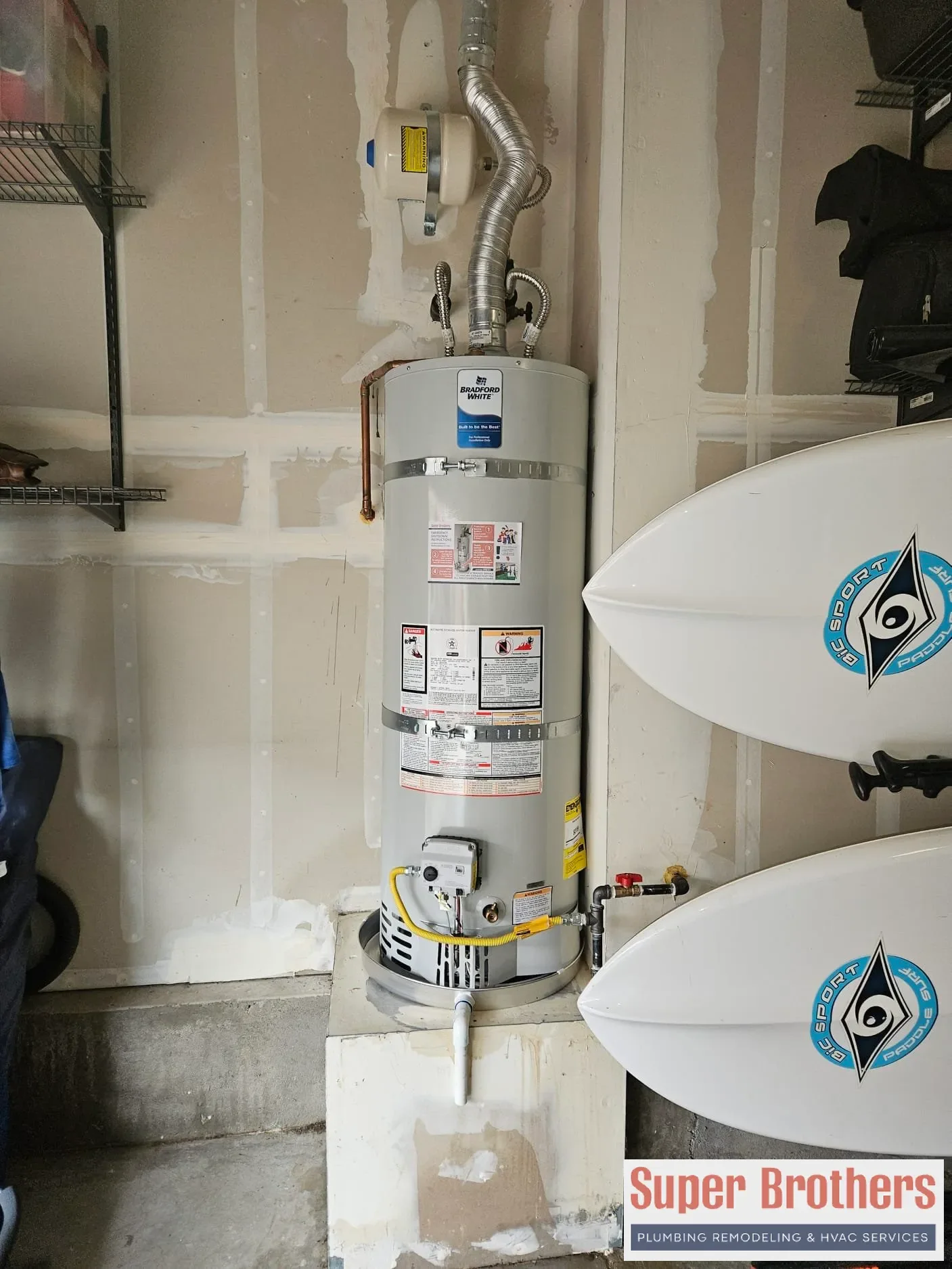
- New installation: The new heater is set, leveled, and connected to water lines, gas or electric, venting, and safety devices.
- Code compliance: Expansion tanks, drip pans, shutoffs, and venting are checked or upgraded to meet current local code requirements.
- Full testing: The system is filled, purged of air, fired up, checked for leaks, and tested for proper temperature and pressure.
For you, that means same-day stabilization of your home’s hot-water system. Instead of waiting days with a questionable tank, your home is running on new equipment that’s properly sized, correctly installed, and ready for the winter workload right away.
Tank and Connector Stability Water Heater Installation
Your water heater tank is essentially a pressurized, heated vessel sitting inside your home. It contains scalding hot water, steam, and constant pressure changes. When it’s old, even a small weakness in the tank body, weld seams, or threaded connections can turn into a leak or sudden failure.
After a same-day installation, you’re not just getting a new tank. You’re getting a complete reset of the parts that tend to fail most often:
- Fresh, clean threads on all water connections
- New flex lines, shut-off valves, or unions where needed
- New factory-installed temperature and pressure relief valve (T&P)
- Updated expansion or safety components if your local code requires them
- New anode rod to protect the tank from internal corrosion
New connectors don’t carry years of stress, corrosion, or “memory” from past temperature swings. They seal better, handle pressure changes more reliably, and reduce the chance of slow drips forming around fittings. Installed correctly, this not only protects the heater itself but also reduces stress on the surrounding plumbing network.
The benefit is long-term stability: fewer surprise leaks, less risk of tank rupture, and a system set up to handle heavy winter use from day one instead of limping into the season already worn out.
What Happens During the Haul Away and Why It Matters More Than You Think
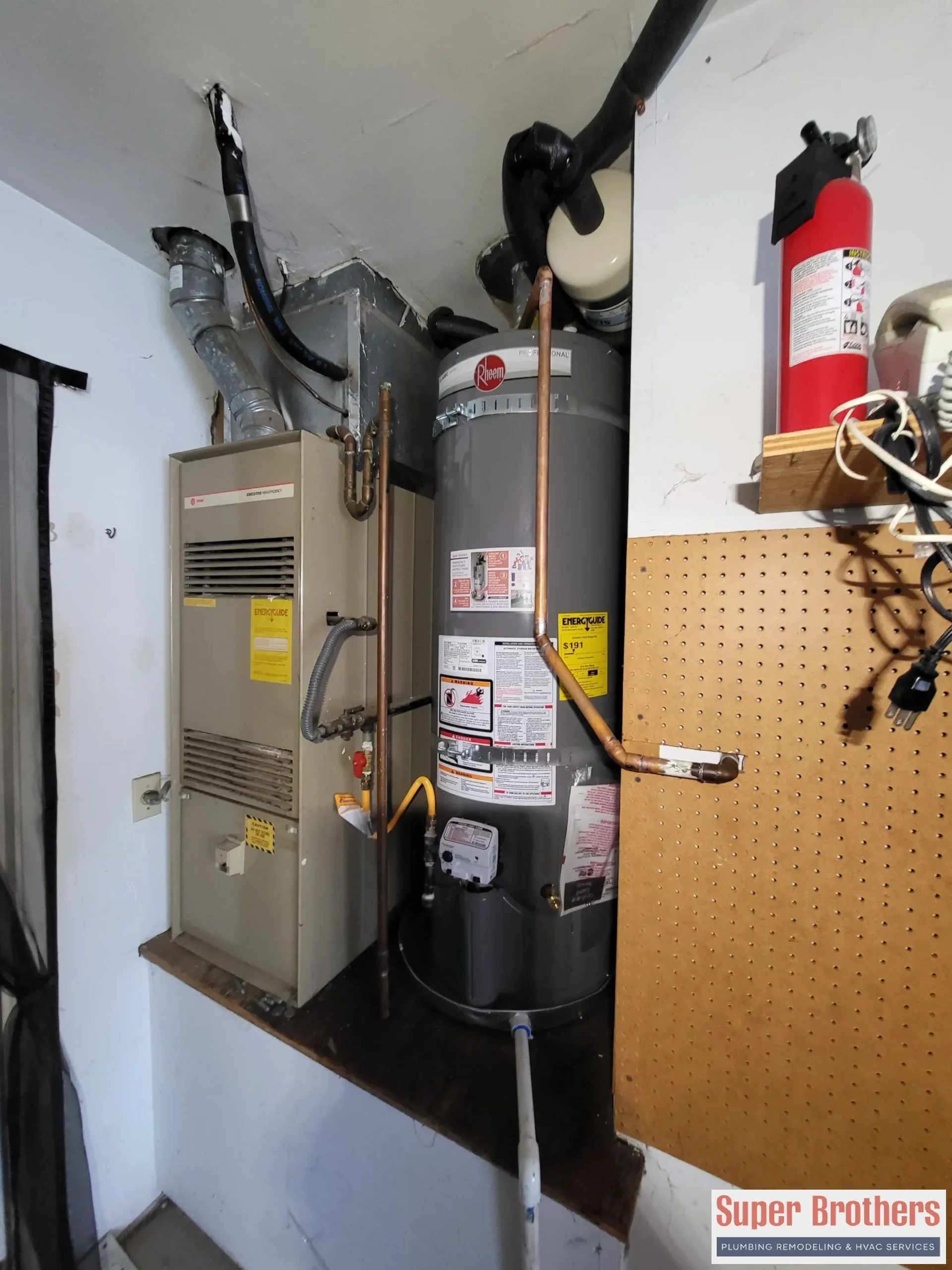
Getting the old water heater out of your home seems straightforward, but the details matter. An improper removal can leave behind sediment in the lines, damage nearby pipework, or create future leak points that only show up months later.
When a professional crew handles removal and haul away, they’re not just lifting a tank. They’re:
- Draining the tank correctly so heavy mineral buildup doesn’t get flushed into your home’s drain lines or sump system.
- Disconnecting gas, electric, and water lines safely without twisting, bending, or cracking nearby pipes or valves.
- Inspecting connection points and replacing worn or corroded fittings that could otherwise be left in place and fail later.
- Removing rust and debris from the installation area so the new heater sits on a clean, stable surface.
- Disposing of the old unit according to local recycling and disposal regulations.
Proper haul away matters because it closes the chapter on your old heater cleanly. You’re not building a new system on top of old, failing parts. You’re starting fresh, with no leftover sediment, corroded fittings, or half-removed components silently waiting to cause problems later in the season.
Energy Expense Improvement Begins the Same Month, Not the Same Year
An aging water heater is usually an inefficient one. Sediment at the bottom of the tank forces the burner or elements to work harder. Worn insulation around the tank lets heat escape faster. Older controls often run wider temperature swings than newer, more precise thermostats.
Those factors all show up on your energy bill, especially in colder months when the heater runs more often. Common signs your current unit is wasting energy include:
- Higher gas or electric bills even though your usage hasn’t changed
- Water that takes longer to heat up and reheat between uses
- The heater firing on and off frequently, even when no one is using hot water
A modern water heater, installed correctly and sized for your home, usually:
- Heats water faster and with less runtime
- Holds temperature longer thanks to improved tank insulation
- Maintains a consistent temperature without constant cycling
- Allows you to set a safe, accurate temperature instead of guessing
If you replace your water heater, you will start seeing benefits immediately. Instead of paying through the winter for an inefficient unit, you go into the coldest bills of the year with a system that isn’t wasting energy every time someone showers, does dishes, or runs laundry.
How a Replaced Water Heater Supports Every Fixture for Each Upcoming Month
The water heater is the starting point for every hot-water fixture and appliance in your home. When it’s failing, the symptoms show up everywhere—sometimes in ways homeowners don’t connect back to the heater.
A healthy, properly sized heater supports:
- Showers and tubs: Consistent hot water from start to finish, without sudden blasts of cold.
- Bathroom and kitchen faucets: Faster delivery of warm water, less waiting and running water down the drain.
- Dishwashers: Reliable hot-water supply so the unit can clean and sanitize properly.
- Clothes washers: Stable warm or hot cycles for better cleaning, especially in winter.
- Utility sinks and specialty fixtures: Predictable hot-water flow for cleaning, projects, and home maintenance.
When the heater is old and struggling, each of these fixtures starts compensating: longer run times, mixed temperatures, incomplete cleaning cycles, or needing to “wait a bit” for water to warm up. Installing a new heater now means every fixture goes into the winter months with a reliable source of hot water instead of limping through on borrowed time.
In simple terms: replace the heater this season, and your fixtures don’t have to recover later. They just work the way they were designed to work.
Spring, Seal and Corridor Modulation Logic – Why Installs Protect Rubber and Gasket Longevity
Every water heater relies on a set of small, inexpensive components—rubber washers, gasket seals, springs in valves, flexible connectors—that quietly keep water and pressure where they belong. These parts are under constant stress from temperature and pressure changes, especially in colder climates.
Over time, repeated hot-and-cold cycles:
- Dry out rubber parts and make them brittle
- Create fine cracks in gaskets and washers
- Weaken springs in shutoffs and pressure devices
- Loosen metal-to-rubber connection points around fittings and valves
That’s why delayed heater replacement in deep winter often leads to cascading wear: the old heater is stressed, the seals are tired, and the coldest weeks of the year push everything to its limit.
Installing a new water heater before winter changes that equation. You’re putting fresh seals, washers, and springs into service just before the heavy-load season, not halfway through it. Those new components:
- Have full elasticity and can absorb expansion and contraction without cracking
- Seat properly against clean, new metal surfaces
- Handle sudden temperature shifts without splitting or leaking
- Extend the life of the heater and the surrounding plumbing
Instead of patching a tired system with quick fixes during the coldest weeks, you go into winter with hardware that starts its life in a stable, controlled setup—not a recovery mode. That means fewer emergency calls, fewer surprise drips at valves, and better long-term reliability for pennies on the dollar compared to dealing with flood damage or mid-season failures.
Pressure Safety Reset Logic After Water Heater and PRV Combination Behavior Explained in Heat Physics
Water pressure safety is a system, not a single part. Your water heater, main shutoff, pressure reducing valve (PRV), expansion tank (if present), and distribution piping all interact with each other every time someone opens a tap.
When a water heater is aging and running outside its ideal range, it can:
- Allow pressure inside the tank to spike during heating cycles
- Cause the temperature and pressure relief valve (T&P) to drip or discharge
- Push excess pressure into downstream pipes and appliance hoses
- Trigger noisy pipes, banging, or “water hammer” effects
Replacing the water heater before peak winter restores stability at the source. A new unit with a properly functioning PRV and, where required, an expansion tank:
- Keeps incoming pressure at a safe, controlled level for the whole home
- Absorbs thermal expansion safely instead of forcing it into fixtures and hoses
- Reduces night-time and off-cycle pressure spikes
- Lowers stress on fittings, valves, and appliance connections
If you’re in an area with older plumbing or a mix of copper, PEX, and older hoses, this matters even more. A water heater replacement, paired with a quick check of your PRV and expansion components, resets pressure behavior for the entire system before freezing temperatures hit and pressure issues are at their worst.
What a Homeowner Gains
Booking a water heater replacement now is a practical decision. When you’re searching for “water heater replacement near me” or “same-day water heater install near you,” what you really want is simple:
- Hot water restored quickly
- No surprise leaks or flood damage
- A correct, code-compliant installation
- Fewer emergency calls in the middle of winter
Scheduling before the peak winter rush gives you better appointment options and more focused attention. Technicians are not racing from one burst tank to the next, and they have the time to:
- Evaluate your entire hot-water setup, not just swap the tank
- Replace aging valves and connectors that are close to failing
- Adjust temperature settings for safety and efficiency
- Answer questions about capacity, maintenance, and future upgrades
Instead of reacting to a failure in the middle of a cold snap, you’re choosing to get ahead of it. That decision shows up in fewer interruptions, lower stress, and a plumbing system that simply works when you need it to.
Book Your Water Heater Replacement Today
If your current water heater is older, noisy, slow to recover, or already showing signs of rust or moisture, it’s not “being picky” to replace it now—it’s protecting your home before the real problems start. Same-day installation and professional haul away mean the old unit is safely removed, the new heater is installed to current standards, and your hot water is back online in a single visit.
Contact your local plumbing and heating team today to schedule water heater replacement near you. Getting it done this month gives you:
- Reliable hot water for showers, dishes, and laundry all winter
- Lower risk of leaks, tank failure, or water damage
- Improved energy efficiency and more predictable bills
- A system that starts the season strong instead of barely hanging on
Book now, and your home goes into the colder months ready, not reactive.
Super Brothers Quality
Choose Super Brothers Plumbing Heating & Air because we use top-tier materials, deliver honest workmanship, and back every job with a real warranty. Our pricing is fair and transparent—no hidden fees, ever.
We pull the permits, build to California code, and pass inspection. Our licensed, highly experienced team handles full plumbing and heating/air replacements and installations, so the job’s done right the first time.
- Top-tier materials
- Honest, quality service
- Workmanship warranty
- Fair, transparent pricing (no hidden fees)
- Permits handled; California code compliant; passes inspection
- Licensed & experienced in plumbing and HVAC installs




Refer Friends, Reap Rewards
Share our expert plumbing services with friends and family. For every successful referral, you earn cash rewards. Refer Now

Ready To Experience Super Brothers Difference! Let’s Start a Conversation!
Related Services
Financing Options

Super Brothers offers an Installment Payment Plan with 0% Interest for Projects over $1000

Fin tech company that provides payment solutions in the home improvement sector.

Flexible financing for your next home improvement project

Wells Fargo Home Projects Credit Card