As the cold weather sets in, your furnace becomes one of the most important systems in your home. It keeps your family warm, protects your plumbing from freezing, and helps maintain a comfortable indoor environment. But if a furnace is neglected or not working correctly, it can also become a safety risk and a major source of stress and repair costs. In this guide, I explain in simple, straight forward language how your furnace works, what can go wrong, which tasks you can safely handle yourself, and when you should call a professional. I also share how my team can help you keep your system running safely and efficiently. When I talk about a furnace, I mean a household heating system designed to produce and distribute warm air throughout your home. It is usually located in a garage, closet, basement, or attic, and it connects to a network of ducts that carry heated air to each room. Most of the homes I work on use one of these common furnace types: While the fuel source may differ, the basic idea is the same: When everything is working properly, this cycle runs quietly in the background. When it is not, you may notice cold spots, unusual sounds, higher energy bills, or, in serious cases, safety issues such as gas leaks or carbon monoxide. My goal is to help you catch those issues long before they become dangerous.What I Mean by saying “Furnace”
I know it’s easy to forget about your furnace when it seems to be working fine. However, when I’m called out to emergency jobs, I often see the same pattern: years of deferred maintenance that finally catch up with the system. Ignoring furnace care can lead to: When I talk about furnace safety, I am not just talking about comfort. I am talking about protecting your health, your home, and your budget. The simple steps I walk you through here can prevent a lot of those “middle-of-the-night, no-heat” emergencies. Furnaces are built to be durable, but they are not maintenance-free. Let me walk you through some of the most common issues I run into on service calls: Your furnace filter is the first line of defense against dust, pet hair, and debris. When I find a filter that hasn’t been changed in months, it is usually completely clogged. This restricts airflow and forces the furnace to run longer and hotter, which: In extreme cases, I’ve seen badly clogged filters contribute to blower motor failures and damage to other components. A simple, cheap filter change can prevent a lot of that. Older gas furnaces may use a standing pilot light, while newer ones use electronic ignition. When I’m called out because “the furnace won’t start,” ignition problems are often the reason. Common causes include: These are not things I recommend homeowners try to fix themselves, because they involve gas and safety controls. That’s where I come in. Sometimes the furnace is fine—the thermostat is the problem. I often see thermostats that are miswired, failing, or just outdated. When that happens, the system may: A simple battery change, recalibration, or thermostat upgrade often solves these comfort issues quickly. A furnace has moving parts: blower motors, belts, bearings, and fans. Over time, I see these parts: During an annual tune-up, I can usually catch these issues early, lubricate parts where needed, and recommend replacement before they fail at the worst possible time. The heat exchanger is the part of a gas or oil furnace that separates combustion gases from the air blowing into your home. When I inspect a furnace, this is one of the first safety items I look at. If the heat exchanger is cracked, dangerous gases—including carbon monoxide—can mix with your indoor air. This is a serious safety issue. When I find a cracked heat exchanger, I shut the furnace down and talk with the homeowner about repair or replacement options. It is not something you can safely ignore or “keep running for one more season.” Modern high-efficiency furnaces often use PVC venting pipes, while older systems may use metal flues. When I see venting problems, it is often because pipes are blocked, disconnected, undersized, or damaged. This can: Venting is another area where I do not recommend DIY work. It’s directly tied to your safety. Furnace safety is mostly about consistent, basic care. You do not need to be a technician to handle many of these tasks, but you should know which jobs are safe for you and which you should leave to me or another trained professional. Before the heating season (early fall): During the heating season: End of the season (spring): Small changes in how your furnace behaves are often early clues that something is wrong. I always tell homeowners: do not wait until the system quits completely. Call a professional if you notice: If a CO detector sounds or you suspect a gas leak, leave the home immediately, call your gas company or 911, and then contact a qualified HVAC company. That’s the order I would follow in my own home. A big part of my job is helping homeowners understand what they can safely do on their own and what really needs a trained technician. Here is how I break it down. When you try complex repairs without the right training and tools, you can create serious safety risks and accidentally damage the system. When in doubt, I would rather you call me or another qualified technician than risk your safety. My team and I provide comprehensive furnace services throughout your local area. If you live in Sacramento, San Jose, Elk Grove, Roseville, Folsom, Rancho Cordova, or nearby communities, we are ready to help you keep your furnace safe and reliable. 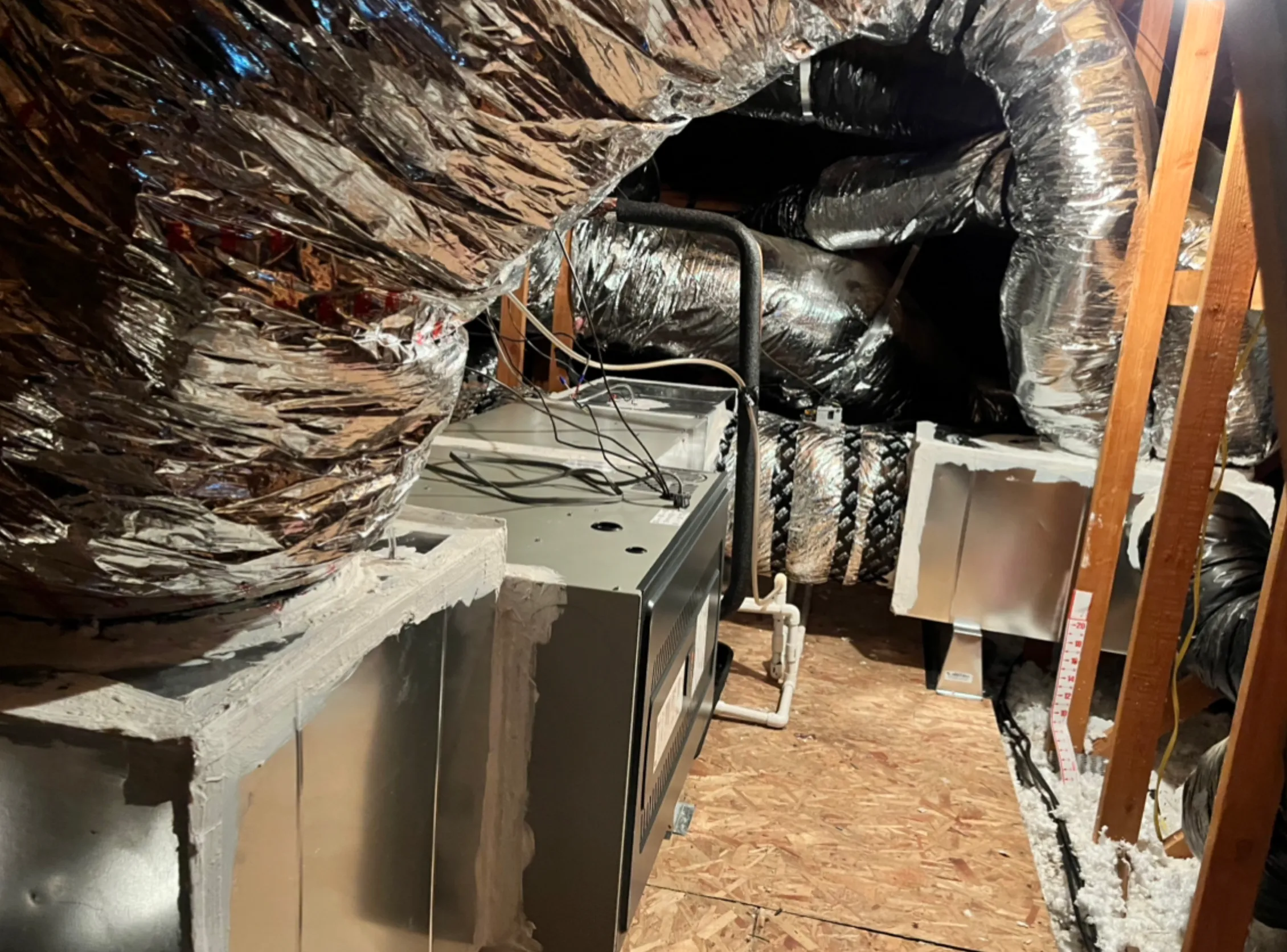
Why I Care So Much About Furnace Safety
Common Furnace Problems I See in Homes
1. Dirty or Clogged Filters
2. Pilot Light or Ignition Problems
3. Thermostat Malfunctions
4. Mechanical Wear and Tear
5. Cracked Heat Exchanger
6. Venting and Exhaust Issues
How I Recommend You Keep Your Furnace Safe
My Homeowner Furnace Safety Checklist
Key Safety Steps I Want Every Home to Take
Schedule annual inspections. We can spot worn parts, safety risks, and performance problems long before they turn into breakdowns.
Replace or clean furnace filters every 1–3 months. I recommend marking it on your calendar or setting a reminder on your phone so it does not get forgotten or choose one of our maintenance plans.
Make sure your thermostat responds when you adjust it. If you still have an old manual thermostat, I often recommend upgrading to a programmable or smart model for better comfort and efficiency.
Do not block vents with furniture or close too many registers. Restricting airflow can cause overheating and stress the system.
Place carbon monoxide (CO) detectors near sleeping areas and on each level of your home. I advise testing them monthly and replacing batteries at least once a year.
Sweep or vacuum around the furnace and keep the space open. This improves airflow and reduces fire risk.
For older furnaces with a visible flame, the pilot or burner flame should be steady and mostly blue. If I saw a yellow, orange, or flickering flame in my own home, I would call for service—and I recommend you do the same.Warning Signs I Don’t Want You to Ignore
What I Recommend You Do Yourself vs. Leave to a Pro
Tasks I’m Comfortable With You Doing Yourself
Tasks I Strongly Suggest You Leave to Professionals
How Super Brothers Helps Homeowners
What I and My Team Can Do for You
When I perform an inspection, I check heat exchangers, burners, venting, electrical connections, gas pressure, safety switches, and more. My goal is to make sure your system is operating safely and efficiently, not just “turning on.”
If your furnace stops working, makes loud noises, or you suspect a safety issue, my team provides fast, reliable repair service. I’ll diagnose the problem, explain your options in clear language, and get your heat back on as quickly as possible.
I can test your system for carbon monoxide leaks and verify that exhaust gases are leaving your home properly through the vent or flue.
I can recommend the right type of filter for your system and your home’s needs, and we can set up regular replacement as part of a maintenance plan if you want one.
When an older furnace becomes unreliable or unsafe, I’ll walk you through whether repair or replacement makes more sense. I explain the pros and cons, estimated costs, and potential savings so you can make a confident decision.
In my professional opinion, a full inspection and tune-up once a year is ideal, preferably before the start of the heating season. This helps me catch problems early, improve efficiency, and keep your warranty in good standing. I usually tell homeowners: every 1–3 months. If you have pets, allergies, or a lot of dust in the home, monthly changes are best. If you are using a thicker high-efficiency filter, follow the manufacturer’s recommendations, or ask me to take a look and advise you. Closing one or two vents is usually okay, but closing too many can increase pressure in the ducts and cause the furnace to overheat or cycle improperly. I generally recommend keeping most vents open and using your thermostat or zoning for control. Yes, and I can’t stress that enough. If you have any fuel-burning appliances (gas furnace, gas water heater, gas stove, fireplace, etc.), carbon monoxide detectors are essential. They are inexpensive, easy to install, and can literally save lives. Here’s what I would do in my own home: treat it as an emergency. Do not use open flames or operate electrical switches. Leave the home immediately and call your gas company or emergency services from outside. Once the gas company has made things safe, call an HVAC professional to inspect and repair the system. From my experience, it may be smarter to replace rather than repair when: When I evaluate your system, I’ll help you compare repair costs with the benefits of a newer, more efficient unit so you can decide what is best for your home and budget. Furnace safety is not complicated, but it does require consistency. If you understand the basics of how your furnace works, pay attention to warning signs, and follow a simple maintenance routine, you can avoid many of the breakdowns and safety issues I see every winter. Change your filters regularly, keep the area around your furnace clear, install and test carbon monoxide detectors, and schedule a professional inspection every year. These are the same steps I’d want my own family to follow—they help protect your health, your home, and your heating budget. If you want expert help keeping your furnace safe and efficient, I invite you to reach out! My team and I can inspect, maintain, repair, or replace your furnace and give you clear, honest recommendations in simple, easy-to-understand language. Take care of your furnace now, and it will take care of you when you need it most.
Questions I’m Often Asked About Furnace Safety
How often should I have my furnace professionally inspected?
How often should I change my furnace filter?
Is it safe to close vents in rooms I don’t use?
Do I really need carbon monoxide detectors?
What should I do if I smell gas near my furnace?
When is it time to replace an old furnace?
My Final Advice: Stay Warm, Stay Safe
Super Brothers Quality
Choose Super Brothers Plumbing Heating & Air because we use top-tier materials, deliver honest workmanship, and back every job with a real warranty. Our pricing is fair and transparent—no hidden fees, ever.
We pull the right permits, build to California code, and pass inspection. Our licensed, highly experienced team handles full plumbing and heating/air replacements and installations, so the job’s done right the first time.
- Top-tier materials
- Honest, quality service
- Workmanship warranty
- Fair, transparent pricing (no hidden fees)
- Permits handled; California code compliant; passes inspection
- Licensed & experienced in plumbing and HVAC installs



Refer Friends, Reap Rewards
Share our expert plumbing services with friends and family. For every successful referral, you earn cash rewards. Refer Now

Ready To Experience Super Brothers Difference! Let’s Start a Conversation!
Financing Options
Super Brothers offers an Installment Payment Plan with 0% Interest for Projects over $1000

Fin tech company that provides payment solutions in the home improvement sector.
Flexible financing for your next home improvement project
Wells Fargo Home Projects Credit Card