Keep the drip for your espresso—not your ceiling. Here’s a clear, plain‑English walkthrough of what a real plumbing inspection covers, when to book one, what it costs, and how it protects your home value in Sacramento and across the Bay Area.
Why plumbing inspections matter
Think of a plumbing inspection like a routine check‑up for your house. It’s not glamorous, but it saves headaches, cash, and Saturday mornings. A small leak behind a wall can snowball into drywall damage, mold, and a “why is my water bill a car payment?” moment. An inspection catches the early warning signs.
In Sacramento’s heat and the Bay Area’s mix of coastal moisture and microclimates, pipes expand, contract, corrode, and shift. Tree roots sneak into sewer lines. High water pressure can beat up fixtures. Older neighborhoods—from Midtown & East Sac to Oakland’s Temescal or San Jose’s Willow Glen—still run on older piping that needs an extra set of eyes.
Bottom line: inspections prevent the expensive stuff. They help your home run quietly in the background—no drama, no surprise indoor waterfalls.
What a pro actually checks
Every company has its own checklist. Here’s what a thorough whole‑home inspection typically covers around Sacramento and the Bay Area.
1) Fixtures & drains (every sink, tub, shower, toilet)
- Check for leaks, slow drains, double‑flushing, rocking toilets, worn wax rings, or weak flush.
- Run and listen—gurgling usually means venting issues or partial clogs.
- Look for corrosion on supply lines and shut‑off valves; braided steel beats old plastic every time.
2) Water pressure & flow
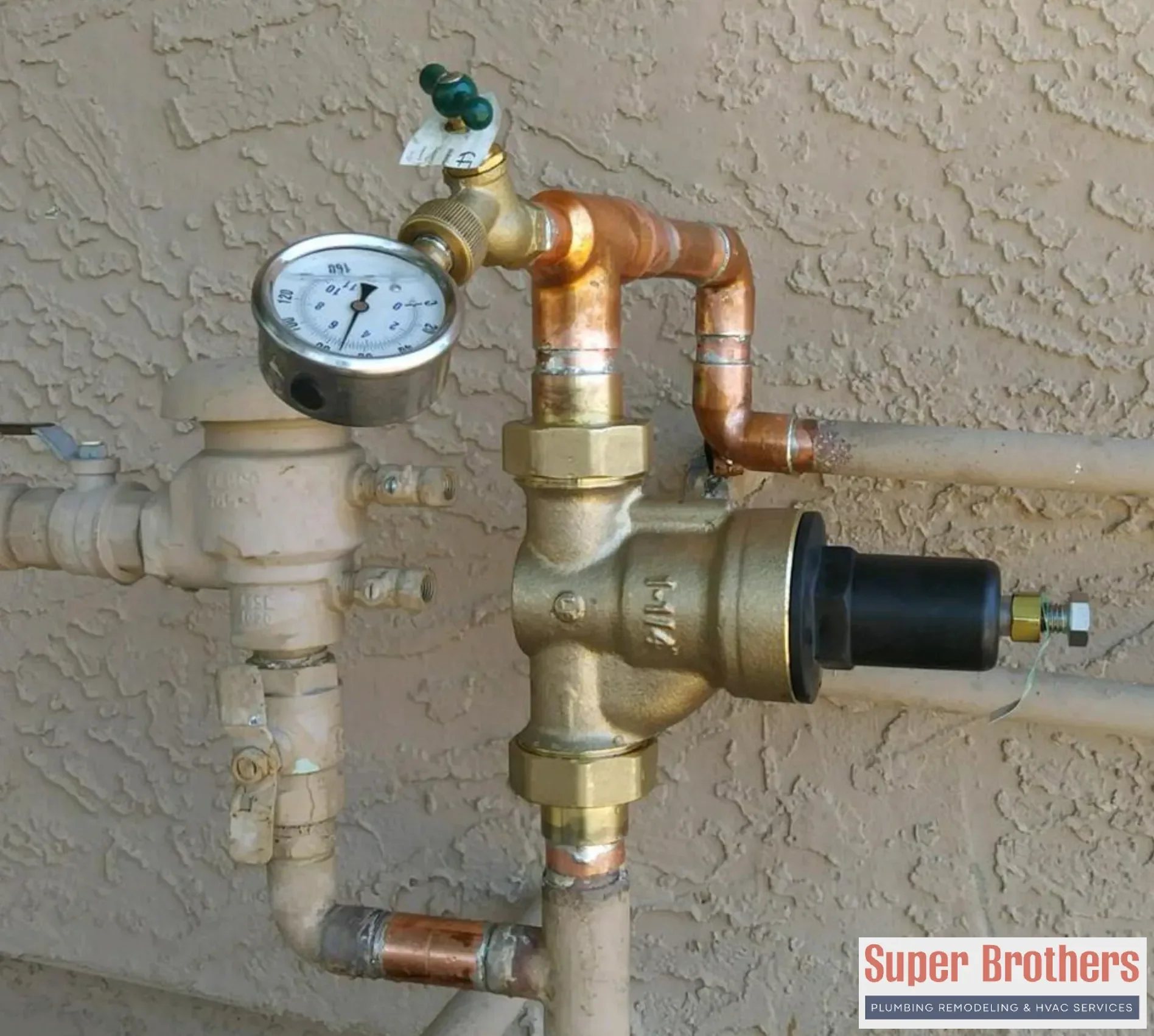
- Measure static pressure at a hose bib. Ideal sweet spot is usually ~55–70 PSI in most homes.
- If pressure is high (common in pockets of Elk Grove, Folsom, Walnut Creek, etc.), a pressure‑reducing valve (PRV) protects your fixtures and water heater.
3) Main shut‑off & emergency access
- Confirm your main shut‑off is working and labeled. In a burst, seconds matter.
- We’ll note if you need a handle replacement or a cleaner path to reach it.
4) Water heater
- Safety: earthquake strapping (California), proper venting, drip pan & drain, and T&P relief valve routing.
- Performance: age, sediment build‑up (hard water is common here), burner/element health, expansion tank if you have a PRV.
5) Supply piping
- Look for telltale signs of aging: pitting on copper, brittle galvanized, questionable fittings, or unsupported runs.
- In crawlspaces, we check for stains, leaks, insulation gaps, and contact with sharp edges.
6) Drains, traps & venting
- We test for proper traps, slope, signs of past backups, and venting that prevents those “glug glug” sounds.
- Older houses sometimes hide S‑traps or drum traps that should be updated.
7) The sewer line (and why cameras are clutch)
- We recommend camera inspections—especially in older neighborhoods or homes with mature trees.
- We can see cracks, bellies (sagging), roots, and oddball materials you wouldn’t expect.
8) Exterior, irrigation & backflow (if present)
- Check hose bibs, anti‑siphon devices, and any visible irrigation connections.
- Some properties have backflow preventers that need periodic testing by certified pros.
Add‑on tests worth considering
Depending on your home’s age and symptoms, a few add‑ons make sense:
- Sewer camera inspection: The classic add‑on. Saves buyers and sellers from expensive surprises.
- Leak detection (acoustic/thermal): Useful for suspected slab leaks or mystery moisture.
- Hydrostatic testing (targeted): Specialized—used when serious drain issues are suspected.
- Water quality/hardness check: Helps decide on softening or filtration, especially with hard water.
- Smart leak monitoring install: Automatic shutoff devices catch burst lines while you’re at work or away.
When to book in Sacramento & the Bay
Timing is everything. Here’s our practical take for local homes:
- Annual: For older homes or if you’ve had leaks before.
- Every 2–3 years: For newer builds with stable track records.
- Before listing or buying: Non‑negotiable. Protects everyone’s sanity in escrow.
- After weird signals: Spiking water bill, damp floors, slow drains, sewer smells, or low/hot‑cold pressure issues.
- Post‑remodel: Verify the work, especially when walls close up.
- Before the rainy season: In the Bay and Sacramento Valley, fall is a smart time to make sure drains behave.
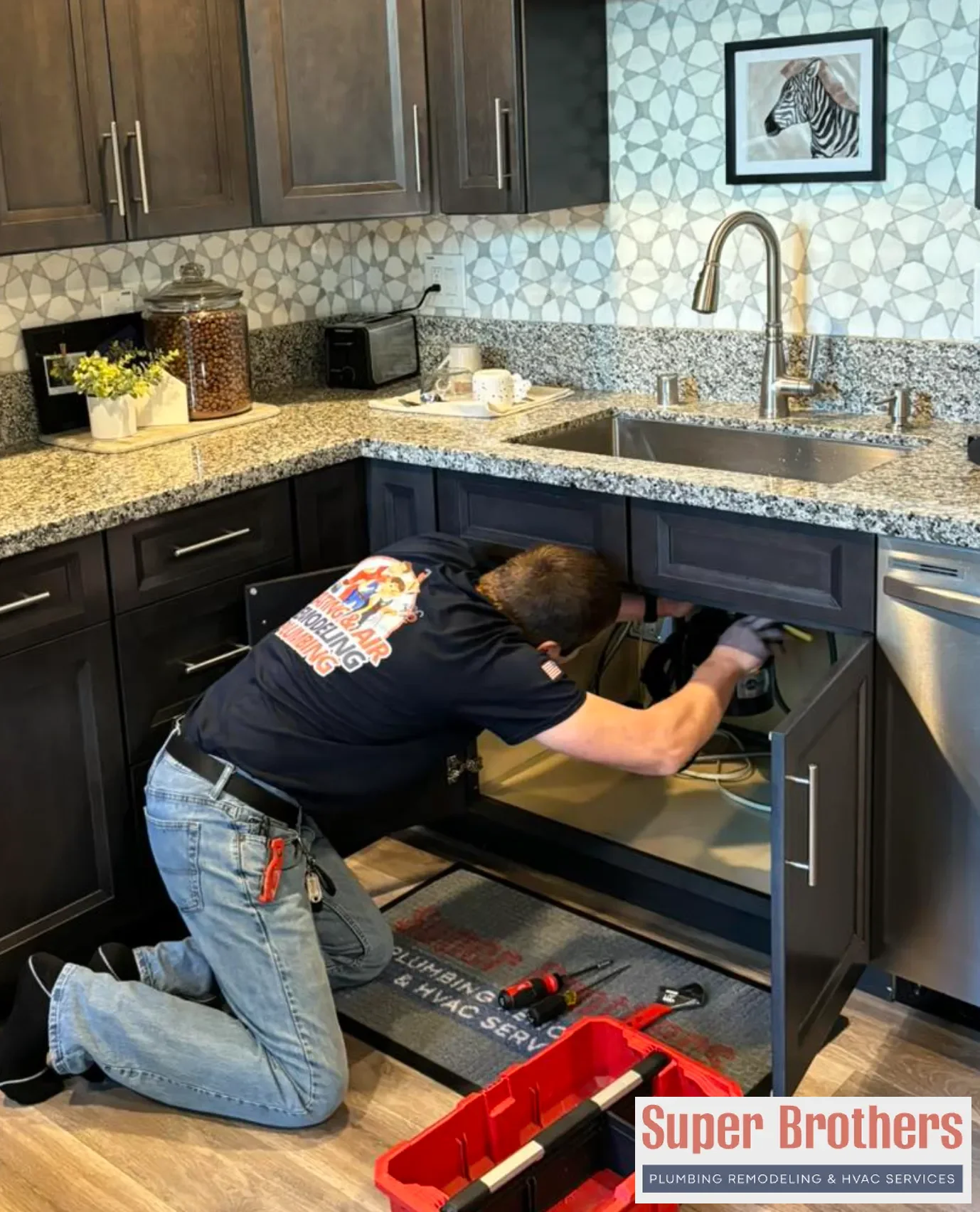
Local plumbing quirks we see all the time
Every region has a personality. Here are patterns we bump into across Sacramento and the Bay Area:
- Expansive soils & slabs: Sacramento Valley soils move with moisture. That movement can stress slab‑on‑grade plumbing and cause pinhole leaks.
- Tree root pressure: From Midtown Sacramento’s canopy to Berkeley and Palo Alto streets, roots love older clay and brittle lines.
- Mixed‑era piping: In areas with 1940s–1970s housing, we still encounter galvanized steel, cast iron, and sometimes fiber pipes (often called “Orangeburg”). These materials age out.
- High pressure pockets: Parts of the East Bay and suburbs like Folsom or Roseville occasionally run hot on pressure. That’s rough on fixtures unless you’ve got a functioning PRV.
- Hard water: Mineral scale shortens water heater life and chokes aerators and showerheads. Maintenance goes a long way.
- Retrofits: Water heaters need proper seismic straps in California, and venting must be correct—no shortcuts.
What it usually costs (and why)
Pricing depends on the size of your home, access (crawlspace vs. slab), and whether you add camera work. Typical ranges we see in the region:
- Basic whole‑home inspection: roughly $150–$250 for most single‑family homes.
- Whole‑home + sewer camera package: roughly $350–$700 depending on access and length of the line.
- Standalone sewer camera: roughly $250–$500, including a video and written summary.
- Special testing (leak detection, hydrostatic): priced after we see the situation on site.
Remember, an inspection is like an oil change for your house—it’s cheaper than an engine rebuild. Catching a failing PRV, a slow slab leak, or a root‑invaded lateral early can save thousands.
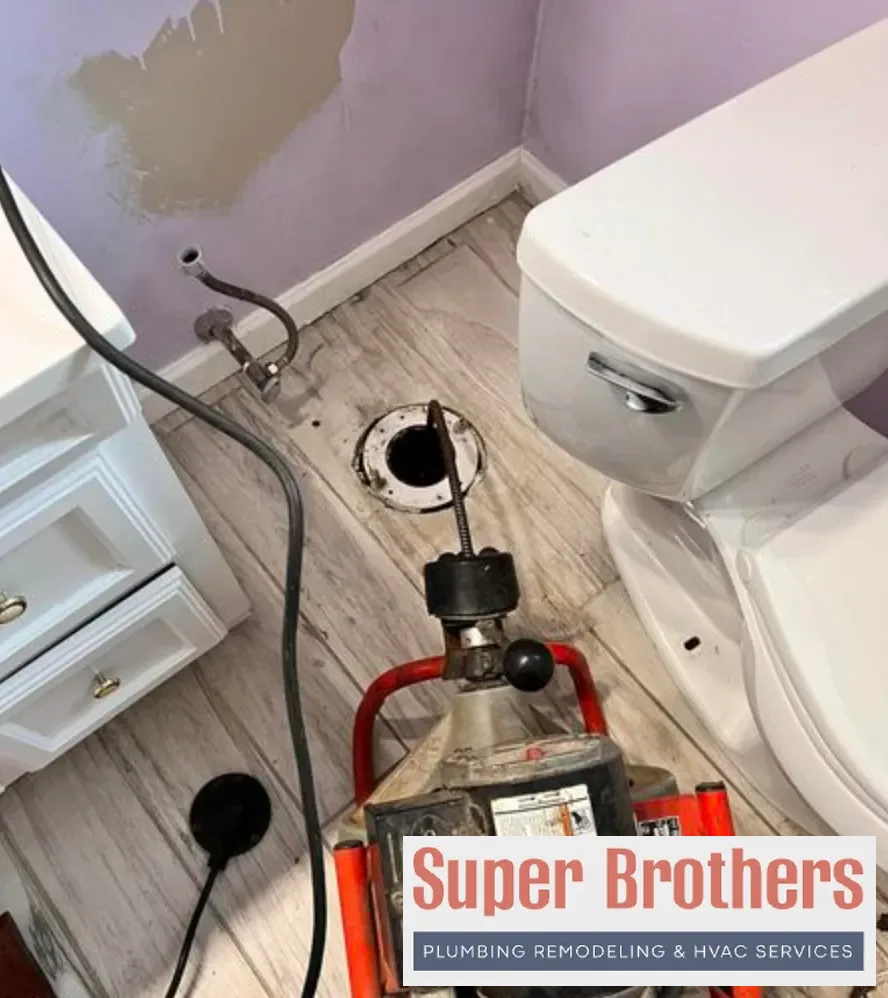
What happens during your visit
- Kickoff chat (5 minutes): We listen for symptoms you’ve noticed—noises, smells, low pressure, slow drains.
- Walkthrough & testing: We run fixtures, check pressure, inspect visible piping, and look inside cabinets and crawlspaces (if accessible).
- Water heater check: Safety first, then performance.
- Drain checks: We run water, test traps and venting, and note any slow areas.
- Sewer camera (if included): We scope from the cleanout and record video.
- Wrap‑up: We summarize what’s urgent, what’s “fix soon,” and what can wait. You’ll get a written report with photos.
Reading your report without stress
A good report is clear and prioritized. Expect three buckets:
- Safety/Urgent: Active leaks, gas or venting problems at the water heater, dangerously high pressure.
- Fix Soon: Worn supply lines, sticky shut‑offs, minor drain issues, missing drip pans.
- Monitor/Plan: Aging water heater, older piping that’s still serviceable, upgrades to consider.
You’ll also see pressure readings, water heater data, fixture notes, and (if scoped) a sewer video link. Keep this report—buyers, insurers, and future you will appreciate it.
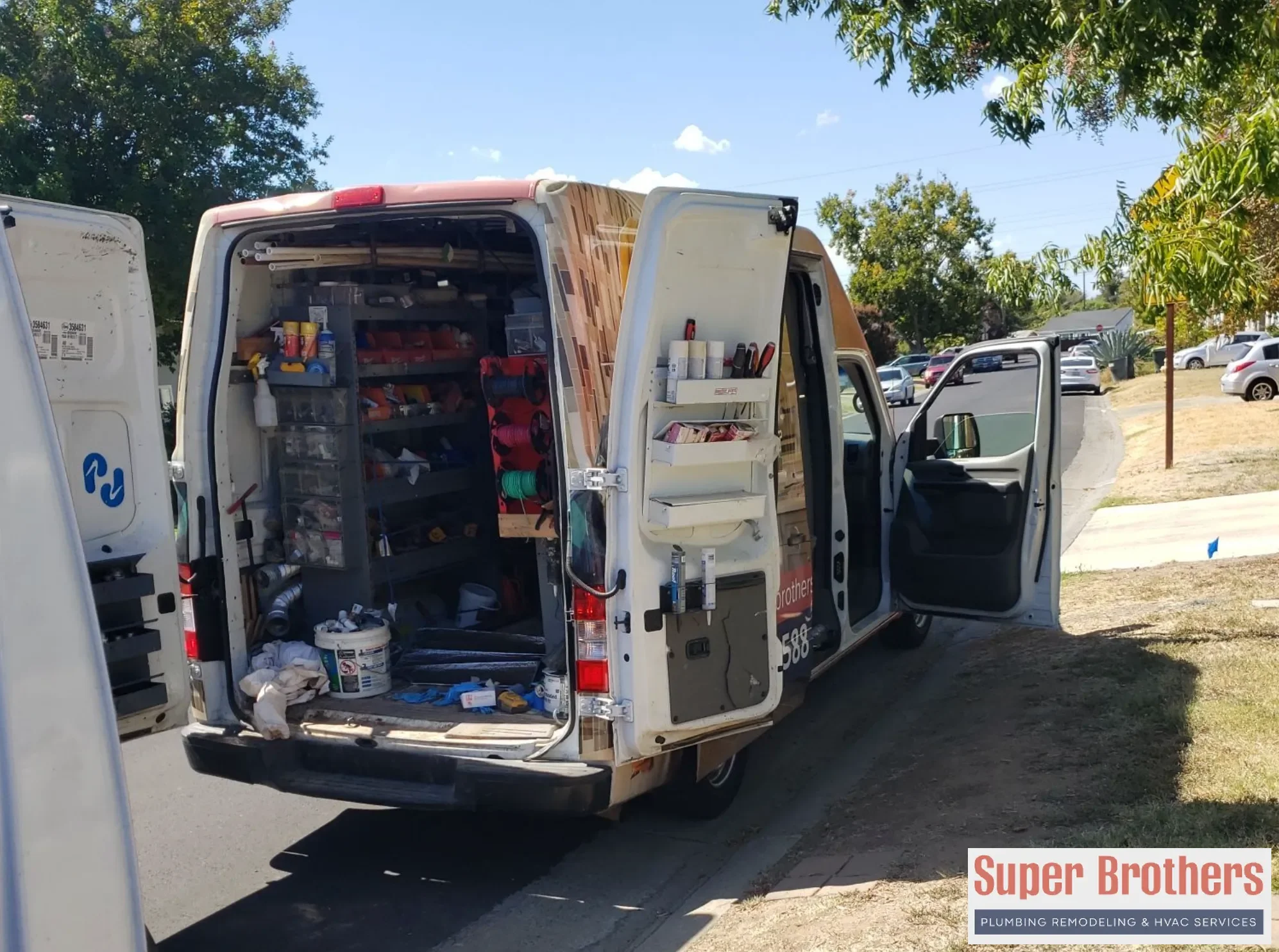
Simple DIY between pro visits
No need to become a plumber—these quick habits go far:
- Watch the bill: A surprise spike often means a hidden leak.
- Meter check: Turn off fixtures and see if the meter still moves. Movement = mystery use.
- Look under sinks monthly: Feel for moisture and check for green/white crusty corrosion.
- Clean aerators & showerheads: Mineral buildup kills flow. A quick soak brings it back.
- Avoid chemical drain cleaners: They’re rough on pipes and not great for the environment. Use a drain snake or call us for safe clearing.
- Know your shut‑offs: Practice closing and opening the main valve and individual fixture valves.
- Water heater TLC: Keep clear space around it; if you see rust, moisture, or scorch marks, call us.
Preventive upgrades that pay off
- Pressure‑reducing valve (PRV): Protects fixtures from high municipal pressure. Add an expansion tank if needed.
- Braided supply lines & fresh shut‑offs: Cheap insurance for every toilet and sink.
- Smart leak monitor with auto shutoff: Like a smoke detector for water. Great for frequent travelers and landlords.
- Water filtration/softening (case‑by‑case): Helps with hard water and taste; extends appliance life.
- Pro drain cleaning & maintenance: Gentle methods (no harsh chemicals) keep lines moving.
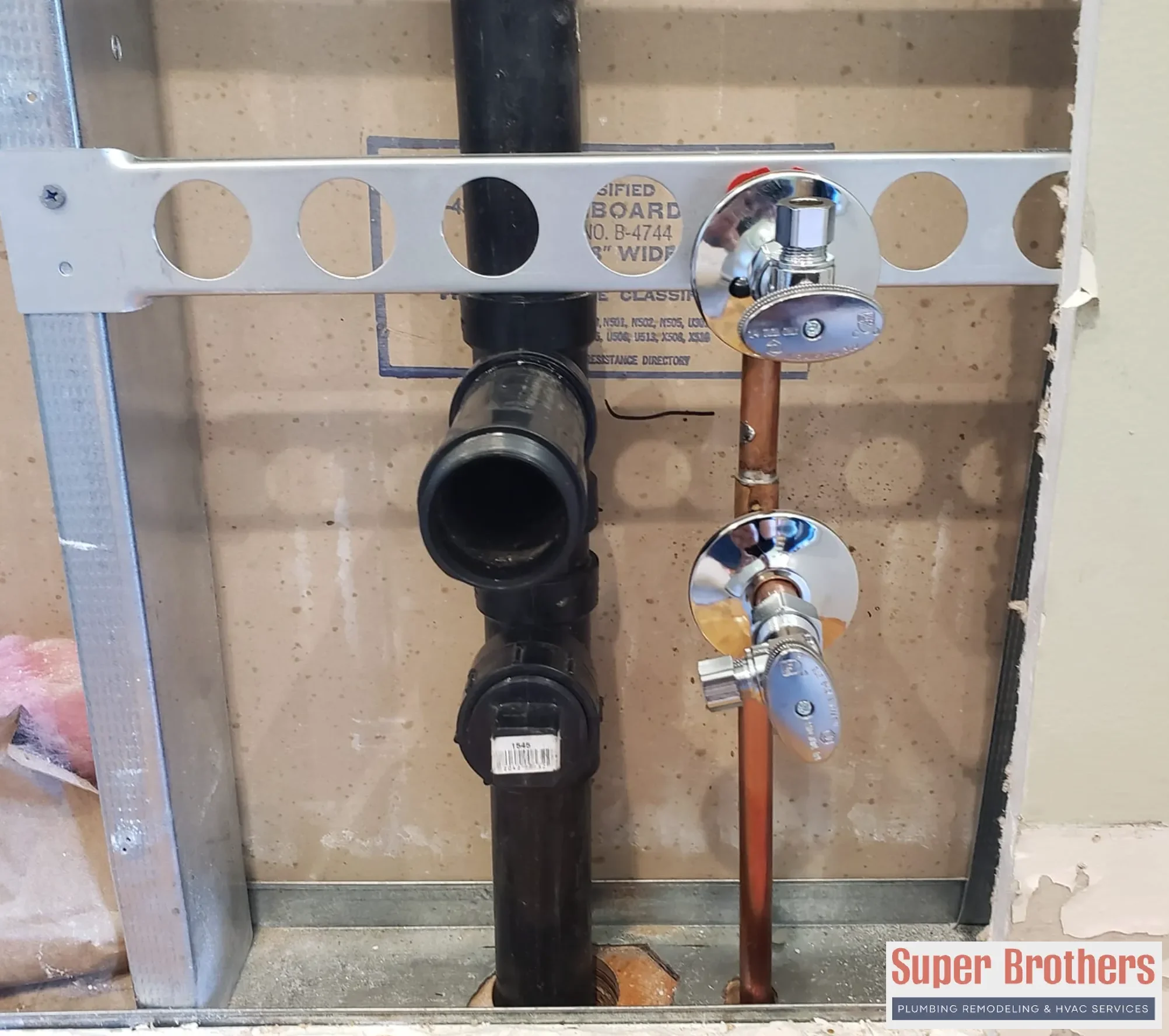
For home buyers & sellers
If you’re buying
- Ask for a plumbing inspection separate from the general home inspection.
- Get the sewer line scoped; it’s the most expensive surprise if ignored.
- Use the findings to negotiate repairs or credits while you still can.
If you’re selling
- Pre‑listing inspections reduce renegotiations and build buyer confidence.
- Fix the “low‑hanging fruit”—dripping faucets, worn supply lines, missing straps.
- Share the report and receipts. Transparency sells.
Sewer camera inspections—no mystery, just facts
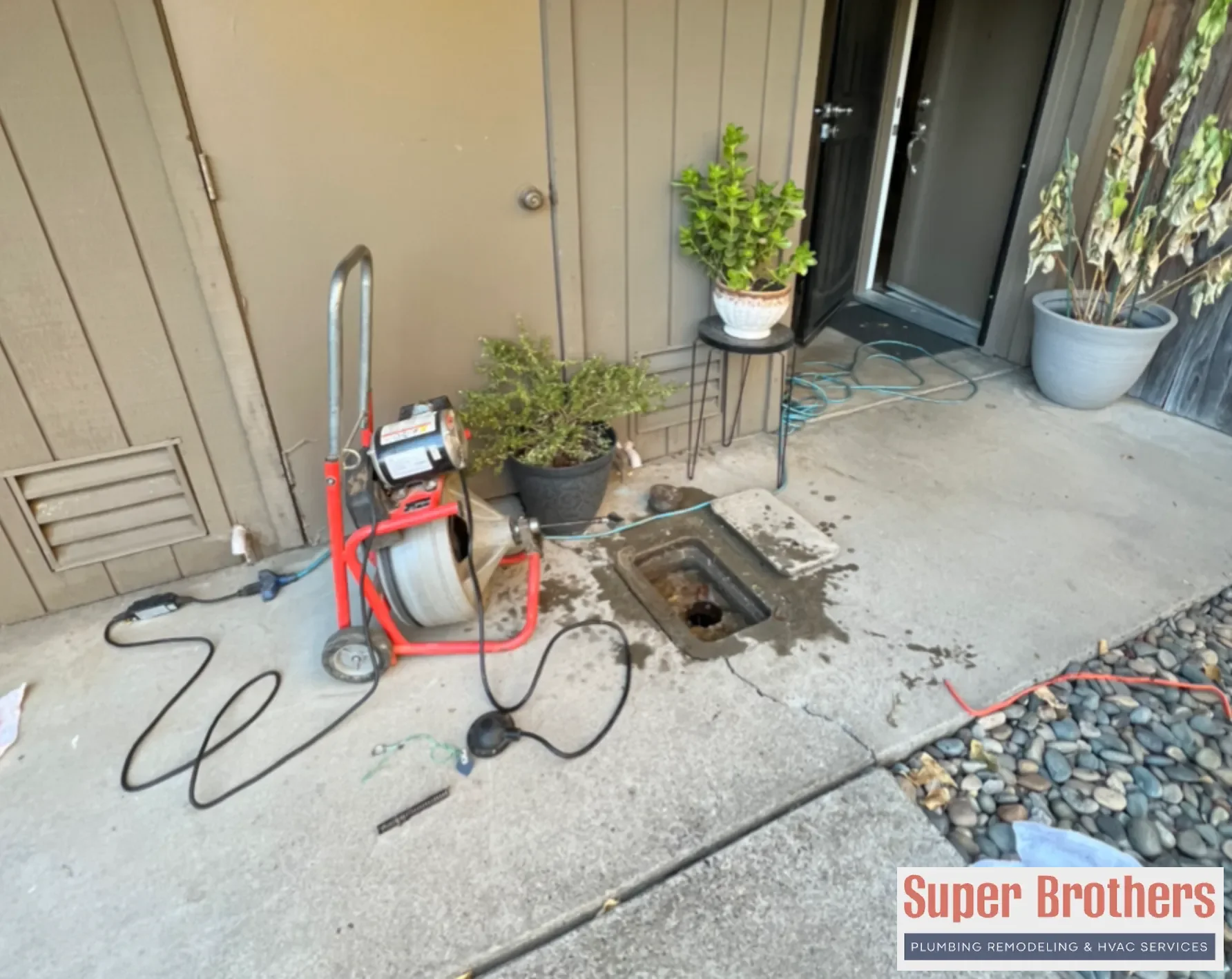
Out of sight, but not out of mind. The building’s main drain—your lateral—moves everything to the city line. Camera inspections show the truth inside that pipe. We’re looking for:
- Roots: Common near mature trees in East Sac, Land Park, Berkeley, Palo Alto, and older Bay suburbs.
- Cracks & offsets: Pipes shift with time and soil movement.
- Bellies: A sag that holds water and solids—future clogs live here.
- Aged materials: Some mid‑century homes still have materials that are simply at end‑of‑life.
You get a video file and still photos with timestamps. If repairs are needed, we’ll outline options—from targeted spot repairs to trenchless replacement where feasible.
How to prep in 10 minutes
- Clear space around sinks, the water heater, and the main shut‑off.
- Unlock side yards and gates; put pets in a safe room.
- If you’ve noticed problems, jot them down so we can target testing.
- Have a cleanout location in mind (if you know it) for sewer scoping.
Quick FAQ
- How often should I get a plumbing inspection?
- Annually for older homes or if you’ve had issues; every 2–3 years for newer places with clean history.
- How long does an inspection take?
- About 60–120 minutes for a typical single‑family home. Add time if we’re scoping the sewer.
- Do I need to be home?
- Yes—so we can access fixtures, answer questions, and walk the findings together.
- Is a camera inspection always required?
- No, but it’s strongly recommended on older homes, tree‑heavy lots, or any house with slow drains or past backups.
- Will you open walls?
- No. Inspections are non‑invasive. If we suspect a hidden leak, we’ll discuss safe next steps.
- Can you fix issues the same day?
- For many small items, yes—supply lines, shut‑offs, minor leaks. Larger work is scheduled.
- Do you inspect condos and townhomes?
- Yes. Just note that HOA rules may limit what’s inside your unit vs. common areas.
- What about permits?
- Inspections don’t need permits. Repairs may—especially water heaters or re‑pipes. We’ll guide you.
- Do you work in my area?
- We cover the Sacramento region (East Sac, Midtown, Land Park, Elk Grove, Folsom, Roseville, and more) and the Bay Area (San Francisco, Oakland, Berkeley, Walnut Creek, San Jose, and nearby cities).
- Are chemical drain cleaners okay?
- We don’t recommend them. They can damage pipes and rarely solve the real issue. Safer clearing methods work better.
Ready to book?
Whether you’re buying, selling, or just keeping things tidy, a plumbing inspection keeps your home quiet and your budget happy.
Serving Sacramento & the greater Bay Area.
Inspection Package Snapshot
Package What’s Included Best For Basic Whole‑Home Full fixture check, pressure test, visible supply & drain review, water heater safety/performance, written report with photos. Annual/bi‑annual maintenance; newer homes; landlords between tenants. Whole‑Home + Sewer Camera Basic package plus full sewer scope with video and findings. Home buyers/sellers; older homes; properties with mature trees. Targeted Diagnostics Leak detection, hydrostatic testing, or water quality testing as needed. Unexplained moisture, slab suspicions, recurring clogs, taste/scale issues.

Super Brothers Quality
Choose Super Brothers Plumbing Heating & Air because we use top-tier materials, deliver honest workmanship, and back every job with a real warranty. Our pricing is fair and transparent—no hidden fees, ever.
We pull the permits, build to California code, and pass inspection. Our licensed, highly experienced team handles full plumbing and heating/air replacements and installations, so the job’s done right the first time.
- Top-tier materials
- Honest, quality service
- Workmanship warranty
- Fair, transparent pricing (no hidden fees)
- Permits handled; California code compliant; passes inspection
- Licensed & experienced in plumbing and HVAC installs




Refer Friends, Reap Rewards

Share our expert plumbing services with friends and family. For every successful referral, you earn cash rewards. Refer Now

Ready To Experience Super Brothers Difference! Let’s Start a Conversation!
Financing Options
Super Brothers offers an Installment Payment Plan with 0% Interest for Projects over $1000

Fin tech company that provides payment solutions in the home improvement sector.

Flexible financing for your next home improvement project

Wells Fargo Home Projects Credit Card