If you have ever stood in ankle deep water asking, “Why won’t my bathtub drain?” you are in very good company. This is one of those home problems that starts small, then suddenly feels personal when your relaxing bath turns into a tiny swamp. The good news is that most tub drain problems start with simple buildup, and many of them can be fixed without turning your bathroom into a full weekend project.
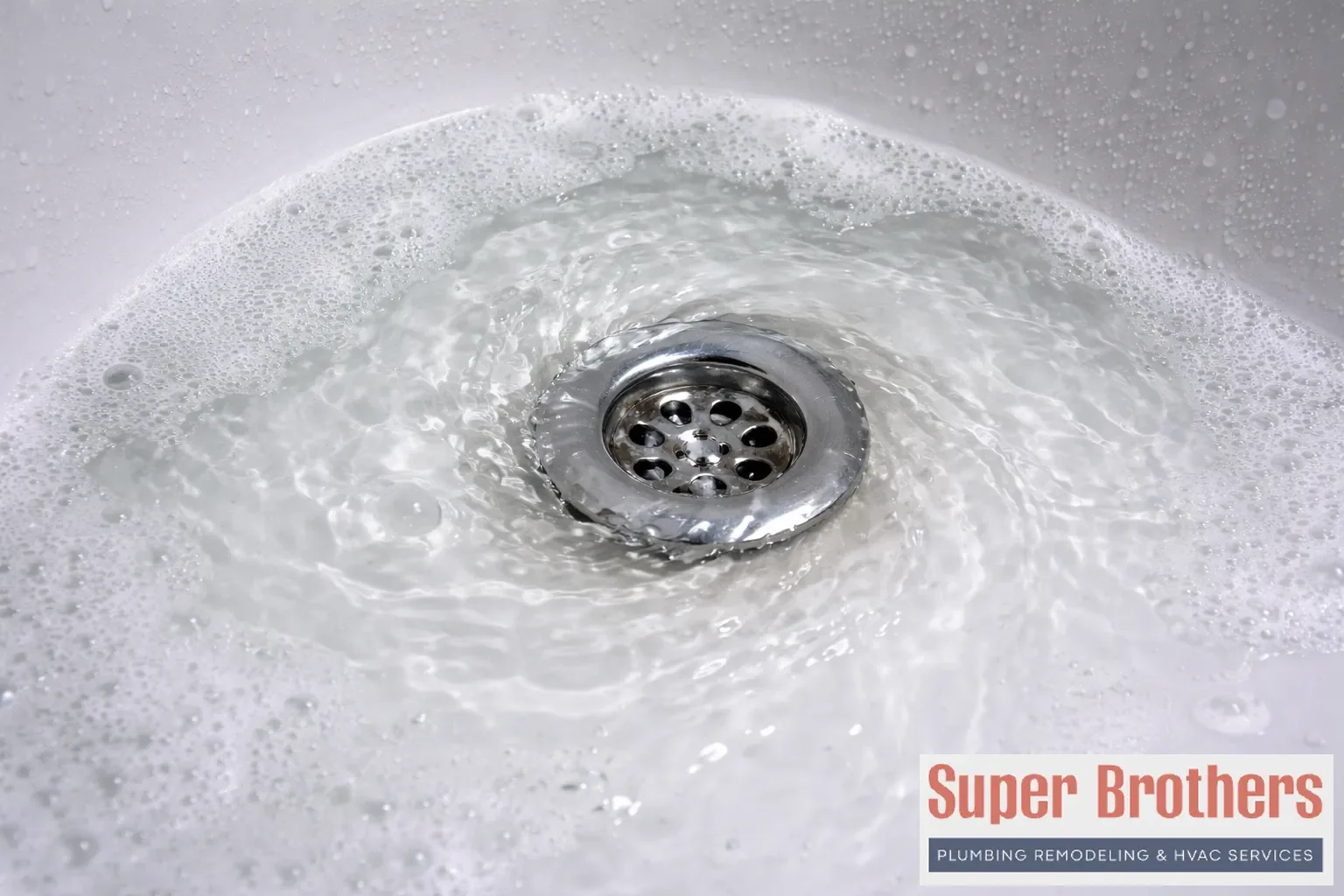
A bathtub drain usually slows down before it fully quits. Water takes longer to disappear, you notice a little gurgling, and then one day the tub starts holding water like it pays rent. That slow creep matters because it usually means the clog has been building up for a while, not showing up out of nowhere.[1]
In most homes, the biggest troublemakers are hair, soap scum, and gunk that clings to the drain parts near the top. Sometimes the stopper itself is part of the mess, especially if it is packed with hair or sitting too low. It is not glamorous, but this is usually where the mystery starts.[1][2]
What is usually causing the problem
Hair is the headliner here, and not in a fun concert way. A few strands here and there do not seem like a big deal, but once they mix with soap residue, oils, shaving cream, and everyday bathroom dust, they can turn into a sticky knot that grabs more debris every week. It is basically the world’s grossest snowball effect.
Soap scum makes things worse because it coats the inside of the drain and gives hair something to cling to. In homes with mineral heavy water, that buildup can get thicker and harder over time. So even if the main clog started with hair, the soap and mineral residue often make it stubborn.
The stopper can also be the hidden villain. By the time you are asking, “Why won’t my bathtub drain?” there is a decent chance the stopper or linkage has become part of the blockage. Some stoppers unscrew or lift out for cleaning, and once they do, people often discover a whole science experiment wrapped around them.[2][3]
Older homes can add one more twist to the story. If the drain line has years of buildup inside it, the clog may be deeper than the first few inches you can reach by hand. That does not always mean a major plumbing failure, but it does mean the easy fix may not fully solve it.
How to tell whether it is a simple clog or a bigger plumbing issue
A plain old bathtub clog usually acts local. The tub drains slowly, maybe smells a little stale, and holds water longer than it should. Once you clear the blockage near the drain, the problem is often gone.
A deeper issue tends to come with extra clues. You may hear bubbling, notice bad odors that keep coming back, or see water backing up in another fixture. If your bathroom starts acting like all the drains are in a group chat together, the problem may be farther down the line.[1]
- The problem is usually a local tub clog if only the bathtub is slow.
- The problem may be deeper if the sink, toilet, or shower is acting up too.
- A stopper packed with hair points to a very fixable top-of-drain blockage.
- Recurring gurgling and backup after cleaning often means it is time for a plumber.
That is an important distinction because it saves time. A shallow clog responds to simple cleanup, plunging, or a small drain tool. A deeper line problem can keep coming back no matter how many home remedies you throw at it.
What to try first before you call anyone
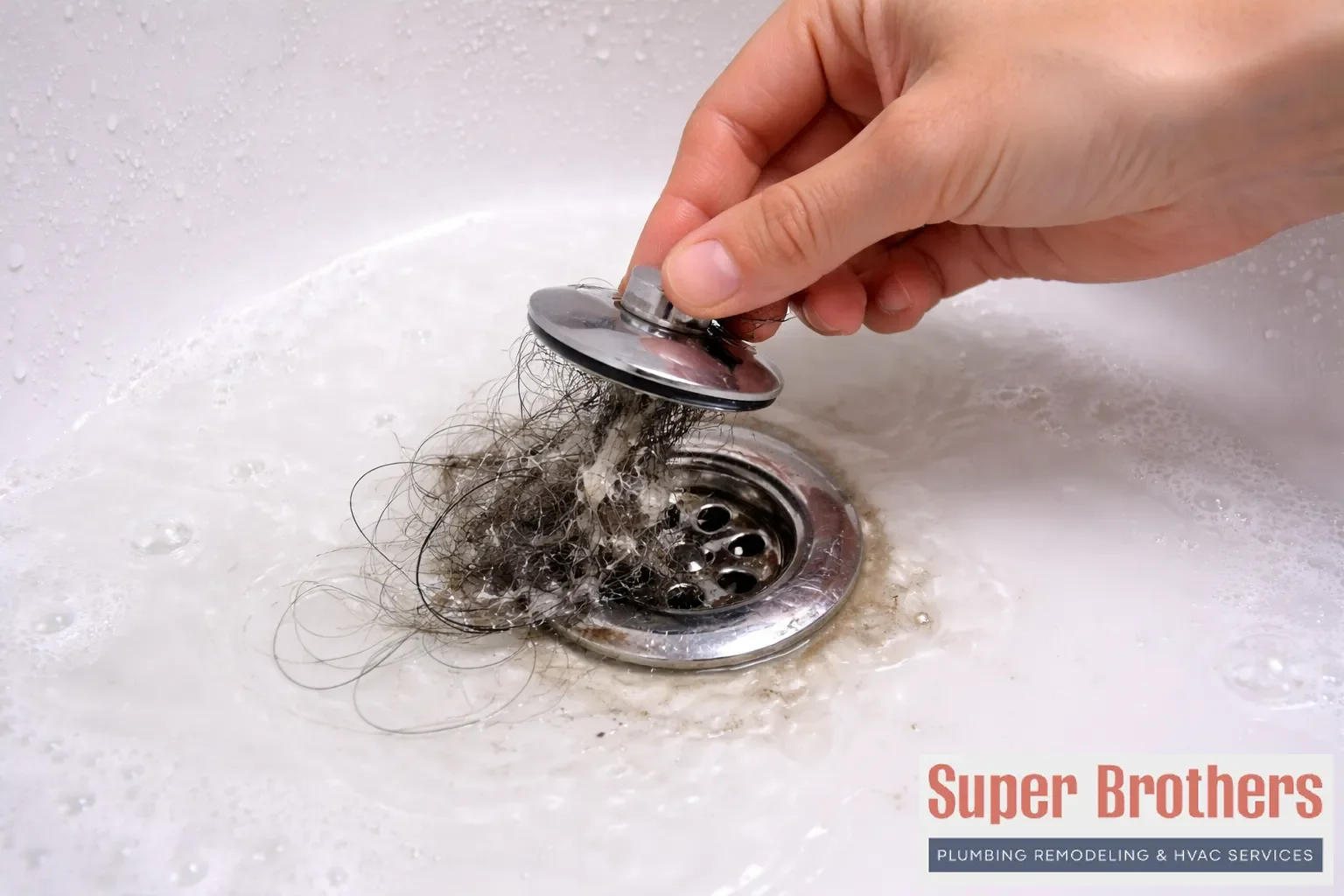
Start with the least dramatic move, take a look at the drain opening and the stopper. A lot of people ask, “Why won’t my bathtub drain?” and the answer is sitting right there in plain sight, wrapped around the stopper like it has been building a nest. If your stopper can be removed, clean it first and clear any visible gunk around the opening.[2][3]
Next, try flushing the drain with hot water if the tub material and plumbing allow for it. Hot water can help soften light soap buildup and move loosened residue along, especially when the drain is slow but not fully blocked. It is not a miracle move, but for minor clogs it can help more than people expect.[1]
If that does not get things moving, a plunger is worth trying. The trick is to create a seal and use steady pressure instead of going full action movie mode. For tub drains, covering the overflow opening helps the plunger actually do its job.[1]
A small drain snake or plastic hair tool is often the best next step. It can reach below the drain opening and pull out the stuff your fingers cannot grab. This is usually the part where homeowners learn two things at once, first, the clog was closer than expected, and second, they wish they had worn better gloves.
Some people also like a baking soda and vinegar flush for light buildup. That can help with minor residue and freshening the drain, but it is not the superhero of deep hair clogs. If there is a thick knot of hair down there, you usually need to pull it out, not just fizz at it.[1]
Take your time and test the drain after each step. If the water starts moving faster, you are probably working on the right layer of the problem. If there is no change at all, the clog may be deeper or tighter than a quick surface cleanup can reach.
What not to do when your tub is draining slow
The biggest mistake is going from zero to chaos in five minutes. A wire hanger jammed hard into the drain can scratch finishes, damage parts, or just push the clog farther down. That turns a gross little problem into a much more committed gross little problem.
Another bad move is mixing cleaning products. If one product did not work, adding another is not a smart sequel. If you use any store bought cleaner, read the label, do not mix chemicals, and be especially careful if water is still standing in the tub.
Chemical cleaners also are not the automatic answer many people hope for. Some products may help in certain situations, but they are not magic, and they can leave you dealing with harsh liquid in the tub if the clog stays put. If you prefer a gentler route for routine cleaning, the EPA’s Safer Choice program is one place to look for products with safer ingredients.[4]
It is also easy to overdo the “one more try” mindset. If you have already removed the stopper, pulled out what you can reach, tried a plunger or a small snake, and the tub is still not draining, brute force usually does not become genius on attempt number seven. At that point, you are better off stopping before you make a repair call bigger than it needs to be.
Why this keeps happening
Most recurring tub clogs come from everyday habits, not one giant event. Loose hair, bar soap residue, bath products, bath bombs, shaving cleanup, and small bits of debris all collect a little at a time. The drain does not complain right away, which is why people ignore it until the tub starts acting like a shallow pond.
Households with kids can add extra surprises. Tiny toy pieces, blobs of product, or enough bubble bath to start a foam festival can all leave residue behind. Even when the drain still works, that extra buildup can create the perfect base for the next clog.
Some tubs also have stoppers that quietly catch more hair than people realize. If the stopper is awkward to remove, homeowners tend to leave it alone, and that lets buildup grow in peace. Then one random Tuesday night becomes a plumbing event.
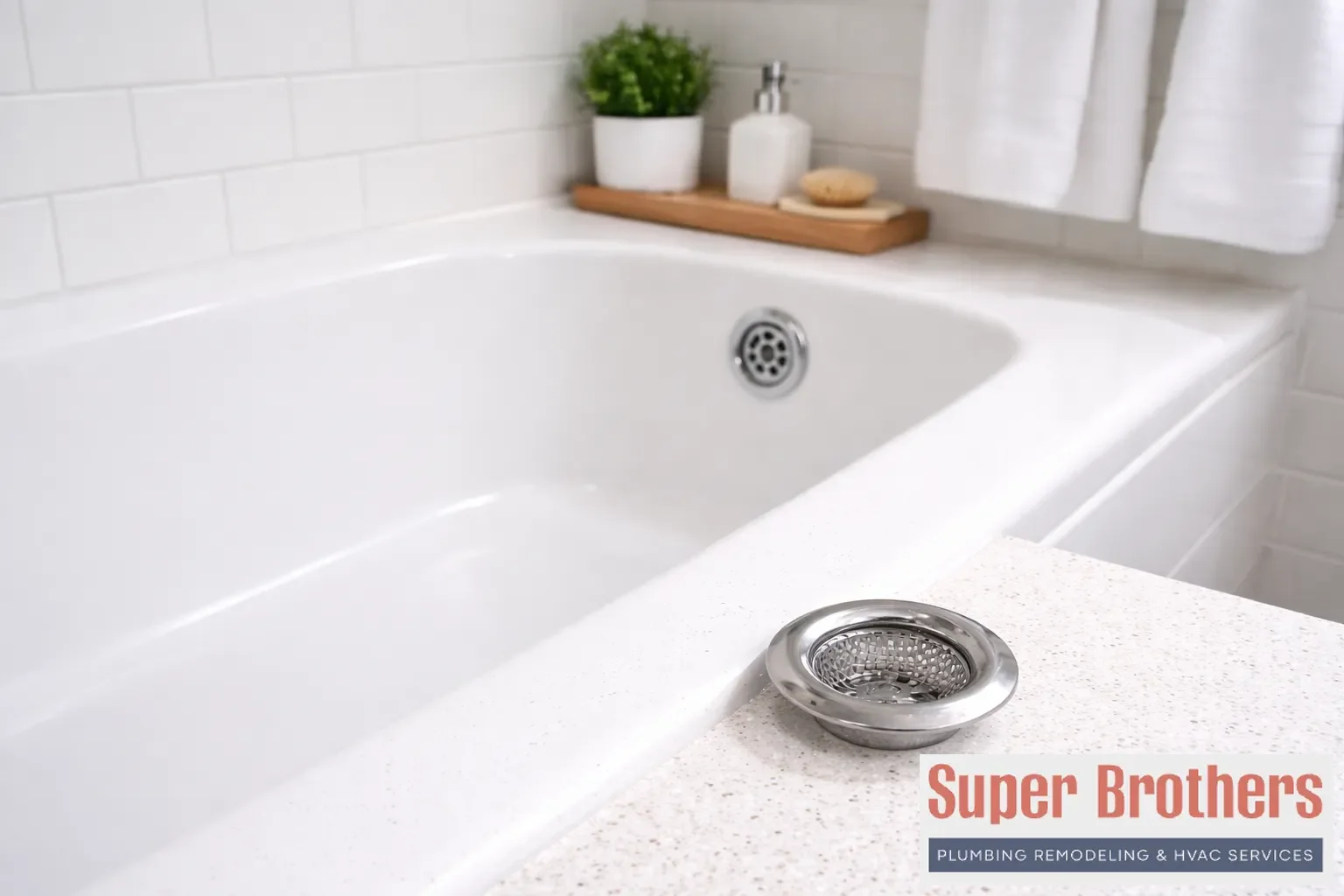
The simple fix for repeat clogs is not glamorous either, but it works. Clean the stopper regularly, pull out visible hair before it sinks deeper, and use a drain screen if your setup allows one. That little screen is not exciting, but it does more heavy lifting than a lot of expensive products.[1]
A few habits that save you trouble later
The easiest way to keep a tub draining well is to stop the mess before it gets inside the drain. That means catching hair at the surface and cleaning it out often instead of pretending it will somehow dissolve into a better future. Your future self will appreciate the lack of swamp vibes.
Rinsing the tub after a bath or shower also helps more than people think. It moves leftover soap residue down while it is still loose instead of letting it dry onto the drain area. That is especially helpful in busy bathrooms where product buildup shows up fast.
If you use thick products often, like scrubs, oils, masks, and heavy conditioners, keep an eye on how the tub drains afterward. Those products can leave residue that helps trap hair and grime. Great for self care, not always great for plumbing.
A quick monthly check can save you from the big mess. Lift out what you can, wipe the drain area, and pay attention if the water starts slowing down. Catching the issue early is a lot easier than standing in three inches of lukewarm regret.
- Clean the stopper or screen on a regular schedule.
- Use a drain cover to catch hair before it enters the pipe.
- Watch for slow drainage and deal with it early.
- Do not keep feeding the drain heavy residue and hoping for the best.
When it is time to call a plumber
If the clog comes back quickly, there is probably more going on than a little hair near the top. A deeper blockage, pipe buildup, or drainage issue farther down the line may need the right tools to clear properly. This is especially true when home fixes only buy you a few days of relief.
If water backs up into other fixtures, call sooner rather than later. That can point to a bigger drainage problem that affects more than just the tub. Same goes for strong sewer odors, repeated gurgling, or a tub that will not drain at all after you have already tried the basic steps.[1]
Older homes deserve a little extra caution too. Pipes can be more delicate, old repairs can change how things are connected, and aggressive DIY attempts can create leaks where there were none before. In that case, being stubborn is rarely the cheaper option.
If you are in Sacramento or the Bay Area and the tub still is not draining, Super Brothers Plumbing can help figure out whether you are dealing with a simple clog or something deeper in the line. Sometimes the fastest path is just getting the right eyes and tools on it the first time. You can also explore plumber services, drain cleaning, or contact the team when the DIY route has officially run out of good ideas.
The bottom line
Most of the time, the answer to “Why won’t my bathtub drain?” is simple, hair, soap scum, stopper buildup, or some combo platter of all three. That is annoying, but it is also common and often fixable. Start with the obvious stuff, work through the easy steps, and do not confuse effort with progress if the drain is clearly not improving.
If you are still asking, “Why won’t my bathtub drain?” after cleaning the stopper, clearing visible debris, and trying a basic unclogging approach, the problem may be deeper than surface buildup. That is when it makes sense to stop wrestling with it and let a plumber take over. Your bathtub should drain like a bathtub, not hold water like it is auditioning for pool duty.
Frequently Asked Questions
Why is my bathtub draining slowly but not fully clogged?
A slow tub usually means buildup is forming but has not fully sealed off the pipe yet. Hair, soap residue, and product grime can narrow the opening enough to slow water down long before it stops completely. That is actually the best time to deal with it because the clog is often easier to remove.
Can hair really clog a bathtub drain that badly?
Yes, and it does it all the time. Hair by itself is bad enough, but once it mixes with soap scum and residue, it turns into a sticky mat that grabs more debris. That is why the clog keeps growing quietly until the tub starts draining like it is on low battery.
Should I use a chemical drain cleaner?
That depends on the product, the plumbing, and your comfort level with using it correctly. It is usually smarter to start with mechanical cleanup like removing the stopper, pulling out hair, using hot water where appropriate, or trying a small snake first. If you do use a chemical product, follow the label exactly and never mix cleaners.
Is baking soda and vinegar enough to fix the problem?
Sometimes, but mostly for light buildup and mild slowdowns. It can help freshen a drain and loosen minor residue, but it usually will not break up a thick hair clog sitting deeper in the line. Think of it as a light cleanup tool, not a guaranteed rescue mission.
How do I know the clog is deeper in the line?
If basic cleanup does not help, the clog keeps coming back, or other drains in the bathroom are acting up too, the problem may be deeper. Gurgling, recurring odors, and backup in more than one fixture are also clues. That is usually the point where professional drain clearing makes more sense than another round of trial and error.
How can I stop this from happening again?
Use a drain cover, clean the stopper regularly, and deal with slow drainage early instead of waiting for a full clog. Try not to send heavy residue, loose hair, and thick bath product leftovers straight into the drain. A tiny bit of routine cleanup beats emergency bathtub archaeology every time.
Sources
Super Brothers Quality
Choose Super Brothers Plumbing Heating & Air because we use top-tier materials, deliver honest workmanship, and back every job with a real warranty. Our pricing is fair and transparent—no hidden fees, ever.
We pull the permits, build to California code, and pass inspection. Our licensed, highly experienced team handles full plumbing and heating/air replacements and installations, so the job’s done right the first time.
- Top-tier materials
- Honest, quality service
- Workmanship warranty
- Fair, transparent pricing (no hidden fees)
- Permits handled; California code compliant; passes inspection
- Licensed & experienced in plumbing and HVAC installs





Refer Friends, Reap Rewards

Share our expert plumbing services with friends and family. For every successful referral, you earn cash rewards. Refer Now

Ready To Experience Super Brothers Difference! Let’s Start a Conversation!
Financing Options

Super Brothers offers an Installment Payment Plan with 0% Interest for Projects over $1000

Fin tech company that provides payment solutions in the home improvement sector.

Flexible financing for your next home improvement project

Wells Fargo Home Projects Credit Card