Welcome to homeownership, where you constantly learn about fascinating mechanical things you never knew existed. You turn on the shower in the morning and the water pressure is fantastic, making it feel like a luxury spa right in your own bathroom. But there is a hidden catch to having water blast out of your fixtures at top speed. Too much of a good thing can actually wreak havoc on your entire plumbing system.
Enter the Pressure Reducing Valve, usually just called a PRV by the professionals. Think of a PRV as the heavy-duty bouncer at the front door of your home's plumbing system. The city water mains are often pumping water at incredibly high pressures to ensure it reaches every single house in the neighborhood. If that municipal water enters your home at full force, it is going to cause quite a scene.
The PRV steps in, checks the incoming pressure, and calms things down before letting the water flow inside to your sinks and showers. In the Sacramento and San Jose areas, our municipal water systems work incredibly hard to deliver water across varying elevations and long distances. To get water up to a neighborhood in the foothills or across a sprawling valley, the city has to crank up the pressure at the source. If your house happens to be in a high-pressure zone, your pipes are taking the brunt of that heavy force daily.
At Super Brothers, we have seen firsthand how local water dynamics can stress residential plumbing in the Bay Area and Central Valley. You might be wondering why high water pressure is actually a problem for your house. It sounds like a great benefit when you are rinsing off a stubborn dirty plate or washing thick shampoo out of your hair. The issue is that your home's pipes, valves, and expensive appliances are only rated to handle a very specific amount of pressure.
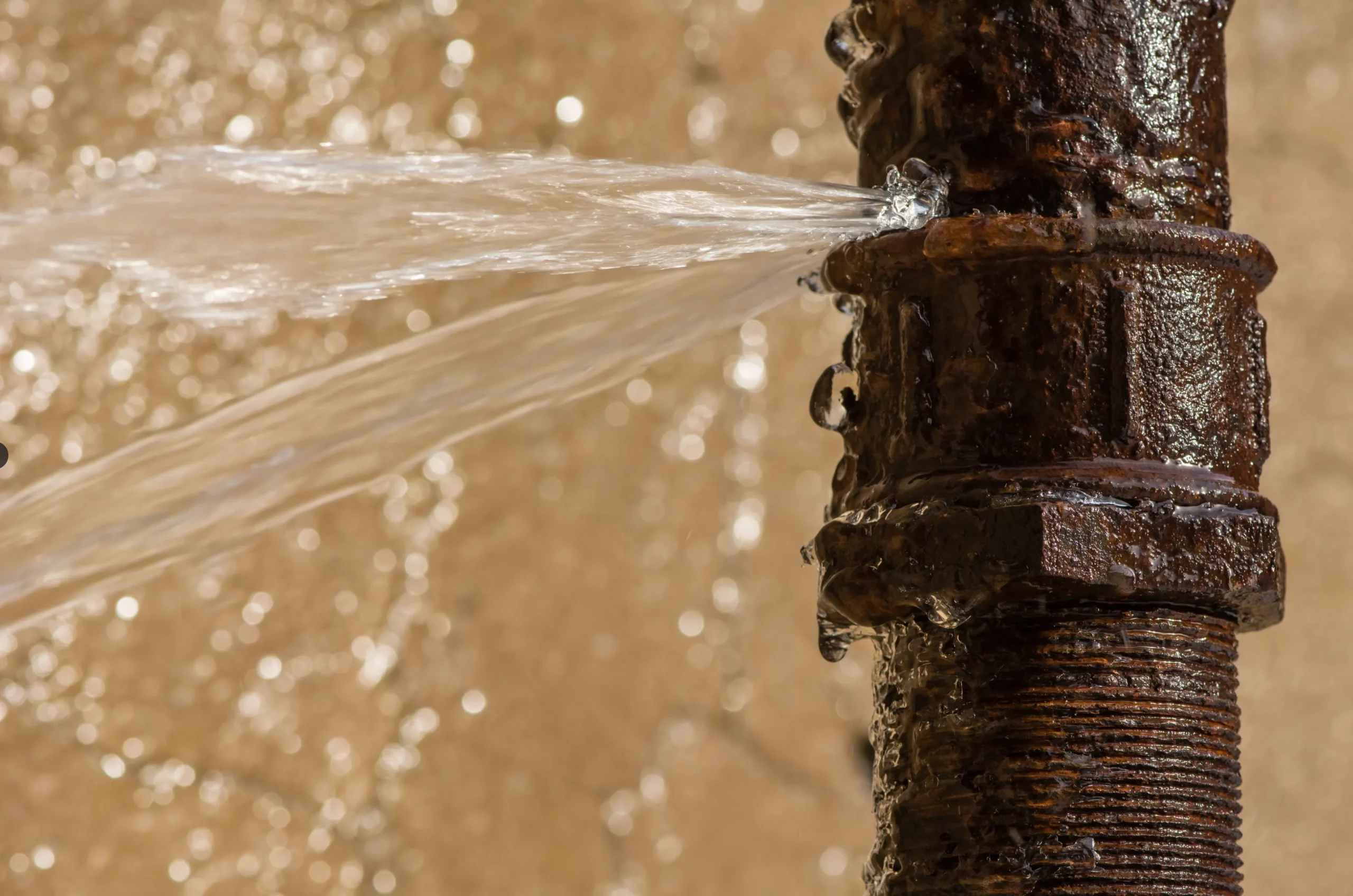
When water constantly slams against the delicate internal components of your washing machine or refrigerator ice maker, those parts wear out prematurely. High pressure is also a leading cause of spontaneous, disastrous leaks. It puts immense, constant stress on the joints and copper fittings hiding behind your drywall and under your hardwood floors. Over time, that constant pushing weakens the connections until they eventually give out entirely.
A small drip behind a wall can lead to massive water damage, toxic mold growth, and expensive structural repairs before you even realize it is happening. Your water heater is especially vulnerable to these dramatic pressure issues. Water naturally expands when it heats up, which automatically increases the pressure inside the metal storage tank. If the water coming into the tank from the city is already at an extreme pressure, this thermal expansion pushes the tank to its absolute physical limits.
This excess stress can cause the temperature and pressure relief valve on the heater to leak constantly. In worst-case scenarios, it can severely shorten the lifespan of the tank itself, leading to a flooded garage or basement. One of the most obvious signs that you might need a PRV is a loud banging noise when you turn off a faucet quickly. This acoustic phenomenon is commonly known as water hammer, and it is a classic sign your system is under pressure.
When fast-moving water is suddenly stopped by a closing valve, the kinetic energy has nowhere to go. It sends a harsh shockwave backward through the pipes, causing them to rattle against the wooden framing of your house and create a startling thud. Another sneaky symptom of high pressure is a toilet that seems to constantly run on its own. The delicate plastic fill valves inside your toilet tank are easily overpowered by forceful water, causing them to let a little bit of water slip through constantly.
The exact same thing happens with your expensive sink and shower faucets over time. If you find yourself constantly replacing rubber washers or ceramic cartridges because of annoying drips, the root cause might just be the pressure behind the water. So, what exactly is the ideal water pressure for a standard residential home? Plumbing codes and appliance manufacturers generally agree that residential water pressure should sit comfortably between fifty and eighty pounds per square inch.
Anything below fifty might leave you with a less-than-stellar shower experience and a modern washing machine that takes ages to fill up. Anything above eighty is crossing into the danger zone where hidden damage begins to systematically occur. You certainly do not have to guess what your home's water pressure is on any given day. Testing it is a surprisingly simple process that any homeowner can handle with a cheap diagnostic tool from the local hardware store.
You just need a standard water pressure test gauge, which typically costs less than twenty dollars. This handy little gauge screws directly onto any standard outdoor hose bib around your property. Make sure absolutely no water is running inside the house, attach the gauge to an outside spigot, and turn the water on all the way to get your reading. If the needle on your gauge swings past eighty pounds per square inch, it is officially time to take action.
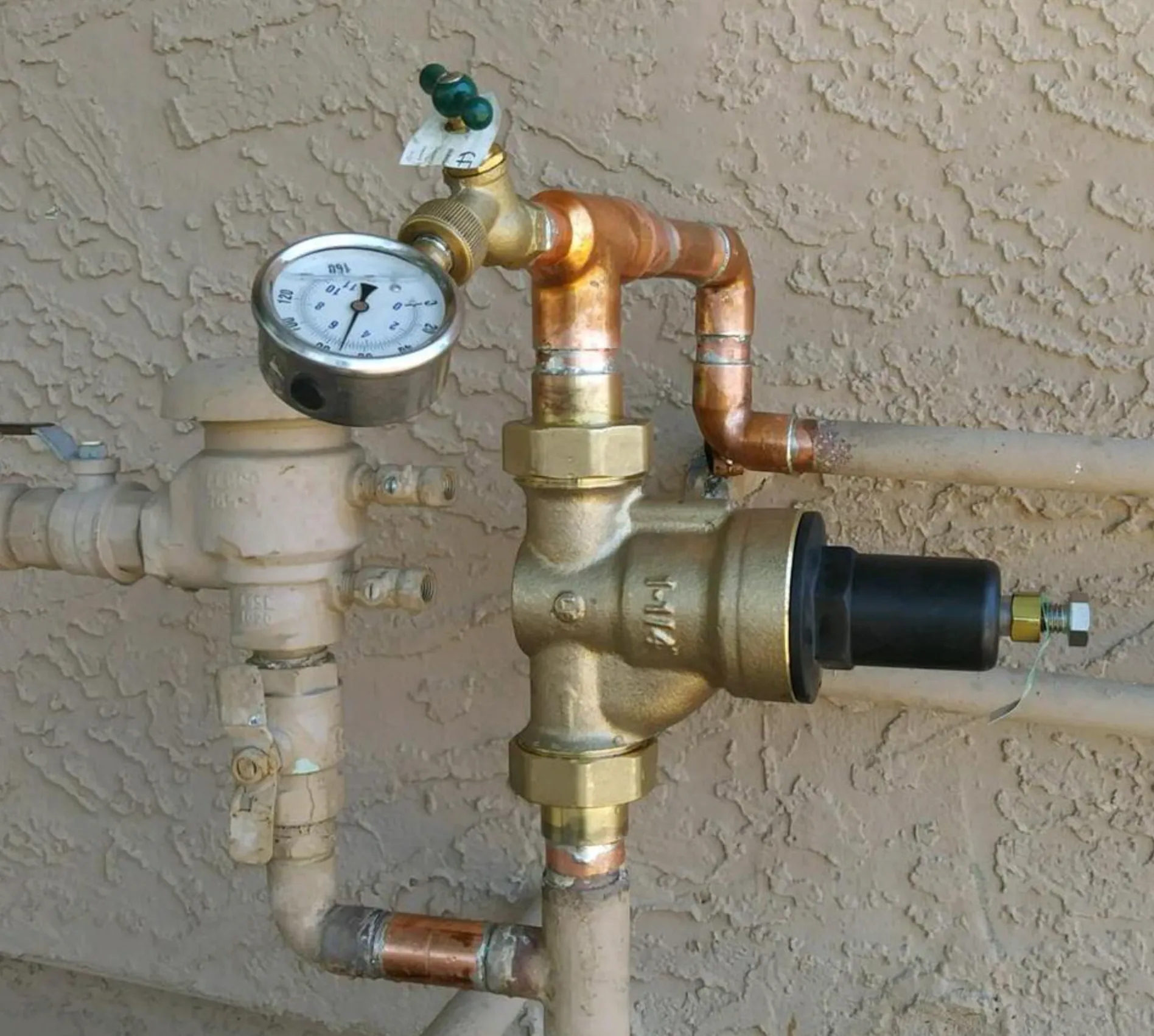
This is exactly where a Pressure Reducing Valve comes into play to save your plumbing system and your wallet. The valve is typically installed on the main water line right after it enters your house, often near the primary shutoff valve. This strategic placement ensures that every single drop of water entering your home is regulated, safe, and manageable. Inside the heavy brass body of a PRV, there is a clever mechanical system involving a heavy spring and a flexible diaphragm.
As forceful city water enters the valve, it pushes against the diaphragm, which is actively held back by the tension of the spring. You can actually adjust the tension of this internal spring by turning a visible screw or bolt on the top of the bell-shaped housing. Tightening the screw increases the pressure allowed through the home, while loosening it reduces the pressure to a safer level. Like any constantly working mechanical device, a PRV will not last forever in your home.
They handle a tremendous amount of stress day in and day out, constantly moving and adjusting to minute changes in the city water supply. On average, a quality Pressure Reducing Valve will last anywhere from five to ten years depending on your local water quality. Hard water, which is quite common in parts of Sacramento and San Jose, can cause harsh mineral buildup that significantly shortens the valve's functional lifespan. When a PRV inevitably starts to fail, it usually does so in one of two distinct ways.
Sometimes the internal mechanism fails closed, which means your water pressure will suddenly drop to a frustrating, unmanageable trickle. More commonly, it fails wide open, allowing the full destructive force of the city water main right back into your delicate house pipes. This is exactly why we highly recommend checking your water pressure with a gauge at least once a year, even if you already have a PRV installed. While checking your water pressure is a fantastic and easy weekend project, installing or replacing a PRV is usually best left to a seasoned professional.
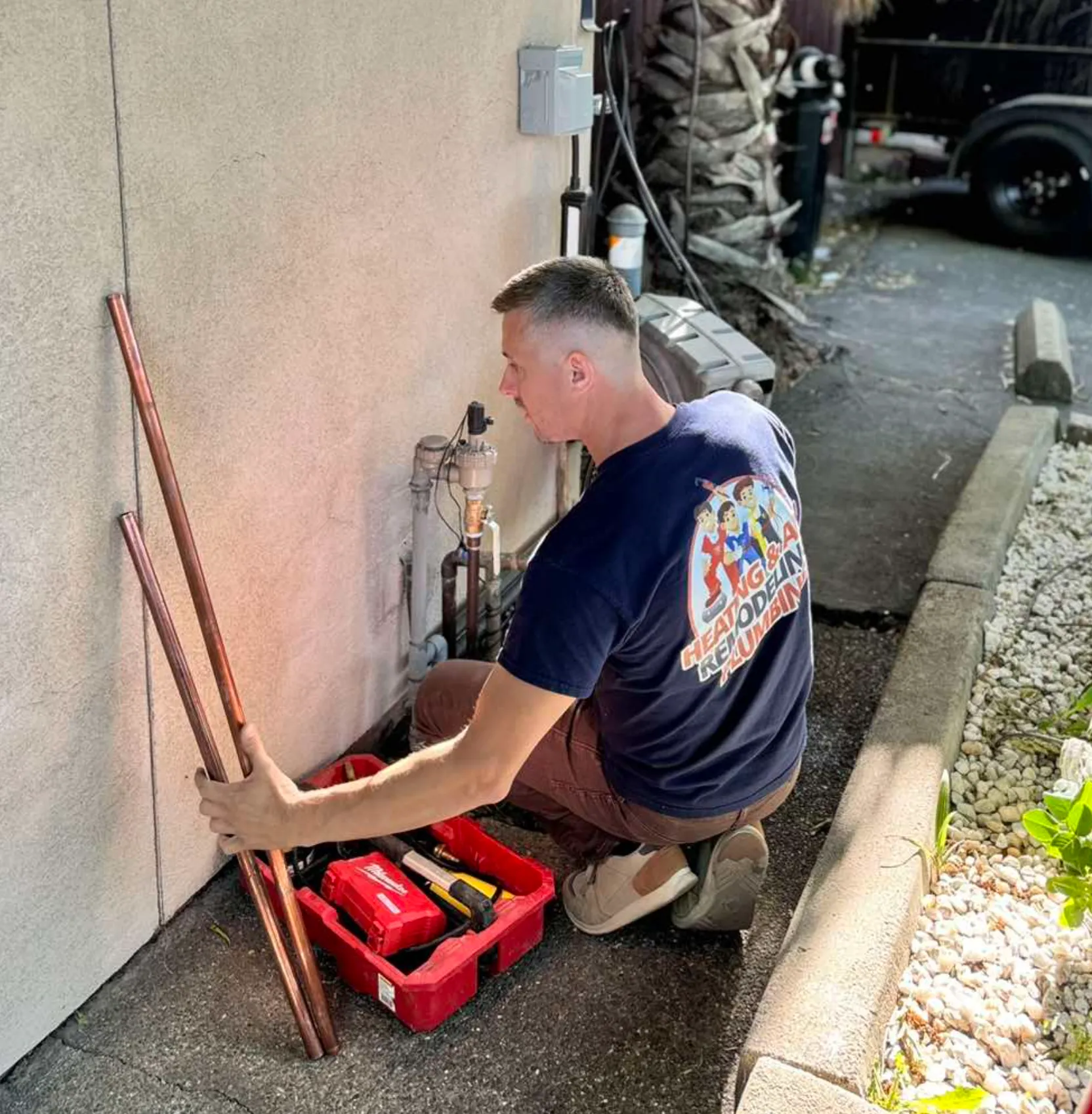
The installation process requires physically cutting into your main water line, which means there is absolutely no room for error. A botched DIY installation could easily leave you without running water or cause a massive, expensive flood in your garage. Plus, a professional technician will ensure the valve is sized correctly for your specific home's daily water demand. If you live in the Sacramento or Bay Area, the dedicated team at Super Brothers is always ready to help you get your water pressure safely under control.
We routinely test residential systems, recommend the exact right valve for your specific situation, and seamlessly handle the installation from start to finish. Our ultimate goal is to proactively protect your home from unnecessary water damage while making sure you still get a thoroughly enjoyable shower. Whether you are dealing with failing vintage plumbing or planning an extensive bathroom remodeling project, getting the foundational pressure right is step one. There is also a fantastic secondary benefit to installing a PRV that many budget-conscious homeowners completely overlook.
Lowering your water pressure actually conserves a significant amount of fresh water without you having to drastically change your daily habits. When water flows out of your faucets at a moderately lower pressure, you simply use fewer gallons while washing your hands or doing the dinner dishes. This effortless conservation translates directly into noticeable financial savings on your monthly municipal water bill. The long-term savings certainly do not stop at your standard utility bills, either.
Think about the heavy replacement cost of a modern smart refrigerator, a high-efficiency front-load washing machine, or an advanced tankless water heater. Protecting these expensive, sensitive appliances from the relentless wear and tear of high pressure extends their functional life significantly. The initial cost of having a professional expertly install a PRV is a mere fraction of the cost of replacing just one major water-connected appliance. Dealing with ongoing home maintenance can sometimes feel overwhelming, but understanding your home's basic plumbing system gives you a huge advantage.
You do not need to be an expert tradesperson to know that protecting your internal pipes is an incredibly smart financial investment. A PRV is a relatively small, unassuming device that does an incredibly important job for the overall, long-term health of your house. It works silently in the dark background every single day, making sure everything flows perfectly smoothly.
Here is a quick summary of the important facts to remember when it comes to regulating your home's water pressure:
- Municipal water pressure regularly exceeds the safe home limit of eighty pounds per square inch to accommodate city elevation changes and neighborhood distance.
- Unregulated, high-speed water pressure causes the premature mechanical failure of plumbing fixtures, water heaters, and everyday household appliances.
- A Pressure Reducing Valve acts as an essential physical safeguard, extending the life of your entire plumbing system and preventing hidden wall leaks.
- Homeowners naturally save hard-earned money on utility bills and expensive appliance replacements by keeping their home water pressure in the optimal, safe range.
Keeping a close eye on your home's water pressure is just one of those necessary adulting tasks that seriously pays off in the long run. If you are hearing those terrifying banging pipes at night or fixing the exact same leaky bathroom faucet over and over, do not ignore the warning signs. Grab a pressure gauge from the store, see exactly what you are dealing with, and call in the pros if things are running a little too hot. Your copper pipes, your smart appliances, and your wallet will all definitely thank you for making the fix.
Frequently Asked Questions About Pressure Reducing Valves
Where is the pressure reducing valve usually located?
It is typically found very close to where the main municipal water line enters your home, often right next to the main water shutoff valve. In many standard Sacramento and San Jose homes, this vital equipment might be tucked away in the garage, a utility closet, or sometimes just outside the front of the house near the foundation.
Can I adjust my PRV myself to get better pressure?
While it is mechanically possible to adjust it by loosening the top locknut and turning the adjustment screw, it is highly recommended to have a professional handle it. Adjusting it blindly without a gauge attached, or turning it too far in one direction, can cause immediate and severe damage to your home's plumbing.
How do I know for sure if my PRV is broken?
The absolute most reliable way to check is to test your water pressure with a standard screw-on gauge. If the reading is clearly above 80 PSI or fluctuates wildly while you watch it, the internal valve is likely compromised. Other common signs include sudden, dramatic drops in water pressure or loud vibrating noises coming directly from the brass valve itself.
Do all houses have a pressure reducing valve installed?
No, not every single home naturally requires one to be installed. If your municipal water supply naturally delivers water to your specific property at a safe pressure under 80 PSI, a PRV is largely unnecessary. However, as local cities rapidly grow and municipal water infrastructure changes, local street pressures can unexpectedly increase over time.
Sources and Further Reading
We believe in providing accurate, reliable information for our local homeowners. Here are a few great resources to learn more about plumbing standards and water conservation:
Environmental Protection Agency - WaterSense Program
International Association of Plumbing and Mechanical Officials (IAPMO)
Super Brothers Quality
Choose Super Brothers Plumbing Heating & Air because we use top-tier materials, deliver honest workmanship, and back every job with a real warranty. Our pricing is fair and transparent—no hidden fees, ever.
We pull the permits, build to California code, and pass inspection. Our licensed, highly experienced team handles full plumbing and heating/air replacements and installations, so the job’s done right the first time.
- Top-tier materials
- Honest, quality service
- Workmanship warranty
- Fair, transparent pricing (no hidden fees)
- Permits handled; California code compliant; passes inspection
- Licensed & experienced in plumbing and HVAC installs





Refer Friends, Reap Rewards

Share our expert plumbing services with friends and family. For every successful referral, you earn cash rewards. Refer Now

Ready To Experience Super Brothers Difference! Let’s Start a Conversation!
Financing Options

Super Brothers offers an Installment Payment Plan with 0% Interest for Projects over $1000

Fin tech company that provides payment solutions in the home improvement sector.

Flexible financing for your next home improvement project

Wells Fargo Home Projects Credit Card