If you have ever turned on the shower, stared into the void, and waited for hot water like your house was still loading, you are not alone. A lot of homeowners love the idea of tankless hot water, right up until they realize endless hot water is not the same thing as instant hot water. That gap is exactly why more people start looking into a tankless water heater recirculation pump.[1][2]
The short version is simple. A recirculation pump helps hot water get to your faucet faster by moving cooled water out of the line and sending it back to the heater instead of letting you dump it down the drain. In the right house, it can be one of those upgrades that feels small on paper and weirdly satisfying every single day.[1][2]
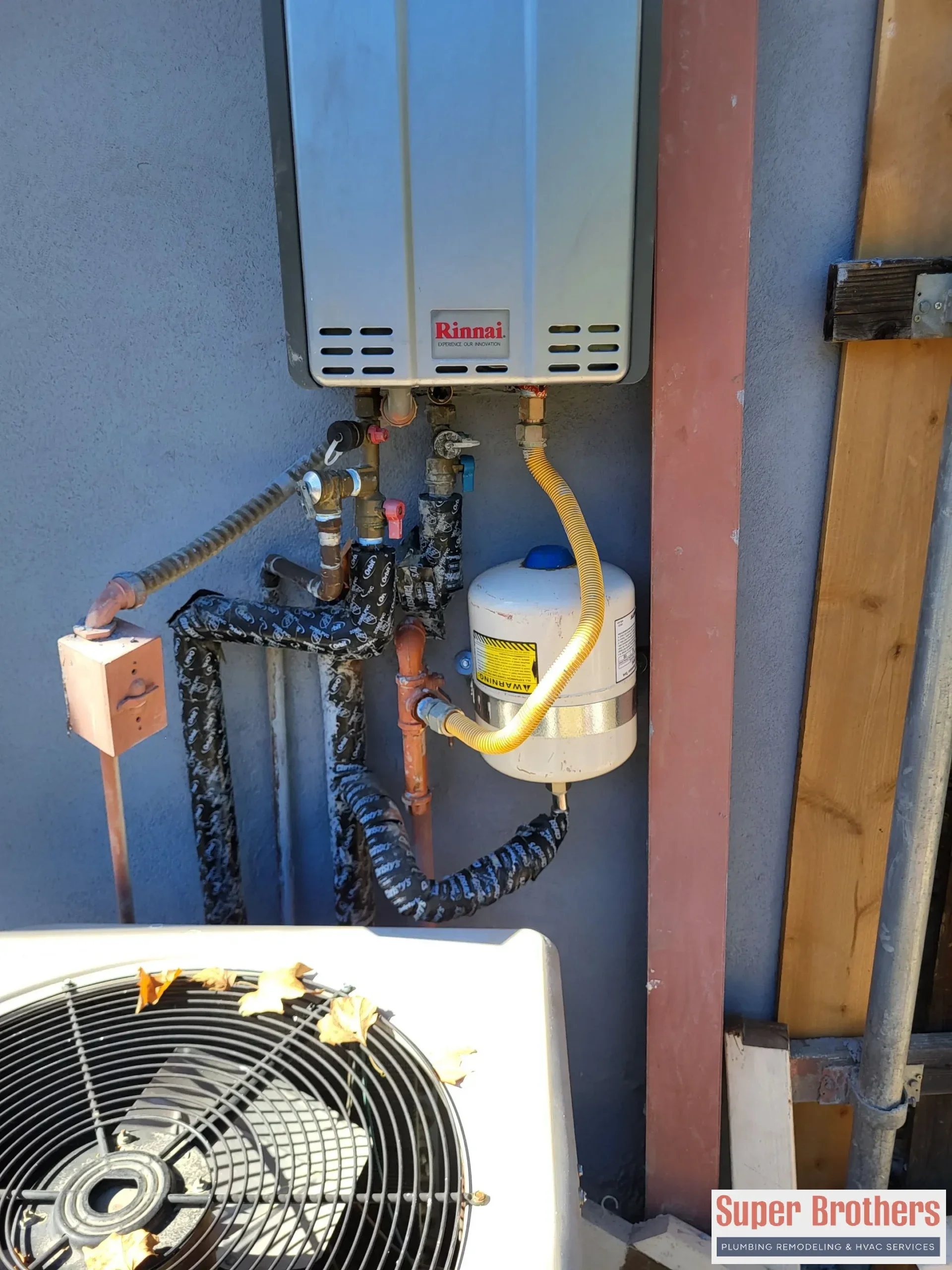
That matters more than people think. The EPA has pointed to studies showing the average home can waste more than 3,650 gallons of water a year just waiting for hot water to show up. That is a lot of water to send down the drain while you stand there half awake, robe on, wondering why adulthood has so many hidden subscription fees.[2]
There is also an energy angle here. The U.S. Department of Energy says water heating is the second largest energy expense in most homes and can account for about 18 percent of a utility bill. So when hot water takes forever, it is not just annoying. It is part comfort problem, part water waste problem, and sometimes part energy problem too.[3]
A tankless water heater recirculation pump sounds like a luxury add on, but in many homes it is really a convenience and efficiency upgrade. If your primary bathroom is far from the water heater, or your kitchen tap takes forever to warm up, the issue is usually distance, pipe layout, or both. The pump does not make the heater more powerful, but it does make the trip from heater to faucet a lot less painful.[1][2]
Why tankless systems still make you wait
Tankless water heaters are great at heating water when you need it. What they do not do is keep every inch of pipe in your house warm all day. So if the water in that long pipe run has cooled off since the last use, you still have to clear that cooler water out before the hot water reaches you.[2][4]
That is why some homeowners get confused after upgrading to tankless. They expect the word tankless to mean instant. What it actually means is no stored tank of hot water sitting there waiting, which is efficient, but it does not erase the plumbing distance between the heater and your far bathroom.[2][4]
This is also why two people can own similar tankless units and have totally different experiences. In one home, the heater sits close to the bathrooms and hot water arrives pretty quickly. In another, the bathroom is basically on a road trip from the heater, so the wait feels endless even with a good unit.
What a recirculation pump actually does
The pump creates a loop, or a near loop, so cooled water in the line gets moved back toward the water heater instead of being wasted at the tap. ENERGY STAR describes demand recirculation systems as a way to pull hot water through the plumbing while sending cooler water back to the heater to be reheated and reused. That means less waiting and less cold water going down the drain.[1]
There are a few ways that loop can happen. In some homes, there is already a dedicated return line, which is basically a path built for the water to come back. In many existing homes, there is no return line, so some systems use a crossover valve and the existing cold water line as the temporary path back.[6][7][8]
That difference matters because it affects both price and installation complexity. If your home already has the right plumbing setup, the job can be pretty straightforward. If it does not, the conversation changes fast, because now your plumber is not just adding a pump, they are solving a plumbing layout problem.
The two most common installation setups
The first setup uses a dedicated return line. This is the cleaner, more traditional approach, and it is often the best option if the house was designed for it or if you are doing major remodeling anyway. Water leaves the tankless heater, moves through the hot line, and returns through its own separate line back to the unit.[6][7][8]
The second setup uses a crossover valve. Brands like Navien, Rinnai, and Noritz all document versions of this approach for homes that do not already have a dedicated return line. It is popular because it can avoid tearing into walls just to add another pipe, which is the kind of sentence homeowners love to hear.[6][7][8]
Some newer tankless models even come with built in recirculation capability. Navien says its NPE A2 series has a built in recirculation pump that can work with an external recirculation line or existing supply lines with a NaviCirc valve. Noritz also offers units with integrated recirculation modes, and Rinnai documents both dedicated and crossover recirculation setups on compatible models.[6][7][8]
That is worth knowing before you buy anything. Sometimes the smartest move is not adding a separate pump to an older unit. Sometimes it is choosing a tankless model that already handles recirculation well, especially if you are replacing the water heater anyway.
What a tankless water heater recirculation pump costs
Here is the plain money version. National consumer cost guides put a hot water recirculation system itself at roughly $200 to $400 on average, while a whole tankless water heater installation often lands somewhere around $1,200 to $3,500, with about $2,800 as a common average. Those numbers can shift a lot depending on the unit, your region, and what your house needs behind the wall.[5][9]
- A recirculation pump or basic recirculation system often falls around $200 to $400 before any major extra plumbing work.[5]
- A full tankless water heater installation often runs about $1,200 to $3,500, with labor commonly around $75 to $150 per hour and 4 to 8 hours being typical for a standard install.[9]
- If the plumber has to upgrade the gas line, add electrical access, change venting, or run new plumbing, the total can climb well beyond the simple add on price.[4][9]
This is the part that catches people off guard. The pump itself may not be the budget breaker. The expensive part is often the house, meaning how hard it is to access pipes, what kind of tankless unit you have, and whether the installer has to solve gas, venting, electrical, or pipe routing issues at the same time.[4][9]
If you are already installing a new tankless system, adding recirculation during that project is usually easier to justify. The plumber is already there, the system is already being set up, and the labor can be planned as one job. Retrofitting recirculation later is still possible, but it can be the difference between a clean upgrade and a project that suddenly wants drywall repair too.
What the plumber is really checking during installation
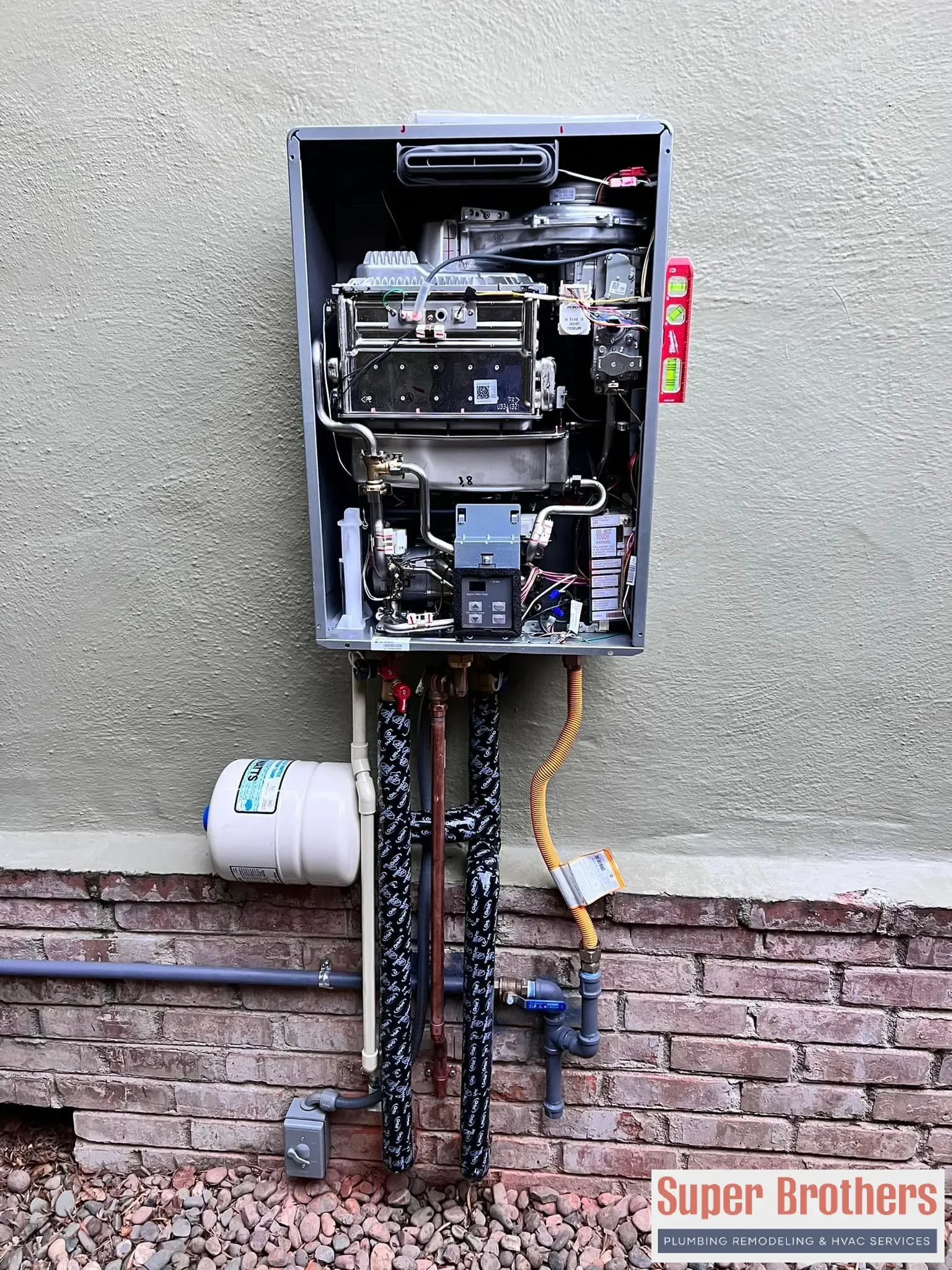
This is not just a bolt on gadget job. ENERGY STAR notes that a tankless installer needs to confirm the right flow capacity for the home, whether the existing gas line is big enough, whether electricity is available near the unit when needed, and how combustion gases will be vented. In other words, the pump conversation often turns into a whole system conversation pretty fast.[4]
If your tankless unit already supports recirculation, the installer will look at compatibility first. They will check whether you are using a dedicated return line or crossover setup, whether the model has built in controls, and what accessory parts are required for that brand. Manufacturer documentation matters here because the settings and piping layout are not one size fits all.[6][7][8]
They will also look at the location of the farthest fixtures. If the problem is mainly one bathroom and one kitchen sink, a smart control strategy can make more sense than a system that runs all day. If the whole house has long hot water runs, the installer may recommend a more complete recirculation setup with better control options.
And yes, pipe insulation should be part of the conversation. DOE and ENERGY STAR guidance both point out that controlling run time and insulating hot water lines helps reduce heat loss. Without that, you can solve the waiting problem while quietly creating a new energy waste problem, which is not exactly the kind of home improvement victory lap anyone wants.[1][10]
The big upside, and the catch people miss
The upside is obvious the first week you have it. Showers heat up faster. Kitchen cleanup is less annoying. You are not standing there running water while your faucet acts like it needs coffee before it can do its job.
The catch is that recirculation has to be controlled well. ENERGY STAR specifically warns that systems operating continuously can use more energy because the hot water in the pipes loses heat and the pump keeps running. That means the best setup is usually not the one that runs nonstop. It is the one that gives you hot water when you need it and rests when you do not.[1]
This is why on demand control is such a big deal. Push button, timer, motion sensor, and similar controls are all recognized options in ENERGY STAR guidance. A good installer will not just ask whether you want faster hot water. They will ask when you want it, how often you want it, and whether your schedule is predictable enough for a timer to make sense.[1]
If your household is up at the same time every morning, a timer might work well. If your routine is chaos with bonus chaos on weekends, an on demand setup can be smarter. It gives you the comfort without turning your plumbing into a 24 hour hot water treadmill.
Is it worth it for most homeowners?
For many homes, yes, but not for every home. A tankless water heater recirculation pump is usually most worth it when your farthest fixtures have a long wait, you use hot water heavily every day, and the installation can be done without turning the house into a mini renovation zone. If your family is constantly waiting for the upstairs shower or the back bathroom sink, this upgrade tends to feel useful right away.[1][2]
It can also be worth it if water waste bothers you. The EPA guidance on hot water delivery is pretty clear that waiting for hot water adds up to real water loss over a year. If you live in an area where water costs are high, or you are simply tired of watching clean water go straight down the drain, the value is not just convenience. It is also about using less of something you pay for every month.[2]
It is especially appealing in homes where the tankless unit itself is already a good fit. If the heater is properly sized and the only thing making daily life annoying is the wait at distant fixtures, recirculation can fix the weak spot without replacing the whole setup. That is the sweet spot.
But here is the honest part. If your hot water already arrives quickly, or only one rarely used sink is slow, you may not get enough day to day value to justify the cost. Not every home needs a fix for a problem it barely has.
When it is probably not worth it
If your tankless heater is already close to the bathrooms and kitchen, a pump may be solving a problem that barely exists. If the wait is just a few seconds, you are not likely to feel much return for the money. In that case, the smarter move may be to leave it alone and spend that budget elsewhere.
It is also harder to justify when the retrofit is complicated. If your current unit is not a good recirculation candidate, the house has no practical path for piping, and the quote starts creeping into serious remodel territory, the numbers get uglier fast. That does not automatically make it a bad idea, but it does move it out of the quick comfort upgrade category.
And if you are the type who never wants to think about settings, timers, or maintenance, be realistic about that too. A poorly configured system can cancel out a lot of the upside. If your tankless water heater recirculation pump runs too often, you may get the convenience you wanted but chip away at efficiency in the process.[1][10]
What about maintenance?
The pump itself is not usually the high drama part of the system. The bigger maintenance conversation is still the tankless unit, especially in areas with hard water. Tankless systems still need regular care, and the more your system works, the more important it is to keep up with flushing, cleaning, and manufacturer recommended service.
That does not mean recirculation is a maintenance nightmare. It just means this should be treated like part of the overall hot water system, not a magic gadget you install and forget forever. Good installation, proper settings, and periodic service matter more than marketing promises.
A good plumber should also leave you with a clear explanation of how your control mode works. If you have a timer, you should know how to adjust it. If you have an on demand button or app based schedule, you should know how to use it without digging through a manual like you are trying to unlock a boss level.
A quick way to decide
If you are on the fence, think about these three questions. How long do you wait for hot water at your farthest fixtures, how often does that happen, and how invasive would the installation be in your home. Those three answers usually tell you more than any ad ever will.
- Usually worth it if you have long waits, daily frustration, high water waste, and a fairly clean installation path.
- Usually not worth it if hot water already arrives quickly, the slow fixture is rarely used, or the retrofit requires major plumbing surgery.
That is the real decision. This is less about chasing every gadget and more about whether the upgrade fixes a problem you actually feel every day. The best home upgrades are usually the ones that make ordinary life less annoying, and faster hot water definitely qualifies.
Final thoughts
A tankless water heater recirculation pump is not a must have for every house, but it can be a very smart upgrade in the right one. If your shower, sink, or tub is far from the heater, the comfort difference can feel immediate. It is one of those changes that makes the house feel more dialed in without being flashy about it.
The money side comes down to setup. A simple compatible system with a clean install path can be reasonable. A complicated retrofit with piping changes, gas work, or venting adjustments can get expensive fast, which is why a real estimate from a plumber who knows tankless systems matters more than any generic number online.[4][5][9]
If you want the simplest bottom line, here it is. When the wait for hot water is a daily nuisance and the install is straightforward, it is usually worth serious consideration. When the wait is minor and the plumbing work is a headache, it is probably better to keep your money and move on.
Frequently Asked Questions
Does a tankless water heater recirculation pump give you instant hot water?
Not truly instant, but usually much faster. The pump moves cooled water out of the line so hot water gets to the faucet sooner, which cuts down the wait in a noticeable way.[1][2]
How much does a recirculation pump cost to add?
The recirculation system itself often falls around $200 to $400 on average, but the final installed price depends on compatibility, labor, and whether the plumber needs to do extra piping or system upgrades.[5]
Can you add recirculation to any tankless water heater?
Not always in the same way. Some tankless models support built in recirculation or brand specific accessories, while others may need external components or may not be ideal candidates at all.[6][7][8]
Does a recirculation pump raise energy use?
It can if it runs continuously. Demand controls, timers, and good pipe insulation help reduce wasted heat and keep the convenience from turning into unnecessary energy use.[1][10]
Is it better to use a dedicated return line or a crossover valve?
A dedicated return line is usually the cleaner plumbing solution when the home has one. A crossover valve is often the practical retrofit choice in existing homes that do not already have a return line.[6][7][8]
Sources
- ENERGY STAR, Demand Hot Water Recirculating System
- U.S. EPA WaterSense, Guide for Efficient Hot Water Delivery Systems
- U.S. Department of Energy, Reduce Hot Water Use for Energy Savings
- ENERGY STAR, Whole Home Tankless Gas Water Heaters
- Angi, What Is a Hot Water Heater Recirculation System?
- Navien, NPE A2 Series Tankless Water Heaters with Recirculation Technology
- Rinnai, Recirculation Piping Diagram and Pump Settings Guide
- Noritz, Recirculation Methods and Crossover Options
- This Old House, Tankless Water Heater Installation Cost
- U.S. Department of Energy, Efficient Hot Water Distribution and Pipe Insulation Guidance
Super Brothers Quality
Choose Super Brothers Plumbing Heating & Air because we use top-tier materials, deliver honest workmanship, and back every job with a real warranty. Our pricing is fair and transparent—no hidden fees, ever.
We pull the permits, build to California code, and pass inspection. Our licensed, highly experienced team handles full plumbing and heating/air replacements and installations, so the job’s done right the first time.
- Top-tier materials
- Honest, quality service
- Workmanship warranty
- Fair, transparent pricing (no hidden fees)
- Permits handled; California code compliant; passes inspection
- Licensed & experienced in plumbing and HVAC installs





Refer Friends, Reap Rewards

Share our expert plumbing services with friends and family. For every successful referral, you earn cash rewards. Refer Now

Ready To Experience Super Brothers Difference! Let’s Start a Conversation!
Financing Options

Super Brothers offers an Installment Payment Plan with 0% Interest for Projects over $1000

Fin tech company that provides payment solutions in the home improvement sector.

Flexible financing for your next home improvement project

Wells Fargo Home Projects Credit Card