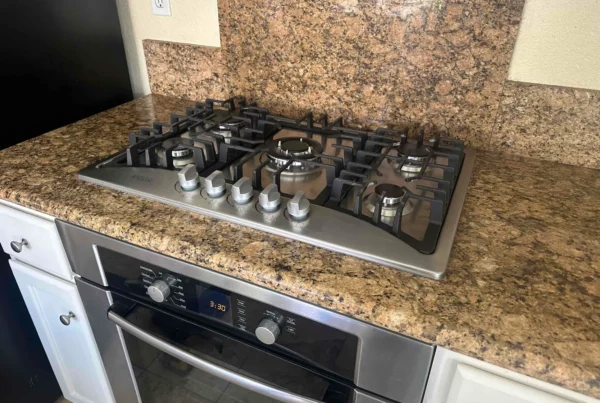
If you are pricing a propane line for a stove, water heater, fireplace, outdoor grill, or fire pit, the first thing to know is that there is no single magic number. One home might need a short, clean run from a nearby tank with easy access. Another might need trenching, new shutoffs, pressure testing, permit coordination, and a route that twists around concrete, landscaping, or finished walls.
That is why the same job can look budget friendly in one quote and suddenly feel like it showed up wearing designer shoes in the next one. The honest answer is that propane gas line installation cost depends on distance, access, pipe size, appliance load, and how much of your property has to be opened up and put back together. In Sacramento and the Bay Area, local permit steps, older housing layouts, and labor rates can also move the number around.
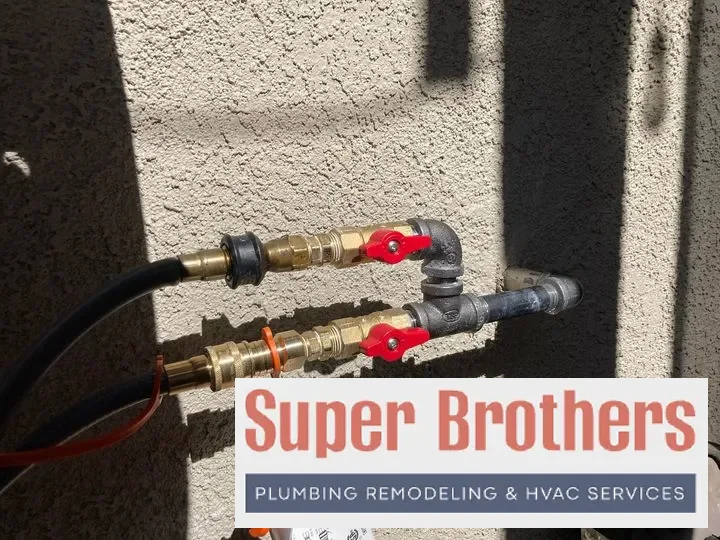
For most homeowners, a practical budgeting range is more useful than a national average with no local context. If the run is short and straightforward, you may land around the low four figures. If the job involves a longer underground route, multiple appliances, difficult access, concrete cutting, or brand new tank side work, the total can move into the mid or upper four figures pretty quickly.
Most online pricing guides talk about gas lines in general, and that still helps because the big cost drivers are similar whether the fuel is propane or natural gas. The pipe still has to be sized correctly, routed correctly, secured correctly, and tested correctly. With propane, you also want to pay attention to the tank location, regulator setup, and how far the fuel has to travel before it reaches the appliance.
What Sacramento and Bay Area homeowners usually pay
Current 2026 pricing data shows general gas line installation commonly landing around $15 to $25 per foot for simpler underground work, with broader real world ranges running from about $15 to $50 or more per foot once the job gets more complex. Another 2026 benchmark puts a basic gas line installation at roughly $864 to $1,060 per piping run before a project gets more customized. Those numbers are useful starting points, but they do not tell the full story for homes around Sacramento, San Jose, Oakland, Walnut Creek, or the surrounding service areas.
In real life, Sacramento and Bay Area pricing often lands toward the middle or upper half of those ranges when there is permit handling, inspection scheduling, tight crawlspace work, or outdoor trenching involved. A clean line to one appliance from an existing propane setup may still stay pretty manageable. A longer route under walkways, around landscaping, or into a finished interior usually costs more because the labor is doing the heavy lifting, not just the pipe itself.
For planning purposes, many local homeowners can think about propane jobs in three buckets. A simple add on line to one nearby appliance may land around $900 to $1,800. A more typical mid range job with moderate distance and some routing challenges may land around $1,500 to $3,500. A longer or more complicated install with trenching, restoration, multiple connections, or tank side upgrades can move from $3,500 to $6,500 or more.
- Small and simple: Short run, easy access, one appliance, minimal finish work, often around $900 to $1,800.
- Middle of the road: Moderate run, some wall or crawlspace work, permit and testing included, often around $1,500 to $3,500.
- Complex or long run: Underground routing, multiple appliances, concrete or landscape restoration, or tank related upgrades, often around $3,500 to $6,500 plus.
That spread is exactly why homeowners get confused when one friend says their grill line cost under a thousand bucks and another says their fireplace line felt like a mini renovation. They are both probably telling the truth. The line route matters just as much as the appliance at the end of it.
The phrase propane gas line installation cost gets searched a lot because people want a clean number before they call anyone. Fair enough, nobody enjoys quote roulette. But the best answer is not one price, it is understanding which details push your home toward the low side or the high side before the first truck even pulls up.
What changes the price the fastest
Distance is the obvious one, but it is not the only one. A 25 foot run through open access may be easier than a 12 foot run that snakes through a finished garage wall, under a patio edge, and across a cramped side yard. The bill usually grows when the route becomes awkward, not just when it becomes longer.
Trenching is another major price driver. Digging through plain soil is one thing. Digging around tree roots, irrigation, retaining walls, pavers, old hardscape, or narrow access points is a whole different episode, and not the fun kind.
Then there is surface restoration. If a contractor has to cut concrete, move stone, protect decorative landscaping, or patch finished materials after the line is installed, that work adds time and materials. A quote that looks higher at first may actually be more complete if it already includes putting the property back together properly.
Appliance load matters too. A grill line is not always the same as a tankless water heater line, and a whole setup feeding a range, fireplace, furnace, and outdoor kitchen is another level again. The contractor has to make sure the system can deliver enough fuel without starving one appliance when another kicks on.
Pipe material and route style also affect cost. Buried pipe, protective components, shutoff valves, fittings, and connection details all add up. The parts themselves usually are not the biggest part of the bill, but they absolutely matter when you start adding turns, branches, and specialty fittings.
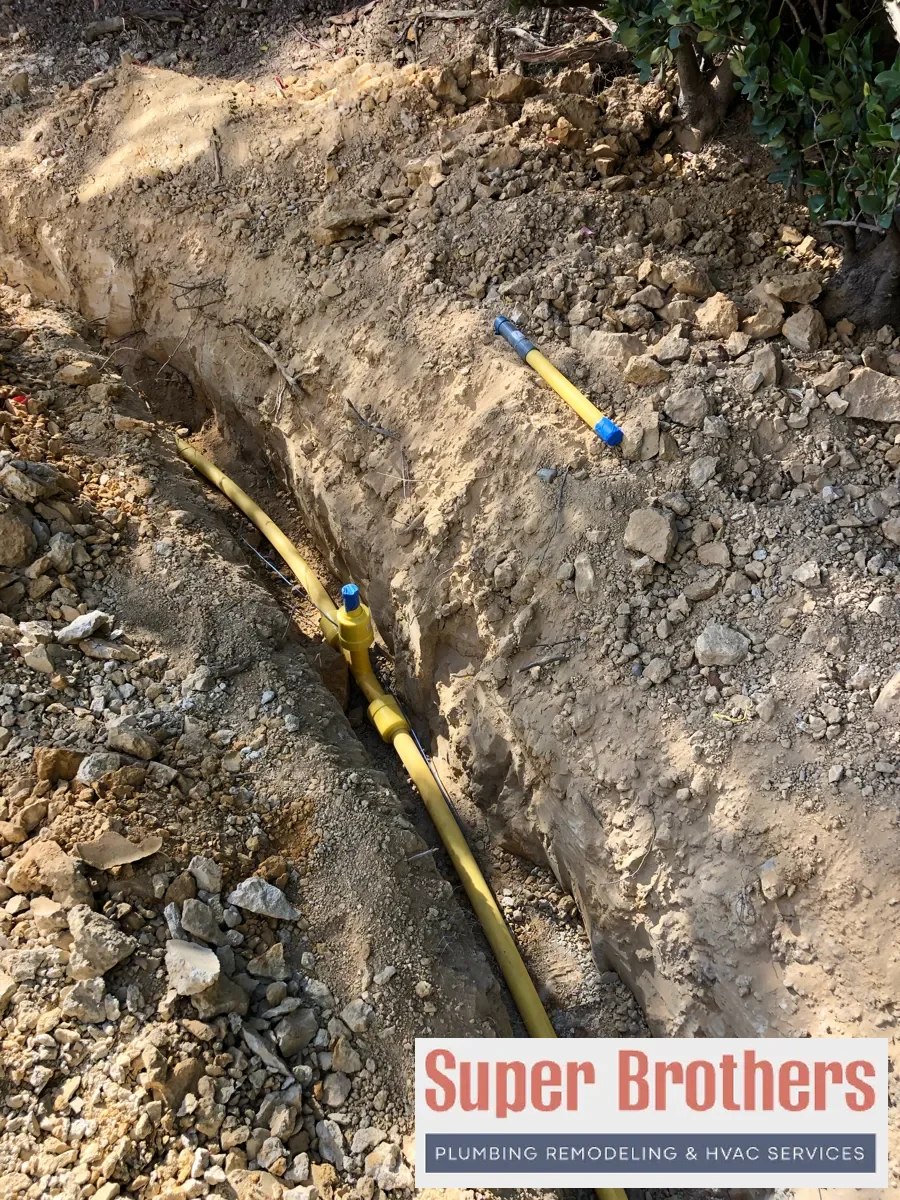
Permits and inspections are the quiet line items that homeowners sometimes forget until a quote shows up. Sacramento County has a building permits and inspection process, the City of Sacramento has permit service pathways, and Bay Area cities have their own permit workflows as well. That means time is spent on paperwork, scheduling, and making sure the work is ready to pass inspection, not just on the physical installation.
If the property needs brand new propane equipment at the tank, that is a separate cost conversation. Current 2026 propane tank references show line setup alone averaging a few hundred dollars, while full tank installation can be much more depending on above ground versus underground setup, labor hours, permits, and site conditions. So if you are starting from zero, do not confuse line cost with full propane system cost.
- Price goes up fastest with: long runs, trenching, hardscape cutting, difficult access, multiple appliances, finished wall repairs, and tank side upgrades.
- Price stays saner with: short runs, open access, one appliance, existing propane setup, and a route that avoids concrete and major restoration.
Why Sacramento and Bay Area homes can price differently
Sacramento has a wide mix of newer subdivisions, older neighborhoods, slab homes, crawlspace homes, and properties with long side yards or detached outdoor living areas. That means two homes on the same street can have very different installation paths. One might be simple and direct, while the other needs trenching around patios, garden beds, or accessory structures.
The Bay Area adds its own wrinkles. Older homes, tighter lots, hillside grades, limited access, and premium labor can all nudge the total higher. In some areas, even staging the work and protecting existing finishes can take extra time, which is why Bay Area estimates often feel less forgiving than what you see in generic national articles.
There is also the calendar side of the project. The hands on work for one appliance line may only take part of a day or a full day. But permit approval, inspection scheduling, trench safety prep, and coordination with any utility or site requirements can stretch the overall timeline beyond what a homeowner expects.
That is also why local experience matters. A contractor who regularly works in Sacramento and the Bay Area is more likely to price the route, the permit path, and the inspection steps realistically from the beginning. That makes the quote more useful, even if it is not the cheapest number in your inbox.
Do you need a permit for a propane gas line?
In many cases, yes, and it is smart to assume permit and inspection requirements apply until your contractor confirms the local rule for your city or county. Sacramento County provides building permit and inspection resources, and the City of Sacramento has permit service channels for residential work. Across the Bay Area, local building departments commonly require permits for fuel gas piping work, pressure testing, and final approval.
This part matters more than people think. A proper permit is not just paperwork for paperwork's sake. It creates a record that the line was installed, tested, and inspected according to the local requirements in place for that property.
If you are trenching outdoors, calling 811 before digging is part of the game, not an optional side quest. USA North says calling 811 before digging is a legal requirement in California and Nevada, and San Jose's utility locate guidance tells property owners to call two working days before digging. Even a small trench for a propane line is still digging, so treat it like it counts, because it does.
Who should install it in California?
In California, fuel gas piping is work for a properly licensed professional. The Contractors State License Board says a C 36 plumbing contractor scope includes gas piping, storage tanks and venting, gas appliances and gas connections, plus water and gas piping from the property owner's side of the meter. In plain terms, that is the lane you want for residential propane line work.
That matters for workmanship, permits, and accountability. A licensed contractor can usually pull permits, coordinate inspections, and document the job clearly. That may not sound exciting today, but it becomes very exciting when you sell the house and someone asks what was done, who did it, and whether it was permitted.
Trying to save money by treating a propane line like a casual weekend project is usually where the cheap quote turns into an expensive plot twist. Fuel gas work needs proper sizing, proper fittings, proper testing, and proper signoff. This is one of those projects where cutting corners is a fake bargain.
How to read a quote without getting lost
A good quote should tell you more than one lump sum number. It should explain where the line starts, where it ends, what appliances are included, whether trenching is included, whether finish restoration is included, and whether permit handling is included. If those details are fuzzy, the final invoice can get fuzzy too, and nobody likes fuzzy math.
Ask whether the quote includes shutoff valves, pressure testing, connection to the appliance, and startup or final verification. Ask whether it includes permit fees or just permit handling. Ask what happens if the crew discovers the route is blocked, the tank side needs changes, or the existing setup cannot support the new appliance load as planned.
Most surprise charges show up after the propane gas line installation cost seemed settled on paper. That happens when the original estimate did not spell out restoration, permit fees, trenching depth, wall access, or system upgrades. A detailed quote is not sales fluff, it is the homeowner's best defense against budget creep.
It also helps to ask whether bundling multiple appliance connections will lower the total per appliance. Often it does. If the crew is already on site, the trench is already open, and the permit is already in motion, adding a second connection may be cheaper than doing another standalone job later.
What the project usually looks like from start to finish
First comes a site visit or at least a serious look at photos, appliance specs, and route options. The contractor needs to know what you are connecting, how much fuel it needs, and the cleanest path from the propane source to the appliance. This is where good estimates are born, because good estimates come from boring details, not guesses.
Next comes layout, permit prep if needed, and any 811 utility locating for digging. If the line is going underground, the route gets marked and planned. If the line is going through a crawlspace, garage, or side wall, access points are figured out before the work begins.
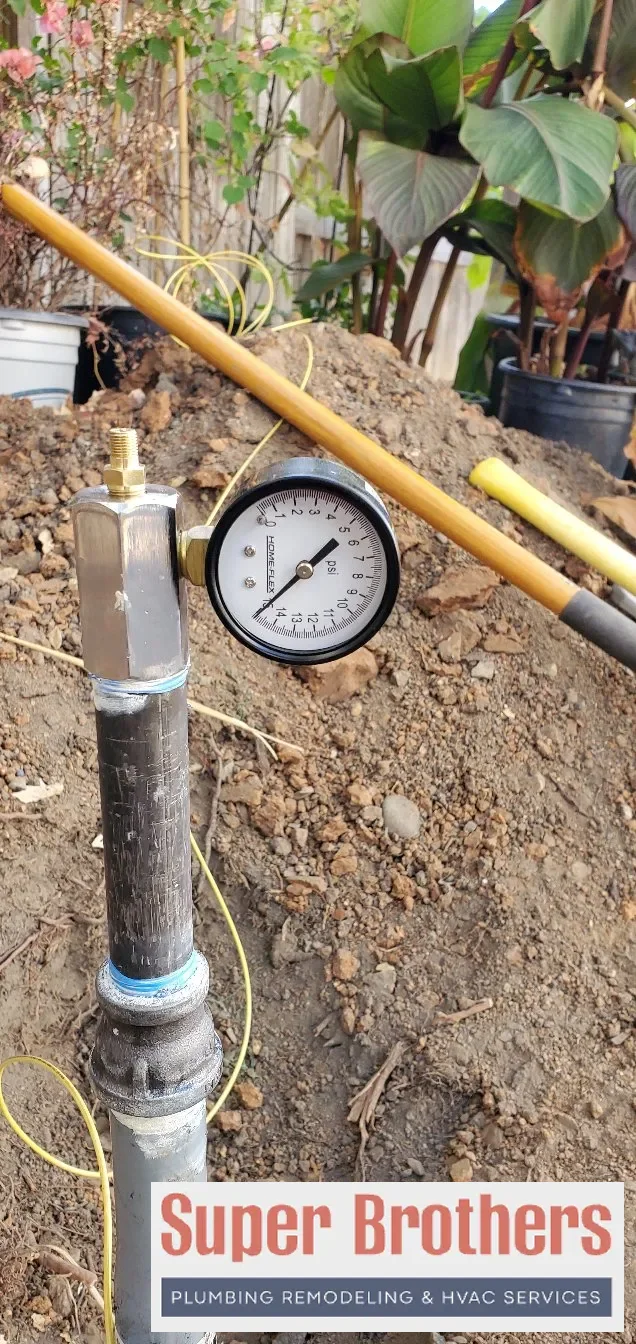
Then comes the install itself, which may include trenching, pipe placement, supports, shutoffs, regulator related work, appliance connection, and pressure testing. If the job is simple, this may move quickly. If the route is messy or the surfaces are finished, the work can take longer because careful work is slower work.
Finally comes inspection, final connection approval, and cleanup. Sacramento County offers inspection scheduling options, and similar local scheduling applies throughout the region. That final signoff is what turns the job from almost done into actually done.
Real world examples homeowners can relate to
Say you want a propane line for a backyard grill in Sacramento, and the tank is already in place on the side yard. If the route is short, soil access is easy, and no concrete cutting is needed, that can be one of the more affordable versions of the job. It is still professional work, but it is not trying to do acrobatics through your property.
Now picture a Bay Area home with an older layout, tighter lot lines, decorative hardscape, and a planned line to a new living room fireplace. Suddenly the route is tighter, interior access is trickier, and the finish work matters more. Same category of project, very different labor story.
Or maybe you are adding propane to a range, water heater, and outdoor fire pit all at once. The individual line cost may look higher overall, but the combined project can still make more sense than doing three separate visits months apart. That is often the smarter move if you already know your long term appliance plan.
How to keep the budget under control
Start by choosing the shortest practical route, not just the shortest route on paper. Sometimes a slightly longer path through accessible space is cheaper than a shorter path through finished walls or under hardscape. The easiest route to explain is not always the easiest route to build.
Try to line up the project with other work if you are already remodeling a kitchen, yard, or outdoor living area. Open access is your friend. A line installed while surfaces are already being updated can be far cheaper than reopening everything later just to sneak a pipe through.
Have appliance specs ready when you ask for quotes. Knowing whether the line is feeding a small grill, a big range, a fireplace insert, or multiple appliances helps a contractor price the work correctly from the start. The clearer the scope, the less likely the estimate is to get rewritten halfway through.
Most of all, compare quotes by scope, not just by total number. The lowest number is not automatically the best value if it leaves out trench restoration, permit fees, or startup steps. A good estimate should explain the full propane gas line installation cost, not just the part that looks cute in an email subject line.
Is propane still worth it for some homes?
For plenty of homeowners in and around Sacramento and the Bay Area, yes. Propane can be a practical option for properties that are not set up for natural gas service or for specific outdoor and specialty appliances where homeowners want strong heat and reliable performance. It is not the right fit for every house, but it is still a very workable fuel choice when the system is installed and sized correctly.
The bigger question is usually not whether propane exists as an option, but whether the installation cost fits the way you actually use your home. If you cook a lot, use a gas fireplace often, or want an outdoor kitchen that gets real use instead of just Instagram cameos, the investment may feel easier to justify. If the appliance is more of a maybe someday idea, the line may be worth postponing until you bundle it with another project.
The bottom line for 2026
In 2026, propane gas line installation cost is best treated like a range, not a single sticker price. A simple local job may stay around the low four figures, while a longer or more complicated run can climb well beyond that once trenching, restoration, permits, and tank side details enter the scene. Sacramento and Bay Area homeowners should expect the final number to reflect real site conditions more than national averages.
If you want a quote that actually helps you make a decision, ask for a site specific estimate with the route, appliance load, permit handling, testing, and restoration spelled out clearly. That is the difference between a useful budget and a guess with nice formatting. If you are in Sacramento or the Bay Area, Super Brothers Plumbing, HVAC, Electrical, and Bathroom Remodeling can help you map the project realistically and price it based on how your home is actually built.
Frequently Asked Questions
How much does a propane gas line installation cost in Sacramento?
For budgeting, many Sacramento area homeowners land around $900 to $1,800 for a smaller and simpler run, $1,500 to $3,500 for a more typical job, and $3,500 to $6,500 plus for longer or more complex installs. The route, trenching, finish repairs, permit steps, and appliance load are what move the price most.
Is underground propane line installation more expensive?
Usually, yes. Underground work often includes trenching, route marking, buried piping materials, and restoration of soil, landscaping, concrete, or pavers. That extra labor is why outdoor buried lines often cost more than easy access interior or exposed runs.
Do I need a permit for a propane gas line in Sacramento or the Bay Area?
In many cases, yes. Local building departments commonly require permits and inspections for fuel gas piping work, and digging may also require an 811 locate request before trenching. Your contractor should confirm the exact local rule for your address.
How long does a propane gas line install take?
The actual installation may take part of one day or a full day for a simple job, while more complex work can take longer. The total calendar time can be longer because permits, inspection scheduling, and utility locate steps happen before or after the crew is on site.
Can I add a propane line for a grill, fire pit, or outdoor kitchen?
Yes, and that is one of the most common residential propane projects. Outdoor work is often very doable, but the final cost depends on distance from the tank, trenching conditions, and whether the line has to cross patios, walkways, or landscaped areas.
Who should install a propane gas line in California?
A properly licensed California contractor who is authorized for gas piping work, commonly a C 36 plumbing contractor. That helps with code compliance, permit handling, inspection coordination, and a cleaner paper trail for your home.
Will adding more than one appliance at the same time save money?
Often, yes. If the crew is already opening access, handling permits, and routing the line, adding a second or third appliance can be more cost effective than scheduling separate installs later. It is worth asking for a bundled option if you already know your long term plan.
Sources
Cost ranges and local guidance in this article were built from the sources below.
- Angi, How Much Do Gas Line Installation or Repairs Cost? 2026 Data
- HomeGuide, How Much Does Gas Line Installation Cost? 2026
- Homewyse, Cost to Install Gas Line, 2026 Cost Calculator
- This Old House, What Does Propane Tank Installation Cost? 2026 Guide
- Sacramento County, Building Permits and Inspection Division
- Sacramento County, Scheduling Inspections
- City of Sacramento, Permit Services
- USA North 811, California Dig Safety Guidance
- City of San Jose, Underground Service Alert
- California Contractors State License Board, C 36 Plumbing Contractor Classification
- PG&E, Project Resources for Building and Renovation
Super Brothers Quality
Choose Super Brothers Plumbing Heating & Air because we use top-tier materials, deliver honest workmanship, and back every job with a real warranty. Our pricing is fair and transparent—no hidden fees, ever.
We pull the permits, build to California code, and pass inspection. Our licensed, highly experienced team handles full plumbing and heating/air replacements and installations, so the job’s done right the first time.
- Top-tier materials
- Honest, quality service
- Workmanship warranty
- Fair, transparent pricing (no hidden fees)
- Permits handled; California code compliant; passes inspection
- Licensed & experienced in plumbing and HVAC installs




Refer Friends, Reap Rewards

Share our expert plumbing services with friends and family. For every successful referral, you earn cash rewards. Refer Now

Ready To Experience Super Brothers Difference! Let’s Start a Conversation!
Financing Options
Super Brothers offers an Installment Payment Plan with 0% Interest for Projects over $1000

Fin tech company that provides payment solutions in the home improvement sector.

Flexible financing for your next home improvement project

Wells Fargo Home Projects Credit Card