If your shower feels amazing one day and strangely aggressive the next, your home may be trying to tell you something. In many San Jose and Bay Area homes, a Pressure Reducing Valve, also called a PRV, quietly manages the water pressure coming in from the street. When that valve is doing its job, you barely notice it. When it is not, your plumbing starts acting like it has had too much coffee.
A Pressure Reducing Valve is one of those parts most homeowners never think about until the warning signs show up. Maybe the kitchen faucet suddenly blasts harder than usual. Maybe a toilet fill valve gets noisy, a washing machine hose starts looking suspicious, or small leaks keep showing up like unwanted sequels.
That is why it helps to know what a PRV does, what it costs to replace, and how to spot trouble before it turns into a bigger repair. For homeowners in San Jose and the Bay Area, this matters even more because water pressure can vary by neighborhood, utility changes, elevation, and the age of the home’s plumbing.
This guide breaks down the real world basics in plain English. We will cover what a Pressure Reducing Valve does, how replacement pricing usually works, and the signs you need one or need your current one checked. If you own a home in San Jose, Santa Clara, Cupertino, Sunnyvale, Campbell, Los Gatos, or nearby, this is one of those plumbing topics worth knowing before it becomes an emergency.
What a Pressure Reducing Valve actually does
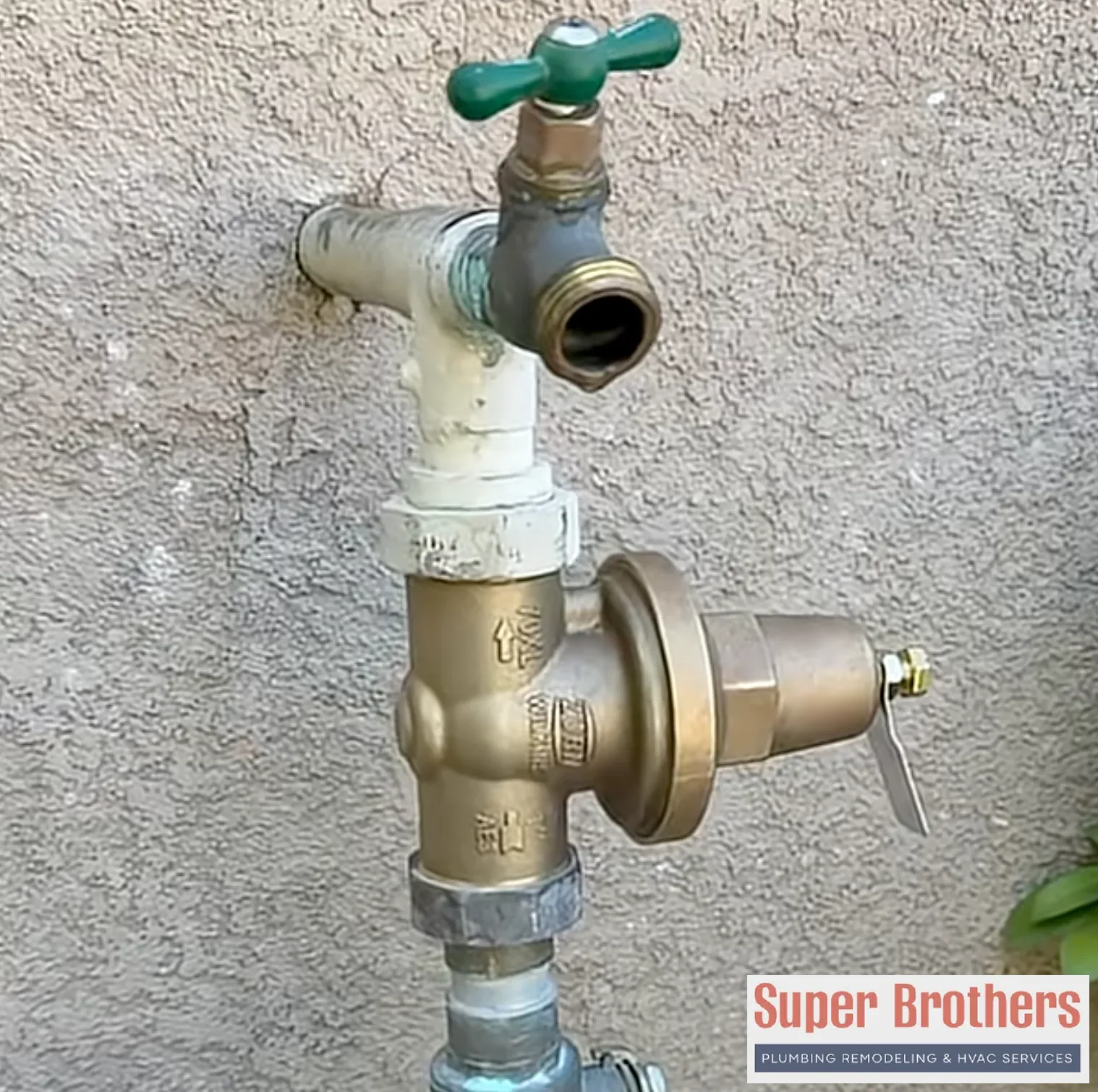
Your home does not always receive water from the street at the same pressure that feels comfortable inside the house. Municipal systems often send water at a higher pressure than your faucets, appliances, and plumbing fixtures really want. A Pressure Reducing Valve acts like a volume knob for that incoming pressure, bringing it down to a steadier level before it moves through the rest of the house.
That steadier pressure matters more than people think. Too much pressure can wear out fixtures faster, stress supply lines, and make small plumbing weak spots show themselves early. Too little pressure is annoying in a different way because showers feel weak, sinks take forever to fill, and everyday routines start dragging.
San Jose Water recommends a desirable indoor range of about 50 to 60 PSI for inside use. California plumbing references also point to 80 PSI as the upper line where pressure regulating equipment is required. So if your home pressure is creeping above that point, your plumbing system is not getting a bonus. It is getting extra strain.
In practical terms, a healthy Pressure Reducing Valve helps your home feel more consistent. Showers stay steady, appliance valves are less likely to wear out early, and your plumbing system is not constantly getting smacked by pressure swings. It is not glamorous, but neither is paying for avoidable leaks.
Why this matters in San Jose and the Bay Area
Bay Area homeowners deal with a mix of home ages, pipe materials, remodel history, and neighborhood water conditions. Some homes have newer copper or PEX piping and updated shutoff valves. Others still have older sections of plumbing that have been patched over the years, which means pressure problems can show up in weird ways.
In San Jose, the PRV on the house side is the homeowner’s responsibility. That means if the valve fails, leaks, or needs adjustment or replacement, it is usually not the water utility coming out to fix it. It falls on the property owner to have it inspected and repaired properly.
This is also why two neighbors can have very different experiences. One house may handle pressure changes just fine because the plumbing has been updated. The next house may start showing faucet leaks, hammering pipes, or water heater stress because an aging Pressure Reducing Valve is no longer keeping things in check.
If you have irrigation, a fire sprinkler system, or outdoor hose bibs you like to keep punchy, placement and adjustment matter too. San Jose Water notes that regulators can be installed downstream from outdoor fixtures if a homeowner wants stronger outdoor pressure while keeping indoor plumbing at a safer level. That is not a one size fits all setup, which is another reason proper inspection matters.
Signs you may need a Pressure Reducing Valve, or need to replace the one you already have
Most PRV problems do not announce themselves with a big dramatic failure. They usually start with smaller clues. The trick is noticing the pattern before a minor annoyance becomes a bigger plumbing bill.
- Water pressure feels too strong, too weak, or changes from day to day without a clear reason.
- Faucets or showerheads start dripping sooner than expected after being replaced.
- Banging or thudding pipes happen when you shut off a faucet or appliance.
- Toilets, dishwasher valves, ice maker lines, and washing machine hoses seem to wear out too fast.
- You notice leaks around the regulator body or corrosion near the main water line.
- Your pressure gauge reads above 80 PSI, or the adjustment on the valve no longer changes anything.
One of the most common signs is inconsistent pressure. Maybe the guest bath feels fine, but the hall bath suddenly turns your morning shower into a pressure washer audition. Or maybe water starts strong, then drops off halfway through, which can happen when a failing regulator is no longer controlling flow the way it should.
Another big clue is repeated fixture trouble. If faucet cartridges, angle stops, supply lines, or toilet fill valves keep failing earlier than they should, pressure may be the invisible troublemaker. Replacing those parts without checking the main house pressure is like changing your phone charger when the outlet is the real problem.
Banging pipes can also point to excess pressure or fast pressure changes. Not every pipe noise means the PRV is bad, but a worn valve can absolutely contribute to that kind of stress in the system. If your pipes clap back every time you shut off the laundry or kitchen faucet, it is worth testing the pressure instead of just pretending the house is moody.
A visible leak at the valve body is more straightforward. If the regulator itself is seeping, corroded, or crusted with mineral buildup, replacement is often the smarter move than trying to squeeze a little more life out of it. Water has a talent for turning “I’ll deal with it later” into “Why is the drywall wet?”
How to tell whether you need a new PRV or just a pressure adjustment
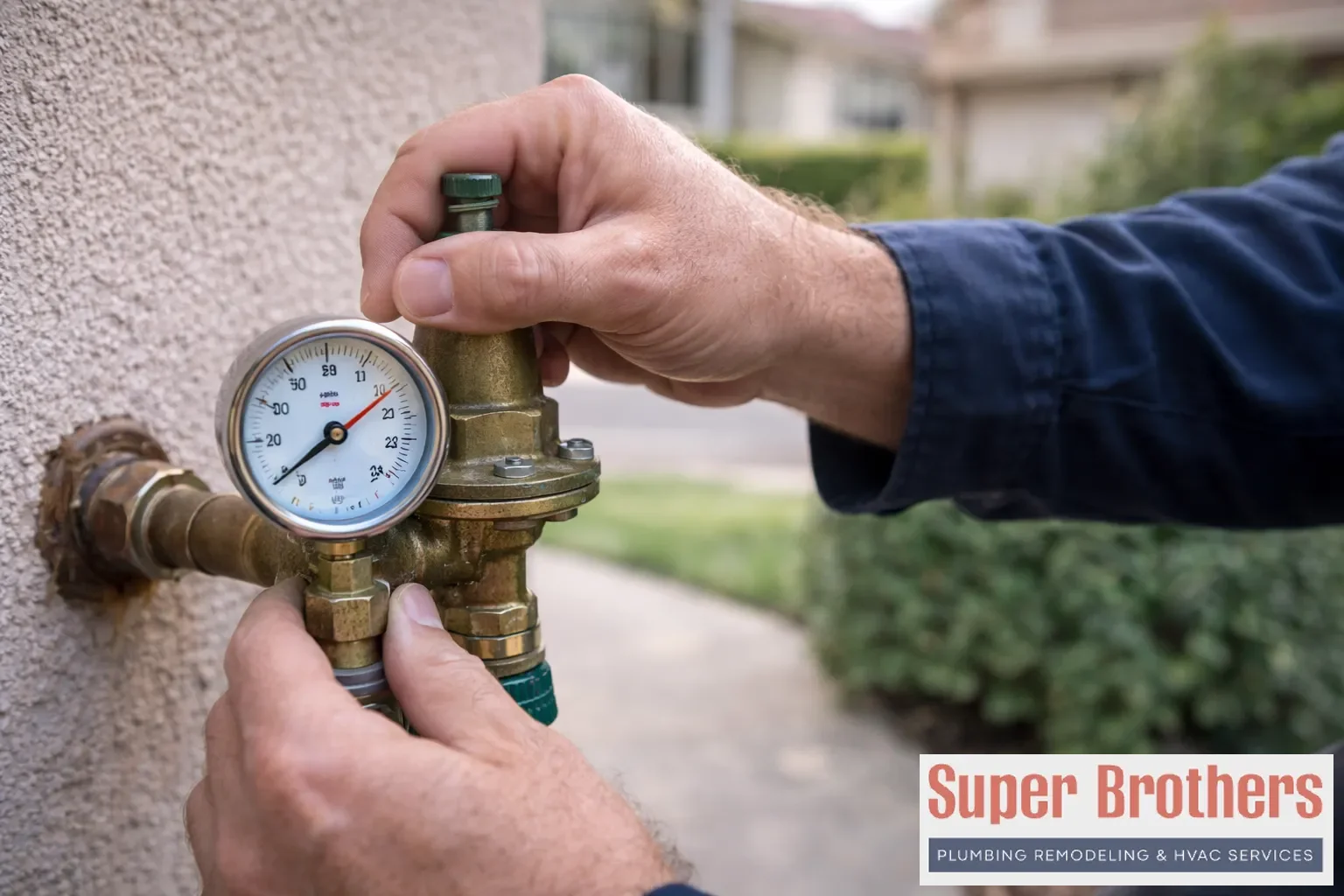
Not every pressure issue means the valve is dead. Sometimes the setting is off, or the home has had a utility side pressure change and the regulator needs to be checked. San Jose Water suggests testing static pressure at an outside hose bib with no water running inside the home, which is one of the easiest first steps.
If you put a gauge on the hose bib and the pressure is above 80 PSI, that is a clear sign you need to take action. If the reading is in a normal range but the pressure still feels weak inside, the issue may be something else, such as clogged aerators, a partially closed shutoff valve, old galvanized piping, or buildup in specific fixture lines.
A simple adjustment can sometimes help if the valve still responds properly and holds steady after the setting changes. But if the pressure swings back, refuses to change, or keeps drifting, the regulator itself may be worn out. A PRV with a stripped adjustment, internal wear, or a tired spring is not really adjusting anymore. It is just participating.
This is one reason pressure complaints can get misdiagnosed. Low pressure at one sink is often a local fixture issue. High pressure across the whole house, or pressure that bounces around everywhere, is much more likely to point back to the main pressure control at the Pressure Reducing Valve.
Pressure Reducing Valve replacement cost in San Jose and the Bay Area
Now for the part everyone actually wants. What does a Pressure Reducing Valve replacement cost? The honest answer is that price depends on access, pipe size, valve type, whether shutoff valves also need work, and how straightforward the existing plumbing is.
National pricing guides currently place most water pressure regulator replacement jobs around $200 to $700, with an average near $400. That is a useful baseline, but Bay Area homeowners should be careful not to cling to the very bottom of national numbers like it is a life raft. Local labor rates, older plumbing, permit related steps, and hard to reach installations can push the total higher.
For local context, one San Jose installation cost reference shows a basic range around $292 to $601. At the same time, Super Brothers publicly lists water pressure reducing regulator service from $950, which reflects the reality that many Bay Area jobs are not just a quick part swap. On real service calls, pricing often includes diagnosis, shutoff coordination, materials, labor, testing, and the surprise factor that older plumbing loves to bring to the party.
So what should a San Jose homeowner realistically expect? For a clean, easy replacement with good access, modern piping, and no extra repairs, a job can land on the lower end of local pricing. For older homes, tight access, buried or awkward installations, or cases where shutoff valves and nearby fittings also need attention, it is normal for the price to climb.
What affects PRV replacement cost most
- Valve size, usually 3/4 inch or 1 inch in residential homes
- How easy it is to reach the existing regulator
- Whether the nearby shutoff valve also needs repair or replacement
- Pipe material, such as copper, galvanized, or PEX transitions
- Whether corrosion or mineral buildup has made disassembly harder
- Whether the work is routine daytime service or an urgent after hours call
The valve itself is only part of the bill. Labor, access, and risk are often the bigger pricing drivers. If the plumber can isolate the water easily, remove the old valve cleanly, install the new one, and dial in the pressure without extra surprises, the job moves faster and costs less.
Things get more expensive when the regulator is in a cramped crawlspace, set in an awkward exterior box, or tied into older piping that may not appreciate being disturbed. That is why two homes can get very different quotes even when both need a Pressure Reducing Valve replaced. The part may be similar, but the path to getting it in place is not.
If you are comparing estimates, look for more than the final number. Ask whether the quote includes pressure testing, adjustment, leak testing, and cleanup. Also check whether the plumber is planning for the surrounding fittings and shutoffs, because the cheapest quote can become the most expensive one if it leaves weak points behind.
What happens during PRV replacement
A proper Pressure Reducing Valve replacement usually starts with confirming the problem, not just guessing at it. That means checking the pressure, looking at the current valve, inspecting the nearby shutoff setup, and seeing whether there are other clues nearby such as corrosion, old repairs, or stressed fittings. Good diagnosis saves homeowners from paying to replace the wrong thing.
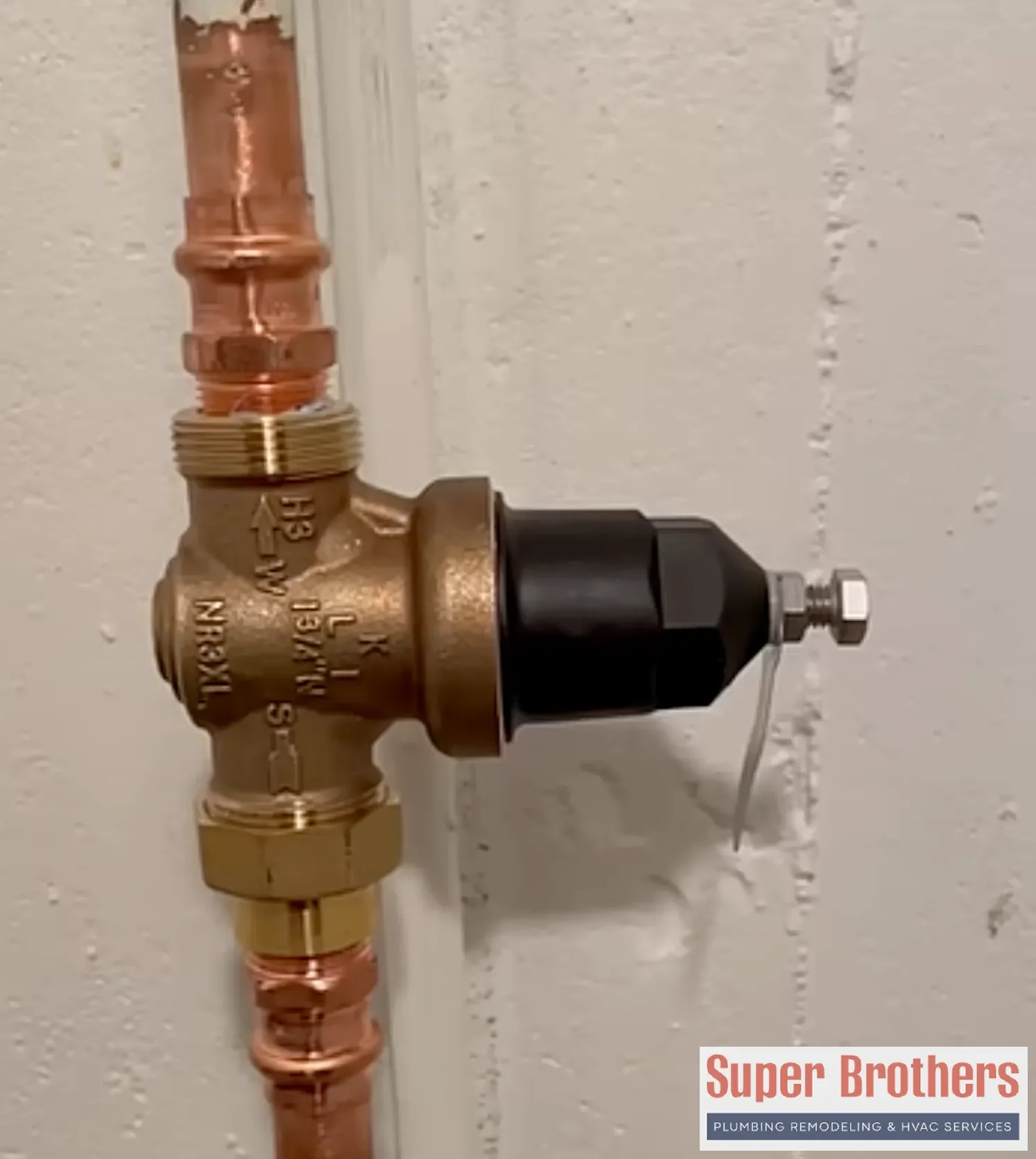
Once the issue is confirmed, the water is shut off and the line is opened so the old valve can be removed safely. The new regulator is installed in the correct direction of flow, connected to the existing plumbing, and then brought online slowly. After that, the pressure is adjusted and tested so the home lands in a stable working range.
This is also when an experienced plumber can catch related problems. Sometimes the PRV is not the only tired part on that section of line. A worn main shutoff, corroded fittings, old unions, or poorly done past repairs can show up once work begins, which is exactly why this is not the best place for a casual weekend DIY experiment.
If you are a very experienced homeowner with plumbing tools and you know your local requirements, you may be tempted to tackle it yourself. Most people are better off leaving this one to a licensed pro. The regulator protects the whole house, and a bad install can turn a pressure problem into a leak problem in a hurry.
How long does a PRV last?
There is no single expiration date stamped on the side that magically tells you the exact month it will fail. In real homes, a PRV’s life depends on water quality, pressure conditions, mineral content, usage, and how hard the valve has been working over the years. Some last a long time. Some tap out earlier.
Many plumbers treat about 10 to 15 years as a common working lifespan for a residential regulator, though that is more of a field expectation than a promise. A valve in a quiet, clean setup may live longer. A valve dealing with heavy pressure, sediment, corrosion, or constant adjustments may not make it nearly as gracefully.
That is why symptoms matter more than age alone. If your Pressure Reducing Valve is old but pressure is stable, fixtures are behaving, and the valve responds to testing, it may still have life left. If it is younger but already leaking, fluctuating, or refusing adjustment, then age is not the issue. Performance is.
When a PRV is not the real problem
It is worth saying out loud that not every pressure complaint is a regulator issue. A single weak shower can come from a clogged showerhead. One slow faucet may just have debris in the aerator. Poor pressure in an older home can also come from old galvanized piping that has narrowed over time.
Likewise, a spike in water bills does not automatically mean the Pressure Reducing Valve is bad. Running toilets, slab leaks, irrigation leaks, and silent fixture drips can also raise usage. The PRV belongs on the suspect list when pressure is too high, unstable, or clearly affecting multiple parts of the house at once.
This is why pressure testing matters. You do not want to replace a house regulator when the actual issue is a partially closed shutoff valve or a fixture level restriction. Good plumbing repair is not about swapping parts and hoping for the best. It is about checking the boring stuff first so the expensive stuff only happens when it truly should.
Should you replace a Pressure Reducing Valve proactively?
Sometimes yes, sometimes no. If a PRV is old, the home has a history of pressure swings, and you are already opening the main line area for other work, replacement can make a lot of sense. It is similar to replacing a tired shutoff valve while the wall is open. You are already there, and it may save you a second service call later.
On the other hand, proactive replacement is not always necessary if the valve is stable and the system is testing well. Homeowners do not need to collect plumbing projects like they are limited edition sneakers. The smarter move is routine pressure testing, watching for symptoms, and replacing the valve when the evidence says it is time.
Simple homeowner tips that help your PRV last longer
You do not have to become a part time plumber to stay ahead of PRV trouble. A few small habits go a long way. Check your water pressure occasionally with a hose bib gauge, pay attention to changes in shower feel, and do not ignore new pipe noise just because it only happens once in a while.
It also helps to treat repeated fixture failures as a clue instead of random bad luck. If a faucet cartridge, fill valve, or supply line fails unusually early, step back and ask whether the whole house pressure has been tested lately. Plumbing usually leaves breadcrumbs before it leaves a mess.
If you have had remodeling work done, a new water heater installed, or utility pressure changes in your area, it is smart to recheck the house pressure afterward. That is especially true in older San Jose homes where a mix of old and new plumbing parts can react differently than a fully updated system.
What to do if you think your PRV is failing
Start with the basics. Test the static pressure at an outside hose bib when no water is running. Make note of any patterns such as pressure that is too high all the time, pressure that fluctuates, or a house full of fixtures that are suddenly acting older than they really are.
Next, look for obvious visual clues. Leaks, corrosion, mineral crust, or wet soil near an exterior valve location are all worth paying attention to. If your regulator adjusts cleanly and the pressure responds correctly, you may only need a tune up. If the pressure does not respond, drifts back, or the valve is visibly deteriorated, replacement is the more likely answer.
For most homeowners, the smartest move after that is to call a licensed plumber. In San Jose and the Bay Area, that means someone who can test accurately, check the nearby shutoff and fittings, and give you a clear replacement recommendation without playing guessing games. A PRV is not a flashy upgrade, but it is one of the quiet pieces that keeps the rest of your plumbing honest.
Final thoughts
A Pressure Reducing Valve does not get much attention when everything is working well, and that is exactly the point. It is supposed to sit there, manage the incoming pressure, and let the rest of your plumbing have a peaceful life. When it starts failing, the symptoms can look random at first, but the pattern becomes obvious once you know what to watch for.
For San Jose and Bay Area homeowners, the big takeaways are simple. Pressure above 80 PSI deserves attention. Indoor pressure that lands around 50 to 60 PSI is usually the comfortable target. And if you are seeing pressure swings, repeat fixture failures, banging pipes, or leaks at the valve, it is time to stop shrugging and start testing.
If you need a professional opinion, Super Brothers Plumbing, Heating, Air, Electrical, and Bathroom Remodeling serves San Jose and the Bay Area with clear recommendations and practical repair options. A quick inspection today can save you from the kind of plumbing surprise nobody wants showing up right before guests, laundry day, or a weekend project that already got too ambitious.
Schedule service with Super Brothers
Frequently Asked Questions
What is a normal water pressure setting for a home in San Jose?
A good indoor target is usually around 50 to 60 PSI. That range tends to give you solid everyday performance without putting extra stress on fixtures, supply lines, and appliances.
Is a Pressure Reducing Valve required if my water pressure is too high?
California plumbing references require pressure regulating equipment when pressure exceeds 80 PSI. If your home tests above that level, the regulator is not just a nice add on. It is the right fix.
How do I know if my PRV is bad?
Common clues include pressure that is too high, too low, or inconsistent, pipe banging, repeated faucet or toilet valve failures, and leaks or corrosion at the regulator body. The clearest next step is to test the home’s static pressure with a gauge.
How much does PRV replacement cost in the Bay Area?
Nationally, many jobs fall in the $200 to $700 range, but Bay Area pricing often runs higher because of labor rates, home age, access, and surrounding plumbing conditions. A local San Jose estimator shows a basic install around $292 to $601, while Super Brothers lists water pressure reducing regulator service from $950.
Can a PRV cause low water pressure?
Yes. A failing regulator can get stuck, drift out of adjustment, or restrict flow in a way that makes the whole house feel weak. But low pressure at one fixture only is often a separate issue.
Can I replace a Pressure Reducing Valve myself?
Highly experienced homeowners may be able to handle it, but for most people this is better left to a licensed plumber. The valve protects the whole house, and a poor install can create bigger problems than the original issue.
Who is responsible for the PRV in San Jose?
San Jose Water states that the pressure regulator on the house side is installed and maintained by the customer. In other words, it is generally the homeowner’s responsibility.
Sources
San Jose Water, Water Pressure
Padre Dam Municipal Water District, Water Pressure and California Plumbing Code summary
Watts, Water Pressure Reducing Valves
Angi, Water Pressure Regulator Replacement Cost
HomeAdvisor, Water Pressure Regulator Replacement Cost
Handoff, Cost to Install Pressure Regulator Valve in San Jose
Super Brothers Quality
Choose Super Brothers Plumbing Heating & Air because we use top-tier materials, deliver honest workmanship, and back every job with a real warranty. Our pricing is fair and transparent—no hidden fees, ever.
We pull the permits, build to California code, and pass inspection. Our licensed, highly experienced team handles full plumbing and heating/air replacements and installations, so the job’s done right the first time.
- Top-tier materials
- Honest, quality service
- Workmanship warranty
- Fair, transparent pricing (no hidden fees)
- Permits handled; California code compliant; passes inspection
- Licensed & experienced in plumbing and HVAC installs





Refer Friends, Reap Rewards

Share our expert plumbing services with friends and family. For every successful referral, you earn cash rewards. Refer Now

Ready To Experience Super Brothers Difference! Let’s Start a Conversation!
Financing Options

Super Brothers offers an Installment Payment Plan with 0% Interest for Projects over $1000

Fin tech company that provides payment solutions in the home improvement sector.

Flexible financing for your next home improvement project

Wells Fargo Home Projects Credit Card