You hear “repipe” and picture a total glow-up: all the crusty old galvanized pipes gone, shiny new lines in their place.
Then you spot an old section still hiding behind a wall and think, “Wait… did I just pay for the plumbing version of ‘mostly renovated’?”
Here’s what’s actually going on, why it happens, and when it’s worth pushing for a full repipe.
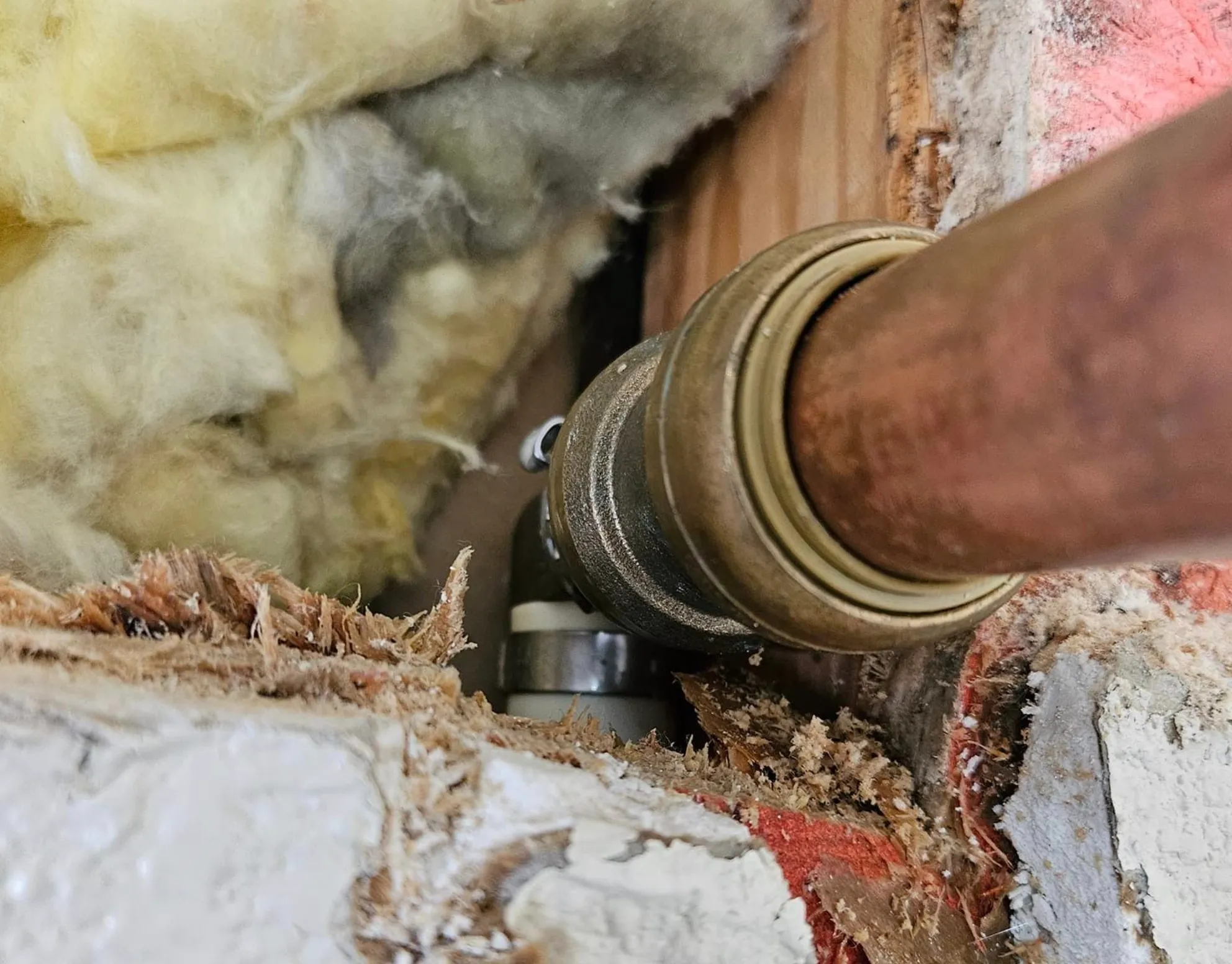
Repiping is the process of replacing old, worn, or problem-prone water pipes with newer materials like copper, PEX, or PVC (depending on the job). The key detail: repiping doesn’t always mean every single pipe gets replaced. A lot of repipes target the pipes that are easiest to reach—like lines in a basement, crawlspace, utility room, or exposed runs. Pipes that run inside walls (vertical risers, runs between floors, and lines feeding upstairs bathrooms) can be a different story. Full-home repiping usually costs more because it’s not just plumbing work. It’s also the “put the house back together” work: Homeowners often assume repipe means every pipe in the entire plumbing system. But many repipe projects focus on water supply lines. Also, some contractors replace mains and branches, but leave short “stub-outs” or hard-to-reach sections unless they’re actively failing. Partial repiping can absolutely help, but old galvanized sections can still cause headaches. Here are the big ones: Translation: leaving old pipe behind isn’t automatically a disaster—but it can be the plumbing equivalent of keeping one old flip phone on a brand-new family plan. Partial repiping is often a practical compromise. It can: In many homes, vertical pipes in the walls have survived longer simply because they’re protected from temperature swings and physical damage. A full repipe is usually worth considering when the remaining old pipe is likely to cause ongoing issues or future failures. If old pipes are still in place after a repipe, it usually means the job was a partial repipe—often done to reduce cost and avoid tearing up walls. If you’re not sure what you have, a plumbing inspection can identify remaining materials and help you decide whether finishing the repipe now Talk to a repipe specialist to confirm what’s been replaced and what’s still in service.
What “Repiping” Really Means
It’s common in older homes where galvanized steel has had decades to rust, narrow, and start acting up.
Many homes get a partial repipe—and that’s where the surprise comes from.Why Old Pipes May Still Be There After a Repipe
1) Access: “Easy pipes” vs. “Get-out-the-drywall” pipes
These are often the pipes most likely to leak or corrode because they’re older, visible, and easier to work on.
Replacing those can require opening walls and ceilings, working around framing, and then paying for patching, texture, paint, or tile repairs afterward.
That’s why some projects stop short of “everything.” 2) Budget: full repipe = more labor + more repairs
drywall, paint, tile, and sometimes cabinetry or access panels.
Many homeowners choose a partial repipe because it fixes the biggest issues while keeping the project (and disruption) manageable. 3) Scope: sometimes the repipe is “water lines,” not “everything plumbing”
Drain, waste, and vent piping (DWV) is a separate system and may not be part of the scope unless specifically quoted.
Not ideal in every home—but common.The Risks of Leaving Old Galvanized Pipes in Place
A proper installer uses the correct transition method (often a dielectric fitting/union where required) to reduce that risk.
It might work… until it doesn’t.Why Plumbers Recommend Partial Repiping
But “survived” and “will last another 10–20 years” are not the same thing—so the remaining pipe material still matters.Should You Go for a Full Repipe?
Here are signs a full repipe may be the smarter long-term move: What to Ask After a Repipe (So There Are No “Hidden Pipe” Surprises)
Bottom Line
That can be totally reasonable, but if galvanized steel is still active in the system, it can still limit pressure, affect water quality, and create future leak risk.
(or during a remodel) will save you money and stress later.
Super Brothers Quality
Choose Super Brothers Plumbing Heating & Air because we use top-tier materials, deliver honest workmanship, and back every job with a real warranty. Our pricing is fair and transparent—no hidden fees, ever.
We pull the right permits, build to California code, and pass inspection. Our licensed, highly experienced team handles full plumbing and heating/air replacements and installations, so the job’s done right the first time.
- Top-tier materials
- Honest, quality service
- Workmanship warranty
- Fair, transparent pricing (no hidden fees)
- Permits handled; California code compliant; passes inspection
- Licensed & experienced in plumbing and HVAC installs




Refer Friends, Reap Rewards

Share our expert plumbing services with friends and family. For every successful referral, you earn cash rewards. Refer Now

Ready To Experience Super Brothers Difference! Let’s Start a Conversation!
Financing Options

Super Brothers offers an Installment Payment Plan with 0% Interest for Projects over $1000

Fin tech company that provides payment solutions in the home improvement sector.

Flexible financing for your next home improvement project

Wells Fargo Home Projects Credit Card