Most homeowners don’t think about their drains until the sink starts acting like it’s on a coffee break. One minute you’re rinsing a pan, the next minute you’ve got standing water and weekend plans circling the drain. You’re not alone, between older pipes, tree roots, and everyday kitchen + bathroom gunk, drain clogs are basically a local tradition.
The real question is whether calling a pro is actually worth the money, or if it’s one of those “adulting expenses” you can dodge with a plunger and good intentions. The honest answer: sometimes DIY is totally fine, and sometimes it’s like trying to fix your phone screen with duct tape. This article will help you tell the difference, so you spend money when it counts—and keep it in your pocket when it doesn’t.
If you’re reading this on Super Brothers’ site, you’re probably the kind of homeowner who’d rather solve a problem once than keep revisiting it every other month. Same. Let’s break down what professional drain cleaning actually does, when it’s a smart move, and how to keep your drains from turning into a recurring character in your life.
Why drains clog in the first place (and why it keeps happening)
Clogs usually aren’t one big “thing” stuck in a pipe. Most of the time, it’s buildup—layers of stuff that slowly narrow the pipe until water can’t move the way it should. Think of it like plaque for plumbing, except you can’t floss it out with a toothbrush.
In kitchens, the usual suspects are cooking grease, oils, and food particles. Grease is sneaky because it goes down as a warm liquid, then cools and sticks to pipe walls. Over time, it collects more debris, and that “small problem” becomes a full-on blockage.
Local utilities around us talk about this constantly because it’s a huge source of backups. Sacramento Area Sewer District and Bay Area agencies like SFPUC and EBMUD all warn that fats, oils, and grease can cling to pipes and help create blockages that can back up into homes. That’s not marketing—that’s wastewater crews seeing the same mess over and over.
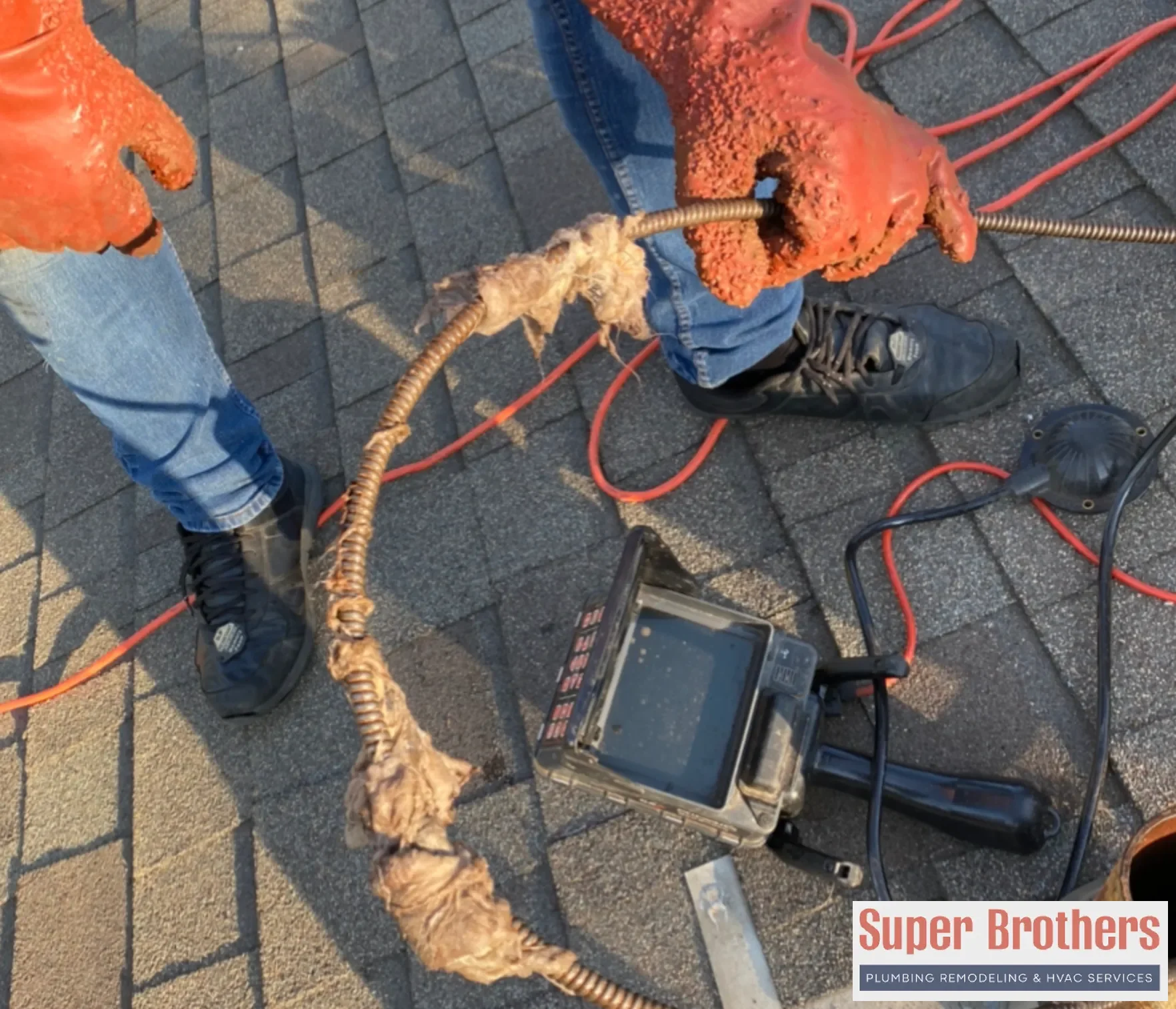
Bathrooms are a different flavor of annoying. Hair, soap residue, and product buildup team up like they’re forming a supergroup. A little hair catches on the pipe, soap scum builds around it, and soon your shower drains at the pace of a sad violin song.
Then there are wipes—especially the ones labeled “flushable.” Multiple agencies (including EPA and local sewer districts) point out that wipes don’t break down like toilet paper and can cause blockages. If you’ve ever seen a toddler refuse to let go of a toy, you understand how wipes behave in plumbing.
And in Sacramento—aka the City of Trees—tree roots are a real deal issue. Roots look for moisture, and older sewer lines with joints, cracks, or tiny openings can become a target. Roots can intrude and create blockages that keep coming back until the line is cleaned properly and the underlying issue is addressed.
One more factor people don’t always connect to drains is hard water. Mineral buildup can coat pipe walls over time, making it easier for debris to catch and clogs to form. Some Sacramento and Bay Area neighborhoods see this more than others, and it’s one reason a “mystery slow drain” can turn into a repeat offender.
What you can (and should) try before calling a pro
Not every slow drain needs a service call. If the clog is close to the drain opening, a few basic steps can solve it fast. The key is knowing when you’re doing helpful DIY versus “I’m making soup in my shower drain.”
Start with the simplest stuff first. Remove the drain cover and pull out any visible hair or gunk (yes, it’s gross—yes, it works). For many bathroom clogs, the issue is right there near the top, and you can fix it in minutes.
A plunger can also be surprisingly effective on sinks, tubs, and toilets, as long as you’re using it correctly. You want a good seal, steady pressure, and a few strong pushes—not a frantic five-second workout. If the water level drops and things start moving again, you probably had a soft clog that broke loose.
If you’re comfortable and it’s under a sink, cleaning the P-trap can solve a stubborn sink clog. That’s the curved pipe under the sink that catches debris (and sometimes missing jewelry). Put a bucket down, loosen the slip nuts, and clear it out—then run water to confirm you’re back in business.
What I don’t love as a first move is going nuclear with harsh chemicals. Some products can be safe if used exactly as directed, but they can also be risky if overused, mixed, or poured into a drain that’s fully blocked. If you ever plan to call a plumber afterward, chemicals can also make the job more dangerous for the person working on your line.
If DIY fixes don’t improve things, or the drain works “for now” but slows again a week later, that’s your sign the issue is deeper than the first few feet of pipe. That’s where professional drain cleaning starts to make real sense.
What professional drain cleaning actually does (and why it can last longer)
Professional drain cleaning isn’t just “stronger plunging.” It’s a combination of diagnosing the real cause and using the right tool to fully clear the line. The big difference is that a pro is trying to remove the buildup and restore normal flow—not just punch a hole through a clog and hope for the best.
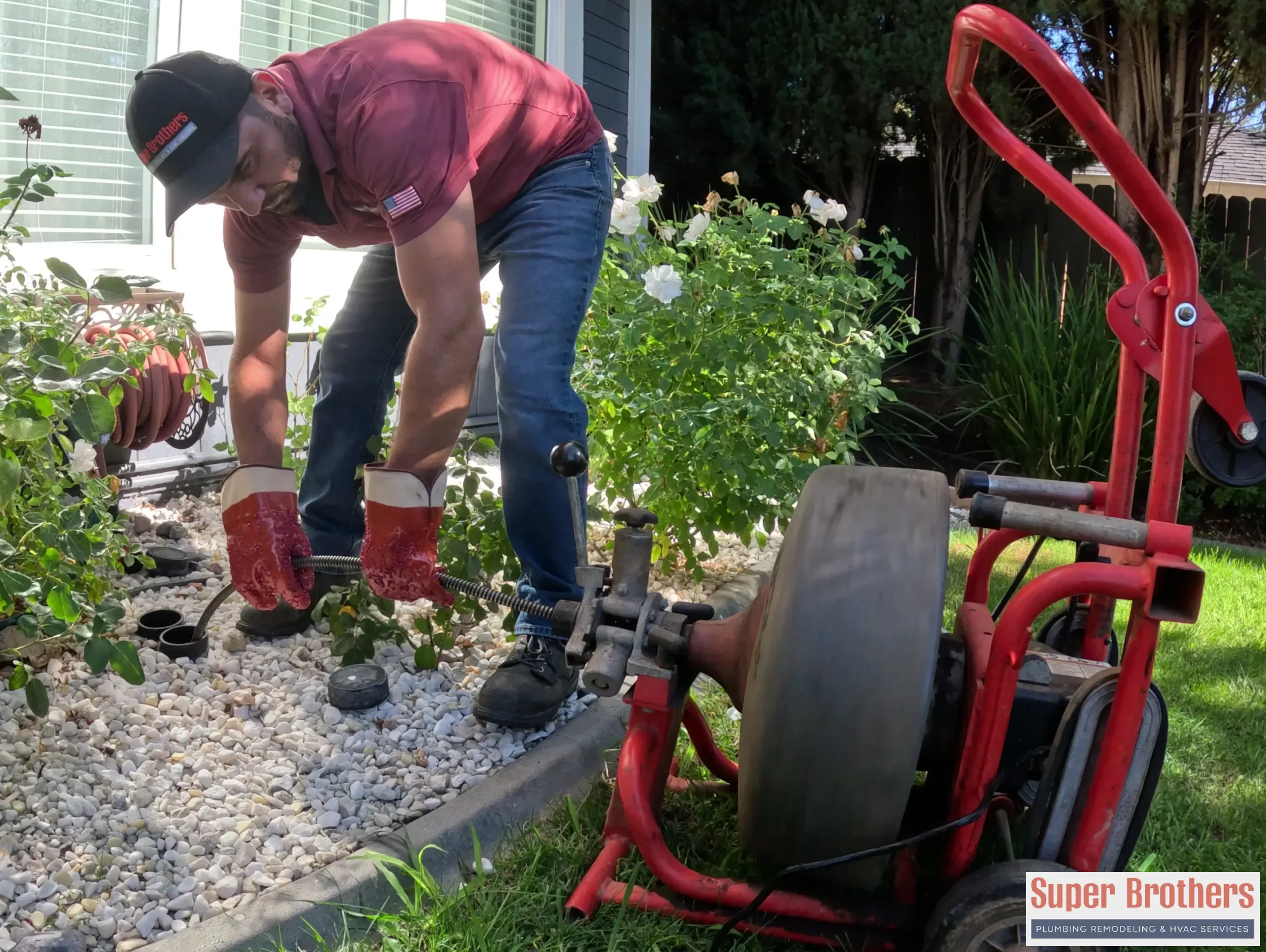
In many cases, a plumber will start with targeted clearing using a cable machine (often called a snake/auger). For certain clogs—like hair, paper buildup, or localized blockages—this can be the right approach. It’s quick, effective, and doesn’t require turning your house into a construction zone.
When the problem is heavy grease, sludge, or buildup along the pipe walls, hydro jetting can be a better option. Hydro jetting uses a high-pressure stream of water with a specialized nozzle to scour the inside of pipes and flush debris out. Major drain service providers describe water jetting as a way to clean the inside of the pipe, not just break a path through the clog.
Hydro jetting isn’t automatically the answer for every home. The condition and material of the pipes matter, especially in older Sacramento and Bay Area neighborhoods where you might find aging cast iron, clay, or lines with previous repairs. A good plumber chooses the method based on what the pipe can handle and what’s actually inside it.
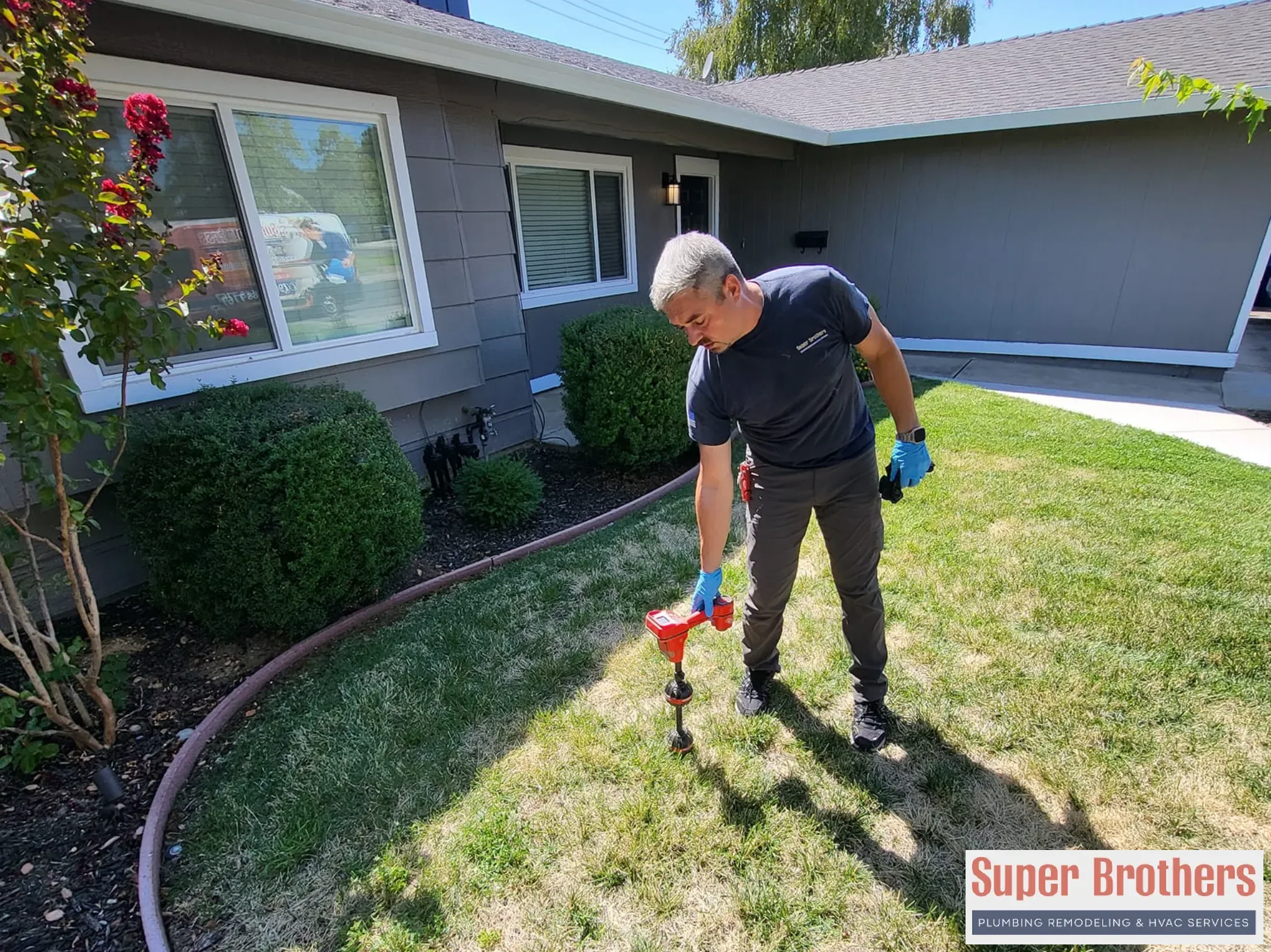
Another “pro move” is the camera inspection. If you’ve got recurring clogs, multiple slow drains, or any suspicion of root intrusion or a damaged line, a sewer camera can show what’s happening without guesswork. Seeing the inside of the line helps you avoid paying for the wrong fix—because clearing a clog is great, but clearing the wrong clog is just expensive cardio.
So… is it worth it? Here’s the honest way to decide
Professional drain cleaning is worth it when it saves you from repeating the same problem, protects your plumbing from damage, or uncovers a bigger issue before it becomes a bigger bill. It’s not worth it when you can clearly solve the problem safely in 10 minutes with basic tools and the clog doesn’t return.
The homeowners who benefit most are the ones dealing with recurring slow drains, older plumbing, or “whole-house” symptoms. In Sacramento and the Bay Area, that often includes older homes with mature landscaping, long sewer runs, and pipe materials that have seen a few decades of life.
Here’s a practical rule: if the problem affects one fixture one time, DIY is reasonable. If it affects multiple fixtures, keeps coming back, or comes with warning signs that suggest a deeper blockage, it’s time to bring in someone who can diagnose and clear it the right way.
- It’s usually time to call a pro if: more than one drain is slow (or your toilet bubbles when the shower runs).
- It’s worth a professional visit if: clogs keep returning after plunging/snaking, or you’re relying on chemicals repeatedly.
- You should get it checked out if: you hear frequent gurgling, smell persistent sewer-like odors, or your drains are slow across the house.
- In Sacramento/Bay Area homes: recurring issues can point to root intrusion or buildup deeper in the sewer lateral—especially in older neighborhoods with mature trees.
Also, if you’re a homeowner who values your time (and your sanity), there’s something to be said for not spending your Saturday doing the same drain ritual for the third month in a row. “Worth it” isn’t just dollars—it’s also the cost of having a home that runs normally without surprise plumbing side quests.
Local reality check: Sacramento and Bay Area drains have their own personality
Our region has a mix of older housing stock and newer developments, and both can have drain issues—just for different reasons. Older homes in Midtown Sacramento, East Sacramento, Land Park, parts of Oakland, Berkeley, and San Francisco often have older sewer laterals and mature trees. Those two things together can be a recipe for root intrusion and recurring blockages.
Local agencies put a lot of effort into public reminders because the same behaviors cause the same problems. SacSewer campaigns highlight “unflushables,” and Bay Area utilities like SFPUC and EBMUD emphasize keeping grease and wipes out of the system. If the people maintaining miles of sewer lines are begging the public to stop flushing wipes, it’s not because they’re bored.
Another local factor is food culture (in a good way). We cook. We host. We do big meals. And right after the holidays, plumbers and sewer districts tend to see a spike in grease-related problems. It’s not a moral failing—it’s just what happens when warm grease meets cool pipes and decides to settle down permanently.
For homeowners, the takeaway is simple: if you live in Sacramento or the Bay Area and you’ve got repeat drain issues, you’re not “unlucky.” You’re probably dealing with something structural (roots, pipe condition) or something habitual (grease, wipes, hair) that needs the right fix plus a few behavior tweaks.
What a good drain cleaning service should include
If you’re hiring a pro, you’re not just paying for tools—you’re paying for judgment. The goal is to clear the drain safely, keep it working longer, and avoid accidentally damaging pipes. A quality drain cleaning appointment should feel organized, not chaotic.
At Super Brothers, we typically approach drain issues by matching the method to the problem, not forcing one “favorite” solution on every home. Sometimes it’s a simple cable clearing. Sometimes hydro jetting is the right move. And when the symptoms point deeper, a camera inspection can save a lot of guessing.
When you’re booking drain service in Sacramento or the Bay Area, ask a few direct questions. You want clarity on what they’ll do, what it costs, and what happens if the drain clogs again soon after.
- Ask what method they recommend (cable/snaking, hydro jetting, camera inspection) and why.
- Ask what’s included (cleanup, testing multiple fixtures, basic inspection, any warranty on the clearing).
- If your home is older, ask whether they evaluate pipe condition before using high-pressure cleaning.
- If clogs are recurring, ask whether a camera inspection is recommended to rule out roots, offsets, or damaged pipe sections.
If you’d like to book service with Super Brothers, you can start here: drain cleaning. If you’re dealing with stubborn buildup or recurring clogs, you may also want to look at hydro jetting or sewer camera inspections.
What about chemical drain cleaners—are they bad, or just misunderstood?
They’re not automatically “evil,” but they’re easy to misuse. Some mainstream guidance notes that certain products can be safe for typical household plumbing when used exactly as directed, while still warning against frequent use and mixing with other chemicals. That last part matters—mixing cleaners is where homeowners can get into trouble fast.
From a practical standpoint, chemical cleaners don’t solve every clog type. They usually work best on small, organic clogs near the fixture, and they don’t do much for wipes, toys, heavy grease buildup down the line, root intrusion, or pipe defects. That’s why people end up using them repeatedly—because the real issue is still there.
If you already used a chemical cleaner and the drain still isn’t right, be upfront when you call for service. It helps your technician work safely, and it avoids surprises when the line is opened or cleared.
How often should drains be cleaned professionally?
There’s no one-size schedule that fits every home, and anyone pushing a rigid annual plan for every household is overselling it. The better approach is symptom-based. If your drains run normally and you’re not having recurring issues, you don’t need routine professional cleaning “just because.”
On the other hand, some homes benefit from preventive cleaning—especially if you’ve had repeat kitchen clogs, you cook often, you’ve got older lines, or you’ve dealt with roots before. In those cases, periodic cleaning can be cheaper and less annoying than emergency calls.
For many Sacramento and Bay Area homeowners, the sweet spot is addressing problems early. Don’t wait until it’s a full stoppage. A slow drain that keeps getting slower is basically your plumbing sending you a calendar invite.
Simple habits that keep drains clear (without turning you into a “perfect homeowner”)
You don’t need to live like a monk to keep drains happy. A few small habits make a big difference, especially in kitchens and showers. The goal is to keep the “sticky stuff” and the “tangly stuff” out of your pipes as much as possible.
In the kitchen, scrape plates and pans into the trash or organics bin before rinsing. Let grease cool in a container and throw it out, instead of washing it down. Local Sacramento and Bay Area utilities consistently recommend keeping fats, oils, and grease out of drains because it builds up and contributes to clogs and backups.
In the bathroom, use a simple hair catcher and clean it regularly. It’s a tiny step that prevents the most common shower clog ingredient from entering the pipe in the first place. If you want a low-effort win, this is it.
And please, for the love of future-you, don’t flush wipes. Even “flushable” wipes are widely cited by agencies and consumer advocates as a cause of clogs because they don’t break down like toilet paper. Put them in the trash and move on with your day.
Bottom line: when professional drain cleaning is absolutely worth it
If you’ve got recurring clogs, multiple slow drains, signs of a deeper blockage, or you live in an older Sacramento or Bay Area home where roots and aging sewer lines are common, professional drain cleaning is usually worth it. It’s the difference between “temporary relief” and actually getting your plumbing back to normal. You’re paying for a solution that lasts longer and reduces repeat headaches.
If it’s a one-time clog near the drain and a basic DIY fix solves it, you can skip the service call and feel good about it. The trick is not letting a repeating problem turn into your new monthly hobby. Your weekends deserve better.
Need help in Sacramento, the Bay Area, or nearby communities? Super Brothers provides plumbing drain cleaning, hydro jetting, and sewer diagnostics, plus HVAC, electrical, and bathroom remodeling services when you’re ready for bigger upgrades. Schedule service here: contact Super Brothers.
FAQ
How do I know if a clog is in my main sewer line?
If multiple drains are slow at the same time, toilets bubble when other fixtures run, or you’re seeing backups in the lowest drains (like a shower on the first floor), that can point to a main line issue. A camera inspection is often the fastest way to confirm what’s happening and where.
Is hydro jetting safe for older pipes?
It can be, but it depends on the pipe material and condition. A good plumber evaluates the situation first, and may recommend a camera inspection before using high-pressure water—especially in older homes with clay, cast iron, or previously repaired sections.
Can professional drain cleaning remove tree roots?
Roots can often be cut and cleared, but if the pipe is cracked, misaligned, or has openings that invite roots back in, the problem may return. Clearing the roots is step one; preventing repeat intrusion may require repair, lining, or replacement depending on the pipe’s condition.
Do “flushable” wipes really cause clogs?
Yes. Many wastewater agencies and consumer advocates warn that wipes don’t break down like toilet paper and can contribute to blockages. Even when they go down, they can snag, tangle, and combine with grease and other debris.
What should I do before the plumber arrives?
Stop running water to the affected fixtures, clear the area under sinks or around cleanouts, and write down what you’ve noticed (which drains are affected, when it started, and whether anything changed). If you used a chemical cleaner, let the technician know.
Do you service both Sacramento and the Bay Area?
Yes. Super Brothers serves Sacramento-area communities and many Bay Area locations. If you’re not sure whether you’re in the service area, use our contact page and we’ll point you in the right direction.
Sources
Sacramento Area Sewer District (SacSewer) – SacTown Unflushables
SacSewer – Fats, Oils, and Grease reminder (FOG)
San Francisco Public Utilities Commission – Grease in pipes and sewer backups
East Bay Municipal Utility District (EBMUD) – Fats, oils and grease guidance
Consumer Reports – Are “flushable” wipes really flushable?
USDA Forest Service – Review on tree root intrusion in sewer systems
Super Brothers Quality
Choose Super Brothers Plumbing Heating & Air because we use top-tier materials, deliver honest workmanship, and back every job with a real warranty. Our pricing is fair and transparent—no hidden fees, ever.
We pull the permits, build to California code, and pass inspection. Our licensed, highly experienced team handles full plumbing and heating/air replacements and installations, so the job’s done right the first time.
- Top-tier materials
- Honest, quality service
- Workmanship warranty
- Fair, transparent pricing (no hidden fees)
- Permits handled; California code compliant; passes inspection
- Licensed & experienced in plumbing and HVAC installs



Refer Friends, Reap Rewards

Share our expert plumbing services with friends and family. For every successful referral, you earn cash rewards. Refer Now

Ready To Experience Super Brothers Difference! Let’s Start a Conversation!
Financing Options
Super Brothers offers an Installment Payment Plan with 0% Interest for Projects over $1000

Fin tech company that provides payment solutions in the home improvement sector.
Flexible financing for your next home improvement project

Wells Fargo Home Projects Credit Card