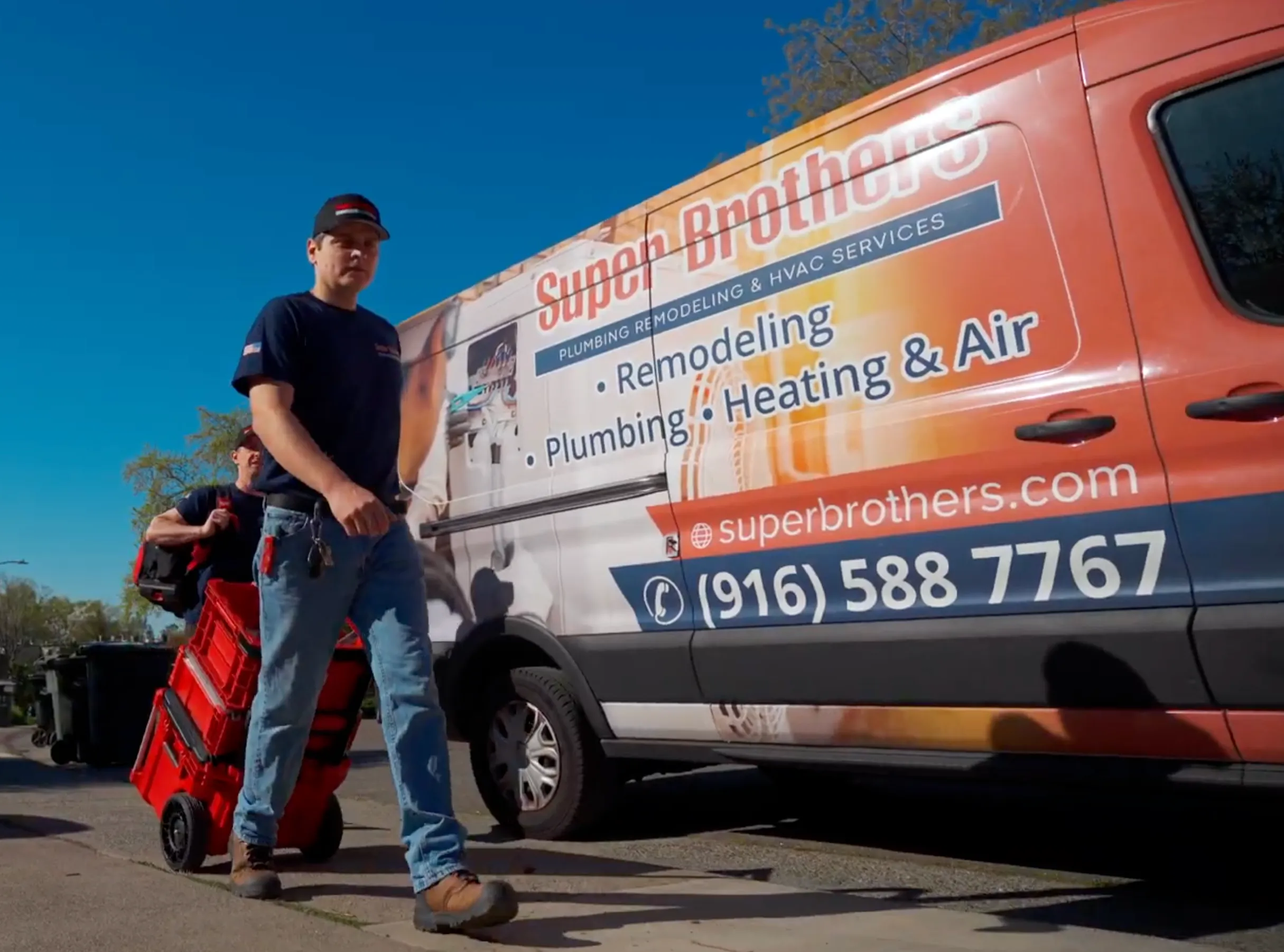
Most homeowners want the same answer when the hot water quits, how fast can this get fixed without turning the day into total chaos. In most straightforward cases, a hot water heater replacement takes about two to three hours, and many jobs are finished in less than half a day. That is the good-news version, and it is very real when the new unit matches the old one and the setup is still in decent shape.
The longer answer is that one hot water heater replacement can be quick, while the next one turns into a bigger project because the house has other ideas. Old shutoff valves, worn gas lines, venting issues, tight access, earthquake bracing, and permit requirements can all stretch the timeline. Around Northern California, especially in Sacramento and the Bay Area, those code and access details matter more than people expect.
If you are wondering how long does a hot water heater replacement take because your current unit is leaking, making popcorn noises, or barely producing lukewarm water, the safest expectation is this. Plan for a half day if the job is simple, and keep a full day open in case the installer has to fix hidden issues along the way. That mindset usually keeps the stress level lower and the schedule more realistic.
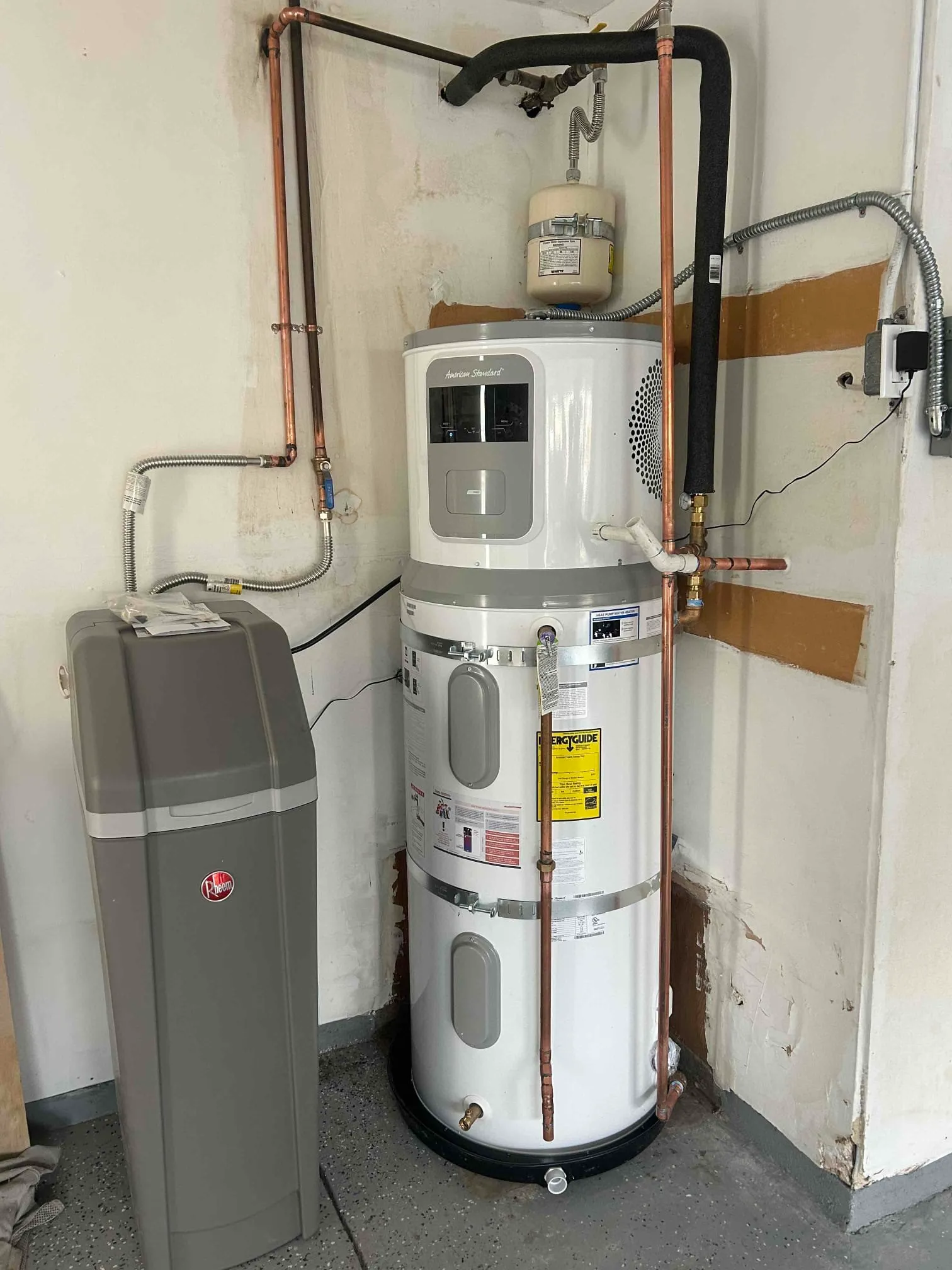
The short answer most people are really looking for
A straight swap is the fastest version of the job. That means the old tank comes out, a similar tank goes back in, the fuel type stays the same, and the water heater stays in the same location. When that is the setup, the work often moves along like a clean tire change instead of a full engine rebuild.
Things slow down when the replacement is not truly a swap. Maybe the old venting does not meet current standards, the earthquake straps are missing, the drain pan needs to be added, or the gas shutoff is past its prime and decides today is the day to retire. That is when a simple appointment starts acting like a home-improvement plot twist.
Here is a practical way to think about the timeline. The unit itself is only part of the job, because the installer also has to safely shut things down, drain the old heater, remove it, set the new one, reconnect everything, test it, check for leaks, and make sure the setup is ready for inspection where required. So even when the work is smooth, a good hot water heater replacement is not a 30 minute magic trick.
- A simple tank to tank replacement in the same spot often lands around two to three hours.
- A tankless to tankless swap can also be fairly quick when the setup is already in place.
- An older installation that needs code updates or new connections can take four to six hours.
- A switch from tank to tankless can take most of the day, and sometimes longer if extra venting, gas, or electrical work is needed.
Why one replacement is easy and the next one is a whole saga
The first thing that changes the clock is the kind of unit you are replacing. If you already have a gas tank and you are putting in another gas tank with similar size and connections, that is the fastest path. The installer is working with an existing layout, and that usually keeps surprises to a minimum.
Access matters more than most people think. A heater sitting in a roomy garage is one thing, while a heater tucked into a hallway closet, attic corner, or tight utility room is another story entirely. Even moving the old tank out without dinging walls, flooring, or door frames can add time.
Then there is the condition of everything around the heater. Water lines that have seen one too many decades, brittle vent pieces, seized valves, rusted fittings, or a platform that no longer makes sense can all slow the work down. It is a little like trying to change a light fixture and learning the electrical box has been hanging on by vibes since the late 90s.
The type of fuel also changes the pace. Gas units bring venting and combustion safety into the picture, while electric units can involve breaker checks, wiring condition, and available power. Tankless upgrades often take longer because they may need new venting, different gas sizing, or electrical changes before the new unit can even be mounted.
What actually happens during a hot water heater replacement
The job usually starts with a quick site review. The installer checks the existing setup, confirms the model and size, looks at shutoffs, venting, drain lines, access, and any obvious code issues, then makes sure the replacement plan still fits the house. This is not wasted time, it is the part that prevents a messy do-over later.
Next comes shutting off the fuel or power and draining the old tank. Depending on how much sediment is inside, draining can be quick or annoyingly slow. If the old heater has years of mineral buildup, it may empty like a milkshake through a coffee straw.
Once the old unit is disconnected, it has to be moved out safely. That sounds simple until you remember a full-size tank is bulky, awkward, and often located in the least convenient corner of the house. Getting it out cleanly can take real effort, especially in older homes with tight clearances.
After that, the new unit is set in place and the real installation work begins. The plumber reconnects water lines, gas or electric service, venting where needed, drain piping, shutoff components, and any required safety items. This is also the point where code upgrades show up and either keep the job moving or politely hijack the timeline.
The last part is testing and cleanup. The new heater is filled, checked for leaks, fired up or powered on, and verified for proper operation. A good installer does not just leave once the connections are tight, they make sure the system is actually working the way it should.
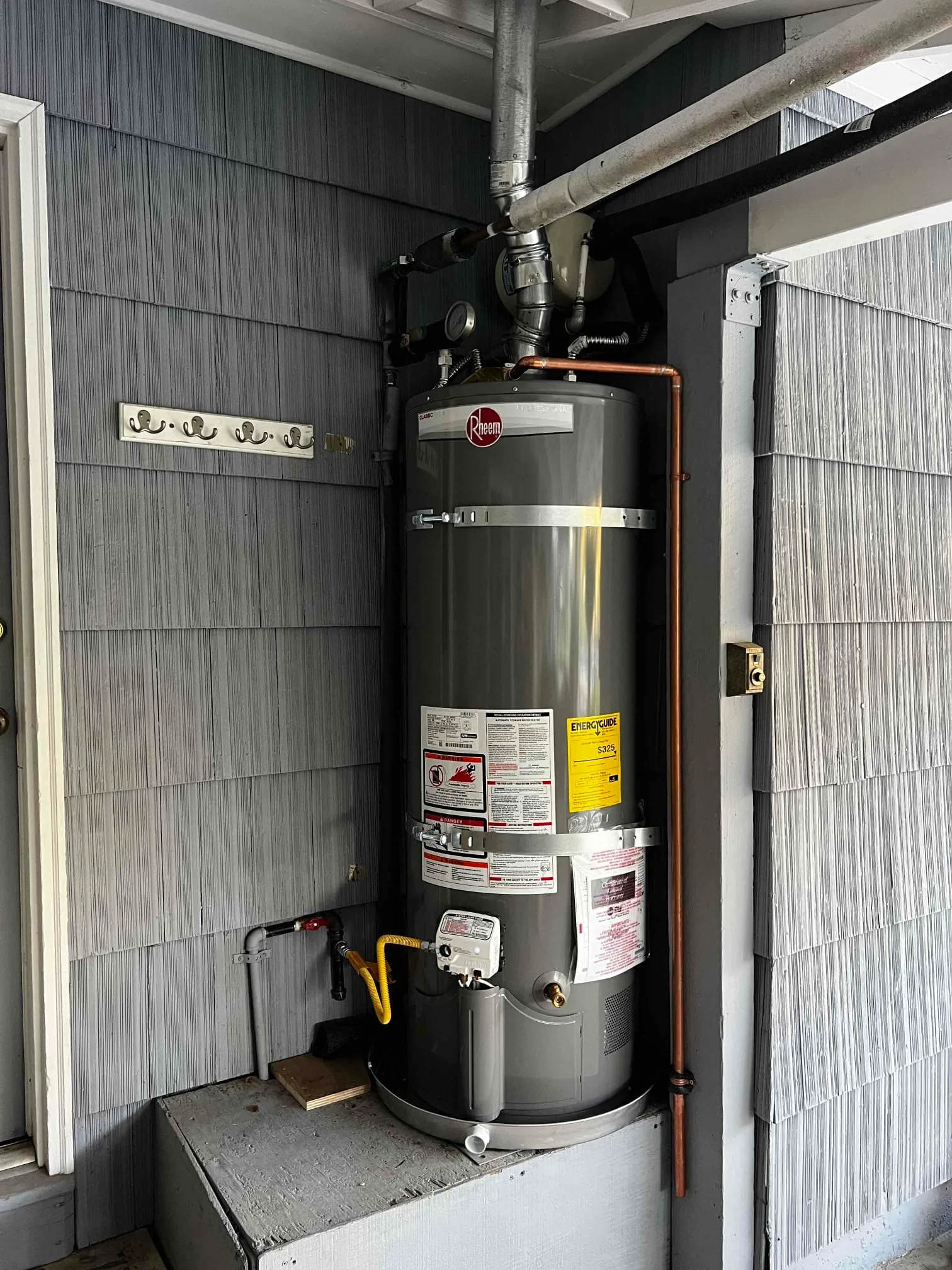
Northern California details that can add time
For homeowners in Sacramento and the Bay Area, permit handling is part of the real timeline, not some side note buried in fine print. The City of Sacramento lists permit fees for new or replacement water heaters, and San Jose says the installation or change out of any water heater requires a finaled plumbing permit. That means the schedule is not only about tools and labor, it is also about doing the work correctly and leaving a paper trail that checks out.
California also takes water heater bracing seriously, and for good reason. State earthquake guidance says a water heater must be braced when a new one is installed, and that bracing is part of what keeps the unit from tipping and damaging gas or water lines during a quake. In real life, adding proper straps is not usually a huge delay, but it is one more step that belongs in the timeline.
Local water conditions can play a role too. East Bay utility information shows that water hardness can vary across the region, and San Jose notes that reducing hardness can help water heaters last longer and reduce buildup in pipes. That does not mean every Sacramento or Bay Area replacement turns into a hard-water battle, but it helps explain why some old fittings come apart easily and others act like they were welded in place by history itself.
Another local wrinkle is house age and layout. Northern California has a mix of older homes, remodeled homes, and newer builds, and those setups are not all equally installer-friendly. The heater may be in a garage, closet, utility room, or another spot that looked fine on paper but turns into a full-body yoga session once tools come out.
So, how long does a hot water heater replacement take in the best case?
Best case, the answer is still pretty good. If the new heater is the same type, the same size range, in the same location, and the surrounding connections are in solid shape, many replacements wrap up in two to three hours. You are usually back to normal the same day, which is exactly what most homeowners want to hear.
That best-case timeline is most common when the old unit was replaced before total failure. A planned replacement is calmer, cleaner, and easier to schedule. When a homeowner waits until the tank is actively leaking or the unit has already damaged the area around it, the job can go from simple swap to cleanup plus replacement.
It also helps when the new unit is already chosen correctly. A properly sized heater that fits the location, fuel source, and household demand keeps the work moving. Last minute changes in size, type, or venting needs are one of the fastest ways to turn a short appointment into an all-day one.
When the job takes longer than expected
A longer install does not always mean something went wrong. Sometimes it simply means the previous setup was outdated, under-sized, or not installed especially well the first time around. The plumber is not being slow, they are untangling old shortcuts that should have been fixed years ago.
Common time adders include replacing bad shutoff valves, bringing venting up to code, adding a drain pan, correcting gas piping issues, installing earthquake straps, or dealing with corrosion that makes disconnection harder. Even small adjustments can stack up fast. Three extra tasks that each take 30 minutes are how a morning appointment suddenly eats your afternoon.
Switching from a storage tank to a tankless unit is another major reason the clock jumps. Tankless systems can be more efficient and last longer, but the installation is often more involved. New venting, larger gas lines, electrical work, wall mounting, and line changes are common reasons that upgrade takes more time than a standard tank swap.
Tank or tankless, which one changes the timeline more?
If speed is your top priority, replacing a tank with another similar tank is usually the simplest route. The house is already set up for it, and the work is more predictable. That does not make it the right choice for every home, but it is usually the least disruptive path on install day.
Tankless can be a smart move when long-term efficiency, space savings, and lifespan matter more than quick installation. Department of Energy guidance says tankless units avoid standby heat loss, can be more efficient in many homes, and often last more than 20 years, while storage units are typically in the 10 to 15 year range. That is a solid reason some homeowners accept a longer install now in exchange for a different setup later.
Still, the timeline question matters. A tankless changeover is not just a different box on the wall. It can involve changing the supporting system around it, which is why homeowners are often surprised that the installation takes longer even though the finished unit looks smaller.
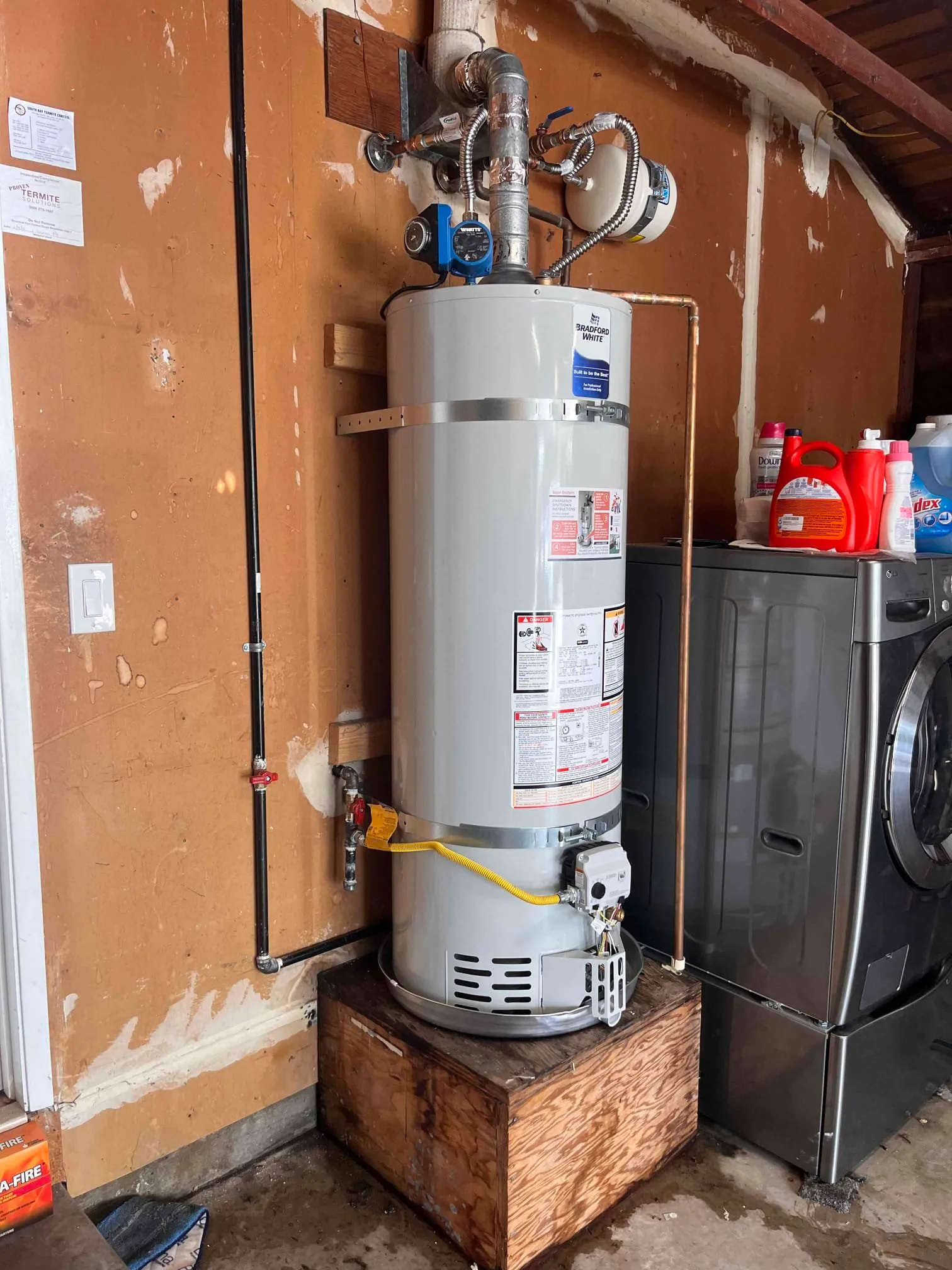
What you can do before the installer arrives
You do not need to become a part-time plumber before appointment day. A little prep just helps the crew get to work faster and lowers the odds of a delay that has nothing to do with the actual heater. Think of it as clearing the runway before takeoff.
- Clear a path from the entry door to the water heater location.
- Move storage bins, paint cans, laundry baskets, and anything stacked around the unit.
- Keep pets secured so the work area stays safe and calm.
- Take a few photos of the existing setup if the contractor asks for them ahead of time.
- Make sure someone can approve any unexpected code or connection updates if they come up.
That last point matters more than people realize. If the installer finds a failing valve, bad venting, or another issue that should be corrected, someone needs to be able to say yes and keep the job moving. Waiting hours for approval is one of the quiet ways a same-day replacement turns sluggish.
Will you be without hot water all day?
Usually, no. During a normal replacement, you will be without hot water during the actual job and a little while after the new unit is installed, while the tank fills and heats or the new system is tested. In many cases, that is a temporary outage measured in hours, not an all-day disaster movie.
Gas and electric storage tanks need time to heat the initial volume of water once they are installed. Tankless systems heat on demand, but that does not erase the need for startup checks and proper testing. So even after the wrench work is done, there is usually a short wait before the first truly hot shower is back online.
If the job turns into a larger upgrade, the downtime can be longer. That is more common with tankless conversions, relocation work, or corrections to venting, gas, or electrical components. In those cases, the delay is usually about getting the system right, not dragging the job out for fun.
Should you replace before the old heater fully dies?
Yes, if you can. Planned replacement is almost always easier than emergency replacement, because you get time to choose the model, confirm the schedule, and avoid water damage cleanup. Nobody looks back fondly on the day the garage turned into a surprise indoor creek.
If your storage tank is getting into that 10 to 15 year range, it is worth paying attention to performance and condition. Rumbling sounds, rusty water, moisture around the base, slower recovery, or inconsistent temperatures are all signs that the unit may be nearing the end of the road. At that point, you are not being dramatic by planning ahead, you are being smart.
Waiting for a total failure rarely makes the install faster or cheaper. It often limits your options, increases the chance of damage around the unit, and turns a measured decision into a same-day scramble. A hot water heater replacement is much easier to live with when it happens on your schedule instead of the heater's schedule.
The takeaway for Sacramento and Bay Area homeowners
For most homes, the practical answer is simple. A standard hot water heater replacement usually takes around two to three hours, and many are completed the same day. If the job includes code updates, difficult access, a tankless conversion, or repairs to surrounding connections, it can take much longer.
For homeowners around Sacramento and the Bay Area, the smart move is to treat the timeline as a range, not a promise carved in stone. Local permit rules, earthquake bracing, older connections, and varied water conditions can all affect the pace. That does not mean the process has to be stressful, it just means the best installs are the ones done carefully, cleanly, and up to code.
So when you ask how long does a hot water heater replacement take, the honest answer is this. A clean swap can be quick, but the real goal is not just speed. The real goal is hot water, safe connections, a proper install, and no ugly surprises after the truck pulls away.
Frequently Asked Questions
Can a water heater be replaced in one day?
Yes, many replacements are finished in one visit. A simple swap with the same type of unit is often completed in a few hours, while larger upgrades may take most of the day or require extra work before everything is done.
Why does a quote say two to three hours, but the technician asks for a half-day window?
The hands-on installation time and the real appointment window are not always the same thing. Travel, inspection of the existing setup, draining the old tank, cleanup, testing, and any surprise fixes all affect how long the full visit feels from your side of the driveway.
Does tankless replacement usually take longer?
If you are swapping one tankless unit for another similar one, it can be pretty quick. If you are moving from a tank to a tankless system, the job often takes longer because the house may need new venting, gas sizing, electrical work, or mounting changes.
Do I need a permit for water heater replacement in Northern California?
In many cities, yes. Local rules vary, but Sacramento has permit fees for new or replacement water heaters, and San Jose says water heater installation or change out requires a finaled plumbing permit.
Can hard water affect how long the job takes?
It can. Mineral buildup does not always slow the actual installation, but it can make older valves, fittings, and drain components harder to work with, especially when the old unit has a lot of sediment inside.
When should I replace an old water heater instead of repairing it?
If the unit is older, leaking from the tank itself, rusting, or constantly underperforming, replacement is often the better call. Once a storage tank is already in the later part of its life, repeated repairs can feel a lot like putting premium gas into a car that just dropped its transmission.
Sources
- The Home Depot, What to Expect During Your Water Heater Installation Appointment
- Rheem, What to Ask Your Installer Before a Water Heater Replacement
- U.S. Department of Energy, Tankless or Demand-Type Water Heaters
- U.S. Department of Energy, Storage Water Heaters
- Cal OES, Homeowner's Guide to Earthquake Safety
- City of San Jose, Preparing for Inspection
- City of Sacramento, Water Heater Permit Fees
- EBMUD, Water Quality FAQs
- City of San Jose, Water Quality Report Information
Super Brothers Quality
Choose Super Brothers Plumbing Heating & Air because we use top-tier materials, deliver honest workmanship, and back every job with a real warranty. Our pricing is fair and transparent—no hidden fees, ever.
We pull the permits, build to California code, and pass inspection. Our licensed, highly experienced team handles full plumbing and heating/air replacements and installations, so the job’s done right the first time.
- Top-tier materials
- Honest, quality service
- Workmanship warranty
- Fair, transparent pricing (no hidden fees)
- Permits handled; California code compliant; passes inspection
- Licensed & experienced in plumbing and HVAC installs





Refer Friends, Reap Rewards

Share our expert plumbing services with friends and family. For every successful referral, you earn cash rewards. Refer Now

Ready To Experience Super Brothers Difference! Let’s Start a Conversation!
Financing Options

Super Brothers offers an Installment Payment Plan with 0% Interest for Projects over $1000

Fin tech company that provides payment solutions in the home improvement sector.

Flexible financing for your next home improvement project

Wells Fargo Home Projects Credit Card