Plumbing is one of those “out of sight, out of mind” systems—right up until it isn’t. When everything works, you don’t think about it. When it doesn’t, you suddenly become a part-time detective, part-time swimmer, and full-time stressed homeowner.
This guide breaks down how home plumbing systems work, what’s common in Sacramento-area homes, and what you can do to avoid expensive surprises. Just the stuff that helps you keep water where it belongs. And yes, we’ll keep it friendly, because nobody needs a lecture when they’re already paying a mortgage.
Sacramento is a unique mix of older neighborhoods, newer developments, lots of trees, hot summers, and a wide range of water providers. That means your home’s plumbing “personality” depends on where you live and when your house was built. If you’ve ever heard a neighbor say, “Welcome to homeownership,” after a plumbing problem… this is your chance to be the neighbor who saw it coming.
The Two Big Sides of Your Plumbing System
Every home plumbing system is basically two systems that share the same space. One side brings clean water in under pressure. The other side sends used water out using gravity and ventilation.
Think of it like a well-run coffee shop. The supply side is the barista handing you fresh coffee on demand. The drain side is the cleanup crew quietly handling the mess—until something clogs and suddenly everyone is looking at it.
1) Water Supply: How Water Gets to Your Fixtures
The supply side delivers water to your sinks, showers, toilets, dishwasher, washer, fridge line, and more. Water comes in from the street (or a well, in some rural pockets), passes through a main shutoff, and then branches out like a tree inside your walls.
In many homes, you’ll see a “trunk and branch” layout—one main line feeding smaller lines. Newer homes sometimes use a manifold system, which looks like a mini control station that sends separate lines to each fixture. Manifolds can make shutoffs easier and reduce pressure dips when multiple fixtures run at once.
2) Drain, Waste, and Vent: How Water Leaves Without Drama
The drain side is usually called DWV: drain, waste, and vent. Drains move water away, waste lines carry sewage, and vents let air into the system so water flows smoothly. Without vents, your drains would “glug” like a bottle turned upside down.
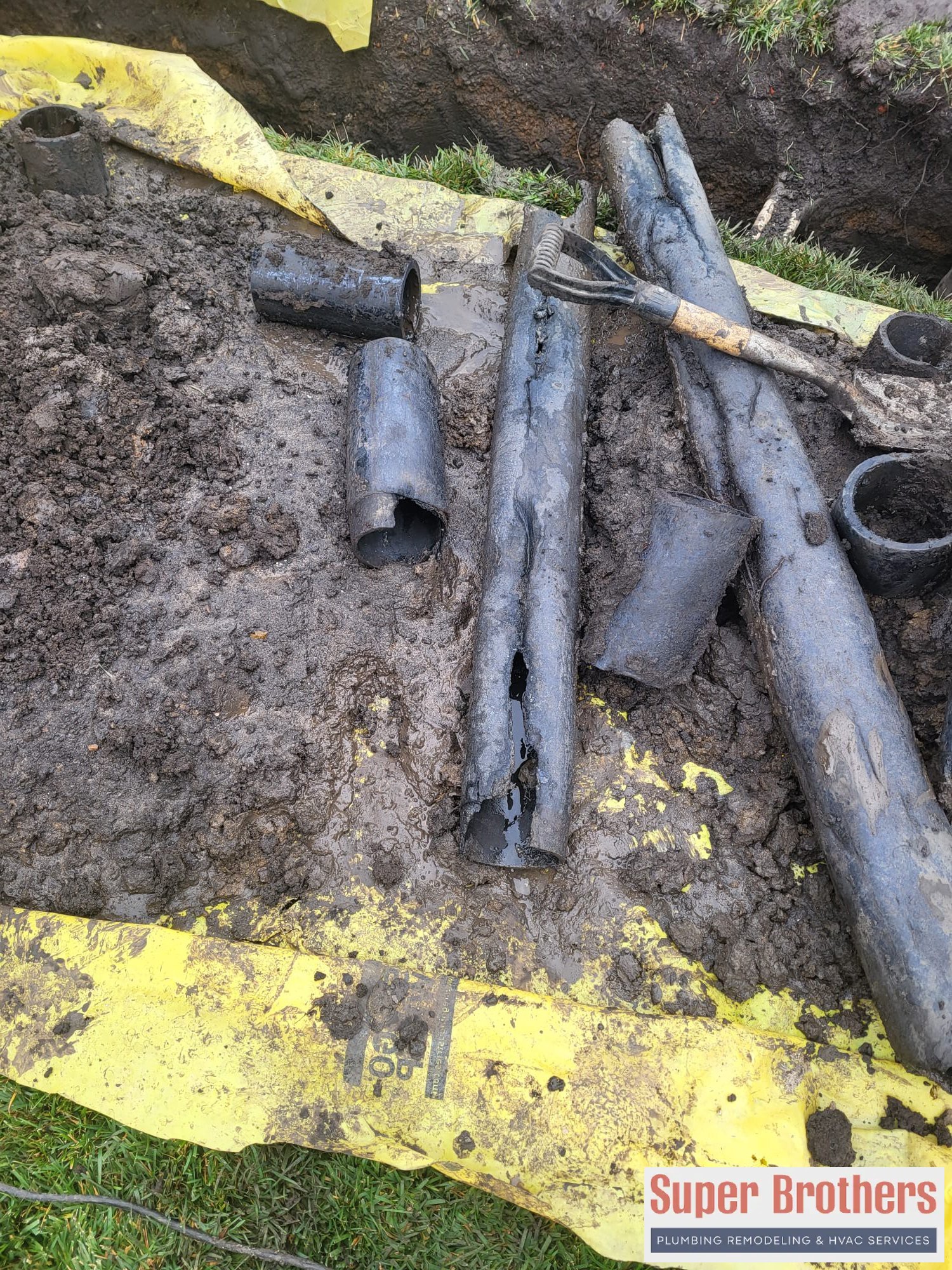
Most drain problems aren’t about “bad luck.” They’re about buildup, roots, aging pipes, or flushing things that should never have met a toilet. If your drain system is the cleanup crew, your job is to stop throwing confetti into the hallway.
Plumbing Reality Check
Plumbing isn’t just about pipes—it’s about water sources, minerals, heat, and the age of housing stock. For many City of Sacramento customers, most water comes from the Sacramento and American rivers, with a portion coming from groundwater wells. 1
In parts of the region served by other providers, groundwater can play an even bigger role. For example, Sacramento Suburban Water District describes using groundwater wells as a major supply source, along with surface water arrangements. 2 That matters because groundwater can carry more minerals, and minerals affect fixtures, heaters, and buildup over time.
Speaking of minerals: “hard water” is common across many Sacramento-area neighborhoods. Hard water isn’t unsafe—it just means there’s more calcium and magnesium in it, which can leave scale on fixtures and inside water heaters. Water hardness is often described in parts per million (PPM), and general guidelines classify hardness ranges from soft to very hard. 3
Also, Sacramento has trees. Beautiful, shade-giving, Instagram-worthy trees… with roots that love moisture. If you have an older sewer line (especially clay or aging materials), roots can find tiny gaps and turn them into a full-time job. If your home is in a mature neighborhood like Land Park, East Sac, Curtis Park, or Midtown, it’s worth thinking about sewer maintenance like you think about HVAC filters: boring, but cheaper than the alternative.
Know Your Shutoffs! !IMPORTANT!
If there’s one plumbing skill that pays off forever, it’s knowing how to shut off water fast. When a supply line bursts, every minute matters. This is not the time to “Google it real quick” while your kitchen turns into a splash pad.
Most Sacramento-area homes have a main water shutoff either at the street near the meter, at the house where the main line enters, or both. Many fixtures also have local shutoffs (little valves under sinks and behind toilets). Those smaller shutoffs are gold when you’re swapping a faucet or dealing with a running toilet.
If your shutoff valve is old, corroded, or hasn’t been touched since the first iPhone came out, it may not work when you need it. Testing it gently once or twice a year (and replacing it if needed) is adulting at its finest. It’s not glamorous, but neither is explaining water damage to your insurance company.
Pressure: The Invisible Force That Can Make or Break Your Plumbing
Water pressure is supposed to feel “strong enough,” not “firehose in the shower.” Too low, and everything is annoying. Too high, and you can wear out supply lines, valves, and fixtures faster than you’d expect.
Many homes use a pressure-reducing valve (PRV) to keep pressure in a safe range. If you notice banging pipes, frequent leaks, or appliances failing early, pressure could be part of the story. A plumber can test it quickly, and if needed, adjust or replace the PRV.
Pressure issues can also show up as “my shower gets weak when the washer runs.” That’s sometimes normal competition for water flow, but it can also hint at undersized lines, aging pipes, or a system layout that could be improved during a remodel or repipe.
Water Heaters: The Heartbeat of Daily Comfort
Whether you have a tank water heater or a tankless unit, your water heater is doing real work every day. It’s also one of the most common places for Sacramento mineral buildup to show up. Scale can reduce efficiency, shorten equipment life, and make your water heater sound like it’s cooking popcorn.
Temperature matters for comfort, safety, and cost. The U.S. Department of Energy notes that many households typically only need their water heater set to about 120°F, which can also help reduce scald risk and slow mineral buildup. 4 The U.S. Consumer Product Safety Commission also discusses 120°F as a safer thermostat setting to reduce scald injuries. 5
There’s a real balancing act here: hotter water can reduce some bacterial risks in certain building water systems, but it also increases burn risk. The CDC notes that building water management for Legionella can involve higher storage temperatures while still following anti-scald requirements. 6 For most single-family homes, a practical approach is a safe setpoint plus smart controls like mixing valves if you need higher storage temps for specific reasons.
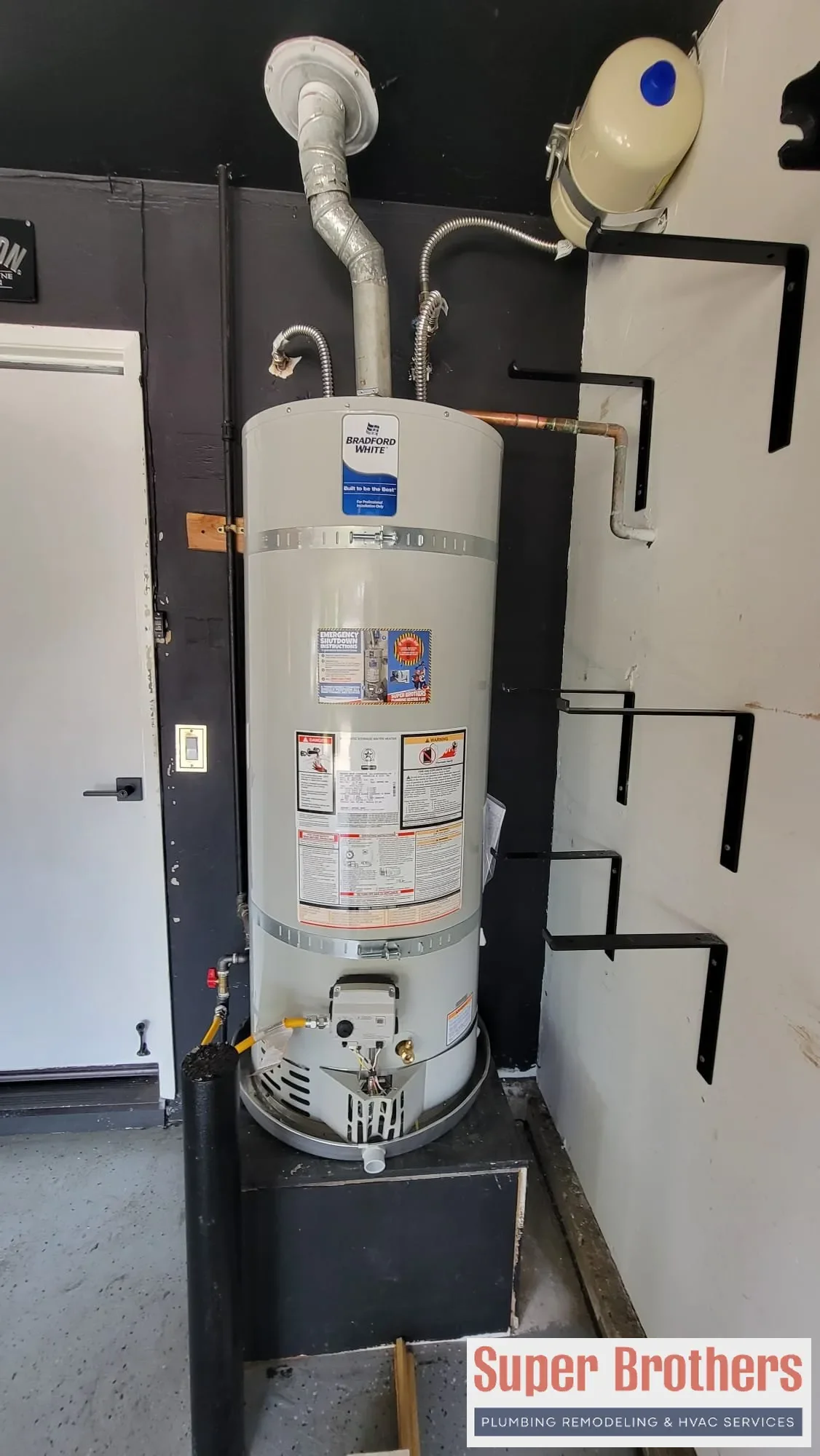
Maintenance is the quiet hero. Flushing a tank water heater helps remove sediment; checking the anode rod can help prevent corrosion. If you’re not sure what you have or what condition it’s in, that’s normal—most water heaters live their whole lives in a closet like a forgotten band member until the day the tour bus breaks down.
Drain Lines and Sewer Lines: Where “Small Problems” Love to Become Big
Supply leaks are obvious because you see water. Drain problems are sneakier because they can build for months. Slow drains, recurring clogs, sewage smells, or gurgling are your system waving a red flag.
Your home likely connects to the municipal sewer system if you’re in most of Sacramento and the surrounding metro areas. Some outlying or rural properties may use a septic system, and that comes with different maintenance responsibilities.
For septic systems, the EPA’s guidance is clear: inspect and pump as needed, use water efficiently, dispose of waste properly, and protect the drainfield. 7 Septic is not complicated, but it does not forgive “I thought wipes were flushable.” (Spoiler: they’re not, no matter what the package says.)
In older central areas, Sacramento also has a combined sewer system in parts of downtown, meaning stormwater and wastewater share infrastructure in that zone. 8 For homeowners, the practical takeaway is simple: heavy rain events can stress systems, and backflow prevention and good drain practices matter.
Hard Water: Not a Crisis, But Definitely a Personality Trait
If you’ve ever scrubbed white crust off a faucet and thought, “How is the sink losing this fight?” that’s hard water scale. Over time, hardness can lead to buildup in aerators, showerheads, and water heater tanks, and it can shorten the lifespan of some fixtures if it’s left unmanaged.
Hardness levels vary by neighborhood and water provider. If you want the truth for your area, check your water provider’s Consumer Confidence Report (CCR) or water quality page. The good news is you have options: softeners, descaling strategies, fixture upgrades, and maintenance routines that keep things running smoothly without turning your utility room into a science experiment.
Softening can help reduce scale and make cleaning easier, but it’s not “required” for every home. For many homeowners, a simpler first step is regular maintenance: clean aerators, descale showerheads, and stay ahead of water heater sediment. If you’re remodeling a bathroom or upgrading fixtures, that’s also a smart time to think about filtration or softening.
Leaks: The Quiet Budget-Killers
Some leaks are dramatic. Others are basically financial termites—tiny, persistent, and expensive over time. The EPA’s WaterSense program notes that the average household’s leaks can waste nearly 10,000 gallons of water per year, and a portion of homes have leaks that waste 90 gallons or more per day. 9
In Sacramento, where water efficiency is a real way of life, that’s money you could be spending on literally anything more fun. A running toilet, a dripping faucet, or a worn-out valve might not feel urgent, but they add up fast—especially if you’re also paying to heat that water.
The good news is that many leak fixes are straightforward when caught early. The trick is noticing them. Watch for unexplained bill increases, damp spots, moldy smells, or the sound of water when no one is using it.
Water-Smart Fixtures: Comfort + Savings Without the “Camping Shower” Vibe
Modern plumbing fixtures have gotten a lot better. You can save water without sacrificing performance, and you don’t have to live like you’re rationing supplies on a spaceship.
Toilets are a big one. The EPA notes that improved toilet designs can use 1.28 gallons per flush or less while still performing well, and WaterSense-labeled models are independently certified for efficiency and performance. 10
Efficient showerheads, faucet aerators, and smart leak detection can also make a noticeable difference. If you’re doing a bathroom remodel, fixture upgrades are one of the easiest ways to combine comfort, style, and long-term savings—without needing to touch the hidden parts of the system unless the home’s age calls for it.
What You Can Do Now: A Simple Homeowner Checklist
You don’t need to be a plumber to be good at preventing plumbing problems. You just need a short routine and a willingness to do small things before they become big things. Think of it like brushing your teeth, but for your pipes.
- Find and test shutoffs: Know your main shutoff and confirm it turns (gently). Replace sticky or corroded valves before they fail.
- Check for “silent” toilet leaks: Add a few drops of food coloring to the tank and wait 10–15 minutes. If color shows in the bowl, the flapper likely needs replacement.
- Clean aerators and showerheads: If flow drops or sprays sideways, mineral buildup may be the culprit.
- Watch your water heater: Look for rust, moisture, odd noises, or inconsistent hot water. Consider periodic flushing to reduce sediment.
- Respect your drains: Avoid grease down the sink and treat wipes as trash, not plumbing “confetti.”
If you do only one thing this month, make it shutoff awareness. It’s the plumbing version of knowing where the fire extinguisher is. You might never need it, but you’ll be glad you do if the day comes.
DIY vs. Call a Pro: How to Decide Without Guessing
Some plumbing tasks are perfect for DIY. Others look DIY until they become “why is there water in the hallway?” If you’re comfortable, handy, and willing to go slowly, you can absolutely handle small fixes.
But if you’re dealing with pressurized lines, hidden leaks, sewer backups, repeated clogs, or anything involving gas connections or major electrical components, that’s professional territory. The goal isn’t bravery—it’s preventing damage and keeping your home safe.
- Usually DIY-friendly: replacing a faucet aerator, swapping a showerhead, replacing a toilet flapper, tightening a loose handle, clearing a simple hair clog in a bathroom drain.
- Usually call-a-pro time: slab leak signs, water heater replacement, sewer line backups, recurring clogs, repipes, pressure regulation issues, and anything that risks water damage if guessed wrong.
Common Sacramento Home Scenarios
“My water tastes earthy in late summer.” Some customers notice earthy taste and odor during warmer seasons, which can be related to naturally occurring compounds in surface water sources. The City of Sacramento’s CCR discusses seasonal earthy taste/odor issues and notes they don’t necessarily indicate unsafe water. 1
“My shower pressure dropped all of a sudden.” First check if it’s just one fixture (likely an aerator/showerhead issue) or the whole house (could be pressure regulation, a main valve issue, or a supply problem). If it’s only hot water that’s weak, your water heater or its shutoff valve may be involved.
“The toilet runs forever unless I jiggle the handle.” That’s usually a flapper, fill valve, or chain adjustment. It’s a small fix, but it can waste a shocking amount of water over time—so it’s worth doing sooner rather than later. 9
“My drains clog a lot, even when I’m careful.” Frequent clogs can point to pipe condition, slope issues, buildup, or a sewer line problem. In tree-heavy areas, root intrusion is a common culprit. A camera inspection can save a lot of guesswork and can help you avoid repeatedly paying for the same temporary fix.
Upgrades That Pay Off in Comfort, Safety, and Home Value
Plumbing upgrades aren’t always exciting, but the right ones can seriously improve day-to-day life. Better pressure, more reliable hot water, fewer surprise leaks, and smoother drains all add up. Also, buyers notice when systems feel solid—even if they can’t name why.
Popular upgrades in Sacramento homes include pressure regulation improvements, water heater upgrades (including tankless where appropriate), fixture updates, and proactive sewer line maintenance for older properties. If your home still has aging supply lines or a history of leaks, a repipe plan can be a long-term stress reducer.
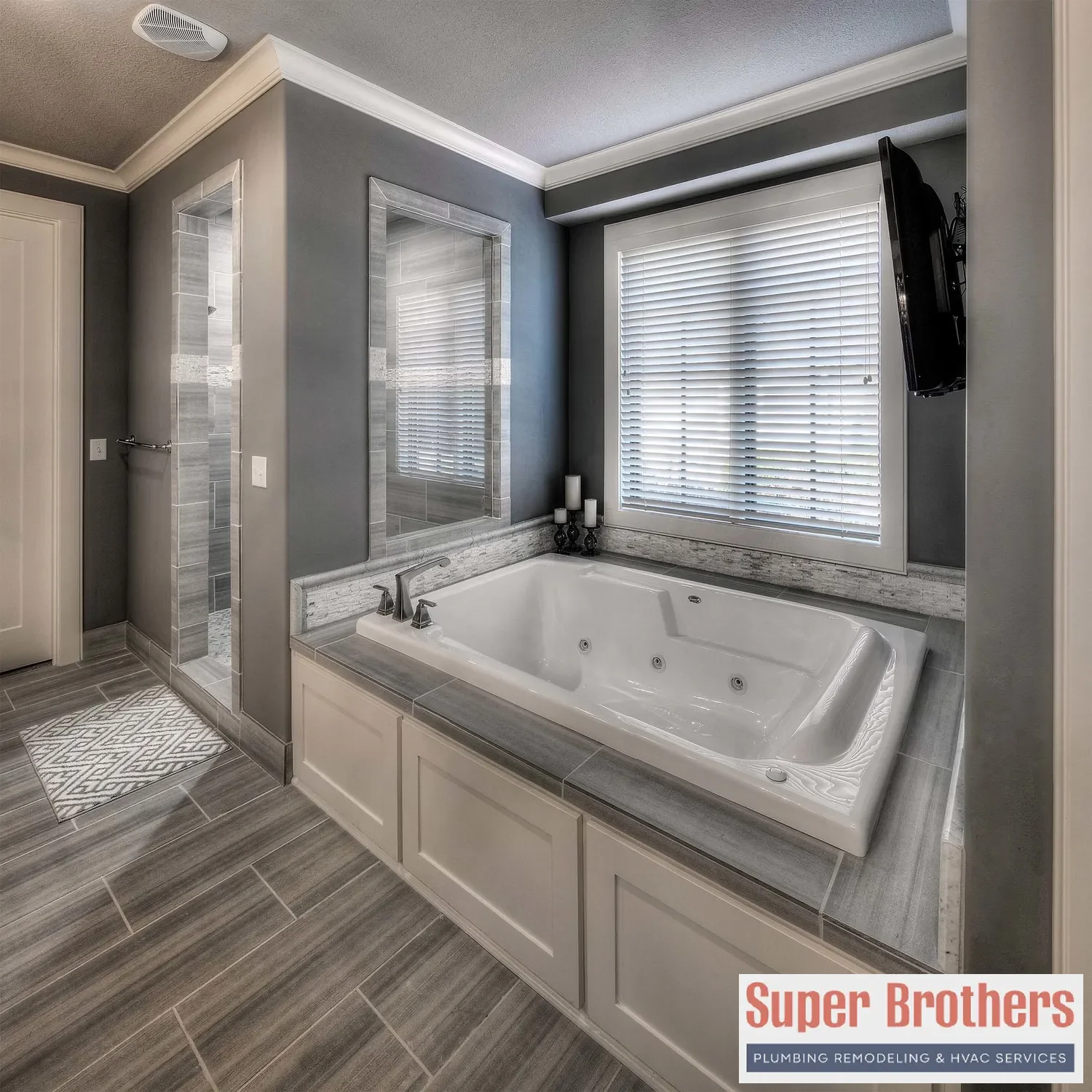
If you’re already planning a bathroom remodel, that’s the perfect time to do smart plumbing improvements behind the walls. It’s easier and more cost-effective to address valves, supply lines, shower plumbing, and ventilation while everything is open, rather than doing “surgery” later.
If you want help sorting what matters most for your home, Super Brothers Plumbing, HVAC, Electrical & Bathroom Remodeling serves homeowners across Sacramento and the Bay Area. You can explore services like plumbing repair, water heaters, drain cleaning, and bathroom remodeling—or just call for a straight answer on what’s urgent vs. what can wait.
Bring It Home: A Plumbing System You Don’t Have to Think About
The best plumbing system is the one you never notice. That doesn’t happen by accident—it happens because shutoffs work, pressure is controlled, drains are respected, and small issues get handled before they become expensive ones. It’s not about perfection. It’s about being just proactive enough that your home doesn’t surprise you at the worst possible time.
Sacramento homeowners have a lot going on—work, family, traffic on 50, and trying to keep houseplants alive. Your plumbing shouldn’t be another full-time job. With a little awareness and the right help when it counts, you can keep things running smoothly and save money along the way.
Frequently Asked Questions
Where is the main water shutoff in most Sacramento homes?
Many homes have a shutoff at the street by the meter, and often another where the main line enters the house (garage, side yard, or utility area). If you’re not sure, look near the front property line for the meter box and inside for the first main valve after the line enters.
Is Sacramento water hard?
Hardness varies by neighborhood and water provider, but many Sacramento-area homes experience moderate to hard water. Hard water mainly affects scale buildup and appliance efficiency over time, not water safety. For the most accurate local number, check your provider’s CCR or water quality report. 1
What temperature should I set my water heater to?
Many households do well around 120°F for comfort, efficiency, and reduced scald risk. The U.S. Department of Energy and the U.S. Consumer Product Safety Commission discuss 120°F as a common, safer target for many homes. 4 5
How do I know if I have a leak if I can’t see one?
Common signs include an unexplained water bill increase, the sound of running water when everything is off, damp spots, musty smells, or warm areas on floors (possible slab leak). You can also check your water meter: if it moves when all water is off, there’s likely a leak.
Are “flushable wipes” actually flushable?
In real-world plumbing, they’re a common cause of clogs and sewer backups. Even if a product claims “flushable,” it can still snag in pipes, especially in older drain lines or sewer laterals. Safer move: trash can, every time.
How often should I maintain or inspect my sewer line?
There’s no one-size-fits-all schedule, but older homes with mature trees or a history of clogs benefit from proactive inspections. If you’ve had backups, slow drains throughout the home, or recurring clogs, a camera inspection can help pinpoint whether it’s buildup, roots, or pipe damage.
What’s the easiest way to reduce water waste without sacrificing comfort?
Fix leaks first, because they quietly waste the most water. Then consider efficient fixtures like WaterSense-labeled toilets, which are designed to use 1.28 gallons per flush or less while maintaining performance. 10
Sources
Sacramento Suburban Water District – District at a Glance (water supply overview)
California State Water Resources Control Board – CCR viewer (hardness classification guidelines)
U.S. Department of Energy – Energy Saver: Lower Water Heating Temperature
U.S. Consumer Product Safety Commission – Avoiding Tap Water Scalds (PDF)
CDC – Control Legionella: Monitoring Building Water (temperature guidance)
U.S. EPA – How to Care for Your Septic System
City of Sacramento – Combined Sewer System background (PDF)
U.S. EPA WaterSense – Fix a Leak Week (leak waste statistics)
U.S. EPA WaterSense – Residential Toilets (1.28 gpf and performance)
Super Brothers Quality
Choose Super Brothers Plumbing Heating & Air because we use top-tier materials, deliver honest workmanship, and back every job with a real warranty. Our pricing is fair and transparent—no hidden fees, ever.
We pull the permits, build to California code, and pass inspection. Our licensed, highly experienced team handles full plumbing and heating/air replacements and installations, so the job’s done right the first time.
- Top-tier materials
- Honest, quality service
- Workmanship warranty
- Fair, transparent pricing (no hidden fees)
- Permits handled; California code compliant; passes inspection
- Licensed & experienced in plumbing and HVAC installs




Refer Friends, Reap Rewards

Share our expert plumbing services with friends and family. For every successful referral, you earn cash rewards. Refer Now

Ready To Experience Super Brothers Difference! Let’s Start a Conversation!
Financing Options
Super Brothers offers an Installment Payment Plan with 0% Interest for Projects over $1000

Fin tech company that provides payment solutions in the home improvement sector.
Flexible financing for your next home improvement project

Wells Fargo Home Projects Credit Card