A leak under a slab foundation is one of those home problems that feels unfair. The pipe is out of sight, the water is not, and your house is basically sitting on top of the evidence like it’s protecting a secret. In Sacramento—where a lot of homes (especially mid-century and later) were built on slabs—this is more common than people think.
The good news: slab leaks are fixable, and you usually have more than one repair option. The not-so-fun news: ignoring it is how small drips turn into big-dollar “surprise renovations.” If your floors feel weird, your bill spiked, or your nose is picking up that damp “uh-oh” smell, this guide will help you get clarity fast.
This article is written for regular homeowners, not plumbing robots. We’ll walk through the warning signs, what you can safely check yourself, and the real repair paths a licensed plumber might recommend. We’ll also keep it Sacramento-local, because homes here have their own vibe, layouts, and “fun” quirks.
If you want a pro to pinpoint the leak and map out the cleanest fix, Super Brothers Plumbing, HVAC, Electrical & Remodeling helps homeowners in your neighborhood.
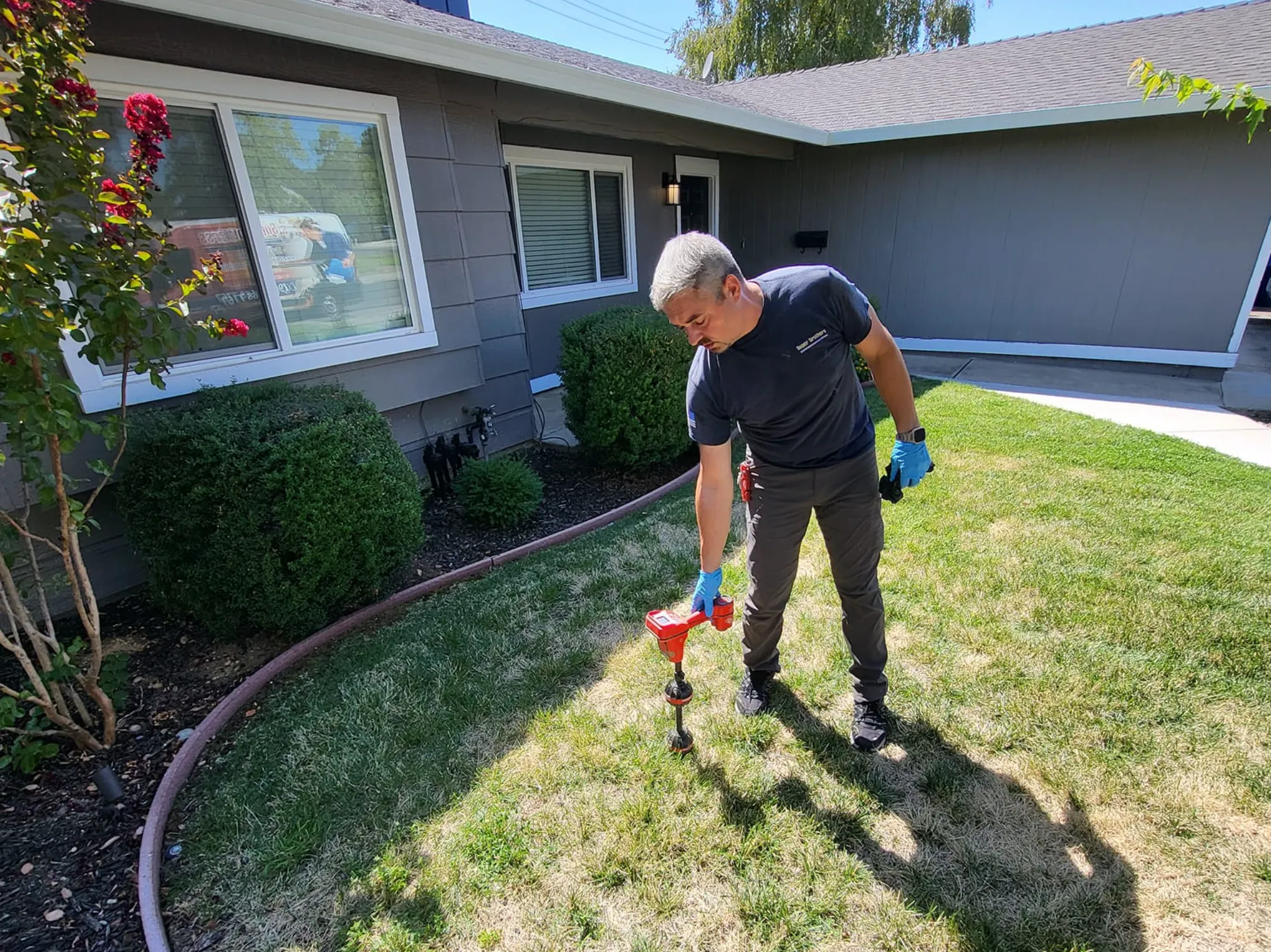
What “Leaking Pipes Under a Slab” Actually Means
When people say “slab leak,” they usually mean a water line (hot or cold supply) leaking below the concrete slab your home sits on. Sometimes it’s a drain line under the slab, but supply-line leaks are the classic “mystery water bill + warm floor” combo. Either way, the water is moving in a place you can’t easily see.
Under-slab plumbing often runs through soil and sand beneath the concrete, then pops up into walls for kitchens, bathrooms, and laundry. If a pipe develops a pinhole, crack, or failing joint, water can soak the ground under your house. Over time, that can create moisture, shifting, and even cosmetic cracks that make homeowners think the foundation is the original villain.
In reality, the leak is usually the first domino. Water changes the soil conditions under and around the slab, and soil movement can stress the concrete and finishes. So the “foundation problem” might actually be a “plumbing caused a foundation problem” story.
Why Slab Leaks Are a Bigger Deal in your area Homes
Sacramento has a huge mix of home ages and plumbing materials, from older copper supply lines to newer PEX and updated reroutes. Many neighborhoods have lots of slab homes—think ranch-style layouts with bathrooms spread out and long pipe runs. Longer runs mean more joints, and joints are where problems like to throw parties.
Our region also swings from very hot summers to cooler, damp winters, and that seasonal change can make materials expand and contract. Add normal settling, occasional ground movement, and everyday wear, and you’ve got a recipe where one weak spot can start leaking quietly. Quiet leaks are the worst because they don’t ask permission before getting expensive.
Another reality: irrigation and outdoor watering can hide a slab leak in plain sight. If you’re used to higher summer water use, a leak can blend into “normal,” especially if it starts small. That’s why it’s smart to pay attention to patterns, not just one month’s bill.
Early Warning Signs You Might Have a Slab Leak
Slab leaks don’t always show up like a cartoon puddle. More often, you get a cluster of “hmm, that’s odd” signals. If you’re noticing two or three at the same time, it’s time to stop guessing and start testing.
- Water bill jumps even though your habits didn’t
- You hear water running when everything is off
- Hot spots on tile, laminate, or concrete floors
- Musty smells, damp carpet edges, or unexplained humidity
- Low water pressure throughout the house
- Cracks in walls/baseboards that seem “new” or growing
- Wet areas near the foundation or unexplained pooling outside
Those signs line up with what home and foundation experts commonly list for slab leaks, especially the bill increase, running-water sound, warm floor patches, damp flooring, and cracks. [2]
A water bill increase matters because household leaks can waste a surprising amount of water over time. EPA WaterSense notes the average household’s leaks can add up to nearly 10,000 gallons wasted per year. [1]
Translation: even a “small” leak can be a big budget thief. It’s like subscription creep, but wetter.
First Things First: What to Do Right Now (Without Making It Worse)
If you suspect a slab leak, the goal is to confirm whether water is leaking and limit damage while you figure out the fix. Don’t start jackhammering your living room like it’s a DIY episode gone rogue. Start with a calm, simple checklist.
Step one is knowing where your main water shut-off valve is and making sure it actually works. Many homes have either a lever-style ball valve or an older gate/stop-style valve, and it’s smart to test it gently before you need it in a panic. [4]
Step two is protecting your home: if you have active wet spots, pull rugs back, run fans, and avoid running extra water that could feed the problem. If water is coming up through flooring, keep people away from electrical outlets in that area. Water and electricity should never meet outside of a controlled lab experiment.
A Simple-Friendly Leak Test Using Your Water Meter
One of the fastest ways to confirm a hidden leak is a water meter test. Most Sacramento-area homes have a meter in a box near the curb. This test doesn’t tell you exactly where the leak is, but it helps confirm whether you’re losing water when you shouldn’t be.
Turn off all water inside and outside—no faucets, no dishwasher, no washing machine, no sprinklers. Then read your water meter, wait about two hours without using water, and read it again. If it moved, you likely have a leak. [1][3]
This is one of those “low effort, high value” checks. It’s not glamorous, but it’s the adult version of finding your phone by calling it. If the meter is “calling” while everything’s off, something’s flowing.
Is It Under the Slab, or Somewhere Else?
Before you assume it’s a slab leak, it’s worth ruling out the usual suspects. Toilets, irrigation valves, and leaky hose bibs can burn through water and still feel invisible day-to-day. That’s why a meter test is step one, not step ten.
If your meter moves, the next move is “isolation.” Shut off the house valve (if you have one) and see whether the meter still moves. If it still moves, the leak could be between the meter and the home, like a service line issue.
If the meter stops when the house valve is off, the leak is likely inside your plumbing system. At that point, slab leak becomes a more serious contender, especially if you have warm spots, damp floors, or the sound of water with everything off. [2]
Why You Usually Don’t Want to “Hunt the Leak” Blind
It’s tempting to try to guess the leak location based on which room feels damp. The problem is water travels, especially under slabs. A leak near a bathroom can show up in a hallway, and a leak near the kitchen can surface on the opposite side of the wall because gravity and soil do whatever they want.
Professional leak detection can include acoustic listening equipment, pressure testing, thermal imaging for hot-water leaks, and tracing tools that narrow the location without tearing up half your house. The point isn’t fancy gear for bragging rights. The point is fewer holes, less dust, and a more targeted repair plan.
If you’re in Sacramento and want a straightforward diagnostic, start with a slab leak detection visit instead of a “let’s open the floor and see what happens” strategy. Schedule with Super Brothers.
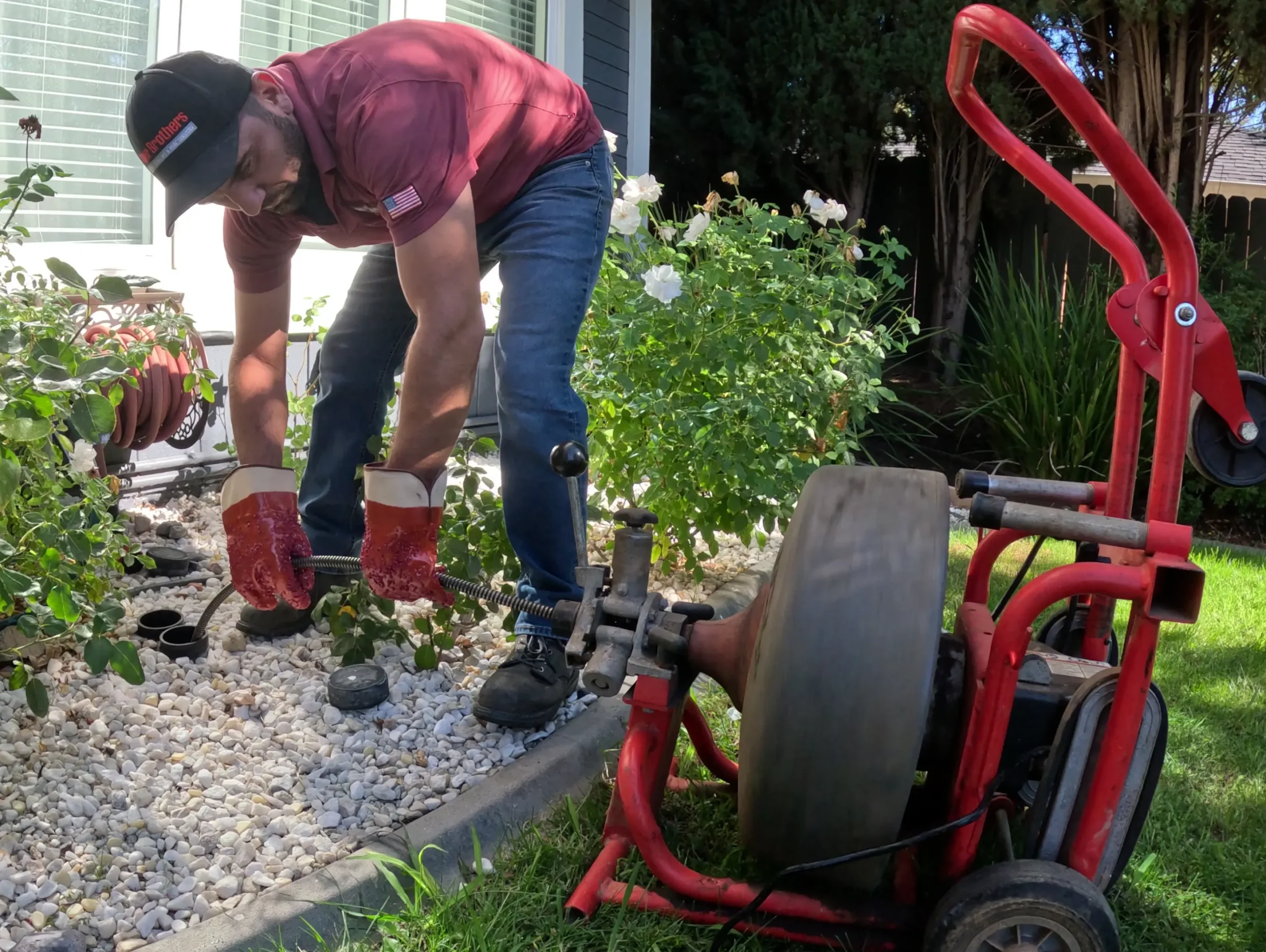
The Big Question: How Do You Fix a Leak Under a Slab Foundation?
There isn’t one universal fix. The “right” repair depends on the pipe material, the leak location, how accessible the line is, and whether the plumbing is failing in one spot or trending toward repeat problems. A good plumber won’t sell you the biggest job. They’ll sell you the cleanest long-term outcome.
In general, there are three common paths: spot repair (direct access), reroute/repiping (bypass the slab), or trenchless restoration methods (where appropriate). Each has pros and tradeoffs, and Sacramento homes can lean one way based on layout and attic/crawl access.
Option 1: Direct Access (Spot Repair Through the Slab)
This is the classic approach: locate the leak precisely, cut into the flooring, break through the slab, repair the pipe, then patch everything back. If the leak is truly isolated and the rest of the system is in good shape, this can be a clean solution. It’s also the “construction dust” option, so it’s not everyone’s favorite.
Spot repair tends to make sense when the leak is in an accessible area, the pipe run is short, and you’re not seeing signs of widespread corrosion or multiple pinholes. It can also be chosen if rerouting would require complicated wall/ceiling work. The best-case scenario is one repair and done.
The downside is that you’re opening the slab, and if the system has multiple weak points, you could be back for round two later. Nobody wants a sequel in their kitchen floor.
Option 2: Reroute or Repipe (Build a New Path Above the Slab)
Rerouting means abandoning the leaking under-slab section and running a new line through walls, ceilings, or attic space, depending on the home. In many single-story Sacramento homes, attic reroutes can be a practical way to avoid jackhammering floors. It’s also a strong choice when you suspect more leaks are coming.
Repiping is a bigger version of the same idea—replacing larger portions of the home’s supply lines, often with modern materials. This can reduce the chance of repeat slab leaks when pipes are older or repeatedly failing. The tradeoff is more access points in walls/ceilings and more planning to keep disruption reasonable.
A good reroute plan should include smart placement, proper insulation where needed, and clean shutoff/labeling so future repairs are simpler. You want “future you” to thank “present you,” not roast them.
Option 3: Trenchless or In-Place Restoration (When It’s the Right Fit)
Some situations allow a less invasive repair approach, depending on pipe condition, pipe type, and whether we’re talking about supply lines or drain lines. For drain/sewer lines, cured-in-place methods may be an option when the pipe is structurally suitable. For certain water lines, lining methods may be discussed by some contractors, but the key is verifying the product and application are appropriate for potable water.
If a lining product touches drinking water, ask whether it meets NSF/ANSI 61 requirements for drinking water system components. NSF maintains listings for products certified to NSF/ANSI 61, which is a common benchmark for health-effect safety in potable water contact materials. [5]
Trenchless isn’t a magic wand. It’s a tool in the toolbox. The best plumbers will explain when it’s a smart fit and when it’s not.
- Spot repair: Best for a single, well-located leak and otherwise healthy piping.
- Reroute/repiping: Best when the system is aging or you want to reduce the chance of repeat slab leaks.
- Trenchless/lining (case-by-case): Best when the pipe is suitable and the method/materials are appropriate for the line’s use.
What a Professional Slab Leak Repair Process Usually Looks Like
Most reputable slab leak jobs follow a predictable rhythm. First comes confirmation: meter movement, pressure testing, or fixture isolation. Then comes pinpointing: using detection methods to reduce guesswork and limit demolition.
Next is the repair decision: spot fix versus reroute versus broader replacement, based on what the plumber sees and how your home is laid out. After the repair, the line gets tested again to confirm pressure stability and no continued flow when it should be off. Finally comes restoration guidance—drying, patching, and helping you avoid mold or flooring issues.
If someone wants to start tearing up floors before explaining how they confirmed the leak location, that’s a red flag. You want data first, demo second. Concrete is expensive, and your patience is not a renewable resource.
How to Reduce Damage While You’re Waiting for Repairs
If the leak is active and you’ve confirmed it, consider shutting off the water when you’re not using it—especially overnight—if that’s practical for your household. At minimum, know exactly how to shut off the main quickly in an emergency. American Water’s guidance on locating and understanding shut-off valves is a helpful reference for homeowners. [4]
Run fans and dehumidifiers if you have damp flooring or musty odor. Remove items that trap moisture, like rugs sitting on wet spots. If you see visible mold, treat it seriously and consider professional remediation guidance, because slab moisture can feed growth behind baseboards and under floors.
Also, avoid “helpful” DIY sealing products poured into drains or lines in hopes they’ll magically stop the leak. Those can cause clogs, damage fixtures, and make professional repair harder. Plumbing isn’t a wish-granting well.
Will Homeowners Insurance Cover a Slab Leak in Sacramento?
Sometimes. Coverage often depends on the cause (sudden and accidental versus long-term seepage), the specific policy, and what part of the loss you’re talking about. Many policies may cover resulting damage (like flooring) but not the pipe repair itself, or they may have limits and exclusions.
If you’re considering a claim, document everything: photos of wet areas, notes on when you noticed it, copies of water bills showing the spike, and the plumber’s leak detection report. This is one of those adulting moments where paperwork actually pays.
Either way, don’t delay the fix just to debate coverage. Ongoing leaks can create secondary damage that’s harder to defend as “sudden,” and it can also drive up restoration costs.
Do You Need a Permit for Slab Leak Repairs in Sacramento?
Permit requirements vary based on what work is performed. A simple spot repair might be handled differently than a full reroute or repipe, especially if walls are opened or new plumbing routes are installed. A licensed contractor should be able to explain what applies to your job and handle the proper process.
If you’re in the City of Sacramento versus an unincorporated area, the jurisdiction can change which department oversees the permit. The safest approach is to treat “permit” as a normal part of the conversation, not an awkward surprise. If a contractor insists permits are “never needed,” that’s not a flex—it’s a risk.
How Long Does Slab Leak Repair Take?
Timing depends on the repair path and how much access work is required. A straightforward spot repair may be done in a day, while reroutes or repipes can take longer, especially if restoration work (drywall, paint, flooring) is included. Leak detection itself is often a separate step so decisions are based on real location data.
In Sacramento, scheduling can also vary seasonally. When the first cold snaps hit or when summer water bills spike, leak calls rise and calendars fill. If you suspect a slab leak, earlier is better—not because plumbers are dramatic, but because water is patient and persistent.
How to Prevent Another Slab Leak After You Fix This One
Prevention starts with awareness. Keep an eye on your water bill and look for pattern changes, not just one-off surprises. EPA WaterSense recommends simple checks like monitoring your meter during a period of no use to catch leaks early. [1]
If your home has older plumbing and you’ve already had one slab leak, ask your plumber about the risk of additional weak points. Sometimes a repair is the right call, and sometimes a targeted reroute is the smarter long play. The goal is fewer emergencies and more weekends that don’t involve drying out flooring.
Also, know your shutoffs, label them, and test them occasionally (gently). That one boring valve can save you thousands when something goes wrong at 2:00 a.m. [4]
When to Call a Pro (and What to Ask)
If your meter test shows movement and you’ve ruled out obvious fixtures, call a licensed plumber with slab leak detection experience. If you have warm floor spots, damp areas that return after drying, or you hear running water with everything off, don’t wait. Those are classic slab leak indicators. [2]
When you call, ask how they confirm leak location before any demolition. Ask what repair options they recommend and why. Ask what the restoration impact will be (flooring, drywall, dust control) so you can plan like a sane person instead of living in a surprise construction zone.
Super Brothers can help with leak detection, repair, and guidance on next steps.
FAQ: Slab Leak Repair in Sacramento
How can I tell if my leak is under the slab?
Start with a water meter test when no water is being used. If the meter moves, you likely have a leak somewhere on the system. Pair that with slab-specific signs like warm floor spots, damp flooring, or running-water sounds when everything is off.
Should I turn off my water if I suspect a slab leak?
If the leak seems active or you have visible moisture, turning off the water when you’re not using it can reduce damage. At minimum, make sure you know where the main shutoff is and that it works. If turning it off affects medical devices or essential needs, talk with a plumber about safe alternatives.
Can a slab leak cause foundation damage?
It can. Water under a slab can change soil conditions and contribute to movement that shows up as cracks or uneven flooring. Not every crack is a slab leak, but a leak can be a contributor you don’t want to ignore.
Is spot repair always the best option?
Not always. Spot repair is great for a truly isolated leak and healthy piping, but it can be a short-term win if the system is aging and more leaks are likely. A good plumber will explain the tradeoffs based on your home’s layout and pipe condition.
What’s the least disruptive way to fix a slab leak?
“Least disruptive” depends on your home. Rerouting lines through attic or walls can avoid breaking the slab, but it may require drywall access and patching. Trenchless options may apply in certain cases, but they’re not universal.
Do I need to leave my house during slab leak repairs?
Often you can stay home, especially for detection and many reroutes. For a spot repair through the slab, noise, dust, and temporary water shutoffs can make it inconvenient. Your plumber should set expectations before work begins so you can plan.
How do I avoid getting overcharged for slab leak repair?
Get a clear explanation of how the leak was confirmed and located. Ask for itemized options (spot repair vs reroute vs repipe) and what each includes. Be cautious of anyone pushing major demolition without showing evidence of the leak location.
What should I do if my water bill suddenly spikes in Sacramento?
Do a meter test during a no-use window and check obvious culprits like toilets and irrigation. If the meter still moves with everything off, schedule leak detection. Fast action can prevent secondary damage and reduce restoration costs.
Sources
- EPA WaterSense – Fix a Leak Week (water waste estimates + meter check guidance)
- This Old House – Signs of a Slab Leak
- Zone 7 Water Agency – Fix-a-Leak (how to check your water meter)
- American Water – Leak Detection Tips (main shutoff valve basics)
- NSF – Certified Drinking Water System Components (NSF/ANSI 61 listings)
Super Brothers Quality
Choose Super Brothers Plumbing Heating & Air because we use top-tier materials, deliver honest workmanship, and back every job with a real warranty. Our pricing is fair and transparent—no hidden fees, ever.
We pull the permits, build to California code, and pass inspection. Our licensed, highly experienced team handles full plumbing and heating/air replacements and installations, so the job’s done right the first time.
- Top-tier materials
- Honest, quality service
- Workmanship warranty
- Fair, transparent pricing (no hidden fees)
- Permits handled; California code compliant; passes inspection
- Licensed & experienced in plumbing and HVAC installs





Refer Friends, Reap Rewards

Share our expert plumbing services with friends and family. For every successful referral, you earn cash rewards. Refer Now

Ready To Experience Super Brothers Difference! Let’s Start a Conversation!
Financing Options

Super Brothers offers an Installment Payment Plan with 0% Interest for Projects over $1000

Fin tech company that provides payment solutions in the home improvement sector.

Flexible financing for your next home improvement project

Wells Fargo Home Projects Credit Card