If you’ve ever flipped a switch and got a light show that wasn’t on purpose, you already know how fast “minor annoyance” can turn into “call someone… now.” Electrical issues don’t always scream for attention, but they do leave clues. The trick is knowing which clues matter and what a safe fix actually looks like.
This guide is for Sacramento homeowners (and the grown-up kids helping their parents) who want straight answers. We’ll cover common local electrical problems, what typically requires permits and inspections, how to hire the right electrician, and what to expect when you schedule work with a licensed contractor like Super Brothers.
Why Sacramento Electrical Work Has Its Own Flavor
Sacramento gets hot—like “your attic turns into a toaster” hot. Heat can stress older wiring, aging breakers, and connections that were already living on borrowed time. Add modern loads like EV charging, new HVAC equipment, tankless electric water heaters, or a kitchen remodel, and suddenly your electrical system is doing CrossFit without warming up.
On top of that, many neighborhoods have older housing stock where past DIY fixes may be hiding behind blank plates or “mystery switches.” A lot of homes also went through multiple remodels over the decades, which means wiring styles and electrical standards can vary from room to room.
The goal isn’t to panic—it’s to be informed. A good electrician isn’t just there to fix what’s broken; they help you plan so upgrades don’t become a never-ending game of electrical whack-a-mole.
Signs You Should Call an Electrician (Before Your House Drops a Hint in Morse Code)
Some issues are obvious, like a dead outlet or a breaker that trips every time you run the microwave and the air fryer at the same time. Others are sneakier, like a faint burning smell that comes and goes. If you’re seeing any of the signs below, it’s time to bring in a pro.
- Breakers tripping repeatedly or needing to be “babysat”
- Lights dimming or flickering when major appliances kick on
- Outlets or switches that feel warm, spark, or make crackling sounds
- Burning smell, scorch marks, or discolored outlets
- Frequent blown bulbs or fixtures that buzz
- “Half the house” power loss (sometimes one leg of power drops out)
- Extension cords running permanent-duty as “extra outlets”
- Old panels with limited space for new circuits (especially with EVs or remodels)
If your gut says something’s off, don’t ignore it. Electrical problems can be intermittent—meaning they can disappear right when someone comes to look, then come back when you’re making dinner. A trained electrician can test safely and pinpoint the real cause.
DIY vs. Pro Work: Where the Line Actually Is
There are plenty of homeowner projects that are totally reasonable. Painting a bedroom? Go for it. Installing a shelf? Live your best life. Electrical work is different because the risk isn’t just “oops, I made it worse”—it can be shock, fire, equipment damage, or hidden issues that don’t show up until months later.
Even “simple” electrical tasks can involve load calculations, proper grounding, correct breaker sizing, and code-required protection like GFCI/AFCI in certain areas. The details matter, and the details are where most DIY electrical problems are born.
Hiring a licensed electrician is also about accountability. When work is permitted and inspected, you’re not guessing—there’s a paper trail and a safety check built into the process.
Licensing, Credentials, and How to Verify You’re Hiring the Real Deal
In California, electrical contracting work is typically done under a contractor license classification such as C-10 (Electrical Contractor). That’s the license category for businesses that install and connect electrical systems and components. If someone is doing real electrical contracting work without the proper license, that’s a red flag you should treat like a live wire.
You can verify a contractor’s license through the California Contractors State License Board (CSLB). This is one of the quickest ways to confirm the license is active and see important details before you sign anything. Use the CSLB’s license check tool and don’t be shy about asking for the license number up front.
California also has electrician certification requirements for individuals performing electrical work under a licensed C-10 contractor, and there’s a state search tool for electrician certification as well. It’s another layer of consumer protection and a good sign you’re working with trained professionals.
Permits and Inspections in Sacramento: What Homeowners Should Know
Permits aren’t just a bureaucratic hoop. They’re a safety system: plans (when needed), an inspection, and confirmation the work matches code. In the City of Sacramento, permits are required for many projects, including repairs or changes to electrical systems—especially anything beyond truly minor like swapping a light fixture where wiring stays the same.
If you’re in Sacramento County (outside city limits), the county has its own building permit and inspection process. The right permit path depends on your address and jurisdiction, which is why contractors ask for your exact location early in the estimate process.
There are also cases where permits can be obtained online for certain minor scopes of work in the City of Sacramento, especially for licensed contractors using the city’s portal. If you’re hiring a pro, they’ll typically handle permits and coordinate inspections as part of the project flow.
For work involving the electric service (like a panel upgrade or meter-related changes), your local authority inspection and utility coordination matter. For many Sacramento-area homes served by SMUD, the process often includes local inspection approval before the utility completes service work like energizing the service. Knowing this up front helps set expectations so you’re not stuck wondering why “the power-on day” has to be scheduled.
Common Electrical Projects in Sacramento Homes (And Why They Matter)
Sacramento homeowners are upgrading and repairing electrical systems for a few big reasons: safety, capacity, comfort, and future-proofing. Here are some of the most common projects we see, and what usually drives the decision.
Electrical Panel Upgrades
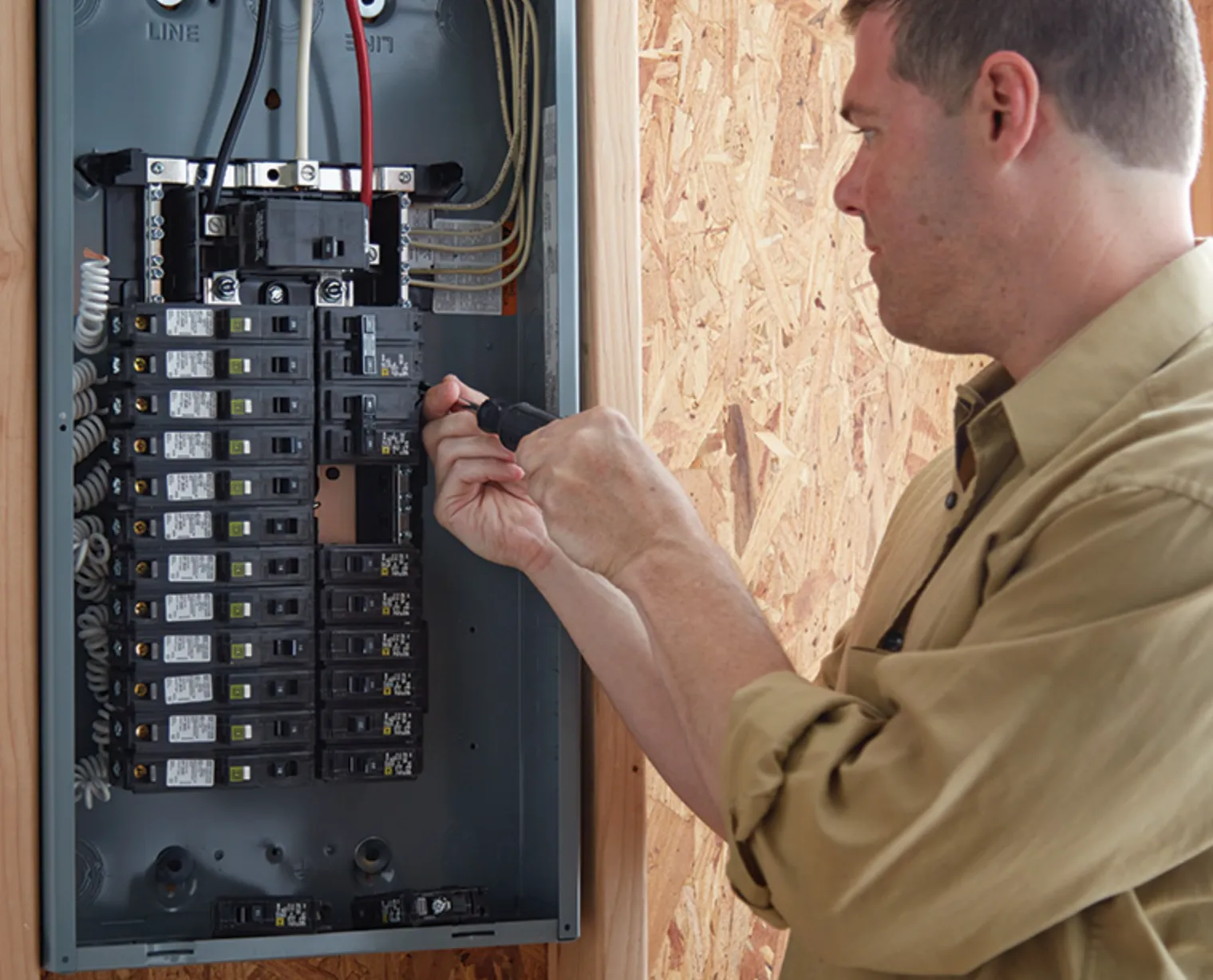
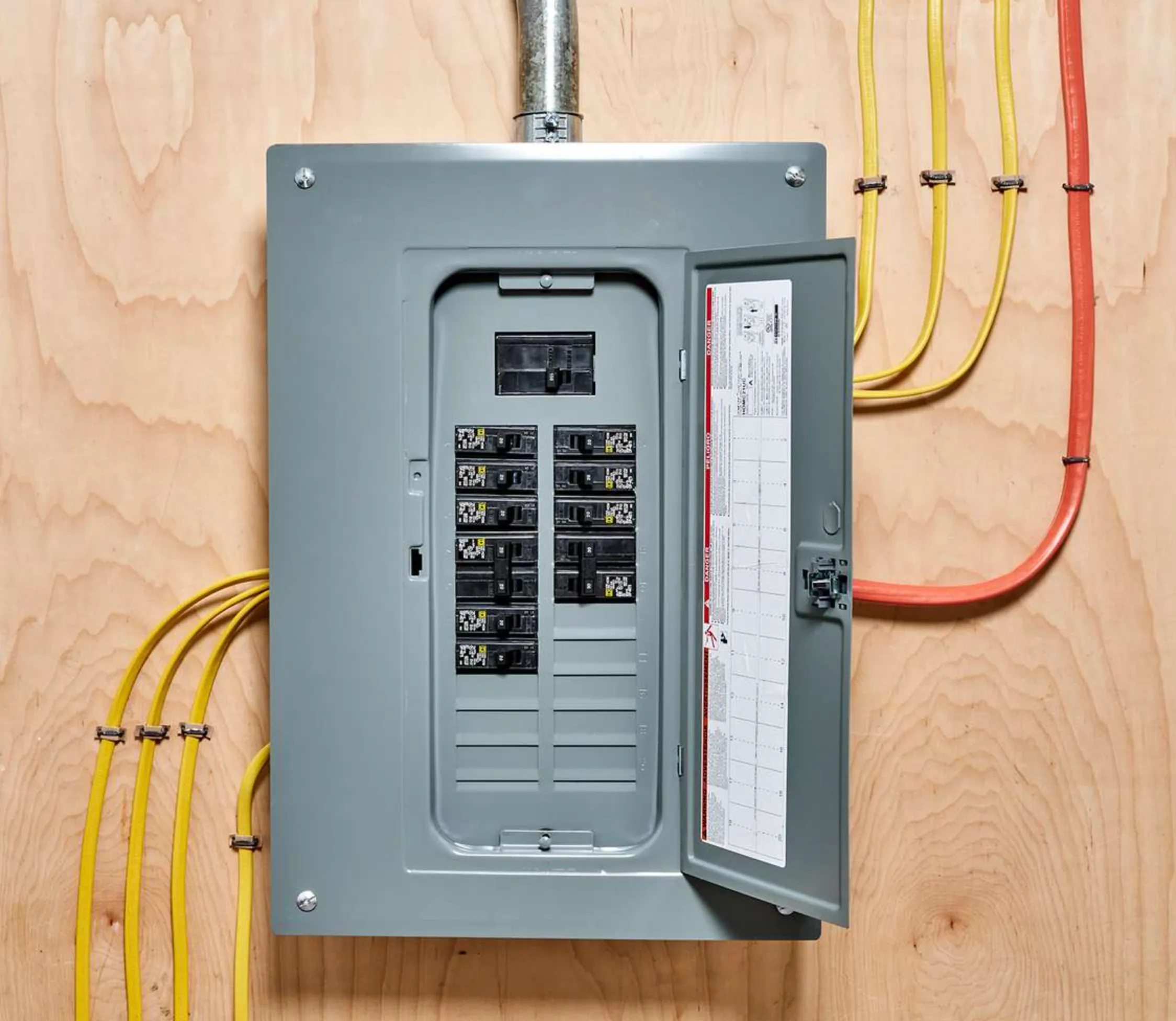
If your home still has an older panel, limited breaker space, or signs of wear, a panel upgrade can be one of the smartest improvements you can make. A modern panel can support today’s loads, provide better protection, and give you room for future circuits—like an EV charger or a heat pump.
Panel upgrades often involve permitting and inspections, and may require coordination with the utility. In SMUD territory, local inspection approval is a key milestone before final utility steps like meter work and service energizing. A good contractor plans this carefully to minimize downtime and avoid last-minute surprises.
Upgrading a panel isn’t just swapping a box. It can include correcting grounding and bonding, replacing outdated components, labeling circuits clearly, and making the whole system safer and easier to maintain.
Rewires and Partial Rewires (Especially in Older Homes)
Older homes may have wiring methods that don’t match modern safety expectations, or have been patched over time with mixed-quality repairs. A rewire (full or partial) can eliminate hazards, reduce nuisance issues, and make it possible to use modern appliances without constant breaker trips.
Rewiring is also a common need during major remodels, where walls are open and it makes sense to replace old wiring rather than build on top of it. If your plan is “we’ll remodel the kitchen now and deal with wiring later,” the wiring usually votes “later is too late.”
Smart rewires are targeted. A reputable electrician will walk you through what truly needs replacement, what can remain safely, and how to phase work if you’re budgeting across multiple projects.
Kitchen and Bathroom Remodel Electrical
Kitchens and bathrooms are the power-hungry zones: lighting, exhaust fans, outlets, heated floors, mirrors, and appliances that want dedicated circuits. These spaces also have higher safety requirements because electricity and water should never be “best friends.”
Because Super Brothers also handles bathroom remodeling, HVAC, and plumbing, we’re used to coordinating trades so the final result looks clean and functions safely. That means outlets where you actually need them, lighting that doesn’t cast spooky shadows, and circuits sized correctly for what you plan to use.
Remodel electrical work commonly requires permits, and inspections help confirm everything is properly protected and installed.
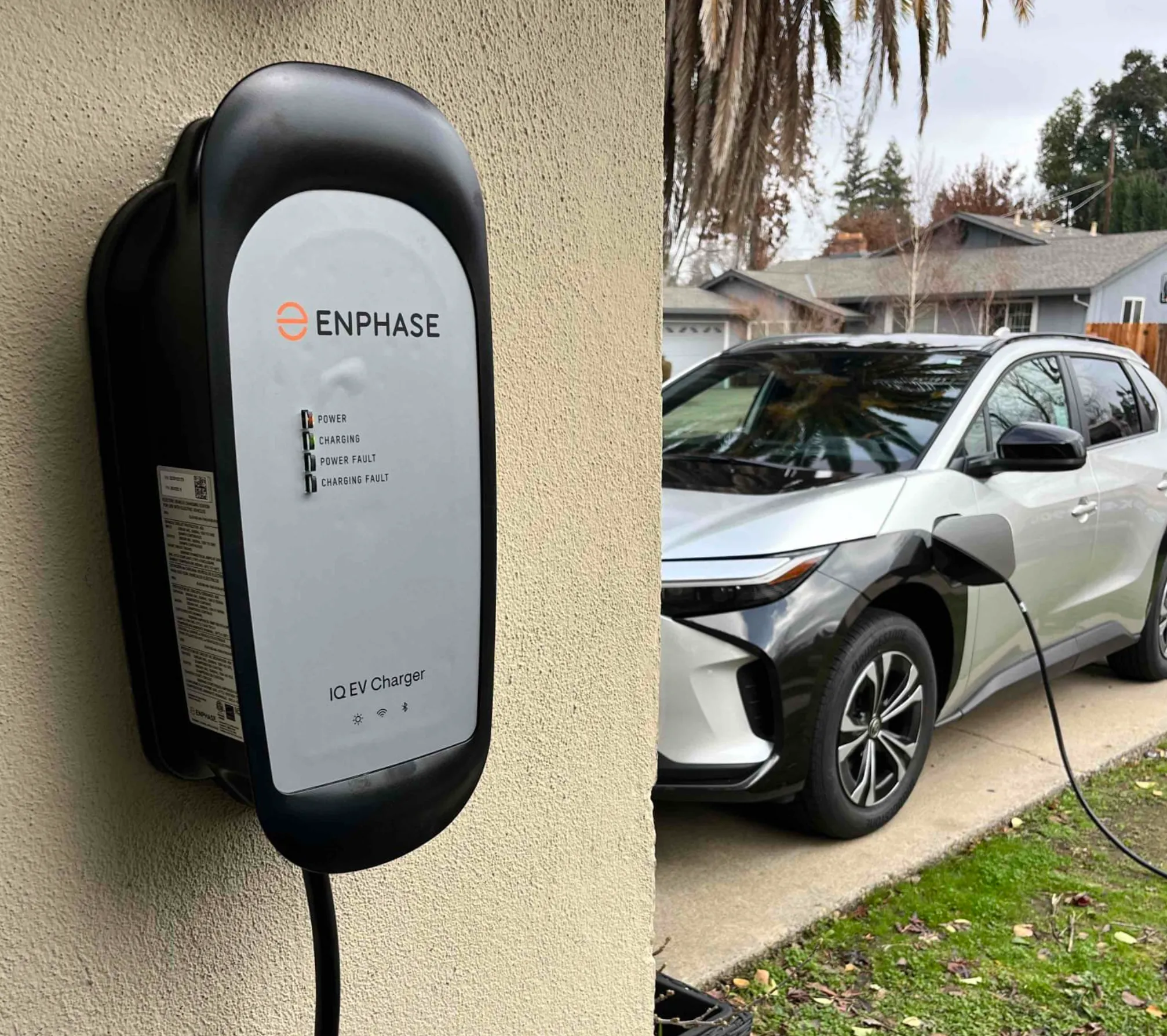
EV Charger Installation in Sacramento
EV ownership is growing fast, and Sacramento is a practical city—people want charging at home that’s reliable and safe. A proper EV charger installation isn’t just “run a wire and call it a day.” It can involve load calculations, a dedicated circuit, and sometimes a panel upgrade if capacity is tight.
If you’re planning to go electric with more appliances in the future, it’s smart to think ahead now. Some utility programs may offer incentives tied to electrification and panel readiness, which can help offset upgrade costs.
Even if you’re not ready for an EV today, many homeowners install the circuit during a remodel so it’s easy to add the charger later without tearing things up again.
Lighting Upgrades That Make Your Home Feel New
Lighting is one of the fastest ways to modernize a home without a full renovation. Recessed lighting, under-cabinet lights, smart dimmers, exterior security lighting, and landscape lighting can all improve comfort and curb appeal.
The key is doing it safely and cleanly—proper wiring, correct box sizes, safe connections, and circuits that aren’t overloaded. If your lights flicker when you turn on a vacuum, it’s not “the house being quirky.” It’s usually a wiring or load issue that deserves attention.
We also help homeowners plan lighting so it matches how you actually live: brighter task light where you cook, softer ambient light where you relax, and outdoor lighting that feels welcoming instead of like a prison yard.
How to Choose the Right Electrician in Sacramento (Without Rolling the Dice)
Sacramento has plenty of contractors, and not all of them bring the same standards to the job. Your best defense is a simple vetting process: verify licensing, ask smart questions, and make sure the scope is clear before work begins. If someone is vague, rushy, or allergic to permits, that’s not “confidence”—that’s risk.
At minimum, you want a contractor who can explain what they’re doing in plain language, provide a written estimate, and tell you how they’ll protect your home while the work is underway. A quality electrician will also be upfront about what they can’t confirm until they open a panel or test the circuit.
- Verify the contractor license through CSLB and confirm it’s active
- Ask whether the work requires a permit and who will pull it
- Get a clear scope: what’s included, what’s excluded, and what “could change” once opened
- Ask how they’ll handle inspections and utility coordination (if needed)
- Confirm warranty/guarantee details in writing
- Choose a company that communicates clearly and shows up when they say they will
If you’re comparing bids, don’t just look at the total price. Compare the scope line-by-line. A cheaper bid that skips permit work, uses lower-quality parts, or ignores safety upgrades can cost more later—sometimes in the worst way possible.
What Electrical Work Costs in Sacramento (And Why Prices Vary So Much)
Electrical pricing depends heavily on what’s behind the walls. A straightforward outlet replacement is very different from troubleshooting a multi-circuit issue, and a panel upgrade in a roomy garage is different from a tight, older setup with service changes and added circuits.
Costs also shift based on permit requirements, inspection timing, utility coordination, and parts. Modern protective devices can be more expensive than older components, and some projects require new wiring paths, conduit, or repairs to bring related elements up to today’s standards.
The right way to think about cost is value and risk reduction. A properly done upgrade can increase safety, reduce nuisance issues, support new appliances, and help protect expensive electronics from electrical problems.
What to Expect During a Typical Electrical Service Call
Most visits start with a conversation and a quick fact-finding session: what happened, when it happens, what else is running, and what changed recently. Good troubleshooting is part detective work, part testing, and part experience with how homes are actually wired in the real world.
For repairs, the electrician will confirm the circuit is safe to work on, test for power, and isolate the issue. For upgrades, you’ll usually get an outline of the work plan, including how long power may be off, what needs inspection, and what your next steps are.
If permits are involved, the schedule will include time for permit processing and inspection appointments. For service-related projects, utility steps may add additional scheduling considerations—especially if a meter needs to be pulled or service needs to be energized after inspection approval.
Preventive Electrical Upgrades That Pay Off
Not every improvement is a major project. Some of the best upgrades are the ones you don’t think about daily—but they quietly prevent problems and protect your home long-term.
Whole-home surge protection can help guard sensitive electronics. Replacing worn outlets and switches can stop loose connections before they become heat problems. Adding circuits to reduce overloaded outlets can make daily living safer and more convenient.
And if your home is going through any remodeling, it’s the perfect time to improve wiring pathways and add outlets where you’ll actually use them—because nobody wants to live with a power strip “feature wall.”
SMUD, PG&E, and Why Your Address Matters
Sacramento is a little unique because many residents are served by SMUD, while nearby areas may be served by PG&E. Your utility can affect how service upgrades and inspections are coordinated, and which processes apply when meter or service equipment is involved.
The main point isn’t to memorize utility steps—it’s to hire a contractor who already works within these systems and can coordinate the moving parts. When permits, inspections, and utility approvals are aligned, your project moves smoothly and your downtime stays minimal.
If you’re not sure which utility serves your home, a contractor can usually confirm quickly based on your address and meter setup.
Why Sacramento Homeowners Call Super Brothers for Electrical Work
Super Brothers is a Sacramento- and Bay Area–based contractor offering plumbing, HVAC, electrical, and bathroom remodeling services. That mix matters because many homeowner projects overlap—especially remodels and electrification upgrades. When one team can coordinate the electrical work with plumbing and HVAC plans, you get fewer delays, fewer surprises, and cleaner results.
We focus on practical solutions: clear communication, code-compliant workmanship, and options that fit your home and budget. Whether you need troubleshooting, a safer panel, a dedicated circuit for new equipment, or electrical planning for a remodel, we’ll explain the “why” in regular language and get the job done with care.
If you’re ready to schedule, you can start at superbrothers.com and tell us what you’re seeing. The more details you share—photos of the panel, what trips when, what’s new—the faster we can help.
FAQ: Electrician Services in Sacramento
Do I need a permit for electrical work in Sacramento?
Many electrical projects require permits, especially upgrades, remodel-related electrical, service changes, and new circuits. Requirements can vary by jurisdiction (City of Sacramento vs. Sacramento County), so it’s smart to confirm based on your address and scope.
How do I verify an electrician or contractor is licensed in California?
You can look up a contractor license using the CSLB’s online license check tool. Ask for the license number and confirm it’s active and appropriate for electrical work.
What’s the difference between a panel “repair” and a panel “upgrade”?
A repair usually addresses a specific fault (like a bad breaker or connection). An upgrade typically replaces the panel to increase capacity, improve safety, and support new circuits or equipment.
Why do my lights flicker when the AC turns on?
It can be normal for lights to dip slightly with large motor loads, but frequent flickering can also point to loose connections, overloaded circuits, or issues at the panel. It’s worth having it tested—especially if it’s getting worse.
Can I install an EV charger if my panel is “full”?
Sometimes, yes—but it depends on your panel capacity, available breaker space, and overall load. A licensed electrician can calculate loads and recommend the safest path, which may include a panel upgrade or other solutions.
How long does a typical service call take?
Minor troubleshooting or repairs can often be completed the same day. Larger upgrades can take longer, especially if permits, inspections, or utility coordination are involved.
Does SMUD have special steps for panel upgrades?
For service-related work, local agency inspection approval is typically part of the process before utility steps like final energizing occur. Your contractor should plan around these requirements so you know what to expect.
Do you handle electrical work as part of bathroom remodeling?
Yes. Bathroom remodels commonly include new lighting, outlets, ventilation fans, and dedicated circuits. Coordinating these with plumbing and HVAC planning helps keep the project smoother and the finished space safer.
Sources
We reference official and utility resources where possible so homeowners can double-check the “source of truth.”
- City of Sacramento – Required Building Permits
- City of Sacramento – Online Minor Permits
- City of Sacramento – Public Permit Portal
- Sacramento County – Building Permits & Inspection Division
- California CSLB – Check a Contractor License
- CSLB – C-10 Electrical Contractor Classification
- California DIR – Electrician Certification Program
- California DIR – Electrician Certification Search
- SMUD – Meter and Service (inspection approval and energizing steps)
- SMUD – Go Electric Bonus Package (rebates)
- California DGS – Building Standards Code (Title 24) information
- NFPA – NEC adoption/enforcement map notes for California Electrical Code
Super Brothers Quality
Choose Super Brothers Plumbing Heating & Air because we use top-tier materials, deliver honest workmanship, and back every job with a real warranty. Our pricing is fair and transparent—no hidden fees, ever.
We pull the permits, build to California code, and pass inspection. Our licensed, highly experienced team handles full plumbing and heating/air replacements and installations, so the job’s done right the first time.
- Top-tier materials
- Honest, quality service
- Workmanship warranty
- Fair, transparent pricing (no hidden fees)
- Permits handled; California code compliant; passes inspection
- Licensed & experienced in plumbing and HVAC installs




Refer Friends, Reap Rewards

Share our expert plumbing services with friends and family. For every successful referral, you earn cash rewards. Refer Now

Ready To Experience Super Brothers Difference! Let’s Start a Conversation!
Financing Options
Super Brothers offers an Installment Payment Plan with 0% Interest for Projects over $1000

Fin tech company that provides payment solutions in the home improvement sector.

Flexible financing for your next home improvement project

Wells Fargo Home Projects Credit Card