In Santa Clara, your HVAC system has a pretty important job description: keep you comfortable when the afternoon sun turns your living room into a toaster, and keep winter mornings from feeling like you’re camping indoors. Most days are mild, sure, but those warm stretches (plus “why is my bedroom always hotter?” moments) add up. If your system is aging, it doesn’t usually fail with a dramatic goodbye—it slow-fades, gets noisy, and starts charging you “subscription fees” in repairs.
This guide walks through five clear signs it may be time to replace your HVAC system, not just patch it again. If you’re a Santa Clara homeowner weighing repairs vs. replacement, you’ll also find practical next steps, what to expect with permits, and a few upgrade ideas that fit Bay Area living. We’re local at Super Brothers Plumbing, HVAC, Electrical & Bathroom Remodeling (superbrothers.com), and we see these patterns every week across Santa Clara and the South Bay.
One quick note before we jump in: “time for a new system” doesn’t always mean “buy the fanciest unit on the planet.” It means your current setup is costing you more (money, comfort, or sanity) than it’s worth. If your system is showing multiple signs below, replacement often becomes the simplest, most cost-effective path.
Sign #1: Your system is getting old (and it’s showing)
Age isn’t just a number when it comes to HVAC—after a certain point, it becomes a trend. ENERGY STAR suggests that if your heat pump or air conditioner is more than 10 years old, it’s worth considering replacement with a high-efficiency model. Older equipment can still run, but it typically works harder to do the same job, and that shows up in comfort and energy use.
Most central air conditioners land in a rough “15–20 years” lifespan range, assuming decent installation and maintenance. After that, efficiency tends to drop and repairs tend to climb. In Santa Clara, where systems cycle on and off through long cooling seasons, older components can wear faster—especially if airflow has been weak for years.
If you don’t know the age, check the data plate on the outdoor unit or the furnace/air handler. If the sticker is so faded it looks like it survived dial-up internet, that’s also a sign. A good HVAC company can confirm age quickly and tell you whether you’re dealing with normal wear or end-of-life wear.
Santa Clara homeowner reality check: If your system is 10+ years old and you’re stacking multiple repairs, you’re not “unlucky.” You’re often just hitting the stage where replacement starts making more sense. ENERGY STAR points out that properly installed high-efficiency equipment can reduce heating and cooling costs compared with older units, which is why a replacement conversation usually starts around this age window.
Sign #2: Repairs are getting frequent, expensive, or both
Every system needs maintenance, and an occasional repair isn’t a big deal. But if you’re calling for service multiple times a year, that’s your HVAC’s version of “I can’t keep doing this.” When repairs become a regular line item, the money often adds up to a down payment on something newer and more reliable.
A common pattern we see in Santa Clara: the system runs, but it keeps tripping, freezing up, short-cycling, or failing on the first hot week of the year. You fix one part, and another part—stressed by the same age and wear—fails soon after. That’s not bad luck; it’s the normal domino effect of aging equipment.
Here’s a simple way to think about it: if a repair is expensive and your system is already older, you might be throwing good money after old metal. Also, when you replace major components on an older system, you’re still relying on everything else that’s the same age. That can keep you in an endless loop of “fix it again” season after season.
If you’re not sure where the line is, ask for a repair-vs-replace breakdown with real numbers: repair cost today, likely upcoming repairs, and what a new system would cost net of any incentives that apply. A straightforward comparison usually makes the decision clearer than gut feelings ever will.
Sign #3: Your comfort is inconsistent (hot rooms, cold rooms, and constant tweaking)
If you’re constantly adjusting the thermostat like it’s a volume knob, something’s off. Uneven temperatures—one bedroom roasting, the hallway chilly, the living room “kind of okay”—often mean the system is struggling with capacity, airflow, or both. Sometimes the equipment is simply worn out; other times it was never sized right for the home.
Santa Clara homes can be especially tricky because sunlight exposure varies a lot by room, and many houses have additions, converted garages, or remodeled spaces. If your system was designed for the original layout and your home changed, it may be fighting a battle it can’t win. The result is a system that runs longer, feels less comfortable, and still leaves you annoyed.
Comfort problems can also show up as humidity issues. Even in a generally mild Bay Area climate, you can still feel “sticky” indoors when an aging system can’t remove moisture effectively during cooling cycles. If your home feels clammy or you’re seeing musty odors that come and go with HVAC runtime, it’s worth having the whole system evaluated.
Could this be ductwork? Absolutely—duct leaks, crushed runs, and poor returns can create major comfort issues. But when the equipment itself is older and already underperforming, duct improvements plus replacement can be the combo that finally makes the house feel evenly comfortable again.
Sign #4: Your energy bills are climbing, and nothing else explains it
Energy rates in California don’t need help being high, so when your bills jump, it gets your attention fast. If your usage habits haven’t changed much—same number of people at home, similar thermostat settings, similar weather—but your bills keep creeping up, your HVAC system may be losing efficiency. Older units can run longer to hit the same temperature, and that extra runtime is money.
Another tell is when the system runs “forever” on warmer Santa Clara afternoons. If it used to cool the house in a reasonable cycle and now it feels like it’s always on, that’s often declining performance. Sometimes it’s low refrigerant due to a leak, sometimes it’s a tired compressor, and sometimes it’s simply an older design that can’t keep up as efficiently as modern equipment.
Modern systems are generally built to higher efficiency targets than older units, and ENERGY STAR specifically calls out that older equipment (especially 10+ years) is a candidate for replacement with high-efficiency models. The point isn’t to chase perfection—it’s to stop overpaying for the same comfort you used to get for less.
If you want a fast reality check, compare your last 12 months of utility usage (kWh/therms) to the year before. If usage is up in similar weather, and you’re not running extra appliances, your HVAC is a prime suspect.
Sign #5: Weird noises, smells, or “it just feels off” moments are becoming normal
Your HVAC system shouldn’t sound like it’s trying to start a lawnmower. New rattles, banging, grinding, or screeching are usually mechanical wear, loose parts, or motor issues. A single noise might be repairable, but when your system has a whole playlist of new sounds, it’s often a sign the core components are aging out.
Smells matter too. A dusty smell at the start of the season can be normal, but persistent musty odors can point to moisture problems, dirty coils, or duct issues. A burning smell that doesn’t go away quickly should be checked immediately, because electrical components and motors can overheat when they’re failing.
And then there’s the vibe check: if your system feels like it’s “quiet quitting”—it technically runs, but comfort is worse, rooms are uneven, and the thermostat wars never end—that’s a valid sign. HVAC doesn’t always fail in a dramatic heap; often it fails in slow motion. If your home comfort has become a constant compromise, replacement may be the clean reset you need.
A quick Santa Clara checklist: how many of these are you dealing with?
If you’re trying to decide whether you’re “there yet,” here’s a quick gut-check. You don’t need all of these to justify replacement—two or three can be enough, especially with an older system. If you’re hitting four or five, you’re probably buying comfort the hard way.
- My AC or heat pump is 10+ years old (or I’m not sure, but it looks ancient).
- I’m paying for repairs more than once a year or facing a big-ticket repair.
- Some rooms are always too hot or too cold, no matter what I set.
- My energy bills keep rising even though my habits haven’t changed much.
- New noises, odd smells, or constant running has become the new normal.
What replacement looks like in Santa Clara (and why permits matter)
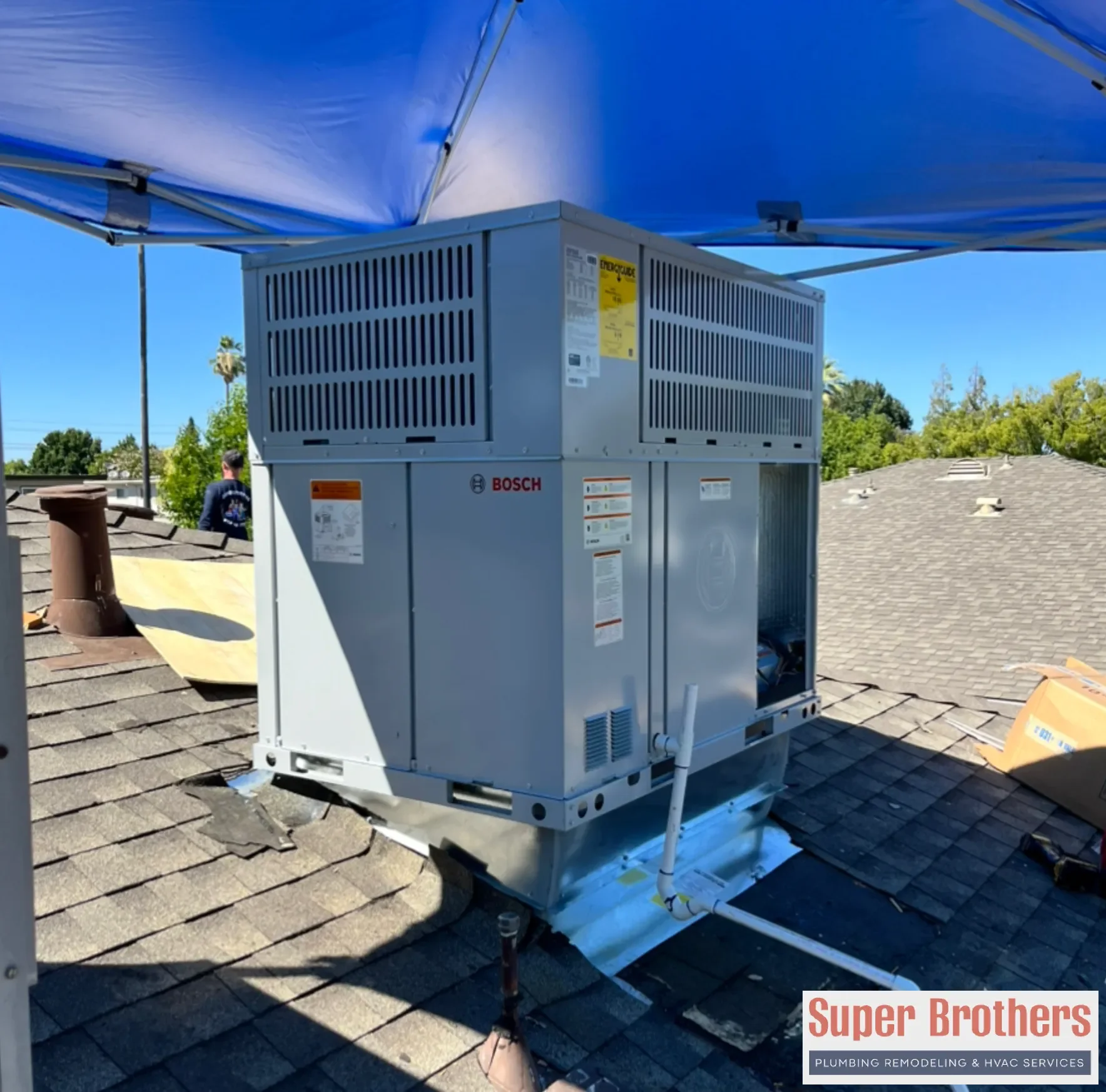
In Santa Clara, HVAC replacement is often straightforward, but it still needs to be done correctly. The City of Santa Clara offers “Simple Permits” for certain like-for-like residential HVAC replacements, which can make the process smoother when you’re swapping similar equipment. Even when permits are streamlined, inspections help ensure the installation is safe and code-compliant.
Permits aren’t just paperwork—they protect you. They also matter for resale, and they can matter for certain incentive programs and warranties. A legitimate contractor should be comfortable pulling permits and scheduling inspections, not suggesting shortcuts.
If you’re upgrading rather than doing like-for-like (for example, changing equipment type, relocating units, or modifying ductwork), the permit and plan requirements can change. That’s normal, and it’s one reason a proper evaluation is worth doing before you buy equipment. A good installer doesn’t just swap boxes—they make sure the new system actually fits the home.
If you want to talk through options with a local team, Super Brothers serves Santa Clara and nearby South Bay cities. You can start here: schedule an HVAC estimate or learn more about our HVAC services.
Smart upgrade options for South Bay homes
Replacement is a great chance to fix the stuff that’s been annoying you for years. If you’ve been dealing with uneven rooms, noisy operation, or nonstop thermostat tweaks, you can often design that frustration out of the home. The key is choosing upgrades that match how you actually live—not what looks cool in a brochure.
Here are a few upgrades Santa Clara homeowners often ask about, especially in remodels or when pairing HVAC work with electrical improvements. The goal isn’t to overcomplicate things; it’s to choose one or two improvements that bring real comfort and long-term value.
Heat pumps: Santa Clara’s mild winters make heat pumps a popular option because they can both heat and cool with one system. For many homes, they’re a comfortable fit and can be paired with ductwork or ductless zones depending on the layout. If you’re also updating electrical (panel, circuits, etc.), planning those pieces together can save time and headaches.
Zoning and airflow fixes: If your home has hot and cold spots, sometimes the best “upgrade” is better design—proper sizing, balanced ducts, upgraded returns, and smarter controls. Zoning isn’t always necessary, but in larger homes or multi-story layouts, it can make a big difference. The win is less arguing over the thermostat and fewer “why is this room an oven?” moments.
Filtration and indoor air quality: Between allergy seasons and wildfire smoke, better filtration can be a quality-of-life upgrade in the Bay Area. This doesn’t have to be complicated—sometimes it’s as simple as a properly sealed filter rack, the right filter type for the system, and making sure airflow stays healthy. If you’ve been “toughing it out,” a replacement project is a good time to set this up correctly.
A simple replacement game plan that avoids regrets
A new HVAC system is a big purchase, so the best outcome is when it feels boring in the best way: it works, it’s quiet, and your home feels consistently comfortable. The biggest regrets we hear are usually about rushed decisions, mismatched equipment, or skipping the airflow/ductwork conversation. A little planning prevents years of “why didn’t we fix this while we were here?”
- Start with a real evaluation: confirm the system’s condition, check airflow, and make sure sizing fits your home’s layout and insulation—not just the old unit’s tonnage.
- Compare repair vs. replace with numbers: include likely upcoming repairs, expected lifespan, efficiency improvements, and any permit or duct updates that impact performance.
- Install it right: correct refrigerant charging, sealed ducts, proper drainage, safe electrical connections, and a final walkthrough so you know how to run and maintain it.
If you’re already remodeling a bathroom, updating electrical, or planning other home improvements, HVAC timing matters. Coordinating projects can reduce duplicate labor and help you plan capacity upgrades if you’re switching system types. Super Brothers does plumbing, HVAC, electrical, and bathroom remodeling, so you can keep the project coordinated instead of juggling three different schedules.
If you’re located in Santa Clara or nearby (San Jose, Sunnyvale, Cupertino, Campbell, Milpitas, Mountain View, Palo Alto), our team can help you figure out whether you need a repair, a partial upgrade, or a full replacement.
Frequently asked questions
How long does an HVAC system usually last in Santa Clara?
Most central air conditioners are often estimated to last around 15–20 years, with efficiency typically declining as they age. Local factors like installation quality, maintenance, duct condition, and how hard the system runs during warm stretches all affect lifespan. If your system is 10+ years old and showing multiple issues, it’s worth an evaluation.
Is it better to repair or replace my AC if it’s over 10 years old?
It depends on the repair cost, how often you’ve needed service, and whether the system still keeps the home comfortable. ENERGY STAR notes that once heat pumps or air conditioners are more than 10 years old, replacement is worth considering, especially if performance is slipping. If you’re facing a major repair and you’ve had several recent issues, replacement often wins financially.
Do I need a permit to replace my HVAC system in Santa Clara?
Many residential HVAC replacements require permits, and Santa Clara offers a “Simple Permits” path for certain like-for-like replacements. Your contractor should handle permitting and inspections as part of a professional installation. If you’re upgrading equipment type or changing ductwork significantly, requirements can differ.
Should I consider a heat pump in the South Bay?
Heat pumps are popular in the Bay Area because they provide both heating and cooling and can be a comfortable fit for our mild winters. The best choice depends on your home’s layout, electrical capacity, duct condition, and comfort goals. A good contractor can walk you through options without pushing you into a one-size-fits-all solution.
Are there any incentives or tax credits for HVAC upgrades?
Incentives can change year to year, and eligibility depends on the equipment and installation date. The IRS notes that the Energy Efficient Home Improvement Credit applies to qualifying improvements made through December 31, 2025, so homeowners who completed qualifying work by then may still claim it when filing taxes. For current local and utility programs, it’s best to confirm what’s active at the time you’re planning your project.
Sources
- ENERGY STAR — When is it time to replace heating and cooling equipment?
- ENERGY STAR — Heat & Cool Efficiently (equipment age and savings context)
- Carrier — How long do air conditioners last? (15–20 year range)
- Lennox — How long do air conditioners last? (lifespan and warning signs)
- City of Santa Clara — Simple Permits (residential HVAC like-for-like replacements)
- IRS — Energy Efficient Home Improvement Credit (installation-date eligibility details)
Super Brothers Quality
Choose Super Brothers Plumbing Heating & Air because we use top-tier materials, deliver honest workmanship, and back every job with a real warranty. Our pricing is fair and transparent—no hidden fees, ever.
We pull the permits, build to California code, and pass inspection. Our licensed, highly experienced team handles full plumbing and heating/air replacements and installations, so the job’s done right the first time.
- Top-tier materials
- Honest, quality service
- Workmanship warranty
- Fair, transparent pricing (no hidden fees)
- Permits handled; California code compliant; passes inspection
- Licensed & experienced in plumbing and HVAC installs




Refer Friends, Reap Rewards
Share our expert plumbing services with friends and family. For every successful referral, you earn cash rewards. Refer Now

Ready To Experience Super Brothers Difference! Let’s Start a Conversation!
Financing Options
Super Brothers offers an Installment Payment Plan with 0% Interest for Projects over $1000

Fin tech company that provides payment solutions in the home improvement sector.
Flexible financing for your next home improvement project
Wells Fargo Home Projects Credit Card